

Product Introduction
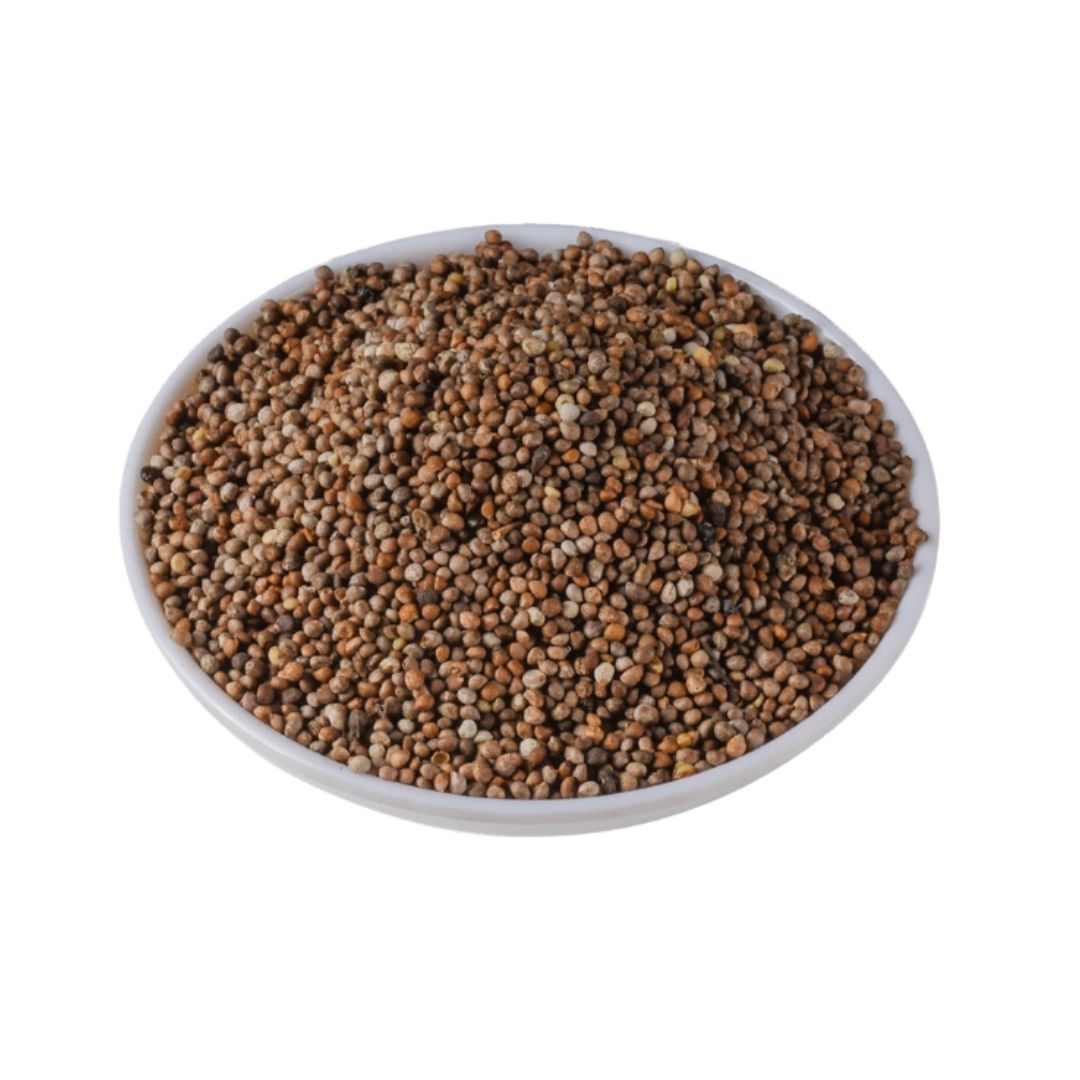
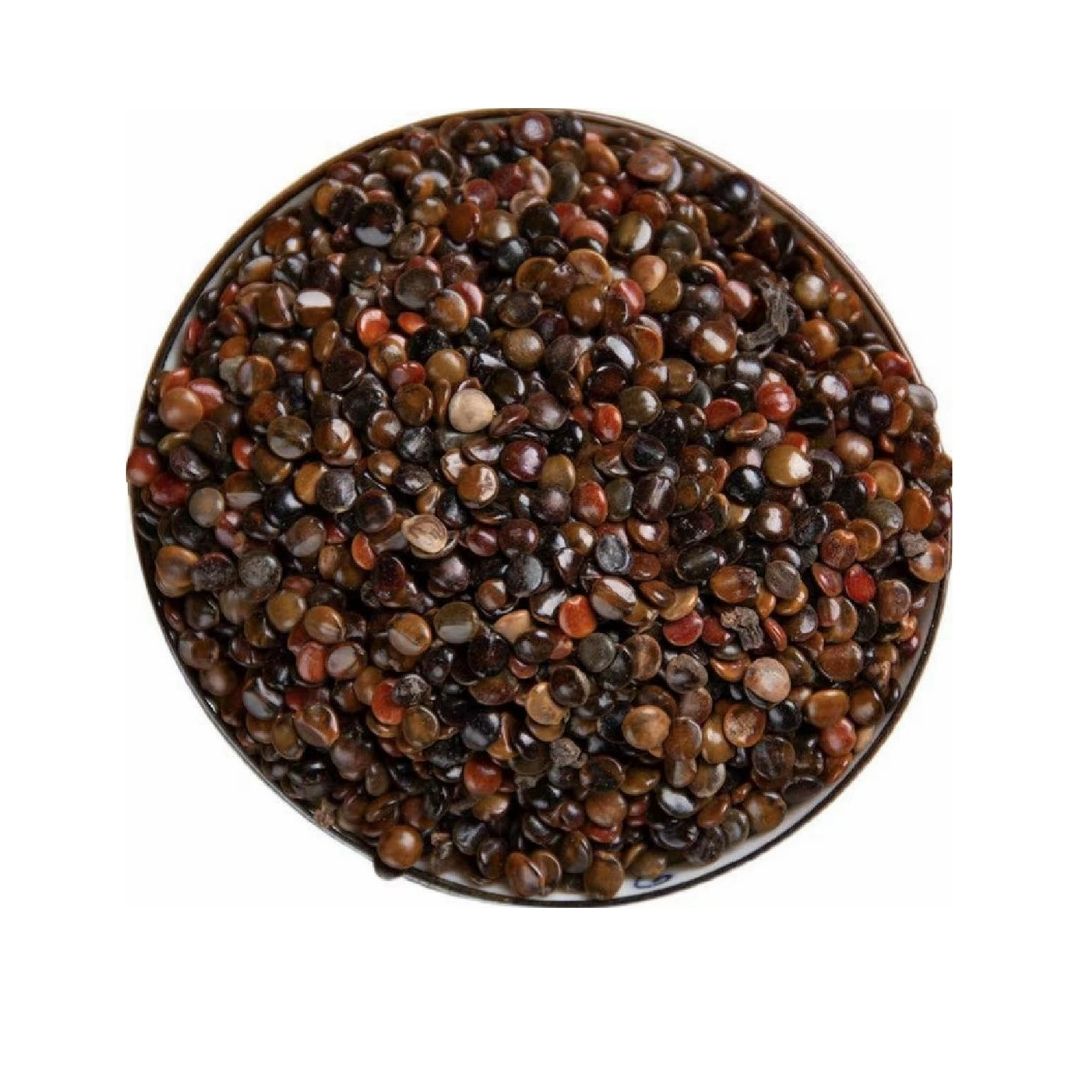
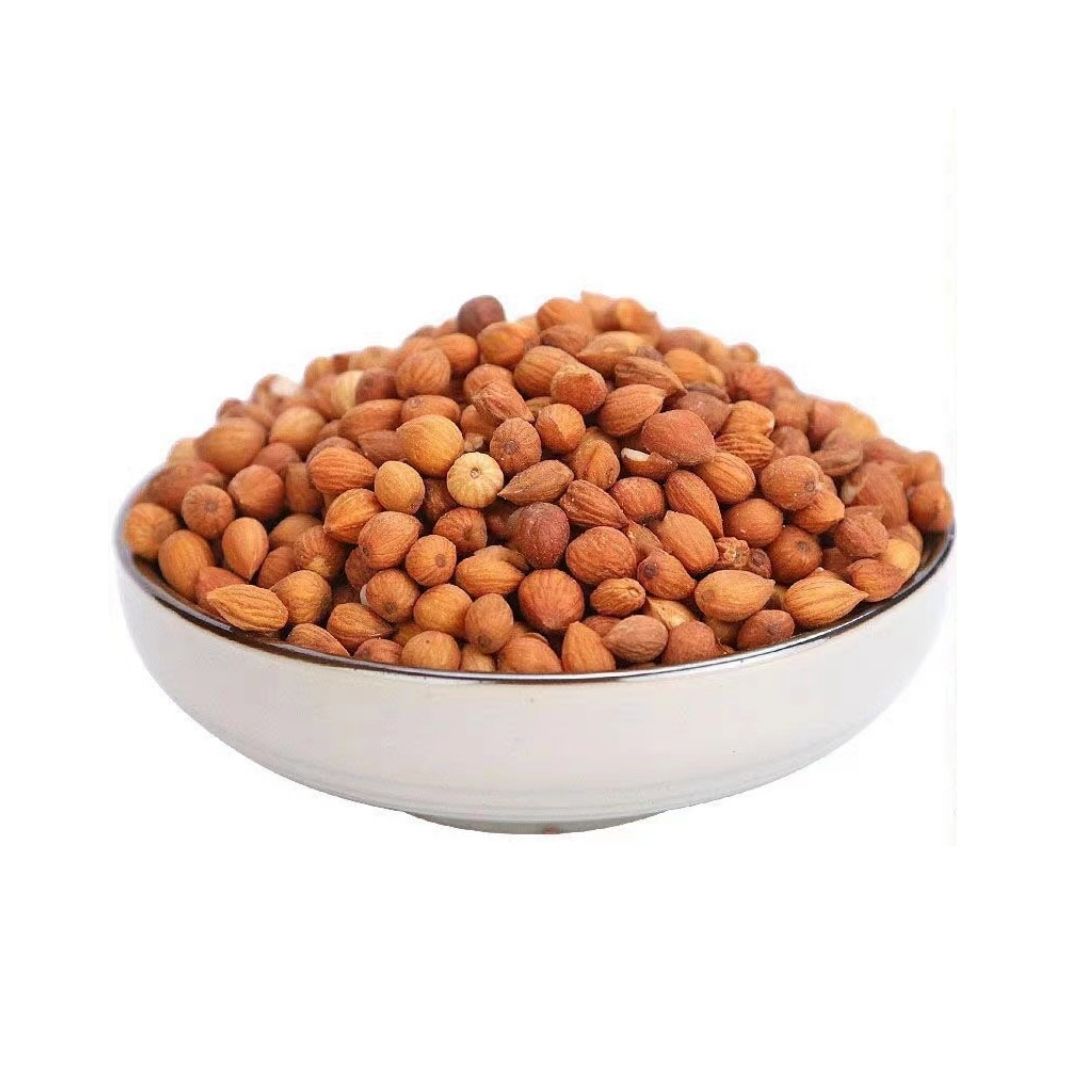
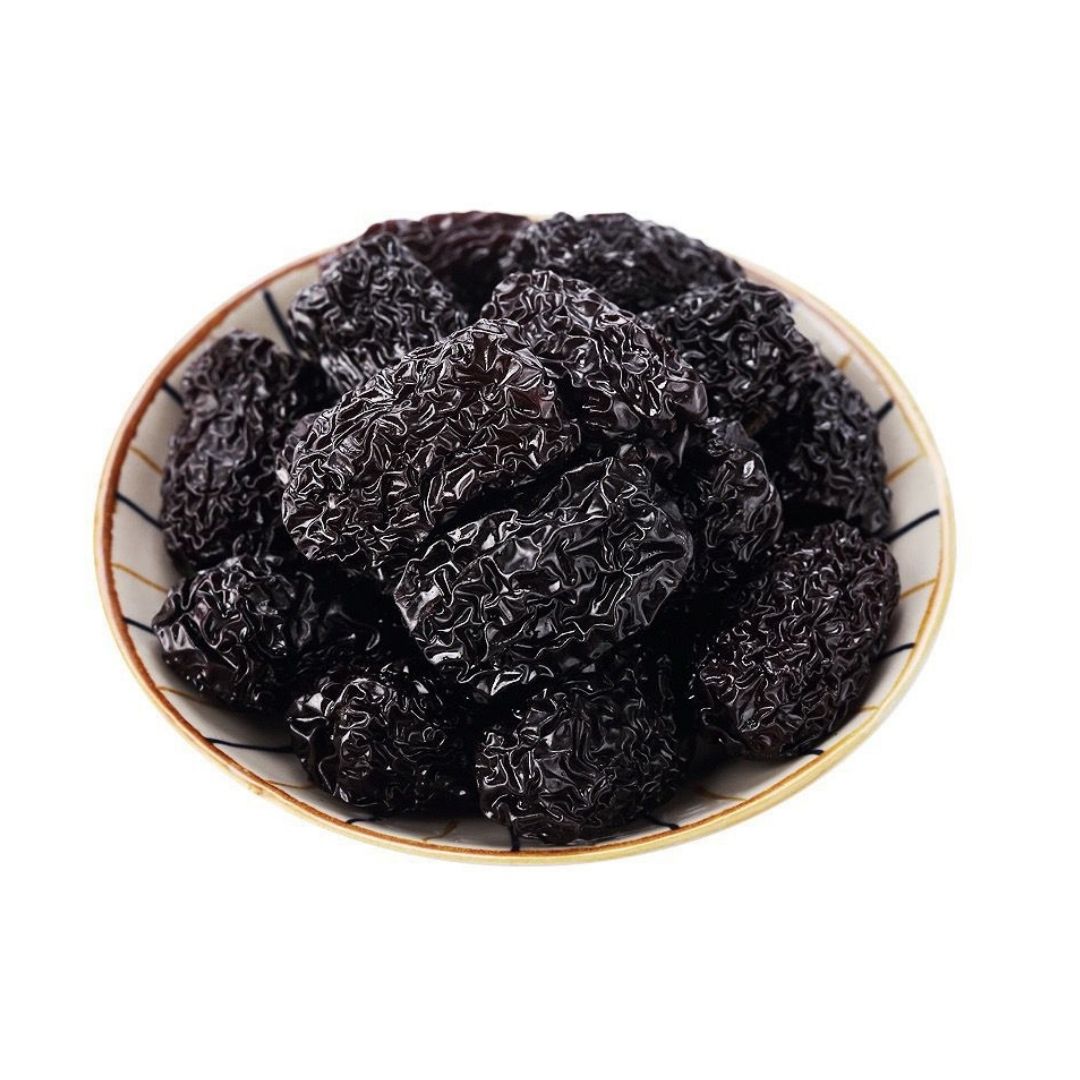
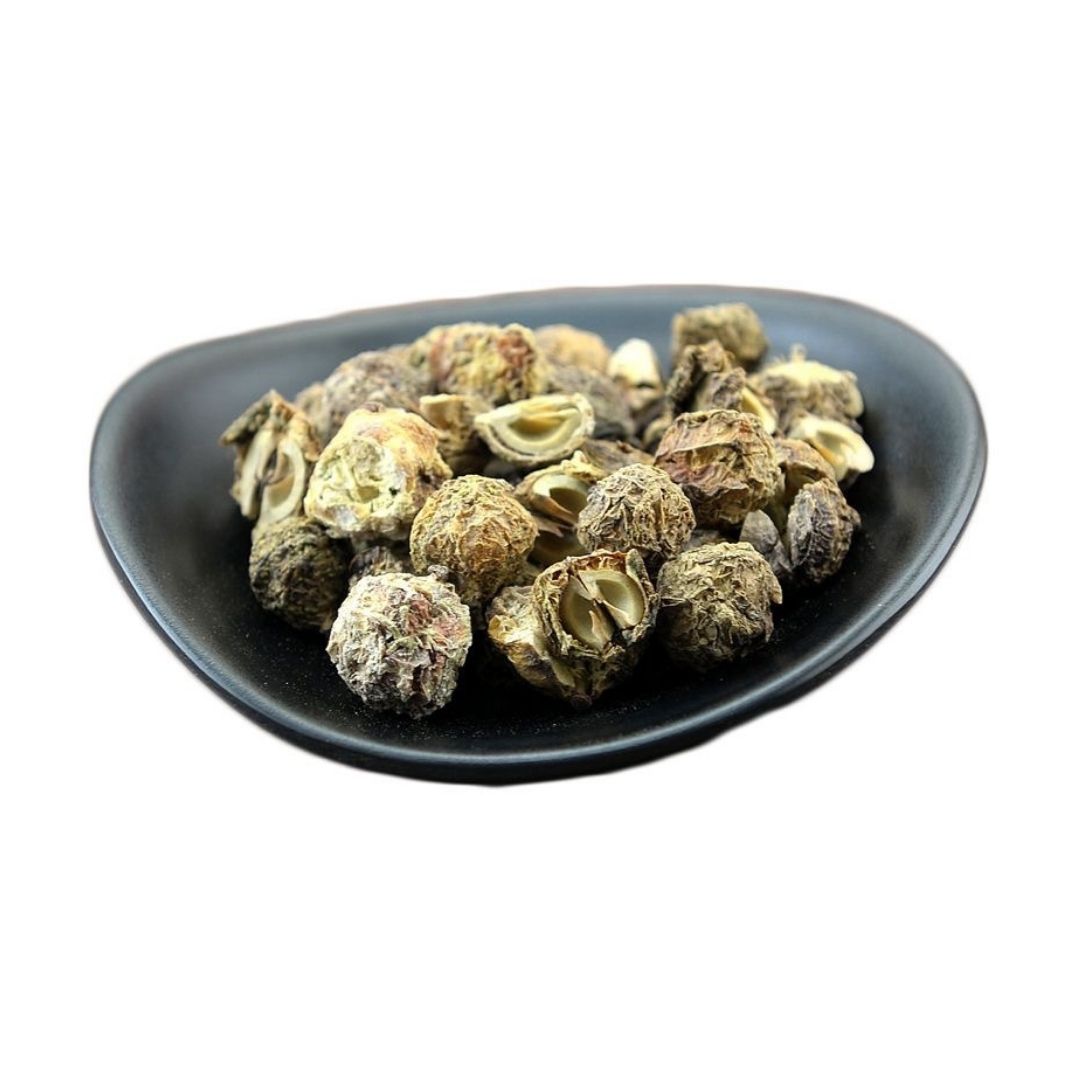
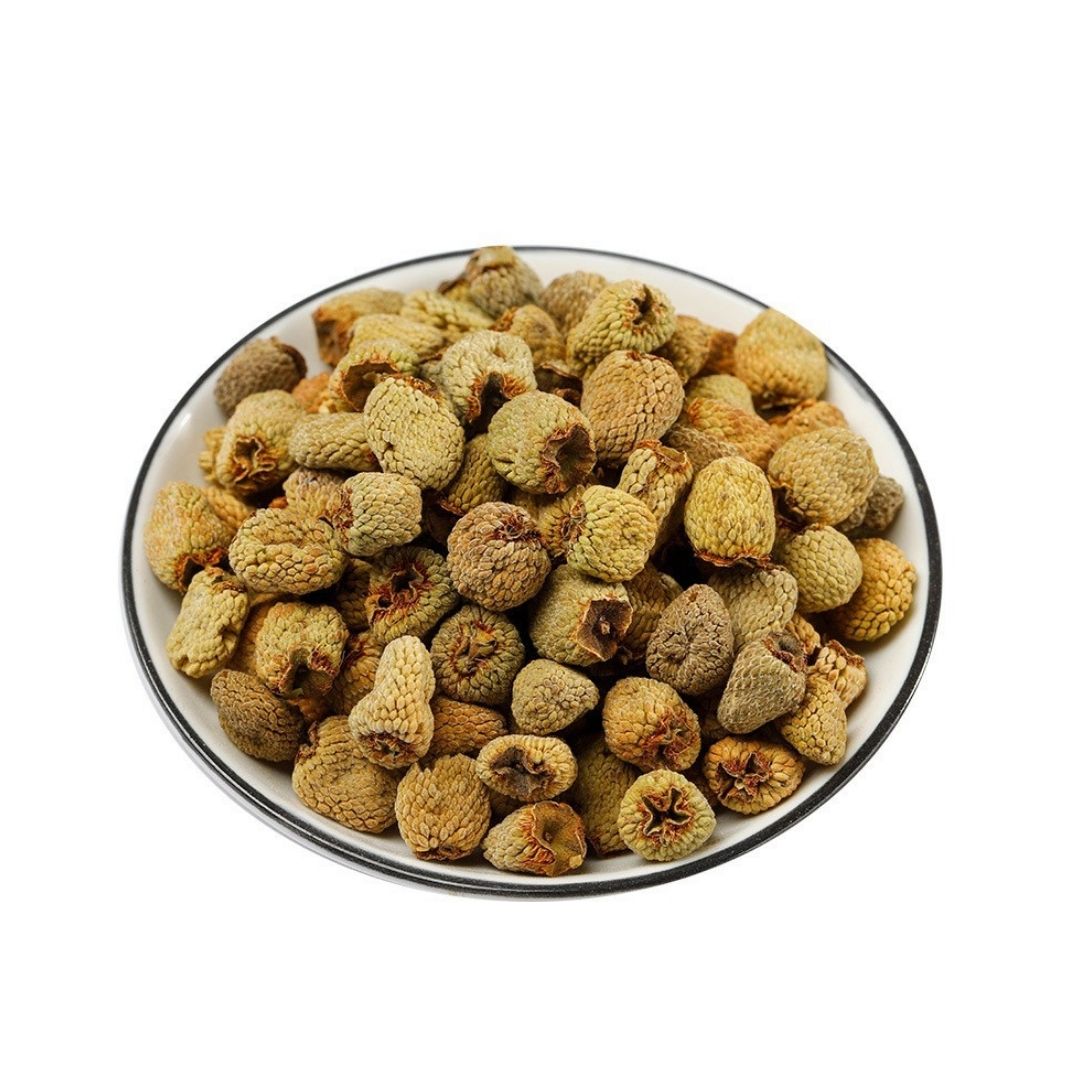
Raspberry, known as 覆盆子 (Fù Pén Zǐ) in traditional Chinese medicine (TCM), refers to the fruit of various Rubus species, belonging to the Rosaceae family. This herb is valued, for its tonifying properties, and its use in addressing several health concerns. The berries, which are small, and aggregate, are known for their distinctive flavor, which is a blend of sweet and tart notes.
Main Active Ingredients
Raspberries are rich in several bioactive compounds. These include vitamins like vitamin C, as well as antioxidants such as quercetin, and ellagic acid. Ellagic acid is of particular interest in some research because it may offer protective benefits at the cellular level. The presence of these ingredients contributes to the potential health benefits.
Product Application Scenarios, Usage, and Dosage
In TCM, raspberry is often used to tonify kidney qi and secure essence. It commonly serves as a component in formulas that support reproductive health, and address issues like frequent urination, and impotence. Its antioxidant properties are also harnessed to support overall well-being. The typical dosage is 6-12 grams, generally administered via decoction. Raspberry can be consumed, or it can be used in conjunction with other herbs, depending on the specific condition being addressed.
Introduction to the Source Plant, Distribution, and Growth Environment
Raspberry plants, belonging to the Rubus genus, are found worldwide. The plants typically thrive in temperate climates, demanding well-drained soil, and ample sunlight. These are perennial plants, characterized by thorny stems, and compound leaves. The flowers are usually white or pinkish and attract pollinators. The fruit develops as clusters of small drupelets, forming the raspberry. Specifically, in China, Rubus idaeus and Rubus chingii are among the species. These species are found across various provinces, like Zhejiang, and Jiangsu.
Harvesting, Processing, and Storage
The raspberries are typically harvested in summer, when they are ripe. The selection of the ripeness is a crucial step which affects the quality of the final product. Post-harvest, they are thoroughly cleaned, and then dried. Drying can occur naturally, by sun-drying, or through the use of mechanical dryers. These ensures that, the moisture content is reduced. Proper drying prevents spoilage and preserves the active compounds. The dried raspberries should be stored in a cool, dry place, away from sunlight, sealed properly, to maintain their potency, and prevent degradation over time.
Mia Wu

Hi, I’m Mia Wu! I love helping customers discover the best natural ingredients for their products. With a passion for herbs, spices, and fungi, I work to make sure you get only the finest raw materials. Let's grow together! 🌱✨