

Product Introduction
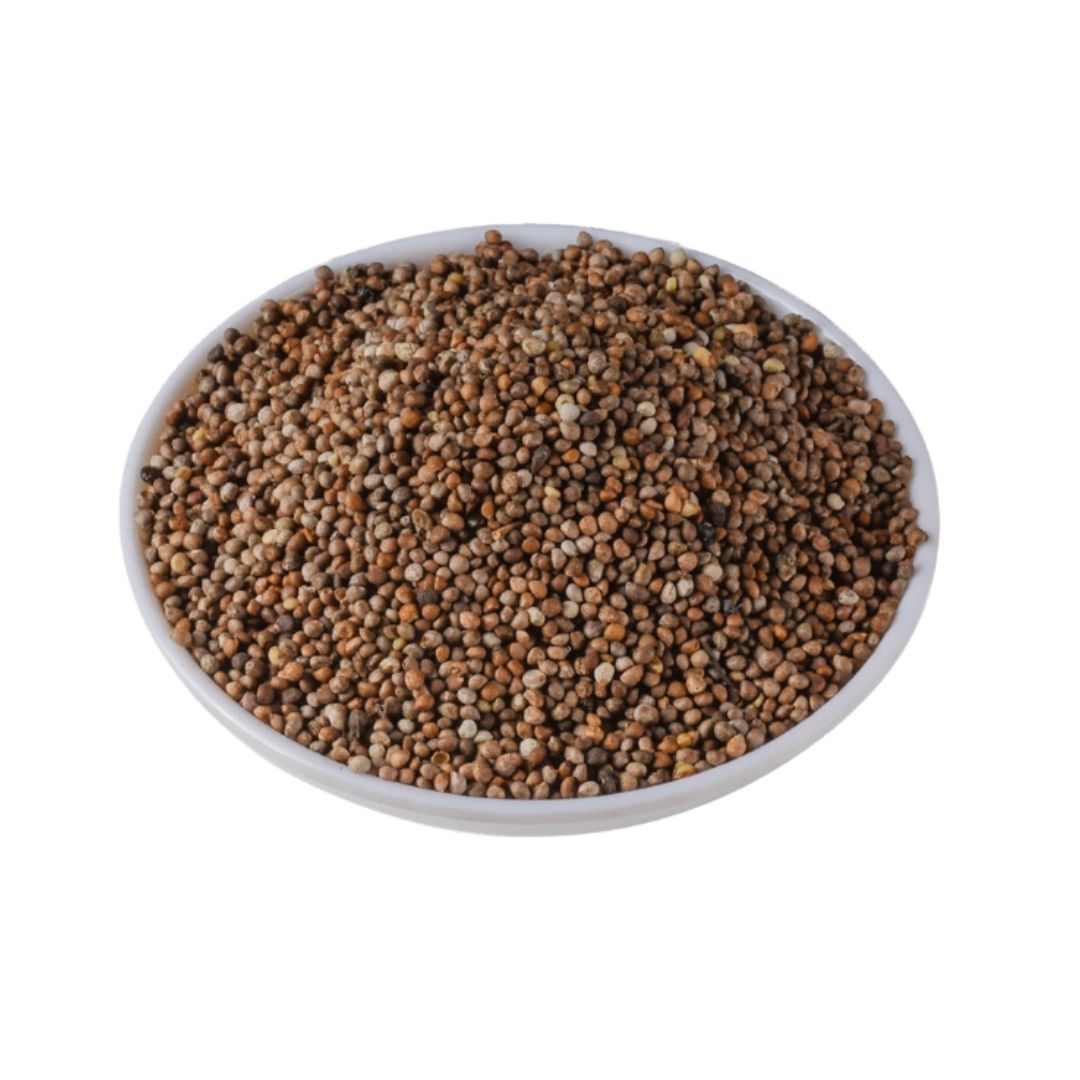
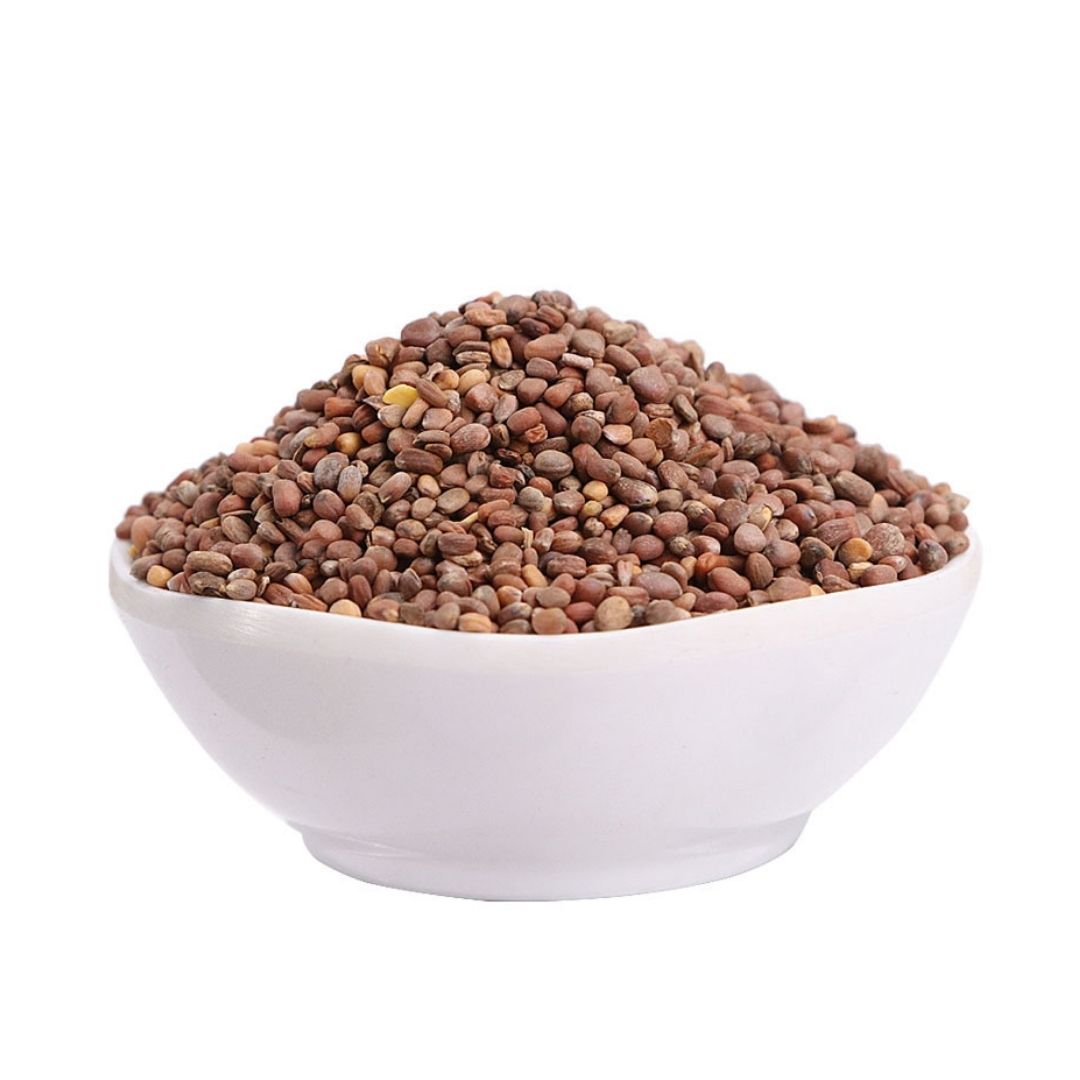
Radish seed, known in Chinese medicine as Lai Fu Zi, is derived from the common radish plant, Raphanus sativus. It has a history of use in traditional medicine, particularly for digestive and respiratory ailments. The seeds are harvested from mature radish plants and prepared for medicinal use. Considered to have specific actions on the lung and spleen channels, it addresses conditions related to phlegm accumulation, food retention, and impaired digestion. In practice, radish seed is often employed as part of herbal formulas aimed at promoting the flow of qi, supporting digestion, and clearing respiratory congestion.
Main Active Ingredients
The efficacy of radish seed is attributed to its unique biochemical composition. Glucosinolates, a key group of compounds, are present and contribute to its pungent properties and potential health benefits. Erucic acid, a fatty acid, is also found in the seed oil. Sinapine, and various vitamins further contribute to its overall therapeutic profile. These components work synergistically to influence its medicinal effects, most notably in digestive and respiratory health.
Product Application Scenarios, Usage, and Dosage
Radish seed is primarily indicated for conditions involving food stagnation, phlegm accumulation, and cough. For food stagnation, it aids in promoting digestion and relieving bloating. In cases of phlegm and cough, it helps to clear the airways and ease breathing. Typically, it is administered in the form of decoctions, pills, or powders. The standard dosage is 6 to 15 grams per day, depending on the specific condition and the individual’s constitution. It is often used in combination with other herbs to enhance its effects, and caution is advised for individuals with spleen deficiency.
Introduction to the Source Plant, Distribution, and Growth Environment
The radish plant, Raphanus sativus, is an annual or biennial herb widely cultivated for its edible roots and seeds. It belongs to the family Brassicaceae, which also includes cabbage, broccoli, and mustard. The plant is characterized by its rapid growth and adaptability to various climates, but thrives best in temperate regions with well-drained soil. Radishes are native to Asia but are now cultivated worldwide. Different varieties exist, varying in size, color, and shape. The plant’s seeds are contained within pods that develop after flowering.
Harvesting, Processing, and Storage
Radish seeds are typically harvested in the late summer or early autumn when the seed pods have fully matured and turned brown. The pods are collected and dried to allow for easy extraction of the seeds. Once extracted, the seeds are cleaned to remove any debris and sorted for quality. For medicinal use, the seeds may be processed further, such as by stir-frying to enhance their therapeutic properties. Proper storage is essential to maintain the quality and potency of radish seeds, which should be kept in a cool, dry place away from direct sunlight, and ideally in airtight containers to prevent moisture absorption and oxidation.
Citations
- Yeung, Him-che. Handbook of Chinese Herbs and Formulas. Institute of Chinese Medicine, Los Angeles, 1985.
- Bensky, Dan, Steven Clavey, and Erich Stöger. Chinese Herbal Medicine: Materia Medica. 3rd ed. Seattle, WA: Eastland Press, 2004.
- Chen, John K., and Tina T. Chen. Chinese Medical Herbology and Pharmacology. City of Industry, CA: Art of Medicine Press, 2004.
Mia Wu

Hi, I’m Mia Wu! I love helping customers discover the best natural ingredients for their products. With a passion for herbs, spices, and fungi, I work to make sure you get only the finest raw materials. Let's grow together! 🌱✨