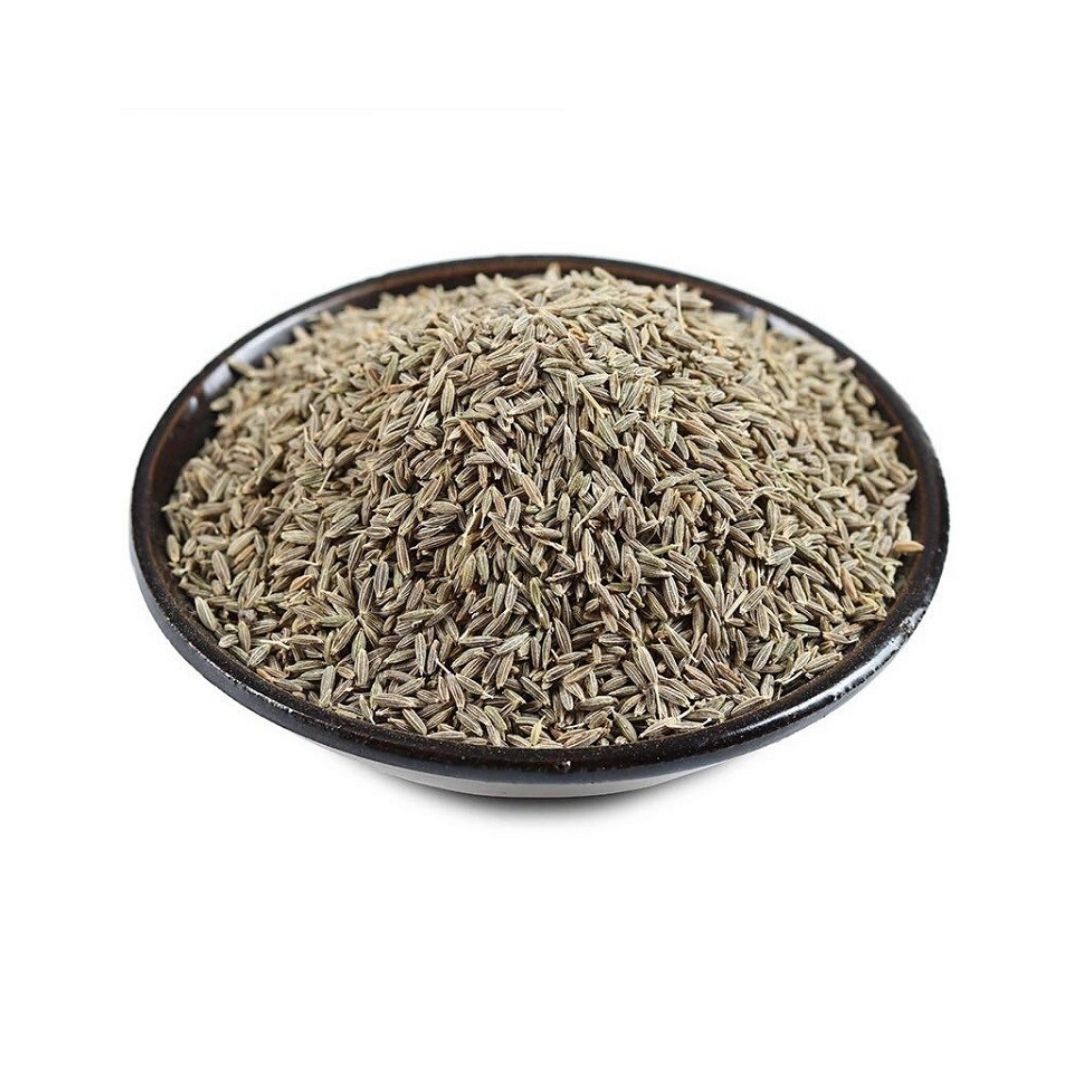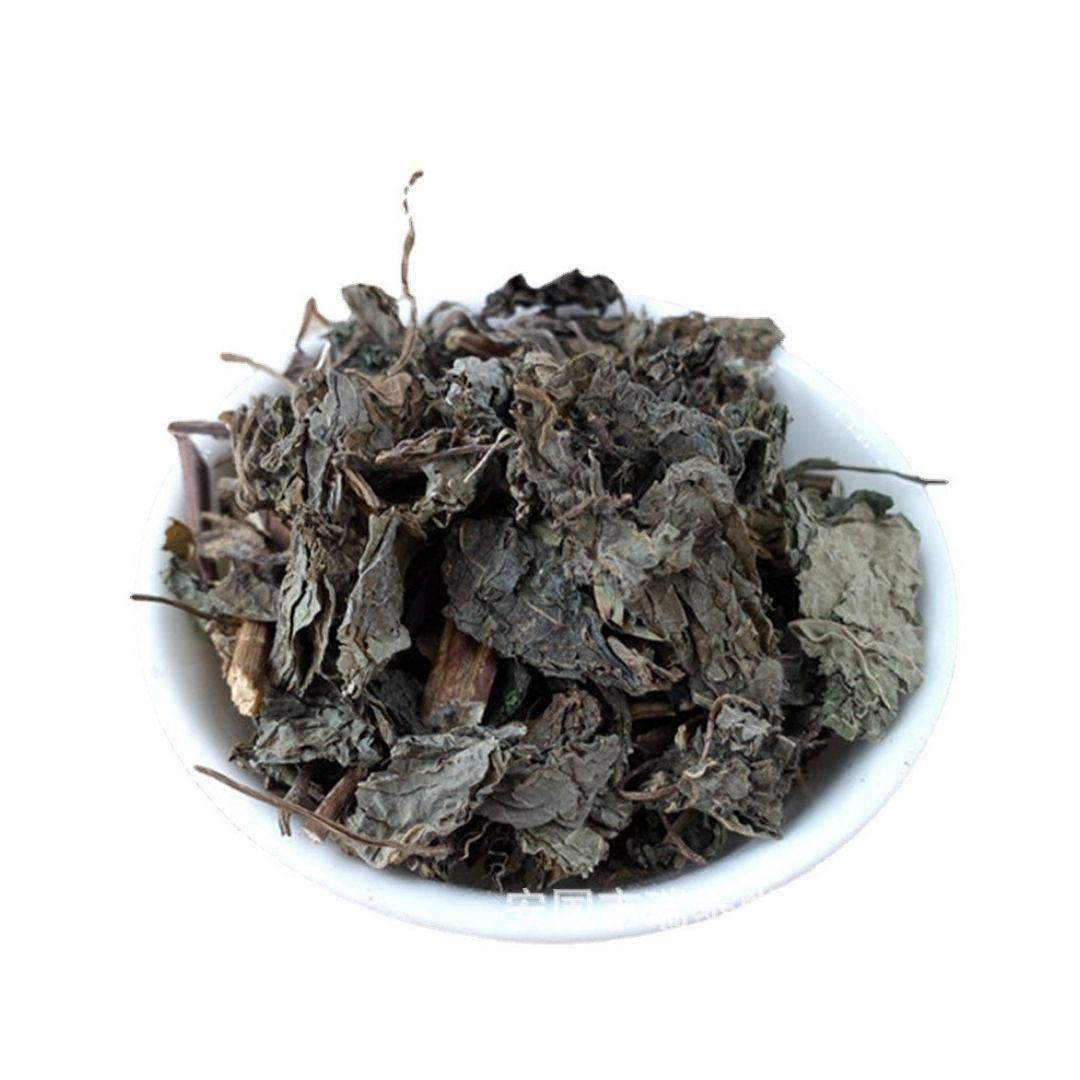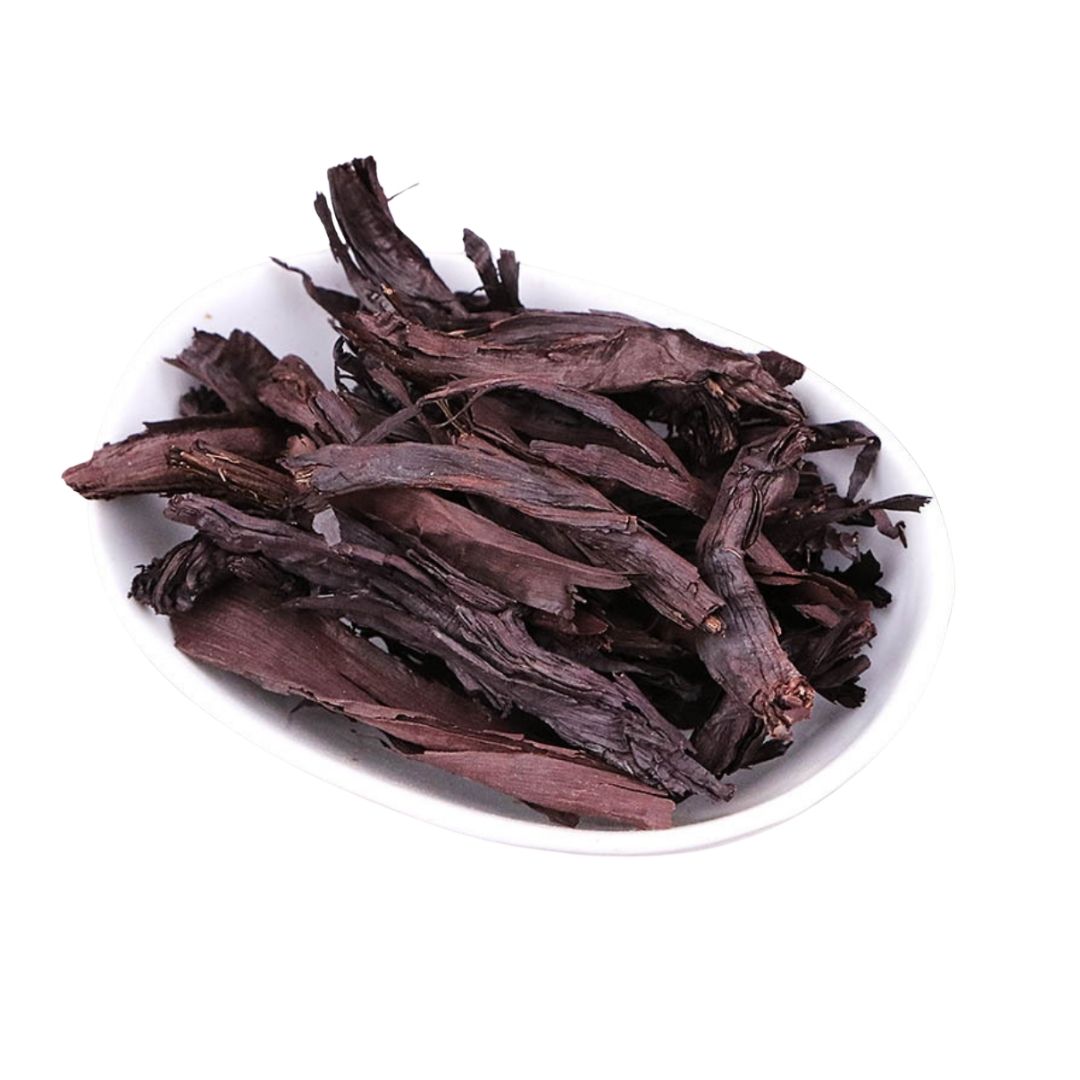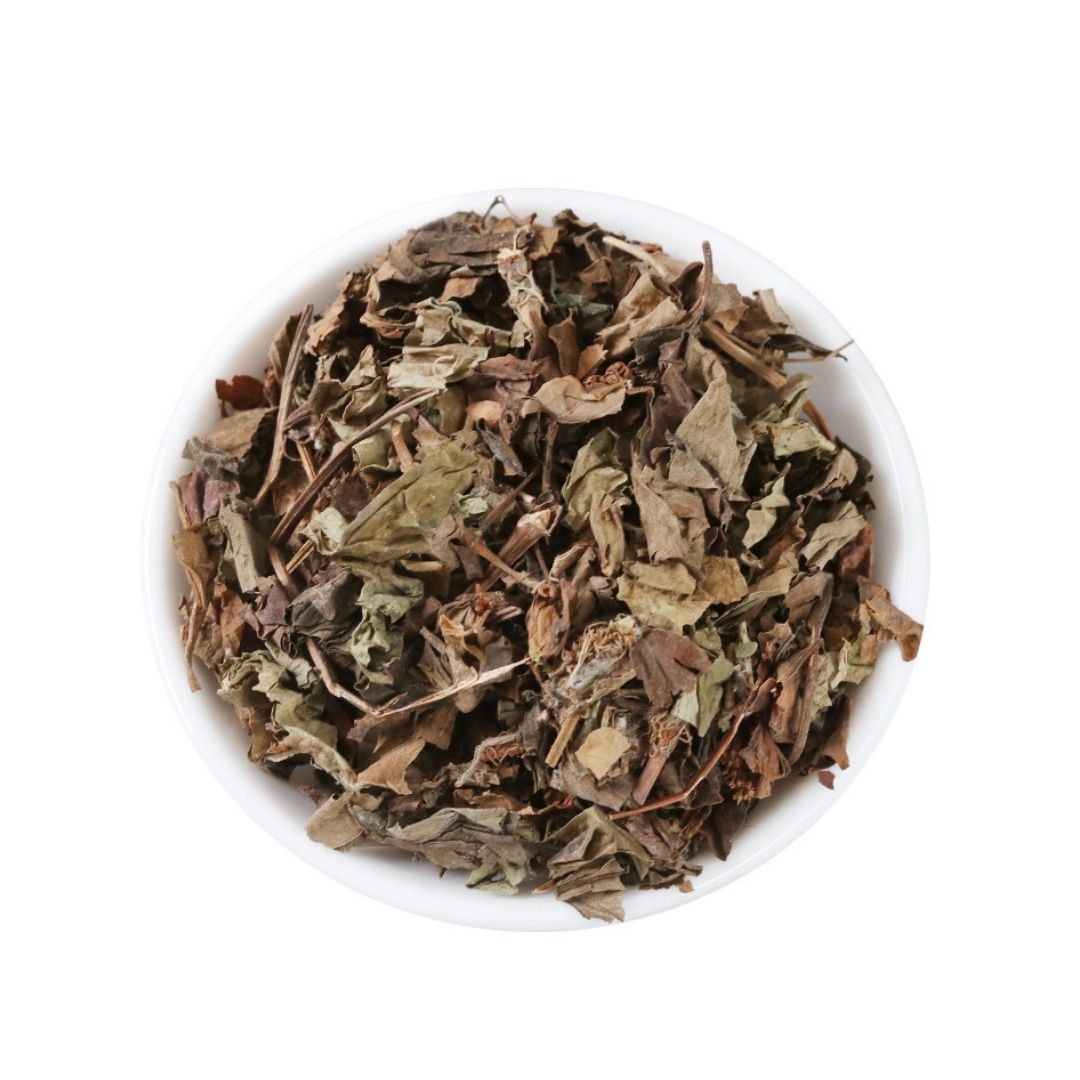


Product Introduction
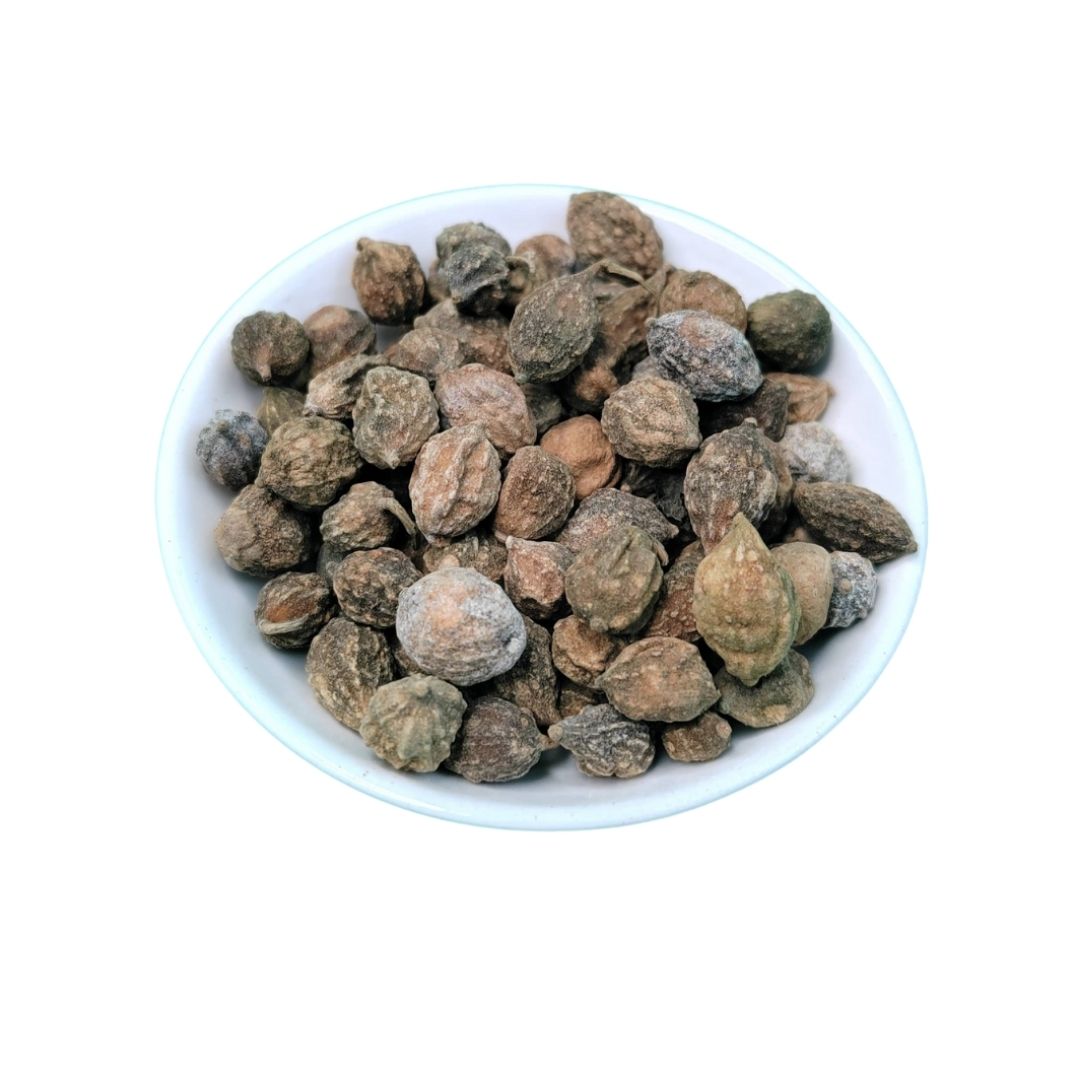
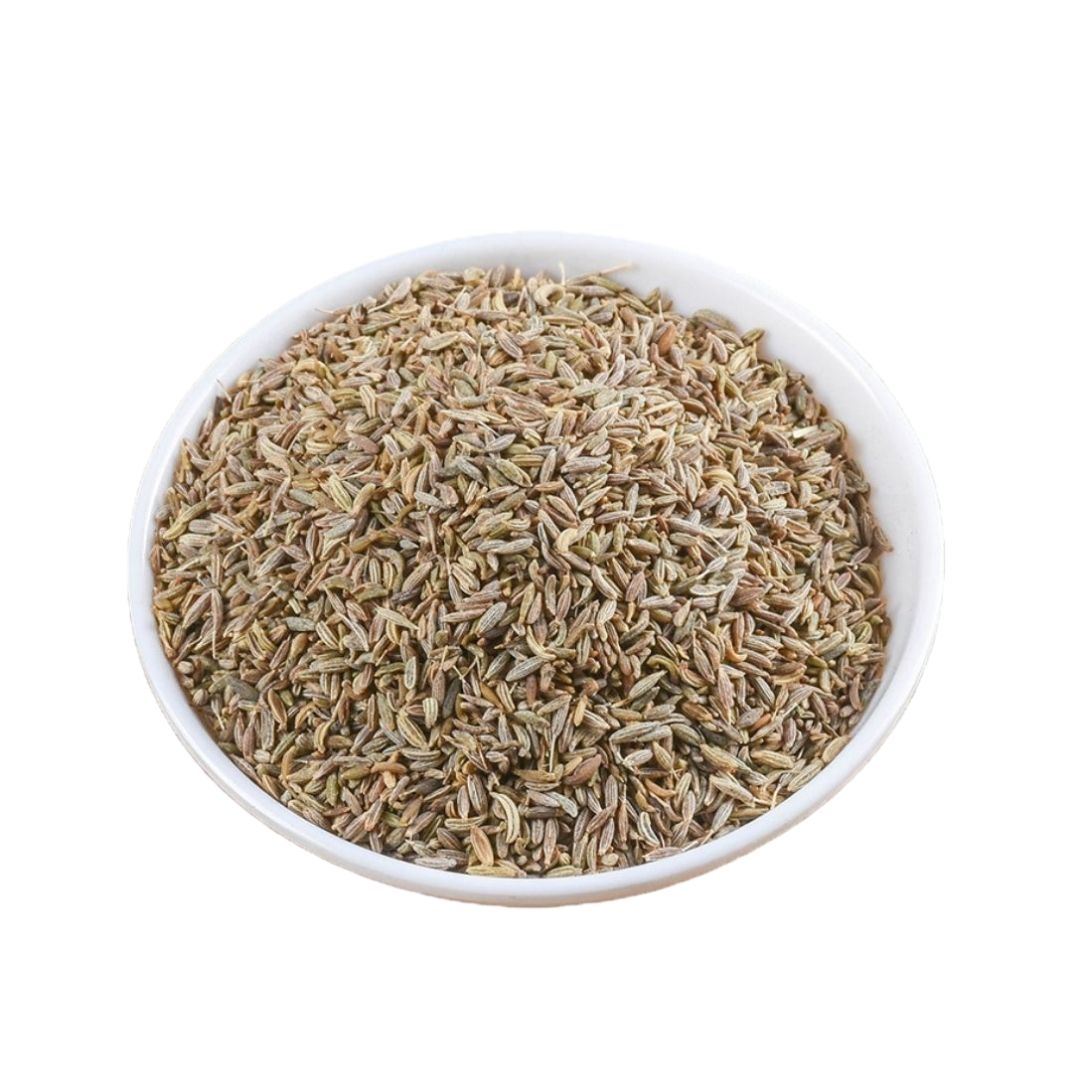
Qianlixiang, scientifically known as Murraya euchrestifolia, is a spice derived from the dried leaves of the Murraya plant. Native to regions of Southeast Asia, particularly in southern China, this spice is highly valued for its intense and complex aromatic profile. The leaves, once dried, release a potent fragrance that is described as a blend of floral, citrus, and herbal notes, making it a distinctive ingredient in various culinary applications.
The use of Qianlixiang is deeply rooted in the local culinary traditions. It is particularly favored in the preparation of meat products, where its strong aroma can effectively mask undesirable odors and enhance the overall flavor. Additionally, it finds extensive use in seasoning blends, contributing a unique and appealing scent.
In traditional cooking, Qianlixiang is often incorporated into dishes that require a robust and lasting flavor profile. The chemical composition of Qianlixiang includes a variety of volatile aromatic compounds, such as terpenes and other aromatic hydrocarbons, which contribute to its unique scent, and complex flavor. These compounds are released upon drying and further enhanced by heat during cooking, providing a distinctive sensory experience.
Proper storage of Qianlixiang is crucial to maintaining its aromatic qualities. It should be kept in a cool, dry, and dark environment to prevent the evaporation of volatile compounds and to protect it from moisture and light, which can degrade its flavor and aroma over time.
Aromatic Chemical Composition
The aromatic profile of Qianlixiang is attributed to its rich composition of volatile organic compounds (VOCs). These compounds include various terpenes such as limonene, pinene, and other related compounds. Additional hydrocarbons and oxygenated compounds also contribute to the complex scent profile. The exact composition can vary based on geographical location, harvesting season, and drying methods.
What Types of Products Are Available?
Qianlixiang is primarily available in dried leaf form. These dried leaves can be found whole, crushed, or ground into a powder. The whole leaves are often used in slow-cooking applications where a gradual release of flavor is desired. Crushed leaves are suitable for quicker infusions, while the powdered form is ideal for seasoning blends, and direct incorporation into recipes where even distribution is needed.
Application Scenarios and Usage Dosage
Qianlixiang finds extensive application in the culinary field, particularly in meat processing, seasoning blends, and specific regional dishes. Its potent aroma makes it a valuable ingredient for enhancing flavor and masking undesirable odors.
In meat processing, Qianlixiang is commonly used to improve the sensory qualities of various meat products. For instance, in the production of sausages and cured meats, incorporating Qianlixiang, helps to impart a unique flavor profile that complements the savory notes of the meat. The recommended dosage in meat products typically ranges from 0.1% to 0.3% by weight, depending on the desired intensity of flavor.
In seasoning blends, Qianlixiang can be combined with other spices to create complex and aromatic seasonings. It pairs well with ingredients such as Sichuan peppercorns, star anise, and dried chili peppers, adding a layer of depth and complexity to the overall flavor profile. The inclusion of Qianlixiang in seasoning blends enhances their appeal, making them suitable for a wide range of dishes. The usage dosage in seasoning blends varies, but generally, Qianlixiang comprises 5% to 15% of the total blend by weight.
In specific regional dishes, Qianlixiang is considered a key ingredient. It's commonly used in braised dishes, soups, and stews, where its robust flavor can fully infuse into the dish during the cooking process. For example, in certain southern Chinese recipes, Qianlixiang is added to braised pork belly to balance the richness of the meat with its aromatic qualities. In these applications, the leaves are often added early in the cooking process to allow ample time for flavor extraction. A typical dosage for regional dishes is 1 to 3 grams of dried leaves per kilogram of ingredients.
For usage methods, the dried leaves can be used whole, crushed, or ground depending on the application. Whole leaves are ideal for slow-cooking methods like braising and stewing, while crushed leaves are better suited for quicker infusions. Ground Qianlixiang is perfect for direct incorporation into recipes where an even distribution of flavor is desired. When using whole or crushed leaves, it's recommended to remove them before serving the dish to avoid any potential bitterness.
Introduction to the Source Plant, Distribution, and Growing Environment
Murraya euchrestifolia is a member of the Rutaceae family, which also includes citrus plants. This evergreen shrub or small tree is native to Southeast Asia, with a notable presence in southern China. The plant is characterized by its glossy, dark green leaves and small, white, fragrant flowers.
The distribution of Murraya euchrestifolia is primarily concentrated in regions with warm, humid climates. These areas provide the ideal conditions for the plant to thrive, including sufficient rainfall, and well-drained soil. The plant is often found in forests, along hillsides, and in cultivated gardens.
The growing environment plays a crucial role in the development of the plant's aromatic properties. Adequate sunlight, proper soil composition, and consistent moisture levels are essential for promoting the synthesis of volatile compounds in the leaves. Farmers often cultivate Murraya euchrestifolia in shaded areas to prevent the leaves from scorching under intense sunlight, which can negatively impact their quality.
Harvesting, Processing, and Storage Preservation
The harvesting of Qianlixiang leaves typically occurs during the warmer months, when the leaves are at their peak aromatic potency. Mature leaves are carefully hand-picked to ensure that only the highest quality material is selected. The timing of the harvest can significantly affect the aroma, and flavor of the final product, with leaves harvested during specific periods yielding a more desirable profile.
Following harvesting, the leaves undergo a drying process to reduce their moisture content and preserve their aromatic compounds. Traditional drying methods involve spreading the leaves in thin layers under the sun or in well-ventilated areas. Modern techniques may utilize controlled-temperature drying chambers to expedite the process while maintaining optimal quality. The drying process typically takes several days, during which the leaves gradually lose moisture and develop their characteristic aroma.
Once the leaves are thoroughly dried, they are sorted and graded based on their size, color, and aroma. Damaged, or discolored leaves are removed to ensure that only the best quality leaves are packaged for sale. Proper storage is essential to preserve the quality, and aroma of Qianlixiang. The dried leaves should be stored in airtight containers in a cool, dry, and dark place. Exposure to moisture, light, or heat can cause the volatile aromatic compounds to degrade, diminishing the leaves’ flavor, and aroma over time.
Citations:
- Chen, H., et al. "Chemical composition and antimicrobial activity of essential oil from Murraya euchrestifolia." Industrial Crops and Products, vol. 30, no. 3, 2009, pp. 341-346.
- Li, R., et al. "Volatile constituents of Murraya euchrestifolia Hayata and their chemotaxonomic significance." Journal of Essential Oil Research, vol. 22, no. 3, 2010, pp. 256-260.
- Zhang, Y., et al. "Analysis of volatile components in Murraya euchrestifolia by GC-MS." Journal of Chinese Medicinal Materials, vol. 35, no. 10, 2012, pp. 1621-1624.
Mia Wu

Hi, I’m Mia Wu! I love helping customers discover the best natural ingredients for their products. With a passion for herbs, spices, and fungi, I work to make sure you get only the finest raw materials. Let's grow together! 🌱✨