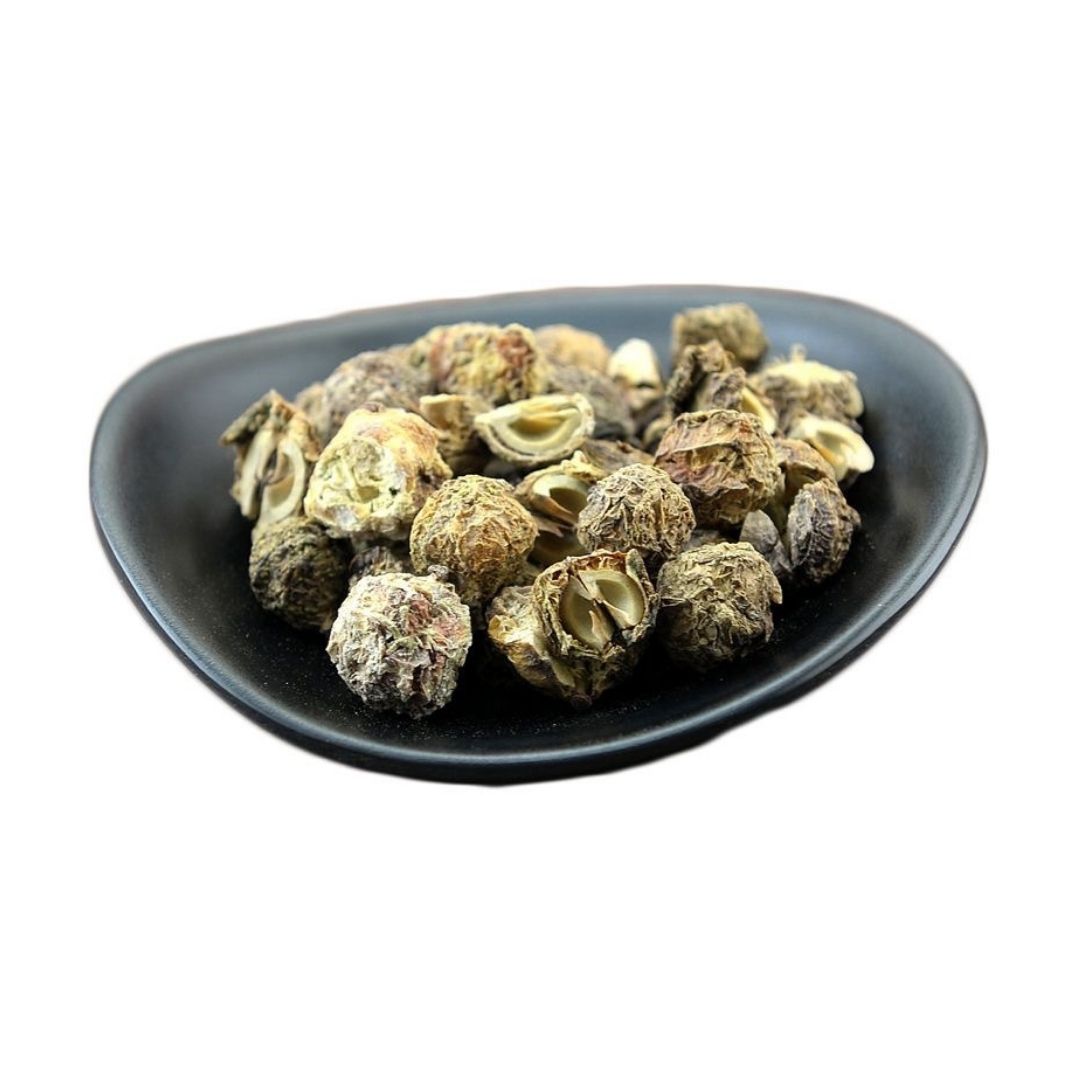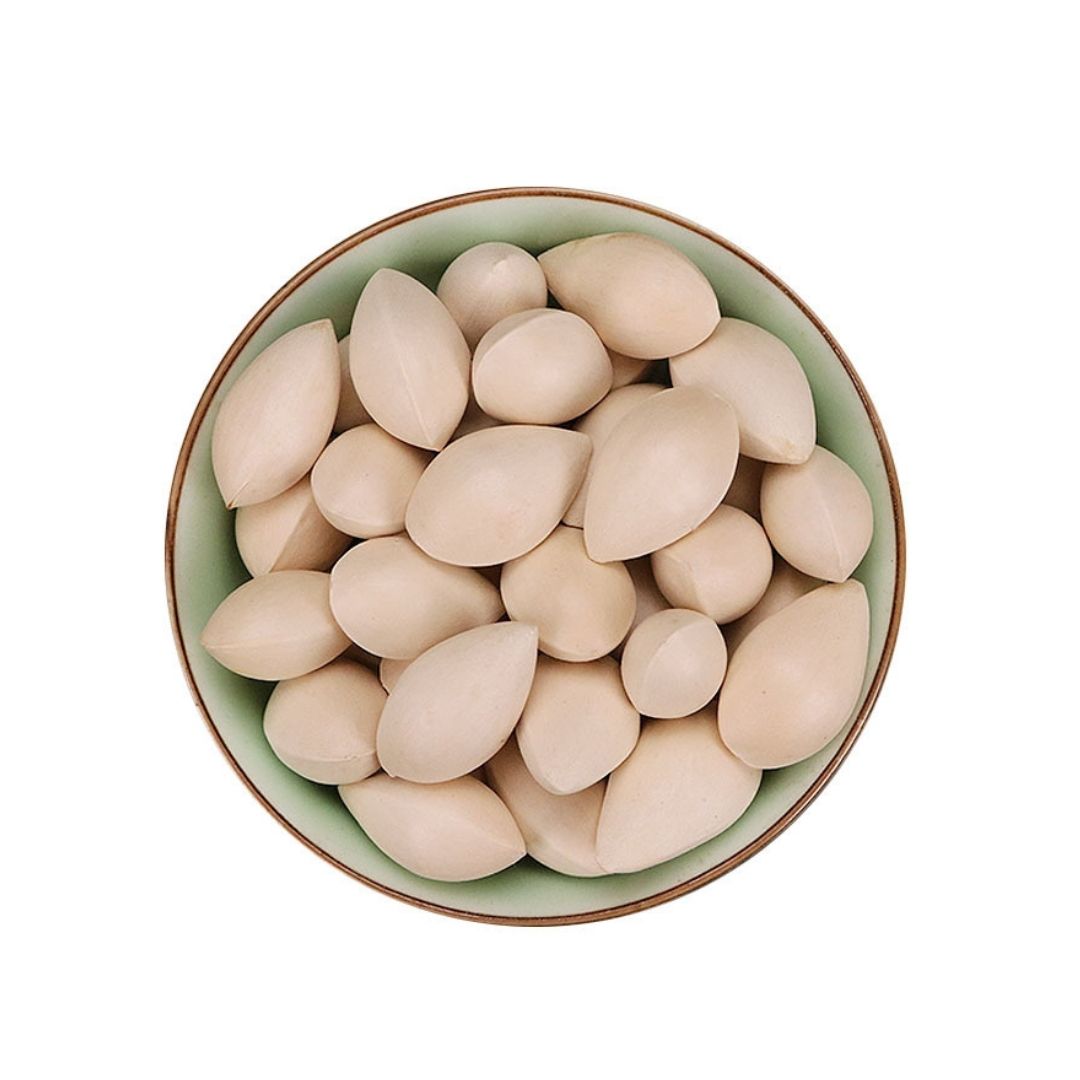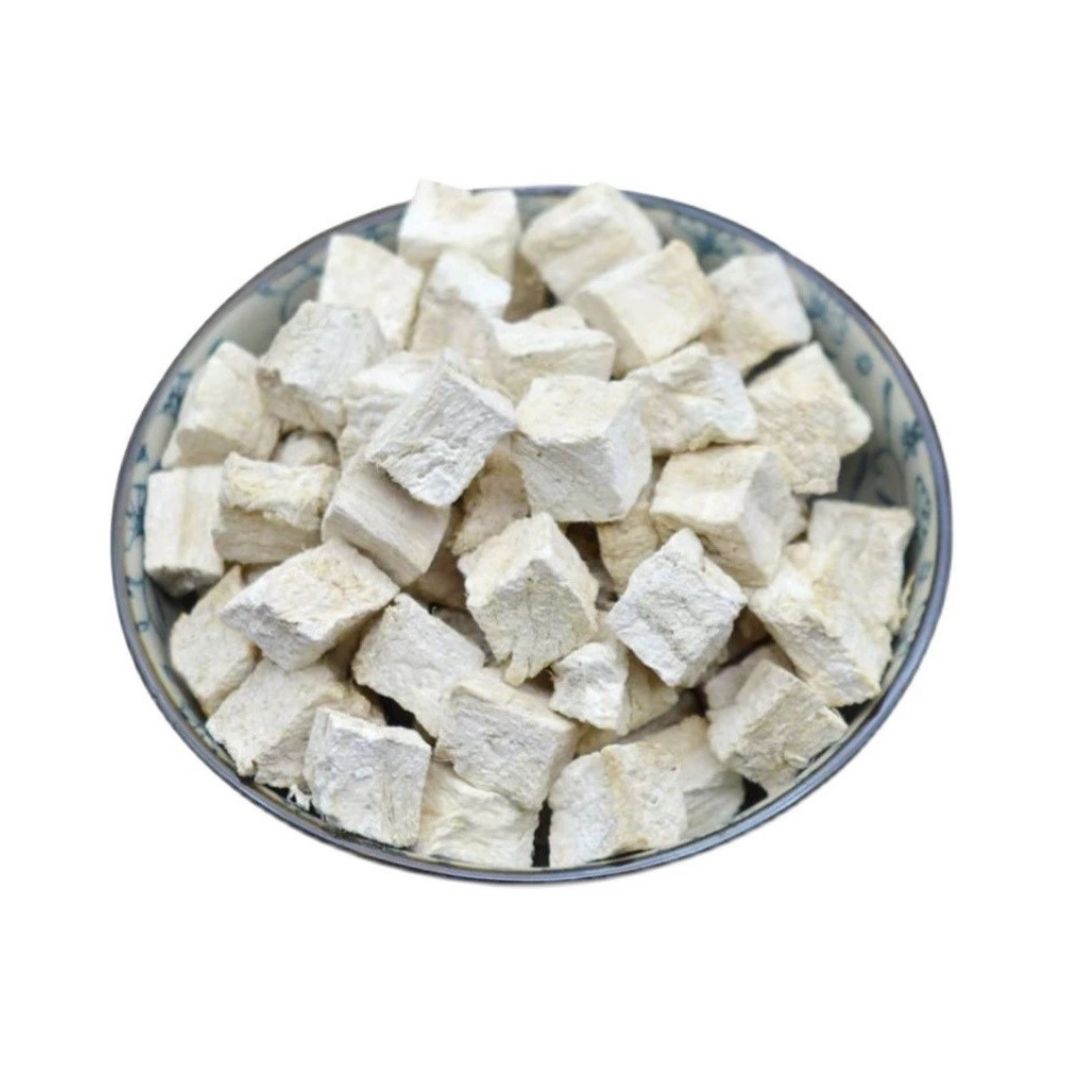


Product Introduction
Pueraria thomsonii is a perennial climbing vine mainly recognized for its medicinal roots. It has been utilized in traditional practices, particularly in Eastern cultures, for hundreds of years. The plant's root is the primary part used, and it’s valued for its various therapeutic properties, including its ability to address symptoms like thirst, fever, and muscle stiffness.
Main Active Ingredients
The root of Pueraria thomsonii contains several active components, with isoflavones being the most prominent. Puerarin is one of the major isoflavones, and it is believed to contribute significantly to the therapeutic effects. These isoflavones are similar in structure to human hormones, allowing them to interact with the body's endocrine system. Other active ingredients include daidzin and daidzein, which also offer potential health benefits.
Product Application Scenarios, Usage, and Dosage
Pueraria thomsonii is used in a variety of scenarios, these include, managing fever. It can also be utilized to alleviate muscle tension, especially in the neck and shoulders. The herb is often administered orally, typically in the form of a decoction, powder, or extract. The appropriate dosage varies depending on the condition being treated, and the individual's health status. A typical dosage might range from 9 to 15 grams per day when used in traditional herbal formulas [1]. Consulting with a healthcare professional ensures safe and effective use.
Introduction to the Source Plant, Distribution, and Growth Environment
Pueraria thomsonii is native to Southeast Asia, including regions of China and Thailand. The plant thrives in mountainous areas and along roadsides, generally preferring well-drained soils, along with moderate sunlight. It is a vigorous climber, it can grow up to several meters in length, often covering other vegetation. The plant has trifoliate leaves and produces clusters of pea-like flowers, which are typically purple or bluish in color.
Harvesting, Processing, and Storage
The roots of Pueraria thomsonii are typically harvested in the autumn or winter, when the plant's active components are most concentrated [2]. After harvesting, the roots are washed, sliced, and then dried, either in the sun or using mechanical dryers. Proper drying is crucial to prevent mold growth and to preserve the herb's medicinal properties. Dried roots should be stored in a cool, dry place, away from direct sunlight and moisture, to maintain their potency and prevent degradation.
Citations:
[1] Chen, J. K., & Chen, T. T. (2004). Chinese Medical Herbology and Pharmacology. Art of Medicine Press.
[2] Bensky, D., Gamble, A., & Kaptchuk, T. J. (1993). Chinese Herbal Medicine: Materia Medica. Eastland Press.
Mia Wu

Hi, I’m Mia Wu! I love helping customers discover the best natural ingredients for their products. With a passion for herbs, spices, and fungi, I work to make sure you get only the finest raw materials. Let's grow together! 🌱✨