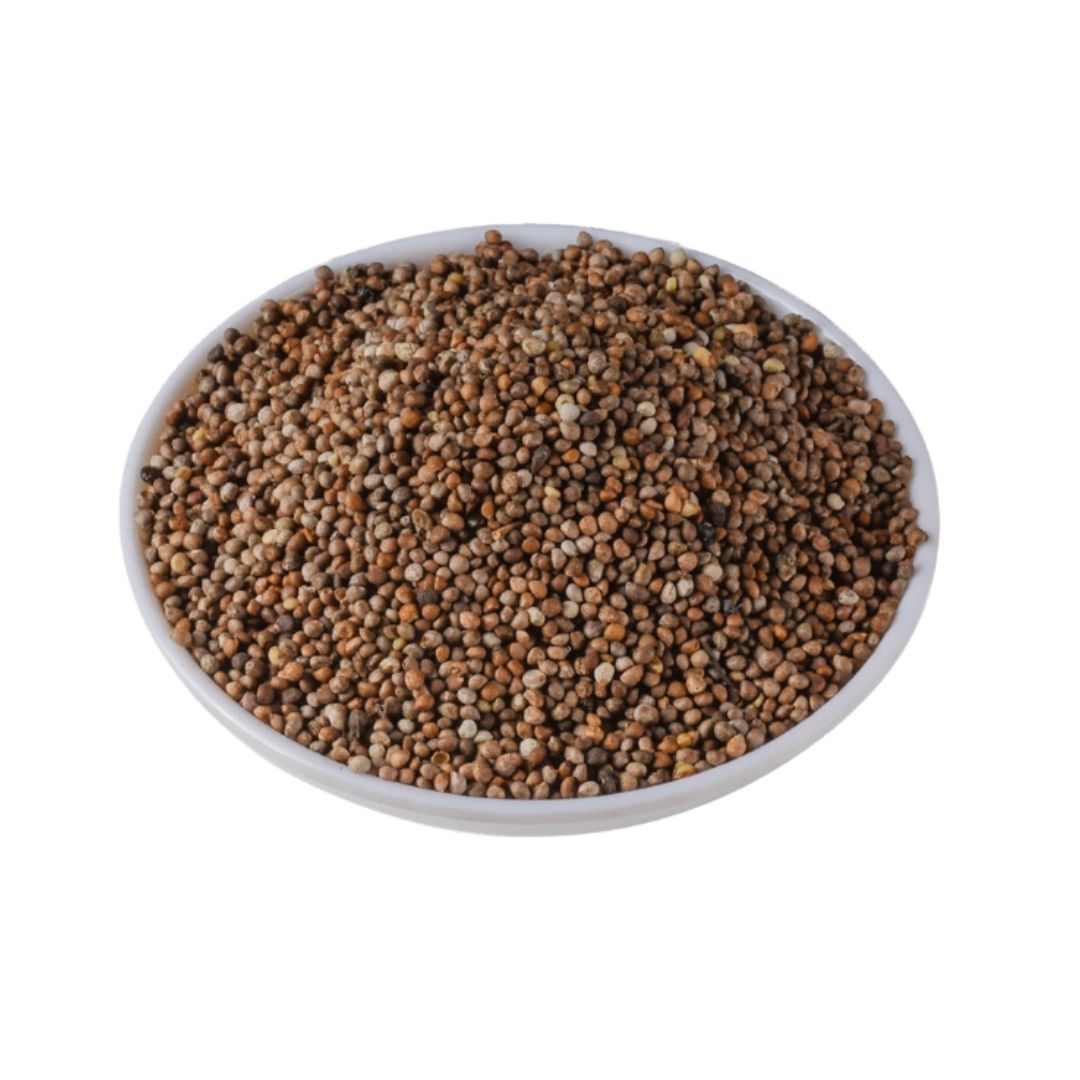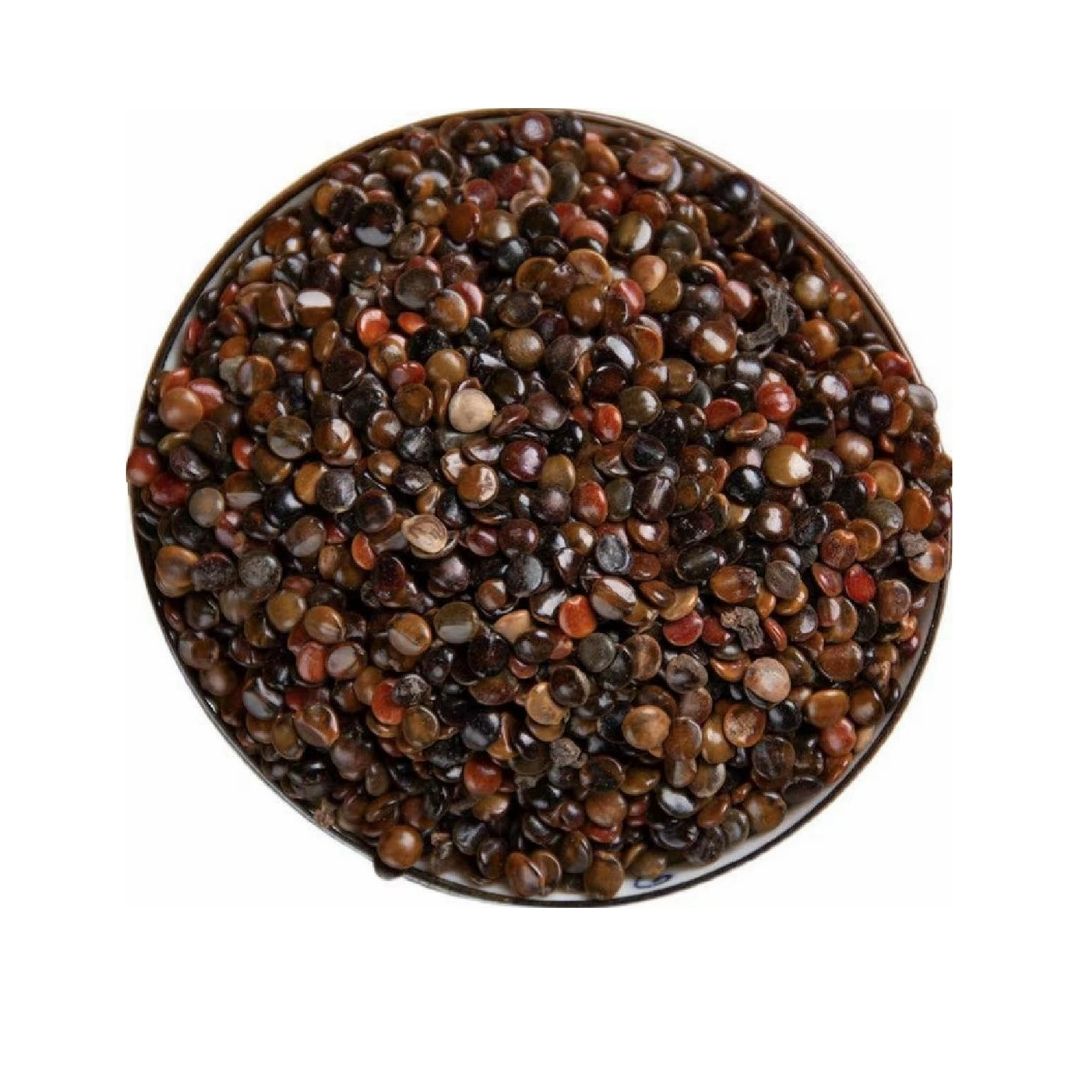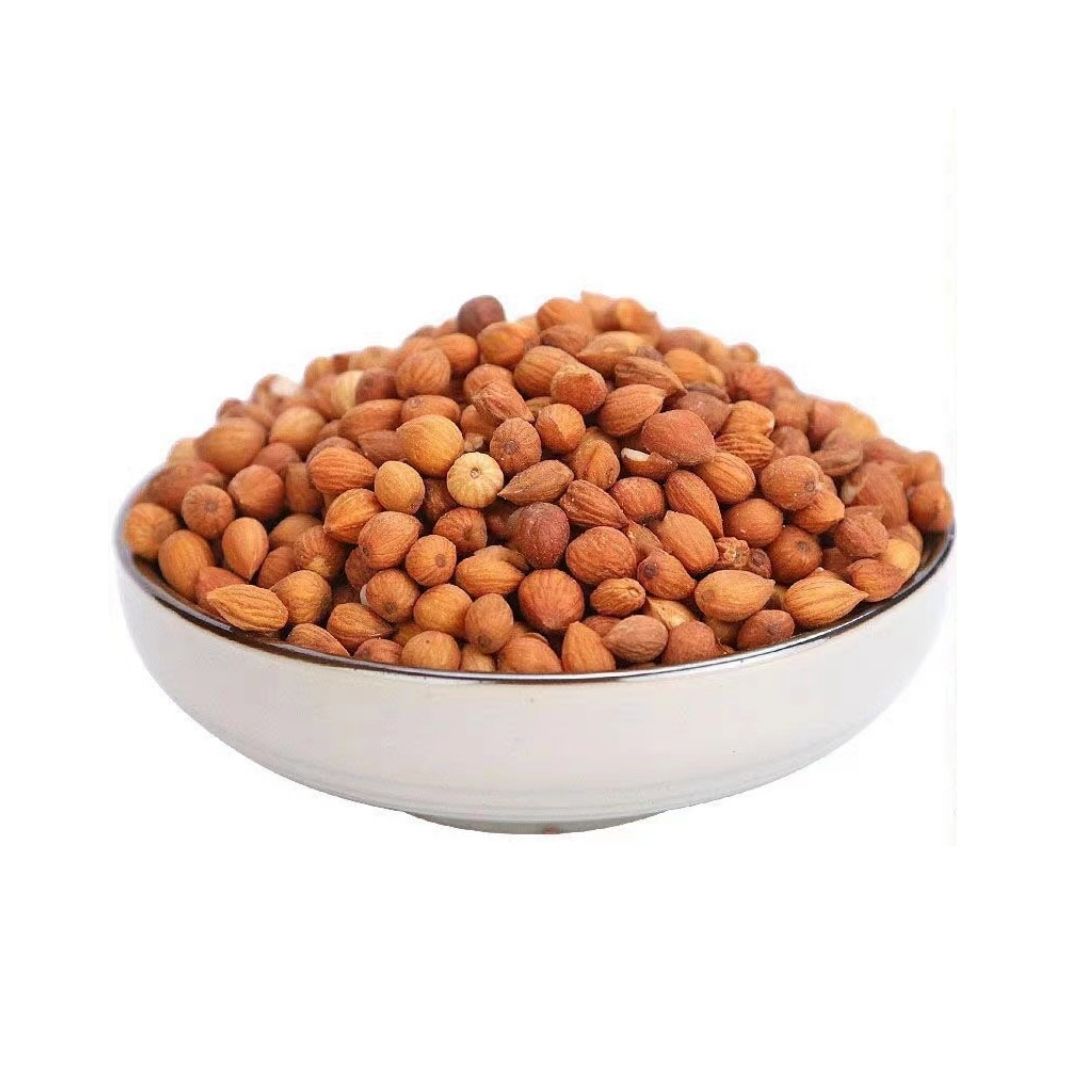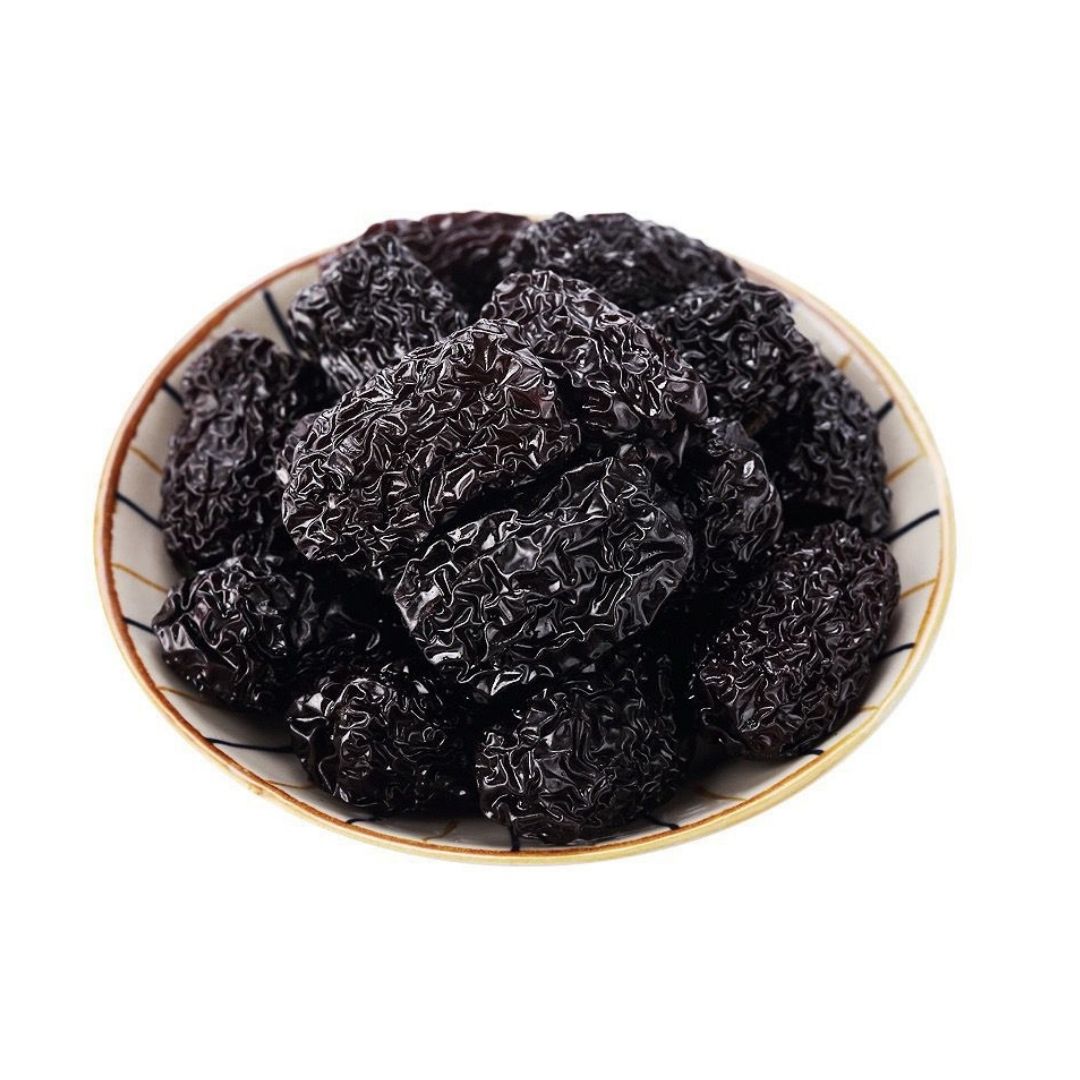


Product Introduction
Portulaca oleracea, commonly known as purslane, is a succulent plant that has been used both as a food source and in traditional medicine. It is found worldwide and is known for its nutritional benefits and medicinal properties. The plant is a common weed in many areas, yet it is also cultivated for its edible leaves and stems. It has a long history of use in various cultures for treating a range of ailments.
Main Active Ingredients
The main active ingredients in Portulaca oleracea include omega-3 fatty acids, such as alpha-linolenic acid, which are beneficial for cardiovascular health. It also contains various vitamins, including vitamin A, vitamin C, and vitamin E, which act as antioxidants. Minerals such as magnesium, calcium, and potassium are also present. Additionally, it contains betalain pigments, which have antioxidant and anti-inflammatory properties. The combination of these components contributes to the herb's therapeutic effects.
Product Application Scenarios, Usage, and Dosage
Portulaca oleracea is often employed for its heat-clearing and detoxifying properties, addressing conditions like skin infections and inflammations. Traditionally, it can be used to cool the blood and stop bleeding. It can be consumed as a fresh vegetable in salads or cooked as a leafy green. The typical dosage when used as a medicinal herb varies, but generally, fresh purslane can be taken in amounts ranging from 30 to 60 grams daily, while the dried herb is used in smaller quantities, usually around 9 to 15 grams, depending on the specific application and the guidance of a healthcare provider.
Introduction to the Source Plant, Distribution, and Growth Environment
Portulaca oleracea L.is a plant belonging to the Portulacaceae family. It is characterized by its smooth, reddish stems and fleshy, oval-shaped leaves. The plant is native to the Middle East and India but has naturalized worldwide, thriving in a variety of environments. It is commonly found in gardens, cultivated fields, and along roadsides. Purslane prefers well-drained soils and full sunlight, but it can tolerate poor soil conditions and drought.
Harvesting, Processing, and Storage
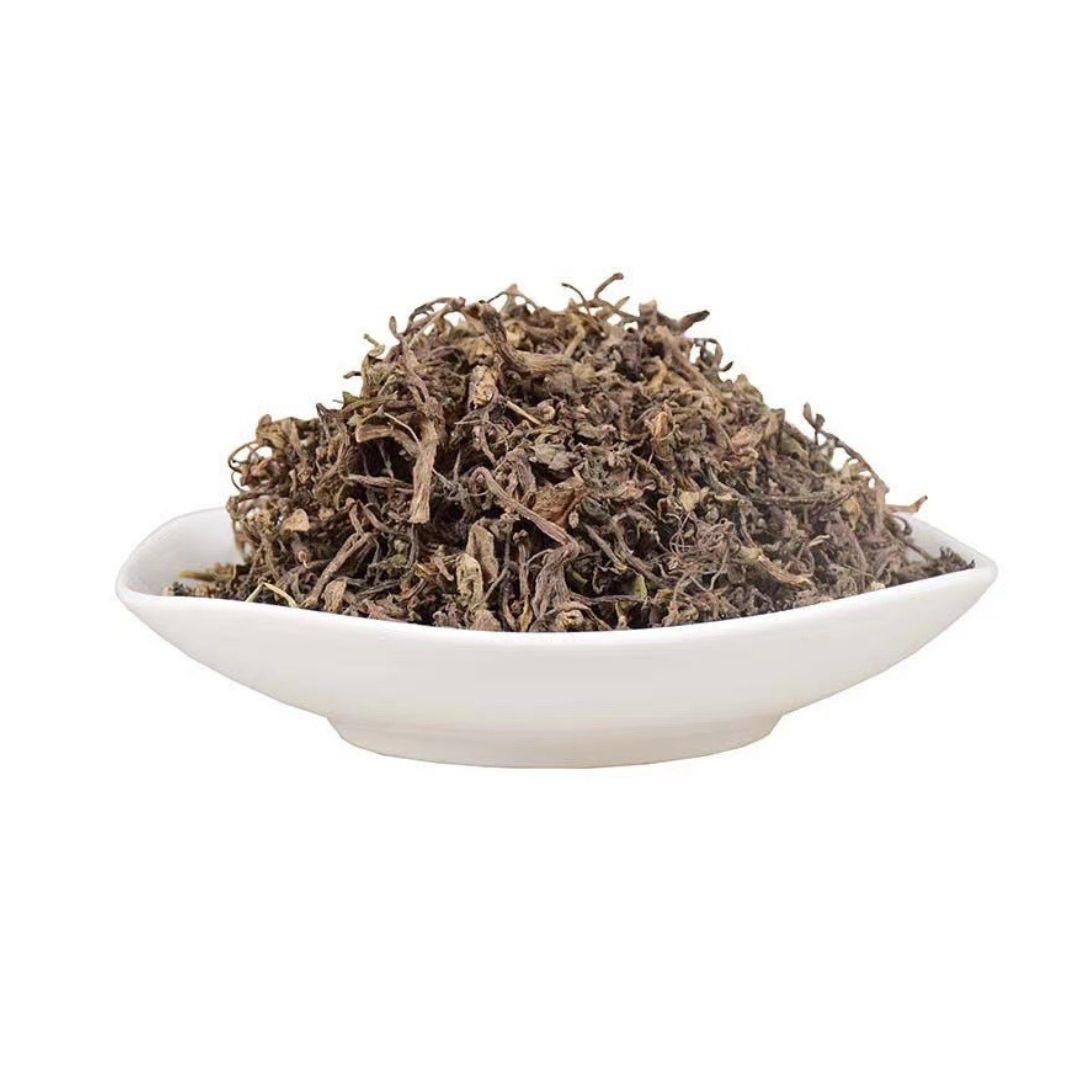
The plant is typically harvested during the summer months when it is in full growth. The entire plant can be harvested, including the stems and leaves. After harvesting, it should be cleaned to remove any dirt or debris. For fresh use, it can be used immediately in salads or cooking, the plant also can be dried for later use. When drying, spread the purslane in a thin layer in a cool, dark, and well-ventilated area. Once dried, store it in an airtight container in a cool, dry place away from direct sunlight to preserve its medicinal properties.
Citations
- Simopoulos, A. P., & Artemis, P. S. (1992). Purslane: A terrestrial source of omega-3 fatty acids. New England Journal of Medicine, 326(4), 283-283.
- Uddin, M. K., Juraimi, A. S., Ali, M. E., & Ismail, M. R. (2012). Portulaca oleracea L.: a review of phytochemistry and pharmacological effects. Scientific World Journal, 2012.
- Duke, J. A. (1992). Handbook of edible plants. CRC press.
Mia Wu

Hi, I’m Mia Wu! I love helping customers discover the best natural ingredients for their products. With a passion for herbs, spices, and fungi, I work to make sure you get only the finest raw materials. Let's grow together! 🌱✨