

Product Introduction
Polygonati Rhizoma is a well-regarded herb in traditional Chinese medicine (TCM), valued for its nourishing and restorative properties. This herb is primarily used to address conditions related to Yin deficiency, which can manifest as dryness, fatigue, and weakened immunity. The rhizome is prepared through careful harvesting and processing methods to preserve its therapeutic qualities. It has been used for centuries in various herbal formulas.
Main Active Ingredients
The therapeutic effects of Polygonati Rhizoma are attributed to its complex blend of active compounds. Polysaccharides are significant, contributing to the herb’s immune-modulating and antioxidant effects. Flavonoids, also present, further enhance its antioxidant capabilities and provide protective effects against cellular damage. Steroidal saponins contribute to its adaptogenic properties, helping the body manage stress and maintain balance[3].
Product Application Scenarios, Usage, and Dosage
Polygonati Rhizoma is versatile in its application, often prescribed for individuals experiencing symptoms such as dry coughs, fatigue, and diminished appetite. It is commonly used in formulas aimed at nourishing the lungs and kidneys, addressing imbalances believed to cause these symptoms. The typical dosage ranges from 10 to 15 grams, usually administered in decoction form. It can also be found in various herbal supplements and patent medicines[4].
Introduction to the Source Plant, Distribution, and Growth Environment
Polygonatum sibiricum, Polygonatum cyrtonema, and Polygonatum kingianum, the plants from which Polygonati Rhizoma is derived, are perennial herbs native to regions of Asia. These plants thrive in shaded, moist environments, often found in forests and along stream banks. They are primarily distributed across China, with each species having a slightly different geographical range. The plants are characterized by their creeping rhizomes and arching stems, which contribute to their ability to spread and colonize suitable habitats[5].
Harvesting, Processing, and Storage
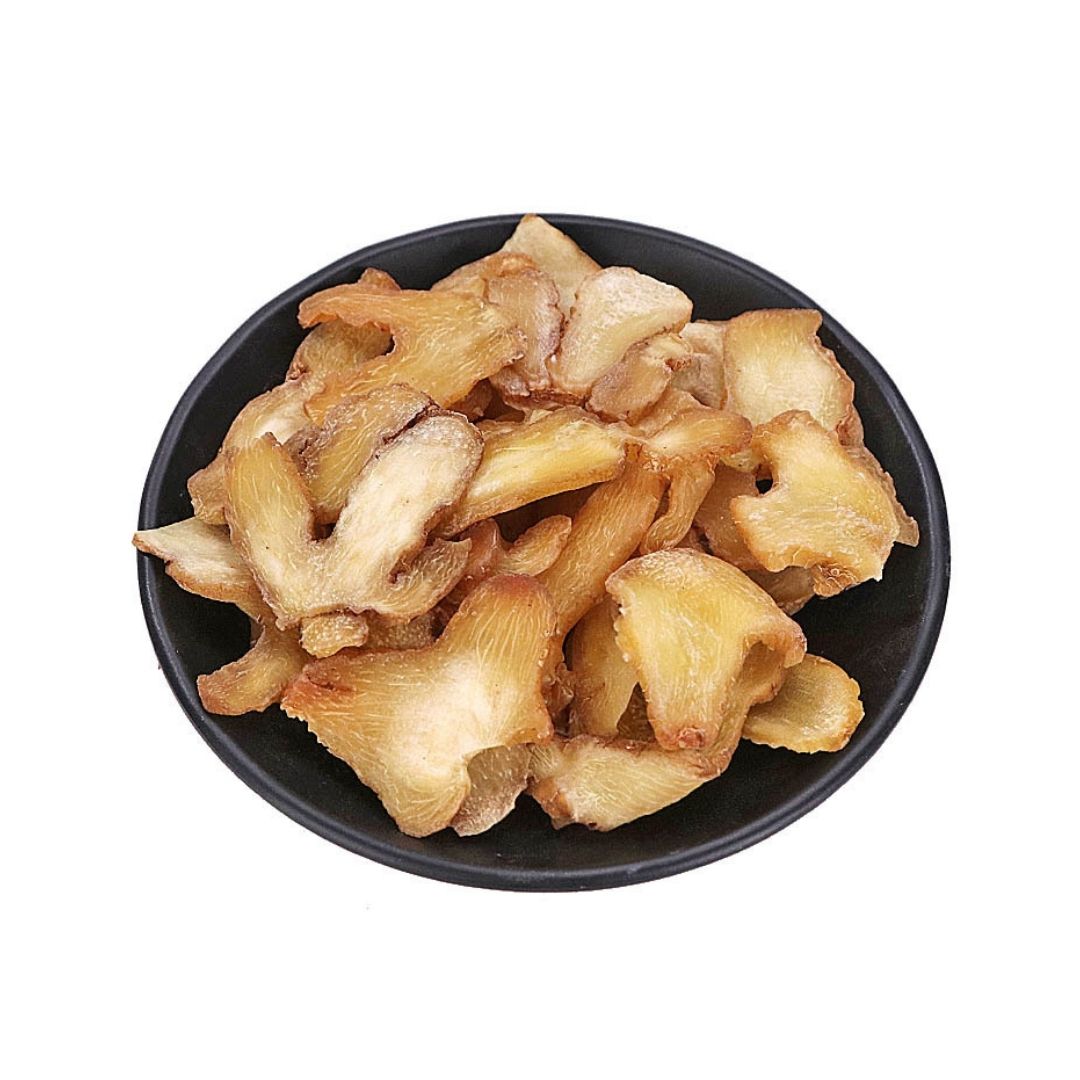
The harvesting of Polygonati Rhizoma typically occurs in the autumn or early spring, when the plants are dormant and the rhizomes are richest in active compounds. The rhizomes are carefully dug up, cleaned, and then either sun-dried or dried using low-heat methods to prevent degradation of their medicinal properties. Once dried, they are sliced and prepared for use in herbal formulations. Proper storage involves keeping the dried rhizomes in airtight containers, away from direct sunlight and moisture, to ensure their potency and longevity[6].
Citations:
- 中国药典委员会. (2020). 中华人民共和国药典. 中国医药科技出版社.
- He, X., Fang, J., Guo, L., & Huang, L. (2015). Polygonatum sibiricum: A comprehensive review of its traditional uses, phytochemistry, pharmacology, and toxicology. Journal of Ethnopharmacology, 168, 161-181.
- 中华本草编委会. (1999). 中华本草. 上海科学技术出版社.
- Bensky, D., Gamble, A., & Kaptchuk, T. J. (1993). Chinese Herbal Medicine: Materia Medica. Eastland Press.
- Flora of China Editorial Committee. (2000). Flora of China. Science Press and Missouri Botanical Garden Press.
- Yeung, H. C. (1985). Handbook of Chinese Herbs and Formulas. Institute of Chinese Medicine, Los Angeles.
Mia Wu

Hi, I’m Mia Wu! I love helping customers discover the best natural ingredients for their products. With a passion for herbs, spices, and fungi, I work to make sure you get only the finest raw materials. Let's grow together! 🌱✨