

Product Introduction
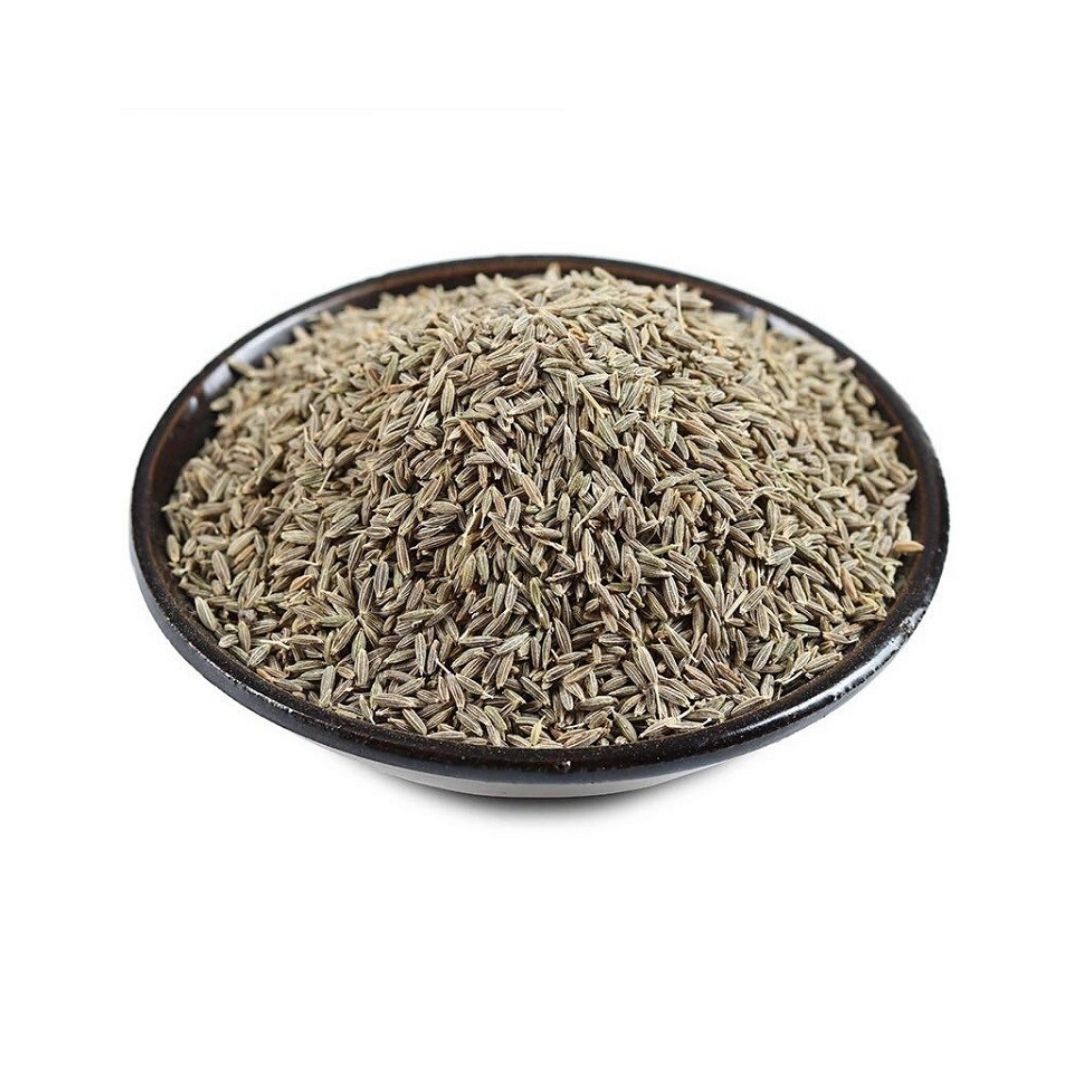
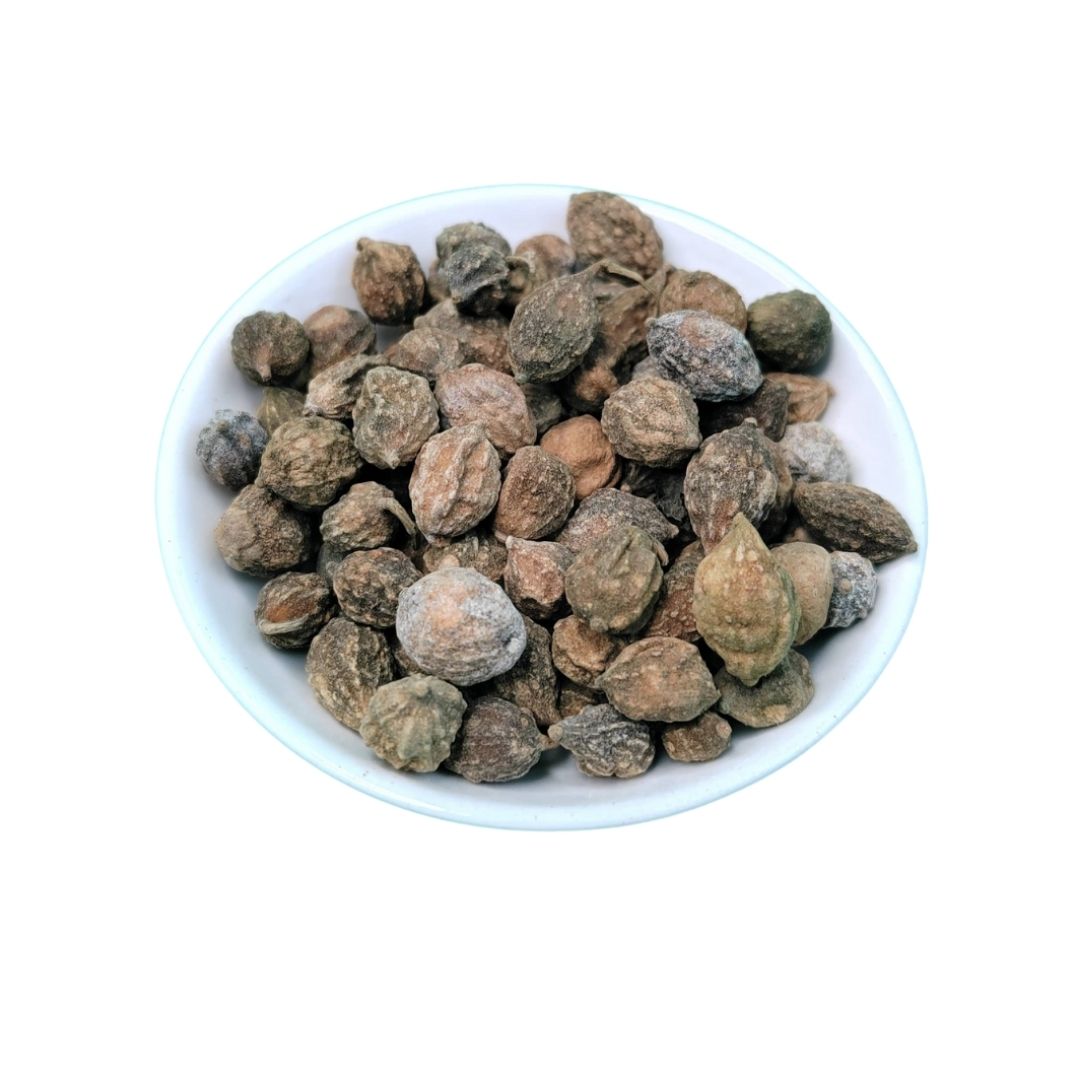
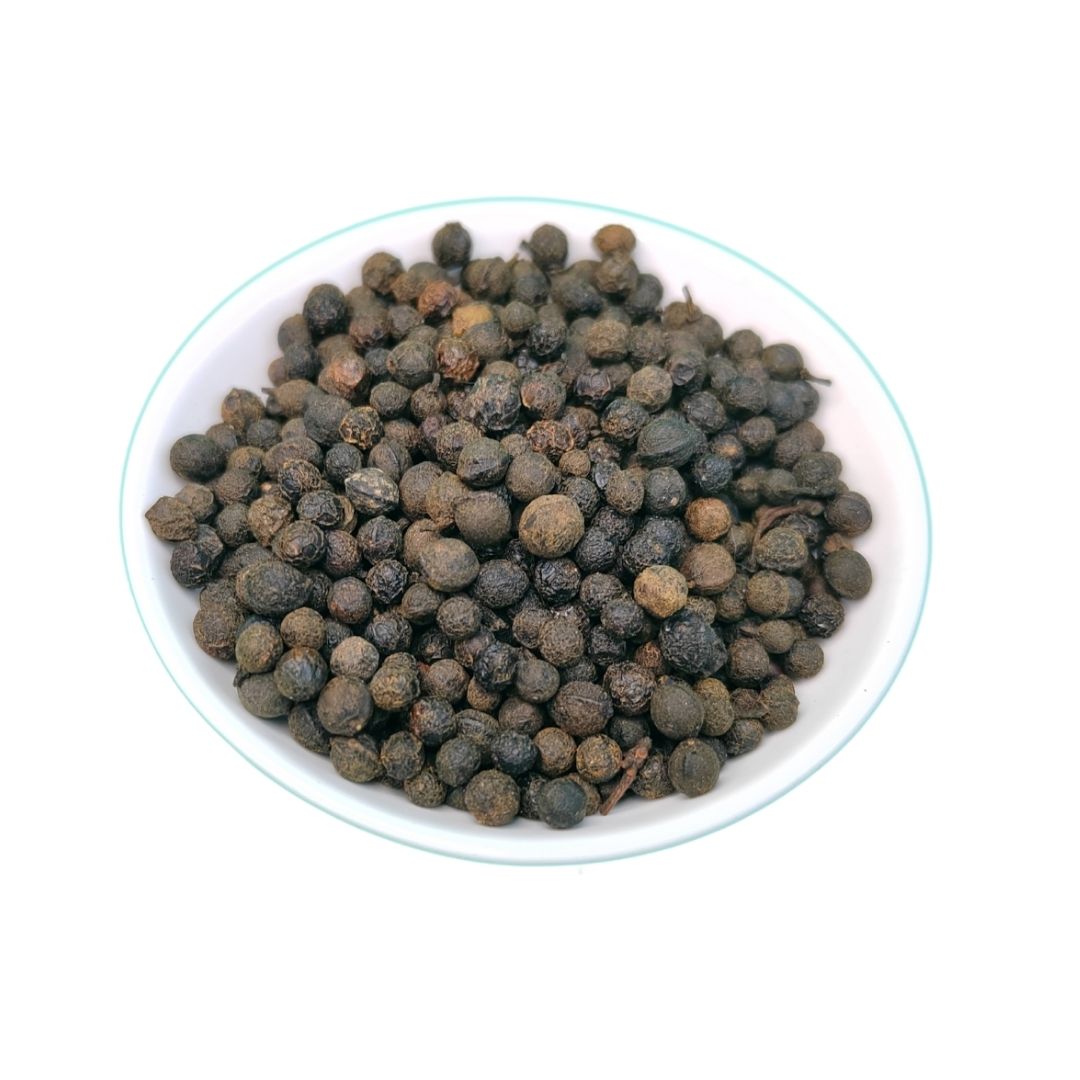
Cubeb, scientifically known as Piper cubeba, is a spice derived from the dried berries of a plant belonging to the pepper family, Piperaceae. Native to Indonesia, particularly Java and Sumatra, cubeb has a long history of use in both culinary and traditional medicine applications. The berries are harvested before they are fully ripe and then dried, resulting in a wrinkled appearance and a blackish-brown color.
The primary chemical constituents of cubeb include cubebol, cubebene, sabinene, and caryophyllene, which contribute to its distinctive aroma and flavor profile. The aroma of cubeb is often described as pungent and peppery, with a slightly bitter undertone. In terms of flavor, it offers a warm, slightly bitter taste that lingers on the palate.
Cubeb has found diverse applications across various fields. In the culinary world, it is used as a spice to add depth and complexity to dishes. Historically, it has also been employed in traditional medicine for its purported antiseptic, anti-inflammatory, and diuretic properties. Furthermore, cubeb is utilized as a flavoring agent in certain food and beverage products.
Aromatic Chemical Composition
The aromatic chemical composition of cubeb is complex, featuring a variety of volatile organic compounds that contribute to its unique sensory properties. Key constituents include:
- Cubebol: A sesquiterpene alcohol that is considered one of the main contributors to cubeb's characteristic aroma. [1]
- Cubebene: Another prominent sesquiterpene, contributing peppery and woody notes. [2]
- Sabinene: Adds a fresh, woody, and slightly citrusy nuance.
- Caryophyllene: Provides spicy and woody undertones, also known for potential anti-inflammatory properties.[3]
The specific ratio of these compounds, along with other minor constituents, determines the overall aroma profile of cubeb, influenced by factors such as geographical origin, harvesting practices, and drying methods.
What Types of Products Are Available?
Cubeb is available in several product forms to meet various applications:
- Whole Cubeb Berries: The dried, whole berries are the most traditional form. These can be ground fresh for immediate use or infused in liquids.
- Ground Cubeb: Pre-ground cubeb is convenient for direct addition to recipes, ensuring consistent flavor distribution.
- Cubeb Essential Oil: Extracted via steam distillation, cubeb essential oil is used in aromatherapy, perfumery, and flavoring applications.
- Cubeb Oleoresin: A concentrated extract containing both volatile and non-volatile components, offering a more intense flavor profile for food manufacturing.
Application Scenarios and Usage Dosage
In the culinary field, cubeb's unique flavor profile—a blend of peppery, warm, and slightly bitter notes—makes it a versatile spice for a variety of dishes. It is particularly well-suited to dishes where a subtle, complex spiciness is desired.
- Meat Dishes: Cubeb can be used as a rub or marinade for meats like beef, lamb, and game. Its warm, peppery notes complement the richness of the meat, adding depth and complexity. A typical dosage would be around 0.5-1% of the meat's weight. For example, a 1 kg roast could benefit from 5-10g of ground cubeb.
- Spice Blends: Cubeb is often included in complex spice blends, such as those used in Moroccan tagines or Indian curries. It contributes a subtle, but distinctive, note that enhances the overall aroma and flavor of the blend. The proportion of cubeb in these blends can vary widely, but it is generally used in smaller amounts compared to more common spices like cumin or coriander. A typical spice blend might contain 5-10% cubeb.
- Sauces and Stews: Ground cubeb can be added to sauces and stews to impart a warm, peppery flavor. It pairs well with tomato-based sauces, cream sauces, and hearty stews. A small pinch of ground cubeb—about 0.25-0.5% of the total volume—can add a noticeable depth of flavor.
- Baked Goods: In some culinary traditions, cubeb is used in small amounts in baked goods, such as gingerbread or spice cakes. Its warm, peppery notes add a subtle complexity to the sweetness of the baked goods. The dosage should be very conservative, typically no more than 0.1-0.2% of the total flour weight, to avoid overpowering the other flavors.
- Beverages: Cubeb can be used to flavor beverages, such as gin or spiced wines. Its unique flavor profile adds an interesting twist to these drinks. For gin production, cubeb berries can be macerated in the alcohol along with other botanicals. For spiced wines, a few whole cubeb berries can be added to the simmering wine.
- Traditional Dishes: Cubeb is notably traditional in North African cuisine, particularly in Moroccan tagines, where it provides a warm, aromatic base note. In Indonesian cuisine, the origin of the spice, it is sometimes used in spice pastes for meat and vegetable dishes.
When using cubeb, it is important to consider its relatively strong flavor. It is generally best to start with a small amount and adjust to taste. Whole cubeb berries can be ground fresh using a spice grinder or mortar and pestle for optimal flavor release. Ground cubeb should be stored in an airtight container away from light and heat to preserve its aroma and flavor.
Introduction to the Source Plant, Distribution, and Growing Environment
Piper cubeba is a perennial vine native to Indonesia. The plant thrives in tropical climates with high humidity and well-drained soil.
It is commercially cultivated in Indonesia, particularly in Java and Sumatra. The plant requires support structures such as trees or trellises to climb.
Harvesting, Processing, and Storage Preservation
Cubeb berries are typically harvested before they are fully ripe, usually when they are still green but have reached their full size. The harvesting process is often done manually to ensure that only the best quality berries are selected. Timing is crucial, as the berries develop their characteristic aroma and flavor compounds as they mature.
After harvesting, the berries are dried, traditionally under the sun. The drying process can take several days to a week, depending on the weather conditions. During this time, the berries turn from green to a dark brown or black color and develop their characteristic wrinkled appearance. Proper drying is essential to prevent mold growth and ensure the preservation of the spice's flavor and aroma.
Once dried, cubeb berries are sorted and cleaned to remove any debris or impurities. They are then packaged for storage and distribution. To maintain their quality, cubeb berries should be stored in a cool, dry, and dark place. Exposure to light, heat, and moisture can degrade the spice's volatile oils, leading to a loss of flavor and aroma. Properly stored cubeb berries can maintain their quality for several years.
Citations
- Mookherjee, B.D.; Trenkle, R.W. Nitrogen-containing aroma compounds of foods and beverages. ACS Symposium Series; American Chemical Society: Washington, DC, 1986; Vol. 317, pp 75–94.
- Ozturk, N.; Ozbek, H.; Erdogan, D.; Ozturk, E.; Yayli, N. In vivo anti-inflammatory activity of cubenol and cubebene from the fruits of Piper cubeba L. J. Ethnopharmacol. 2006, 103, 147–150.
- da Silva, J. K., Figueiredo, P. L., Báo, S. N., & Kaplan, M. A. C. (2018). Chemical composition and free radical scavenging activity of essential oils from Piper species. PloS one, 13(4), e0195152.
Mia Wu

Hi, I’m Mia Wu! I love helping customers discover the best natural ingredients for their products. With a passion for herbs, spices, and fungi, I work to make sure you get only the finest raw materials. Let's grow together! 🌱✨