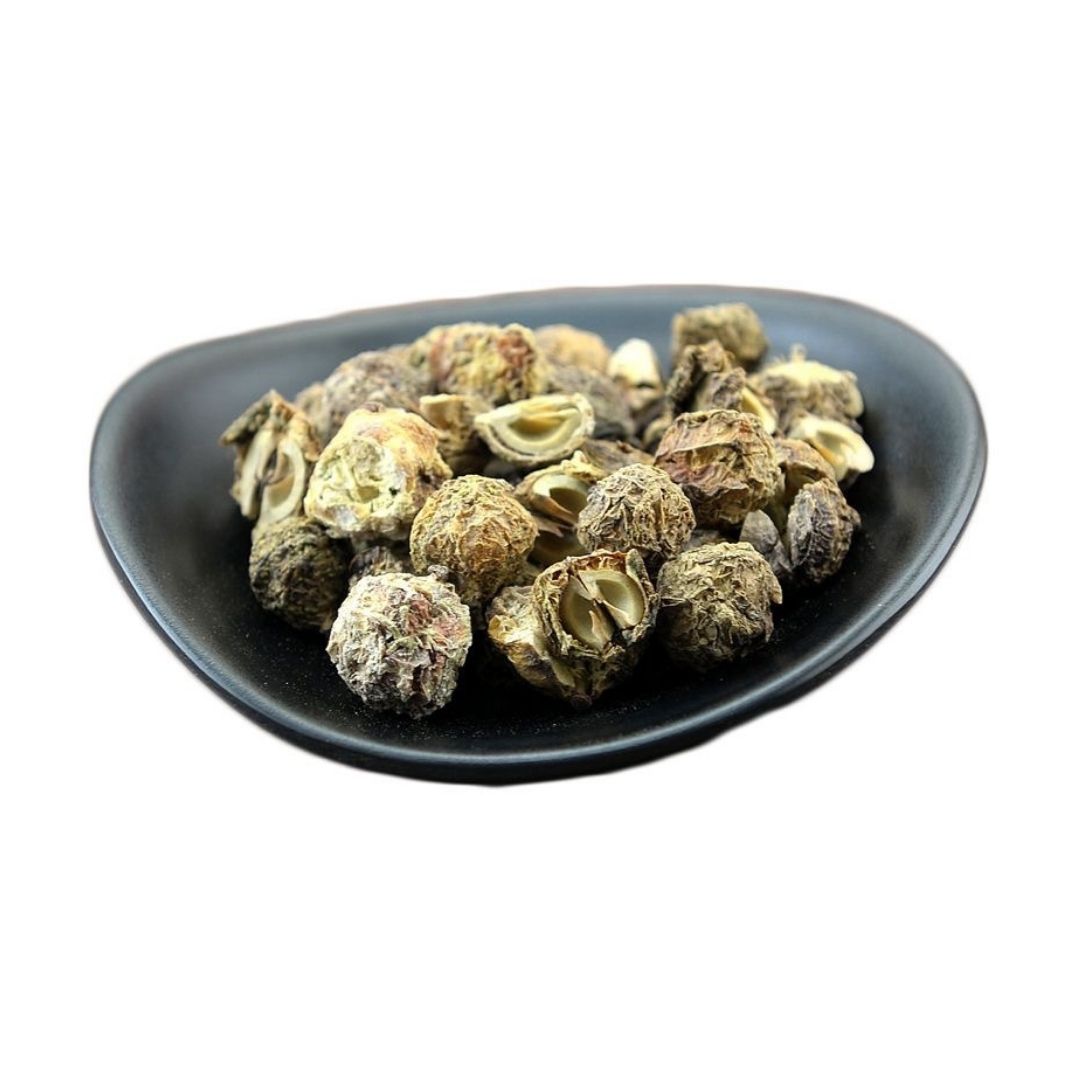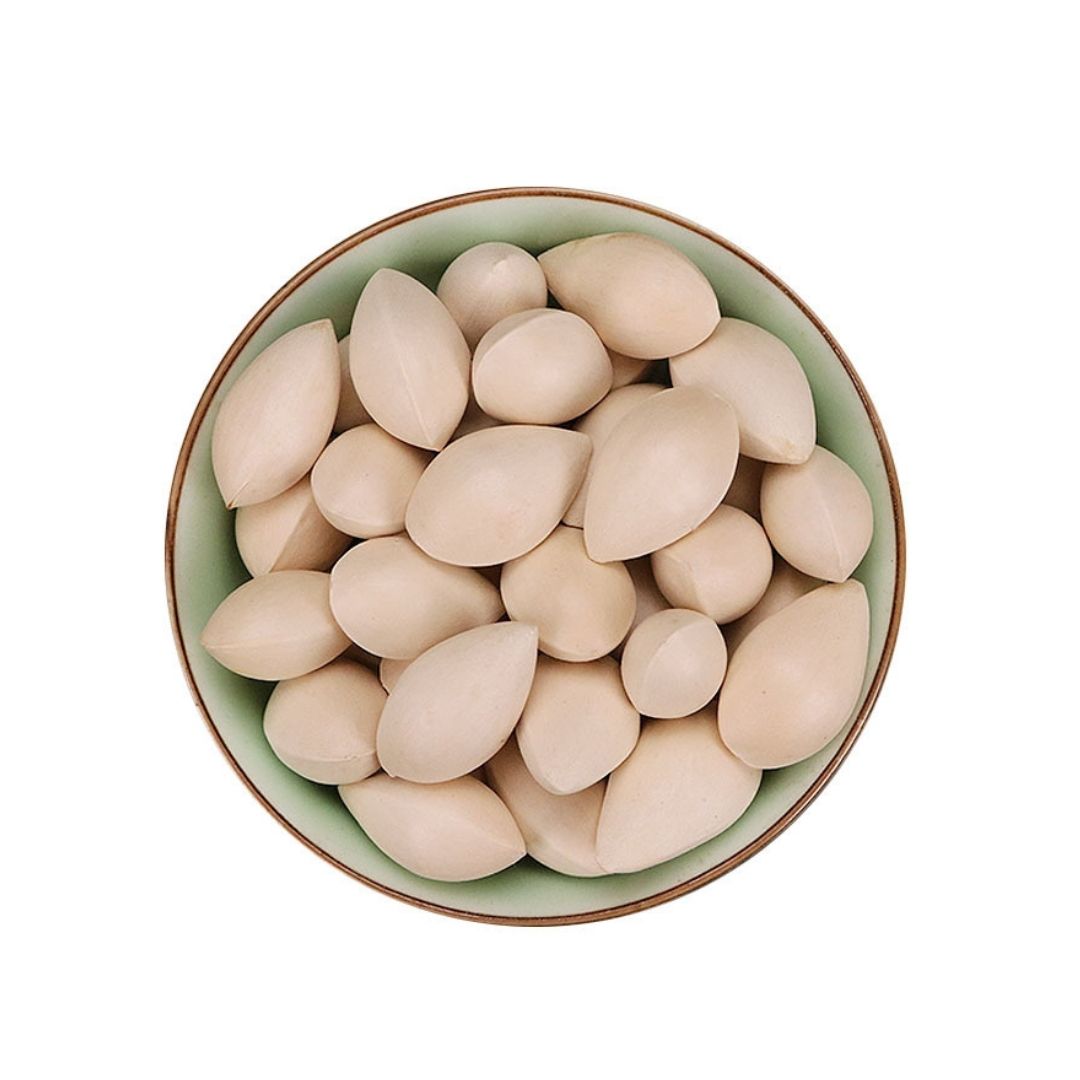


Product Introduction
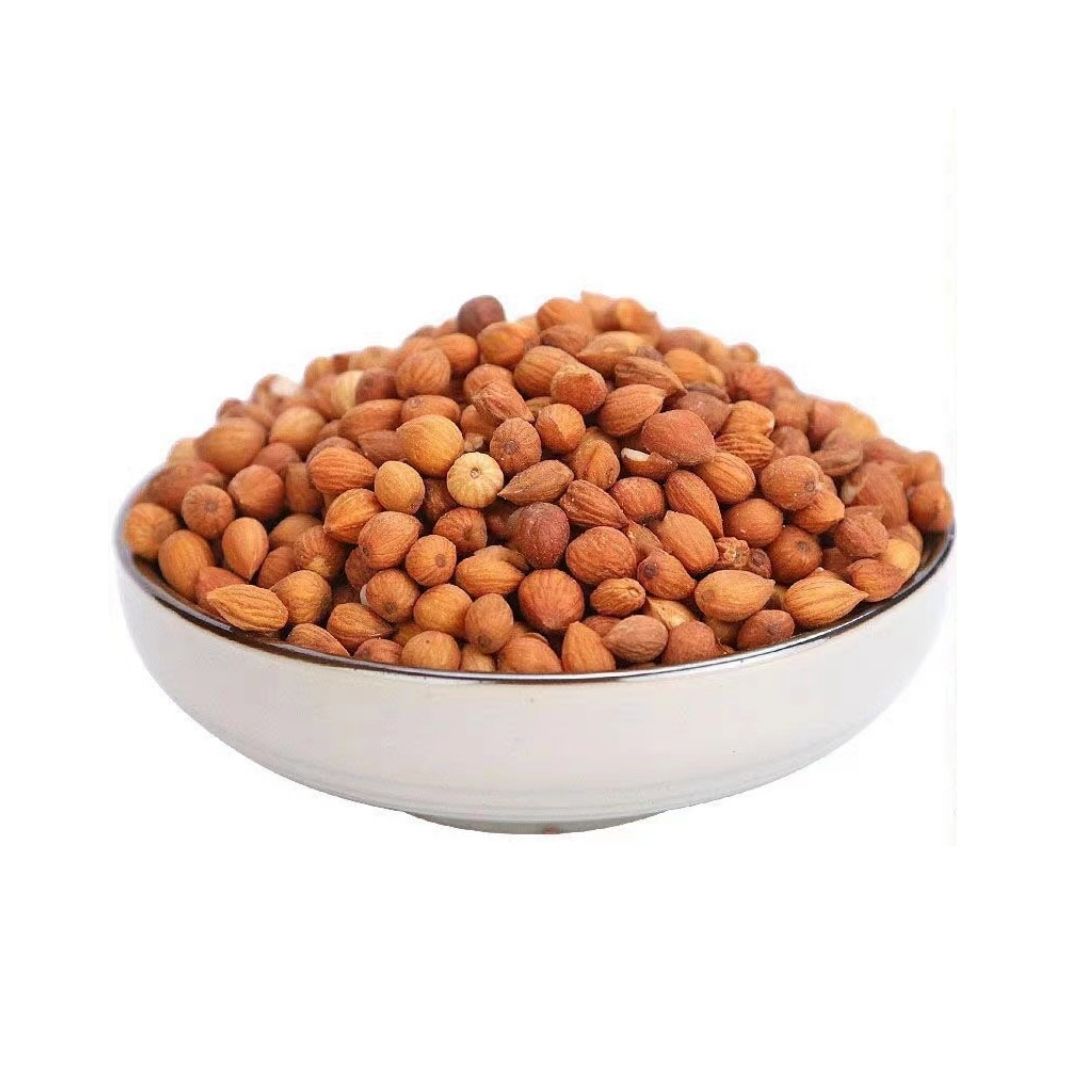
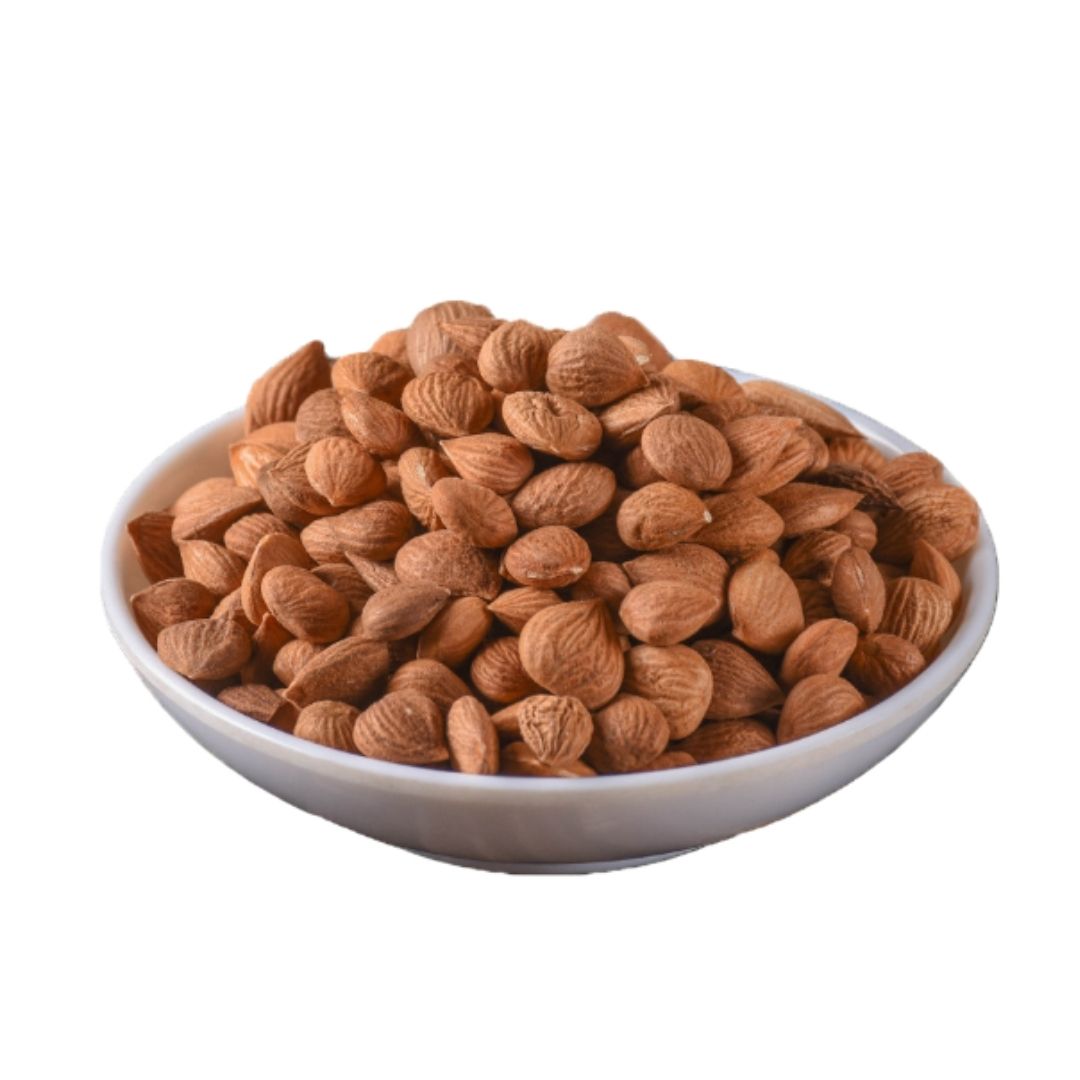
Peach kernel, or Tao Ren, is a commonly used traditional Chinese medicine ingredient derived from the seed of the peach fruit (Prunus persica). It is valued for its therapeutic properties and has been used for centuries. The herb is known for its ability to invigorate blood circulation, dispel blood stasis, and moisten the intestines, making it useful in a variety of conditions. Peach kernels are typically flat and oval-shaped, with a reddish-brown color.
Main Active Ingredients
The main active ingredients found in peach kernels include amygdalin, also known as laetrile, and various fatty oils. Amygdalin is a cyanogenic glycoside that contributes to the herb's medicinal properties. Fatty oils, including linoleic acid and oleic acid, are also abundant and play a role in the herb's moisturizing effects. Other compounds present contribute to the overall therapeutic effects.
Product Application Scenarios, Usage, and Dosage
Peach kernel is commonly used to treat conditions related to blood stasis, such as menstrual disorders, traumatic injuries, and constipation. It is often prescribed for women experiencing dysmenorrhea or amenorrhea due to blood stagnation. In cases of traumatic injury, it can help to reduce swelling and pain by improving local blood flow. The herb’s ability to moisten the intestines makes it useful in treating constipation, especially in elderly patients or those with chronic conditions. The typical dosage ranges from 6 to 15 grams per day, usually administered in decoction form. It can also be found in pills, powders, and other prepared medicines.
Introduction to the Source Plant, Distribution, and Growth Environment
The source plant, Prunus persica, is a deciduous tree native to China but cultivated worldwide. It thrives in temperate climates with well-drained soil and plenty of sunlight. Peach trees are widely distributed throughout China, particularly in the northern and eastern regions. They are commercially grown for their fruit, and the kernels are collected as a byproduct. The trees typically grow to a height of 4 to 10 meters, producing pink flowers in spring and bearing fruit in the summer.
Harvesting, Processing, and Storage
Peach kernels are typically harvested in the late summer or early autumn when the fruits are ripe. After the peaches are collected, the kernels are removed from the pits, and then sun-dried. Some processing methods involve stir-frying or steaming the kernels to reduce their toxicity and enhance their medicinal properties. Proper storage is essential to maintain their quality and prevent spoilage. The dried kernels should be stored in a cool, dry place, in airtight containers, to protect them from moisture, mold, and pests.
Citations
[1] Bensky, D., Clavey, S., Stöger, E., & Gamble, A. (2004). Chinese Herbal Medicine: Materia Medica, 3rd Edition. Eastland Press.
[2] Chen, J. K., & Chen, T. T. (2004). Chinese Medical Herbology and Pharmacology. Art of Medicine Press.
[3] Dharmananda, S. (2002). Peach Kernel (Tao Ren). Institute for Traditional Medicine, Portland, Oregon.
[4] State Pharmacopoeia Commission of the People’s Republic of China. (2020). Pharmacopoeia of the People’s Republic of China (Vol. 1). China Medical Science Press.
Mia Wu

Hi, I’m Mia Wu! I love helping customers discover the best natural ingredients for their products. With a passion for herbs, spices, and fungi, I work to make sure you get only the finest raw materials. Let's grow together! 🌱✨