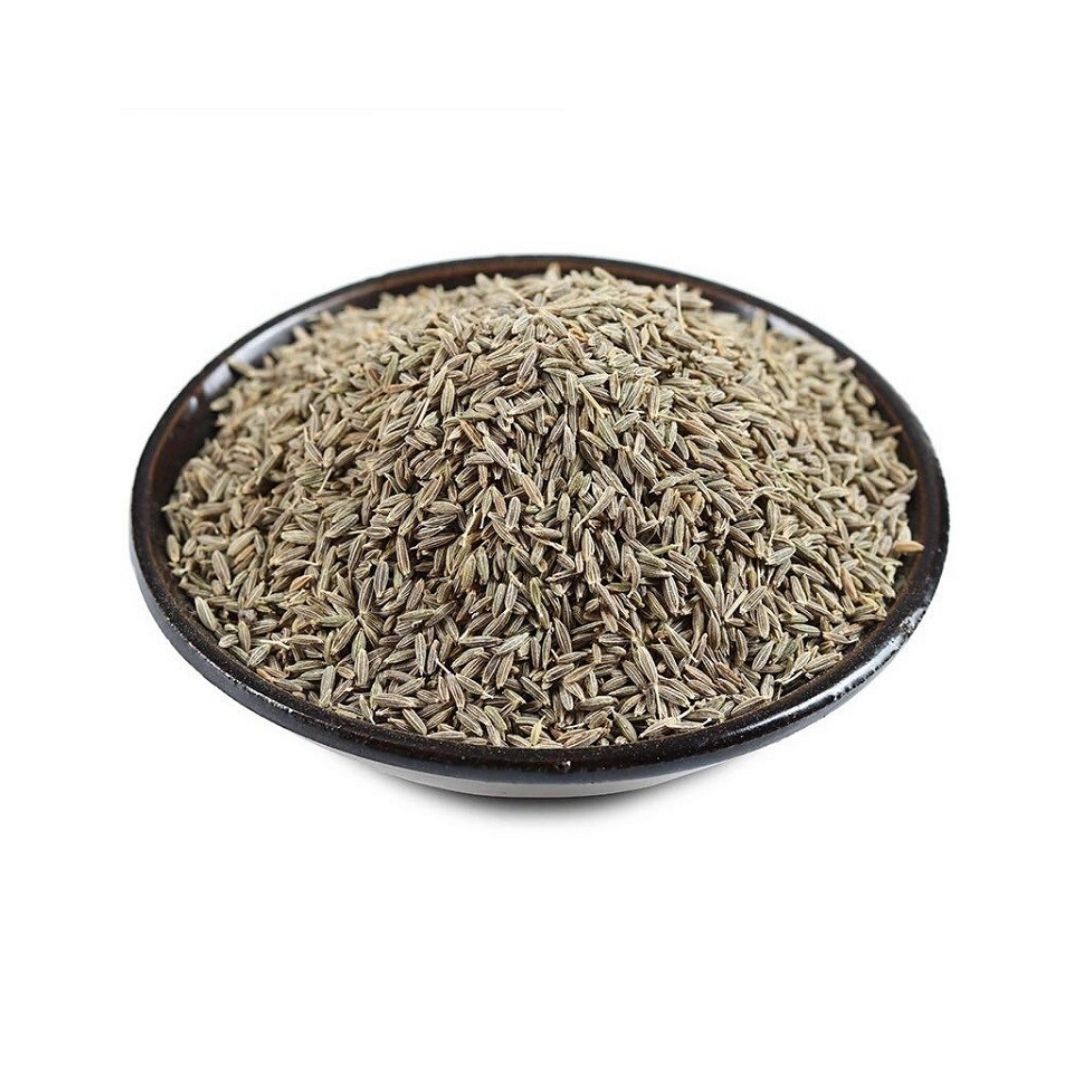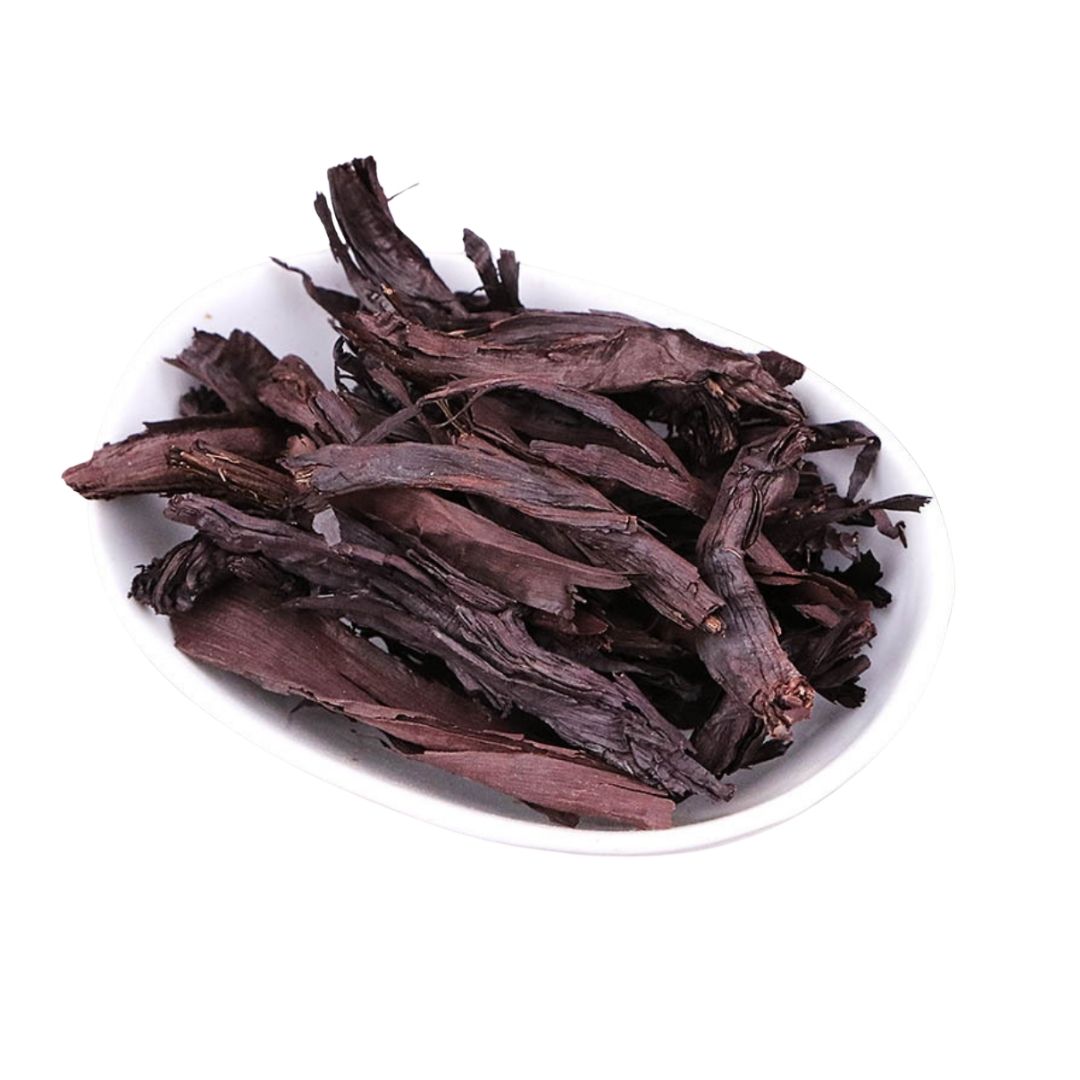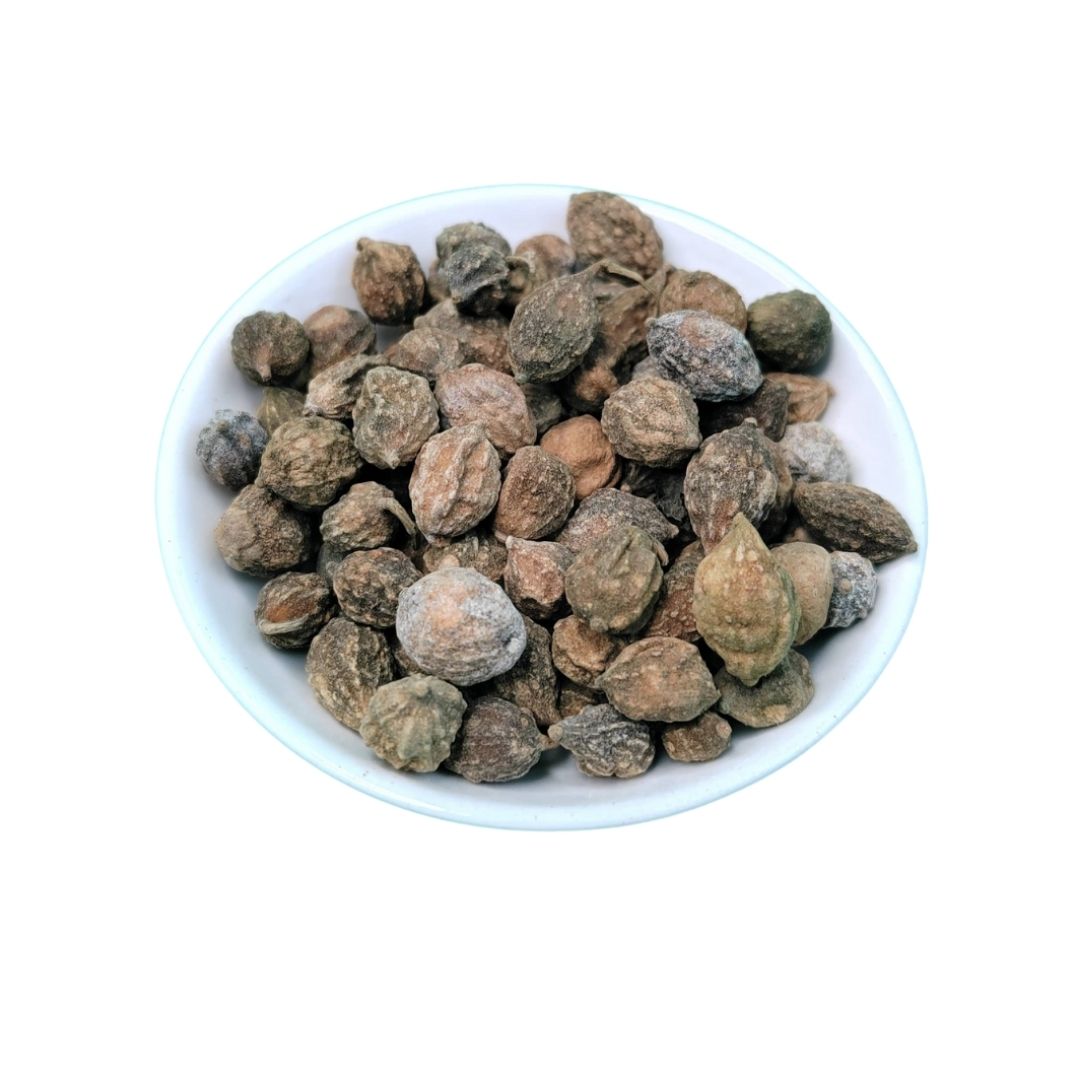


Product Introduction
Patchouli refers to the dried leaves of Pogostemon cablin, a plant species belonging to the Lamiaceae family. The plant is characterized by its distinct aroma, which is earthy, woody, and somewhat sweet. The primary use of patchouli is in the perfume industry, with its scent often used as a base note in fragrances, imparting a long-lasting and grounding quality.
The plant itself is native to Southeast Asia, including regions such as Indonesia and Malaysia, but it is now cultivated in various tropical areas worldwide. The leaves are harvested, dried, and then processed through steam distillation to extract the essential oil. Patchouli oil is highly valued, and used in a multitude of applications.
Beyond perfumery, patchouli finds application in incense production, traditional medicine, and even as a flavoring agent in certain culinary creations. The aroma is known for its complexity, and ability to blend well with other scents. As such, patchouli is a versatile ingredient found in a range of products, from high-end perfumes to everyday household items. Its unique scent profile ensures continued demand in diverse markets.
Aromatic Chemical Composition
Patchouli's distinctive aroma comes from a complex blend of chemical compounds. Patchouli alcohol is the main component, and is known for its earthy and woody scent. Alpha-bulnesene adds a woody note, contributing to the overall depth of the aroma. Alpha-guaiene contributes a spicy and woody undertone, further enhancing the complexity of the scent profile. These compounds interact to create the unique and recognizable scent of patchouli, making it a sought-after ingredient in perfumery and aromatherapy [1].
What Types of Products Are Available?
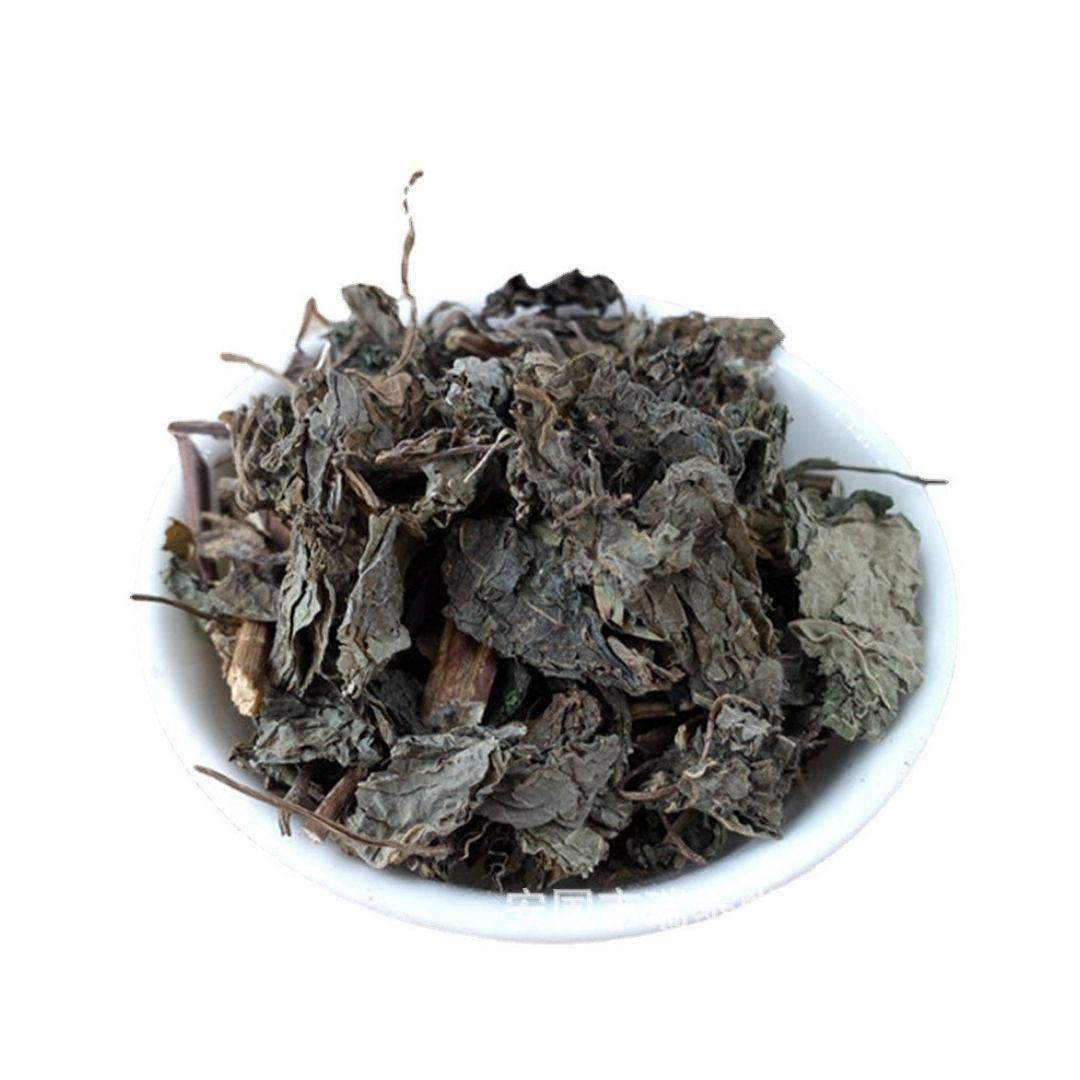
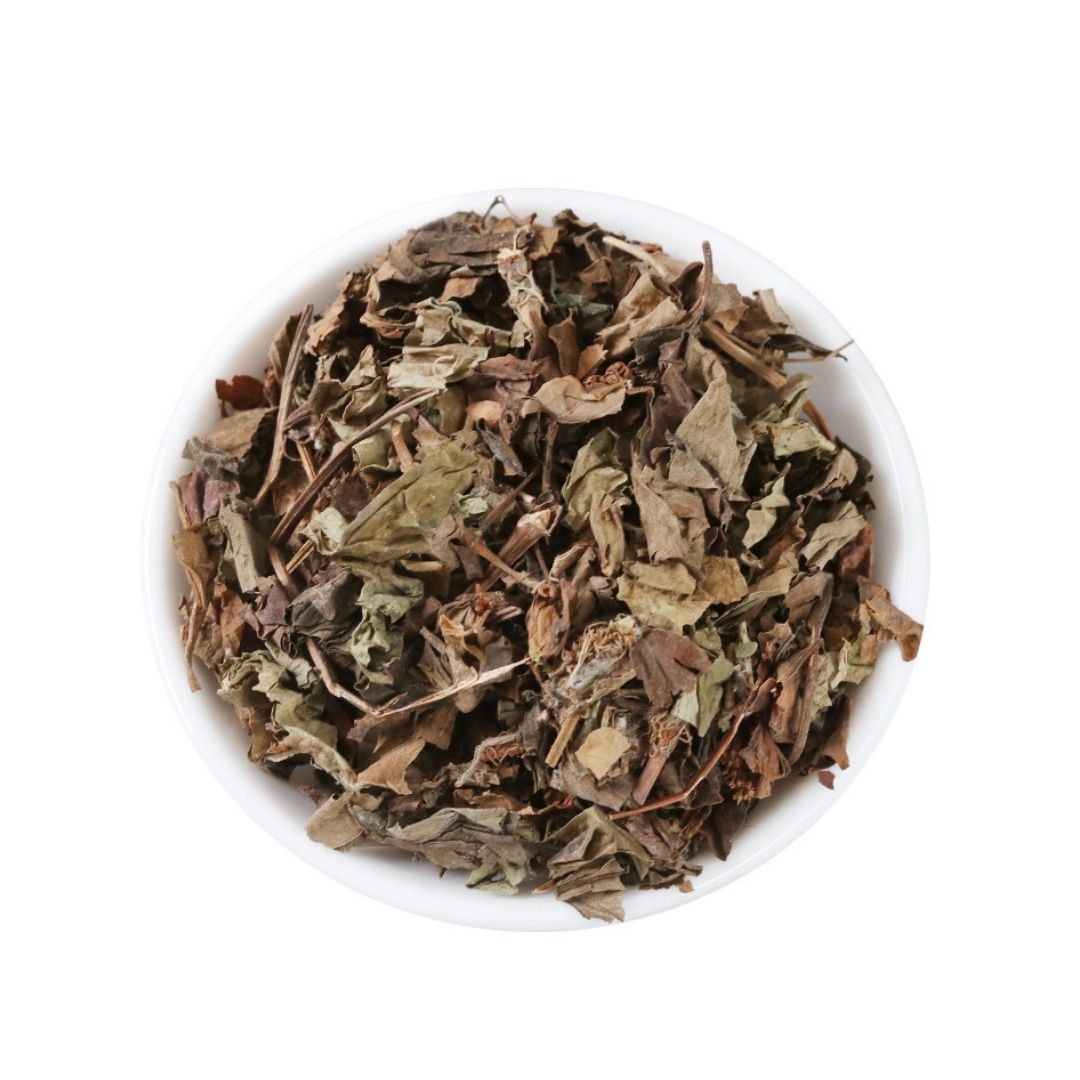
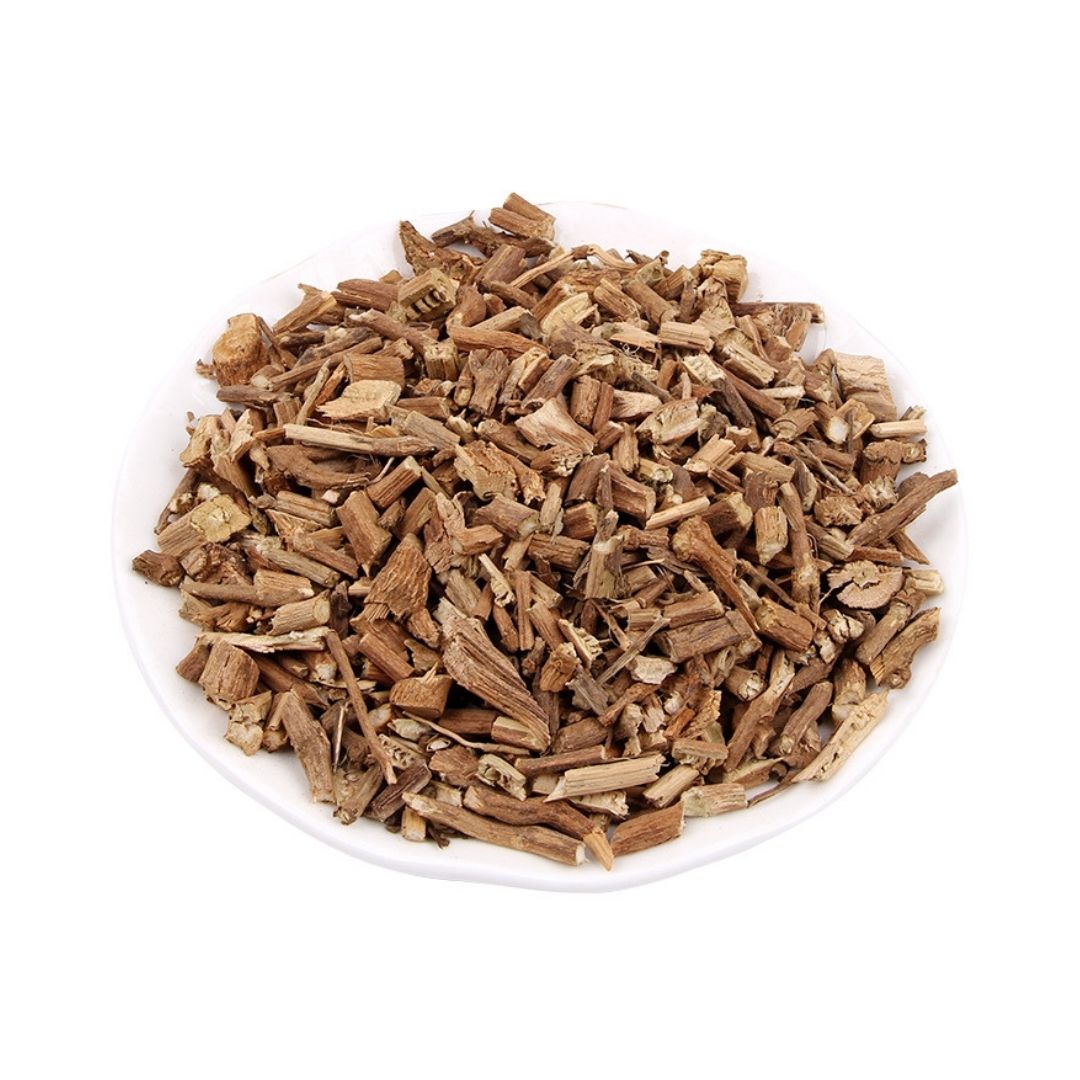
Patchouli is available in several forms, the most common being patchouli essential oil, extracted from the dried leaves through steam distillation. Dried patchouli leaves are also sold, often used for making incense or herbal teas. Patchouli powder is another form, created by grinding the dried leaves, which can be incorporated into various cosmetic and fragrance products. Patchouli oil is typically concentrated, while the dried leaves and powder offer a milder, more subtle aroma. These different forms allow patchouli to be used in a variety of applications, from high-end perfumes to simpler, homemade products [2].
Application Scenarios and Usage Dosage
In the realm of perfumery, patchouli oil functions primarily as a base note. Its robust and enduring fragrance serves as a foundation onto which other scents are layered. Typically, patchouli oil constitutes around 10% to 40% of a perfume's total composition, depending on the desired intensity and longevity of the fragrance. It blends well with floral, woody, and oriental notes, adding depth and complexity.
Beyond perfumery, patchouli finds use in aromatherapy. When diffused, it is believed to offer calming and grounding effects. A few drops in a diffuser, or diluted in a carrier oil for topical application, is the typical usage. Patchouli is also used in incense production. The dried leaves are burned, releasing the characteristic aroma. The amount used varies based on the desired strength of the incense.
In culinary applications, patchouli is less common, but it can impart a subtle earthy note to certain dishes. It is important to use it sparingly, as the flavor can be overpowering. A tiny pinch of patchouli powder can be added to spice blends for savory dishes, or infused in oils for a unique flavor profile. Some herbal teas also incorporate patchouli leaves, adding depth and complexity to the beverage. The dosage should remain minimal, often less than 0.1% of the total ingredients, to prevent the flavor from becoming too dominant [3].
When formulating products with patchouli, always start with small amounts and gradually increase to achieve the desired aroma or flavor. Due to its potent nature, patchouli can easily overwhelm other ingredients if not used carefully. The method of extraction, and the quality of the patchouli, will affect its scent and flavor. Always source patchouli from reputable suppliers to ensure product quality and consistency.
Introduction to the Source Plant, Distribution, and Growing Environment
Pogostemon cablin, commonly known as patchouli, thrives in tropical climates. The plant is a bushy perennial, typically reaching a height of about 2 to 3 feet. It features sturdy stems and fragrant leaves that are oval-shaped, and slightly serrated. The flowers are small, and pale pink or white. Patchouli grows best in warm, humid conditions with well-drained soil.
Originally native to Southeast Asia, including countries like Indonesia and the Philippines, patchouli is now cultivated in various tropical regions around the world, including India, China, and South America. These regions provide the ideal climate, and soil conditions necessary for the plant to flourish. Patchouli plants prefer partial shade, and protection from strong winds. The plant requires consistent moisture, but it is also susceptible to root rot if the soil is waterlogged. Proper drainage is essential for healthy growth. The plant is propagated through stem cuttings, and typically takes several months to mature, before the leaves can be harvested [4].
Harvesting, Processing, and Storage Preservation
Patchouli leaves are typically harvested several times a year, when they are fully mature, and at their most fragrant. The ideal time for harvesting is usually in the late morning, after the dew has evaporated. The leaves are carefully cut from the stems, and then laid out to dry.
The drying process reduces the moisture content, preventing mold growth, and concentrating the aromatic oils. Traditionally, the leaves are dried in the sun, but modern methods often involve controlled drying in specific conditions to maintain consistent quality. After drying, the leaves are often aged for a period of time, allowing the aroma to further develop, and mature. The dried leaves can then be used directly, or processed to extract the essential oil through steam distillation.
Proper storage is crucial for preserving the quality of patchouli leaves, and oil. The dried leaves should be stored in airtight containers, in a cool, and dry place, away from direct sunlight. Patchouli oil should be stored in dark glass bottles to protect it from light exposure, which can degrade the oil over time. With proper storage, patchouli can retain its aroma, and properties for several years [5].
Citations:
[1] Svoboda, K. P., & Hampson, J. B. (1999). Analysis of essential oil of patchouli (Pogostemon cablin Benth.) from different geographical origins. Journal of Essential Oil Research, 11(5), 591-596.
[2] Lis-Balchin, M. (2006). Aromatherapy science: A guide for healthcare professionals. Pharmaceutical Press.
[3] Tisserand, R., & Young, R. (2014). Essential oil safety: A guide for health care professionals. Elsevier Health Sciences.
[4] Holliday, I., & Peterson, D. (2009). Growing herbs and spices. Csiro Publishing.
[5] Lawless, J. (1995). The illustrated encyclopedia of essential oils. Element Books.
Mia Wu

Hi, I’m Mia Wu! I love helping customers discover the best natural ingredients for their products. With a passion for herbs, spices, and fungi, I work to make sure you get only the finest raw materials. Let's grow together! 🌱✨