

Product Introduction
Parsley, scientifically known as Petroselinum crispum, is a widely used herb recognized for its vibrant green color and subtle, refreshing flavor. Originating from the Mediterranean region, parsley has been cultivated for over two thousand years and was initially valued more for its medicinal properties than culinary use. Today, it is a staple in cuisines around the globe, prized for its versatility and nutritional benefits.
The plant is composed of several usable parts, including the leaves, stems, and roots, though the leaves are most commonly utilized. Parsley is available in two primary forms: curly leaf and flat-leaf (Italian) parsley, with the latter generally considered to have a more robust flavor. Beyond its culinary applications, parsley is also rich in vitamins, particularly vitamins A, C, and K, as well as minerals like iron and potassium. It is also a source of beneficial plant compounds such as flavonoids and volatile oils, contributing to its antioxidant and anti-inflammatory properties.
In cooking, parsley serves both as a garnish and a flavoring agent. Its fresh, slightly bitter taste enhances a wide range of dishes, from salads and soups to sauces and meat preparations. The herb is also used in traditional medicine for its diuretic and digestive properties. Whether fresh or dried, parsley is an indispensable ingredient in both home kitchens and professional culinary settings.
Aromatic Chemical Composition
The aromatic profile of parsley is attributed to its volatile oil content, which varies depending on the variety and growing conditions. Key aromatic compounds include:
- Myristicin: A phenylpropene that contributes to parsley's characteristic aroma and has been studied for its potential neuroprotective effects.
- Apiol: Another phenylpropene, apiol has a strong, pungent odor and is found in higher concentrations in the seeds and roots.
- β-Phellandrene: A monoterpene hydrocarbon with a citrusy, woody aroma that adds to the overall freshness of parsley.
- α-Pinene and β-Pinene: These terpenes contribute piney and woody notes to the herb's scent profile.
- Limonene: Imparts a citrusy aroma, enhancing the overall brightness of parsley. [^1^]
What Types of Products Are Available?
Parsley is available in several forms to suit different culinary needs:
- Fresh Parsley: Typically sold in bunches, either curly or flat-leaf (Italian). It offers the most vibrant flavor and is ideal for garnishing and adding fresh notes to dishes.
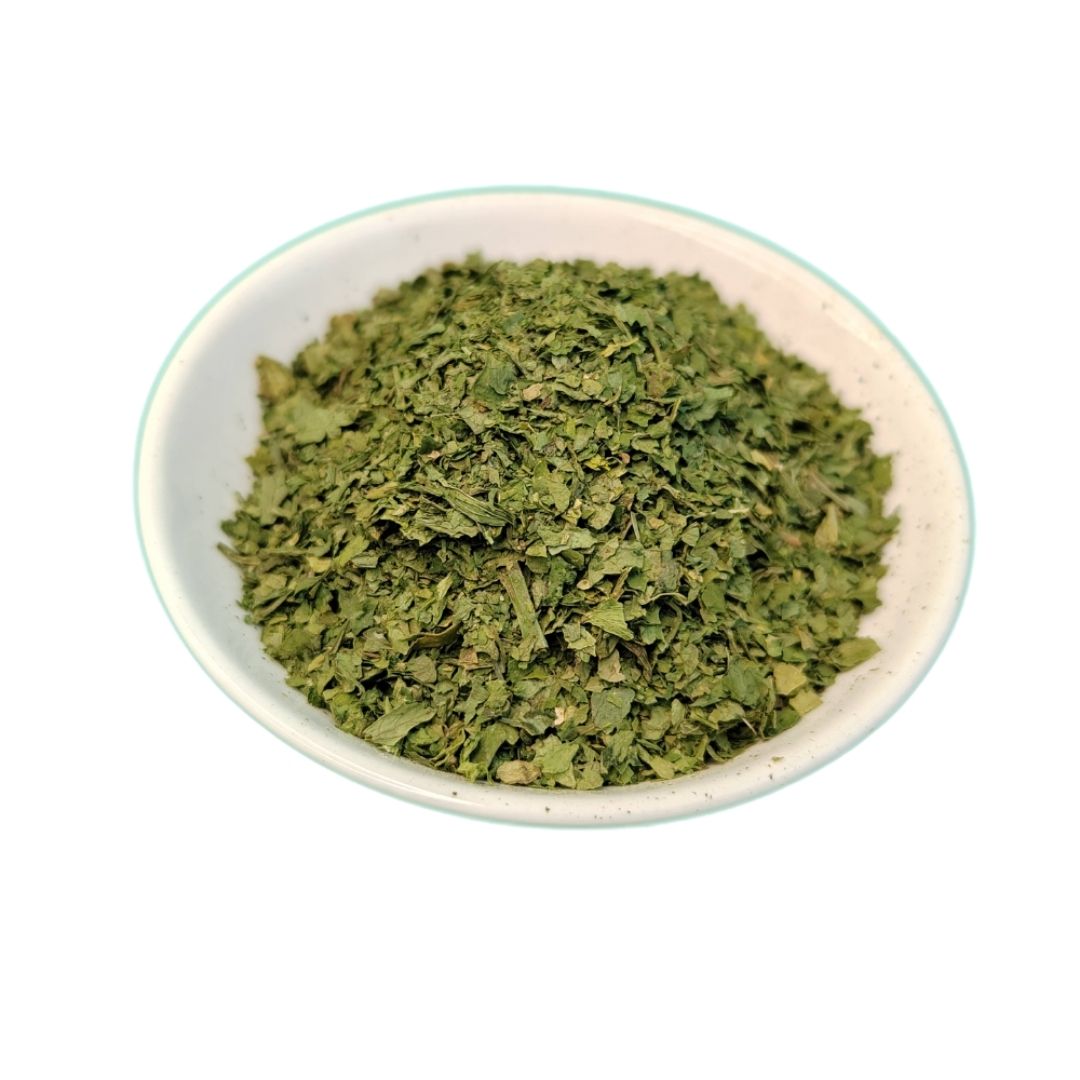
- Dried Parsley: Available in flaked or powdered form. While the flavor is less intense than fresh parsley, it is convenient for long-term storage and use in cooked dishes.
- Frozen Parsley: A good option for preserving fresh parsley for longer periods. The flavor is better retained compared to dried parsley.
- Parsley Oil: Extracted from the plant, parsley oil is used to add a concentrated flavor to dressings, sauces, and marinades.
- Parsley Extract: A concentrated liquid form used in flavoring and as a natural food coloring agent.
Application Scenarios and Usage Dosage
Parsley is a versatile herb with a wide range of culinary applications. Each form of parsley—fresh, dried, or processed—offers unique qualities suitable for different cooking methods and dishes.
Fresh Parsley: Fresh parsley is best used as a finishing herb to preserve its delicate flavor and vibrant green color. It is commonly used as a garnish for soups, salads, and main courses, adding visual appeal and a burst of freshness. When used in cooking, fresh parsley should be added towards the end of the cooking process to prevent its flavor from diminishing. A typical dosage is 1-2 tablespoons of chopped fresh parsley per serving. Fresh parsley is a key ingredient in many classic dishes, such as tabbouleh, a Middle Eastern salad, and gremolata, an Italian condiment made with lemon zest, garlic, and parsley.
Dried Parsley: Dried parsley is more concentrated in flavor compared to fresh parsley and is suitable for dishes with longer cooking times. It is often used in soups, stews, sauces, and marinades. When substituting dried parsley for fresh, use about one-third of the amount specified for fresh parsley, as the flavor is more potent. A general guideline is 1 teaspoon of dried parsley for every tablespoon of fresh parsley. Dried parsley works well in dishes like tomato sauce, vegetable stews, and dry rubs for meats.
Parsley Oil and Extract: Parsley oil and extract provide a concentrated flavor and are useful for adding a distinct parsley note to dressings, sauces, and marinades. These forms are particularly convenient when fresh parsley is not available or when a consistent flavor profile is desired. Due to their concentrated nature, use sparingly; a few drops of parsley oil or extract can impart a significant flavor boost. Parsley oil is an excellent addition to vinaigrettes and herb-infused oils, while parsley extract can be used in processed foods for flavoring and coloring.
Specific Culinary Applications:
- Soups and Stocks: Add fresh or dried parsley to soups and stocks for a subtle, herbaceous flavor. Fresh parsley is best added at the end of cooking, while dried parsley can be added earlier to allow the flavors to meld.
- Salads: Fresh parsley is a refreshing addition to salads, providing a bright flavor and appealing texture. It pairs well with other fresh vegetables, lemon juice, and olive oil.
- Sauces: Incorporate fresh or dried parsley into sauces for added depth of flavor. Fresh parsley is ideal for light, fresh sauces, while dried parsley is better suited for simmered sauces.
- Meat and Poultry: Use parsley as a seasoning for meat and poultry dishes. It can be added to marinades, rubs, or stuffings to enhance the overall flavor.
- Egg Dishes: Parsley complements egg dishes such as omelets, frittatas, and quiches, adding a fresh, herbaceous note.
Ultimately, the appropriate dosage and form of parsley depend on the specific dish and desired flavor intensity. Experimentation is encouraged to achieve the perfect balance, leveraging parsley's versatility to enhance a wide array of culinary creations.
Introduction to the Source Plant, Distribution, and Growing Environment
Petroselinum crispum is a biennial plant in the Apiaceae family, native to the Mediterranean region of Europe and Western Asia. It is widely cultivated as an herb, spice, and vegetable. The plant features bright green, tripinnate leaves that can be either curly or flat, depending on the variety. It typically grows to a height of 30-100 cm (12-39 inches).
Parsley thrives in well-drained soil and requires full sun to partial shade. It prefers a soil pH between 6.0 and 7.0. Parsley is relatively adaptable and can be grown in various climates, but it is most productive in regions with moderate temperatures and ample moisture. It is commonly grown in home gardens and on a commercial scale in many parts of the world, including Europe, North America, and Asia. The plant is usually propagated from seeds, which are slow to germinate, or from root cuttings.
Harvesting, Processing, and Storage Preservation
Harvesting: Parsley can be harvested multiple times during the growing season. For fresh use, the outer leaves are typically harvested, allowing the inner leaves to continue growing. Harvesting is best done in the morning, after the dew has dried, to minimize moisture content and reduce the risk of spoilage. The leaves should be cut close to the base of the plant, leaving the central growth intact.
Processing:
- Fresh Parsley: After harvesting, fresh parsley should be washed gently to remove any dirt or debris. It can then be used immediately or stored for later use.
- Drying Parsley: For dried parsley, the harvested leaves are typically spread out on trays or hung in bunches in a warm, dry, well-ventilated area. A dehydrator can also be used to speed up the drying process. The leaves are dried until they are brittle and easily crumble.
- Freezing Parsley: Fresh parsley can be frozen to preserve its flavor. The leaves should be washed, dried, and then chopped before being placed in freezer bags or containers. Freezing parsley can help retain more of its flavor compared to drying.
Storage Preservation:
- Fresh Parsley: Fresh parsley should be stored in the refrigerator, either wrapped in a damp paper towel inside a plastic bag or placed in a glass of water like cut flowers. This helps to keep the leaves hydrated and fresh for up to a week.
- Dried Parsley: Dried parsley should be stored in an airtight container in a cool, dark, and dry place. This helps to prevent moisture absorption and maintain its flavor and aroma. Properly stored dried parsley can last for up to a year.
- Frozen Parsley: Frozen parsley should be stored in the freezer at a temperature of 0°F (-18°C) or lower. It can be stored for several months without significant loss of flavor.
[^1^]: Masoudi, I., Koohpayeh, A., & Sahrapeyma, E. (2013). Chemical composition of the essential oil of parsley (Petroselinum crispum L.) grown in Iran. Journal of Essential Oil Bearing Plants, 16(5), 675-678.
Mia Wu

Hi, I’m Mia Wu! I love helping customers discover the best natural ingredients for their products. With a passion for herbs, spices, and fungi, I work to make sure you get only the finest raw materials. Let's grow together! 🌱✨