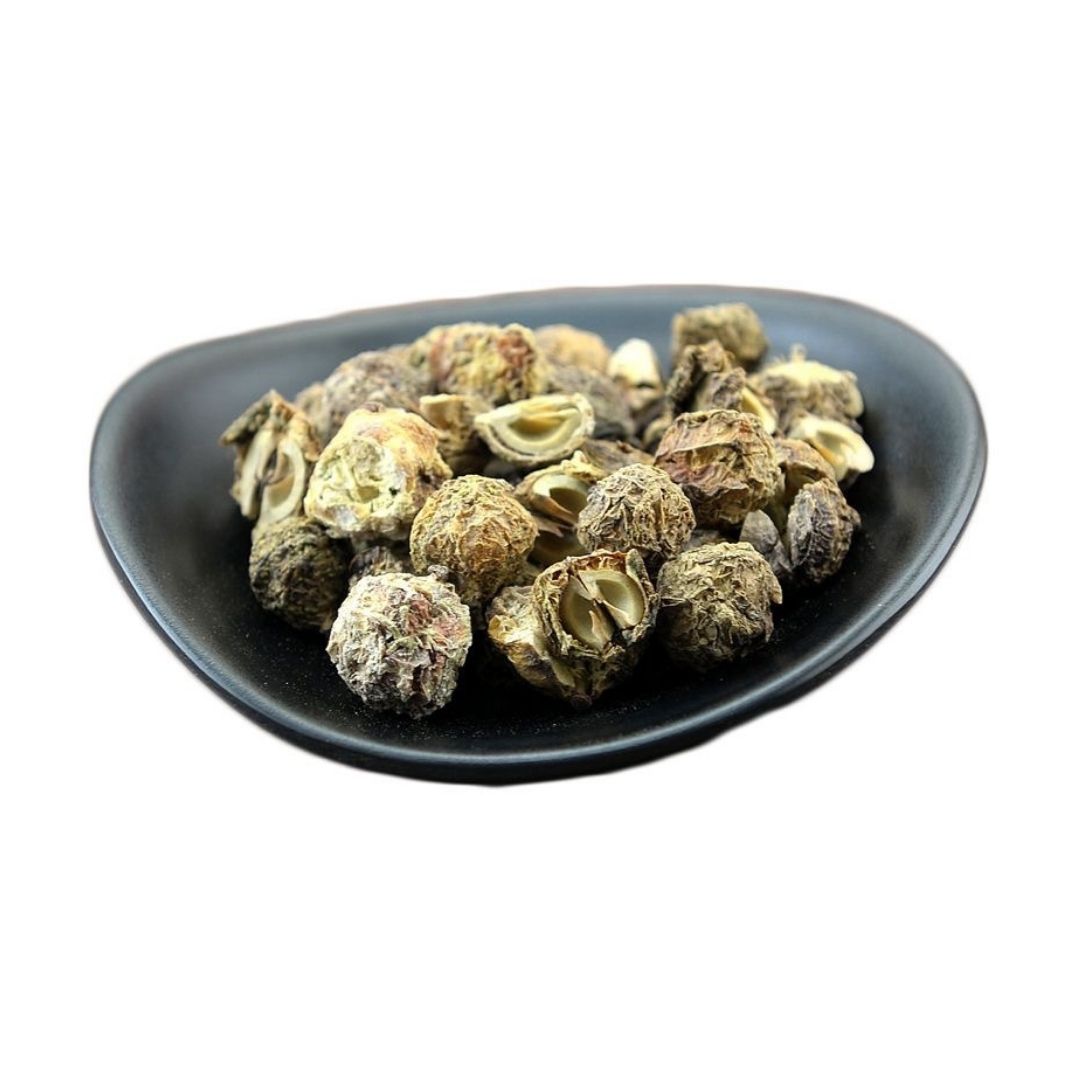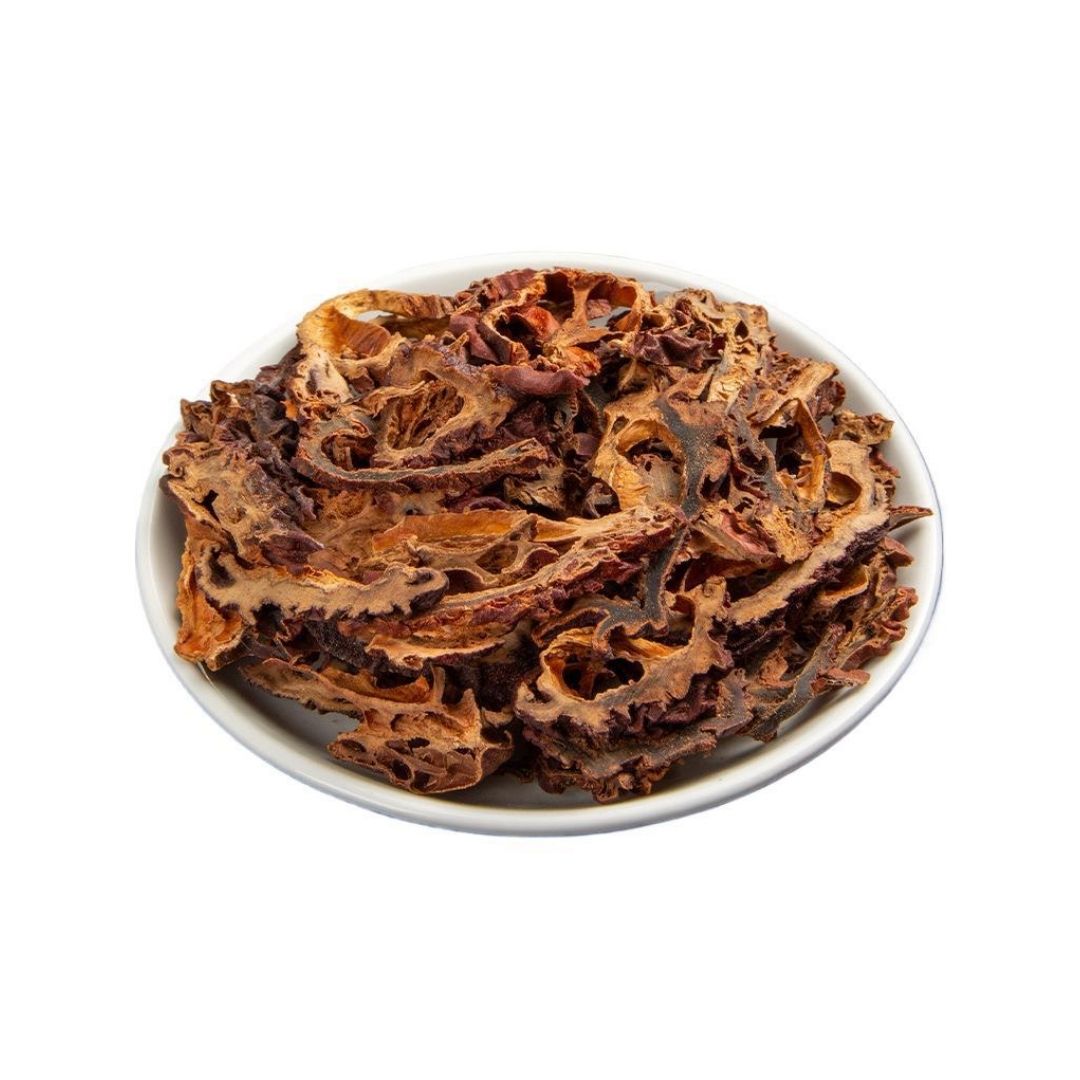


Product Introduction
Papaya,scientifically known as Carica papaya, is a fruit-bearing tree native to tropical regions of the Americas, and it is now cultivated in many tropical and subtropical countries. The fruit is well-regarded for its nutritional value and its use in traditional medicine. In Traditional Chinese Medicine (TCM), papaya is valued for its medicinal properties, particularly in promoting digestive health and supporting the body's natural healing processes.
Main Active Ingredients
The key active ingredients in papaya contribute to its health benefits. Papain, a proteolytic enzyme, helps in breaking down proteins and aiding digestion [1]. Chymopapain is another enzyme present, with similar digestive properties. Vitamins A and C act as antioxidants, supporting immune function and skin health [2]. The fruit also contains flavonoids and carotenoids, which possess antioxidant and anti-inflammatory effects [3].
Product Application Scenarios, Usage, and Dosage
Papaya is used in various scenarios due to its versatile properties. It can be consumed to aid digestion, especially after heavy meals. The fruit is also applied topically in some cultures to promote wound healing and skin rejuvenation. In TCM, papaya is often included in herbal formulas to address digestive issues and support overall well-being.
The typical dosage of papaya varies depending on the form and intended use. Fresh papaya can be consumed in moderate amounts daily. For digestive support, it is often taken before or after meals. Papaya extracts and supplements should be used according to the manufacturer’s instructions or as directed by a healthcare practitioner.
Introduction to the Source Plant, Distribution, and Growth Environment
The Carica papaya plant is a fast-growing tree, typically reaching heights of 5 to 10 meters. It thrives in warm, tropical climates with well-drained soil and plenty of sunlight [4]. Originally from Central America, papaya is now cultivated in many regions, including Southeast Asia, Africa, and parts of South America. The plant produces fruit year-round, with peak seasons varying by location.
Harvesting, Processing, and Storage
Papaya fruits are typically harvested when they are partially ripe, showing a slight yellow hue. They are then allowed to ripen fully off the tree. For medicinal use, the unripe fruit and latex can also be harvested for their high papain content [5].
Processing methods include drying, extracting, and powdering the fruit. Dried papaya can be stored in airtight containers in a cool, dry place to maintain its quality. Extracts and powders should be stored according to the manufacturer's recommendations, typically in a cool, dark place to preserve their potency.
Citations
- [1] Dufour, D. (2011). Food anthropology. Berg.
- [2] USDA National Nutrient Database. (n.d.). Retrieved from https://fdc.nal.usda.gov/
- [3] Krishna, K. L., Paridhavi, M., & Patel, J. A. (2008). Papaya: a review. Pharmacognosy Reviews, 2(2), 323-333.
- [4] Storey, W. B. (1976). Papaya, Carica papaya (Caricaceae). In Evolution of Crop Plants (pp. 21-24).
- [5] Immunomodulatory and anticancer activity of Carica papaya: A review. Pharm Biol. 2013 Sep;51(9):1001-8.
Mia Wu

Hi, I’m Mia Wu! I love helping customers discover the best natural ingredients for their products. With a passion for herbs, spices, and fungi, I work to make sure you get only the finest raw materials. Let's grow together! 🌱✨