

Product Introduction
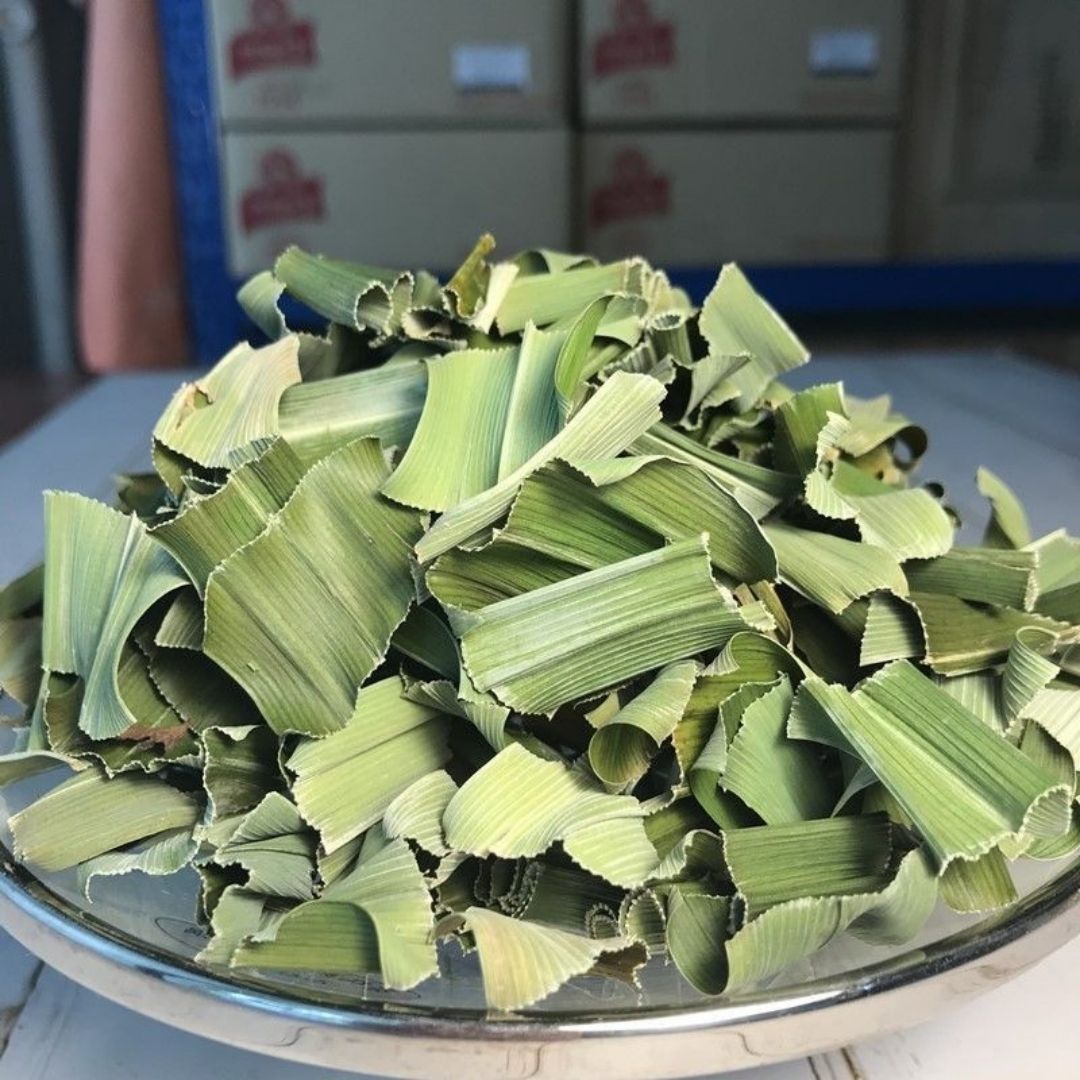
Pandan leaves, derived from the Pandanus amaryllifolius plant, are a staple in Southeast Asian cooking. The plant is a tropical plant, and its leaves are known for their distinct aroma. Pandan leaves are characterized by their long, slender, and vibrant green appearance. They are generally several feet long and an inch or two wide, tapering to a point.
The aromatic profile of pandan leaves is attributed to several volatile compounds, with 2-acetyl-1-pyrroline, which is also found in fragrant rice, being a primary contributor. This compound imparts a sweet, floral scent, often compared to vanilla, almonds, or freshly baked bread. Other compounds, such as 3-methyl-2,4-nonanedione, contribute to the overall complexity of the aroma.
In culinary applications, pandan leaves are frequently used to enhance the flavor and aroma of both sweet and savory dishes. They can be tied into knots and added to liquids during cooking, infusing the dish with their characteristic flavor. Alternatively, the leaves can be blended into a paste or extract, providing a more concentrated flavor. Pandan is commonly paired with coconut milk, rice, and various meats and vegetables.
Beyond the culinary realm, pandan leaves have traditional uses in fragrance and traditional medicine. The leaves may be added to potpourris or used to scent linens, leveraging their pleasant aroma. In certain folk medicine practices, pandan leaves are believed to possess therapeutic properties.
Aromatic Chemical Composition
The characteristic aroma of pandan leaves is primarily due to the presence of volatile compounds, with 2-acetyl-1-pyrroline being a key contributor. 2-acetyl-1-pyrroline possesses a popcorn-like or roasted aroma, lending a sweet and appealing fragrance. Other compounds, such as 3-methyl-2,4-nonanedione, also play a role in shaping the overall scent profile, adding complexity and nuance. These compounds work synergistically to deliver the distinctive and recognizable aroma of pandan leaves. [1]
What Types of Products Are Available?
Pandan leaves are available in several forms to suit different applications, including:
- Fresh Leaves: The most common form, providing the most authentic flavor and aroma.
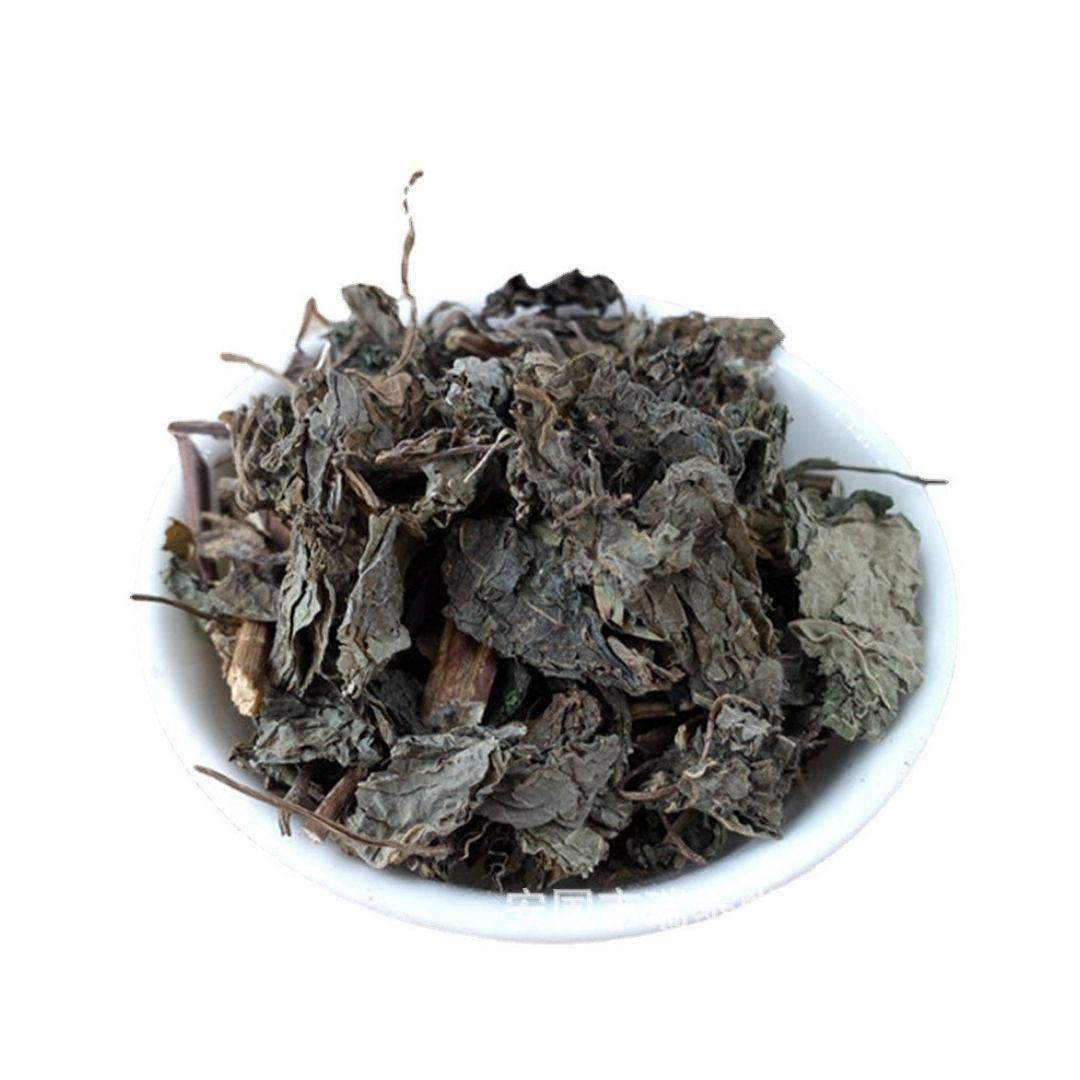
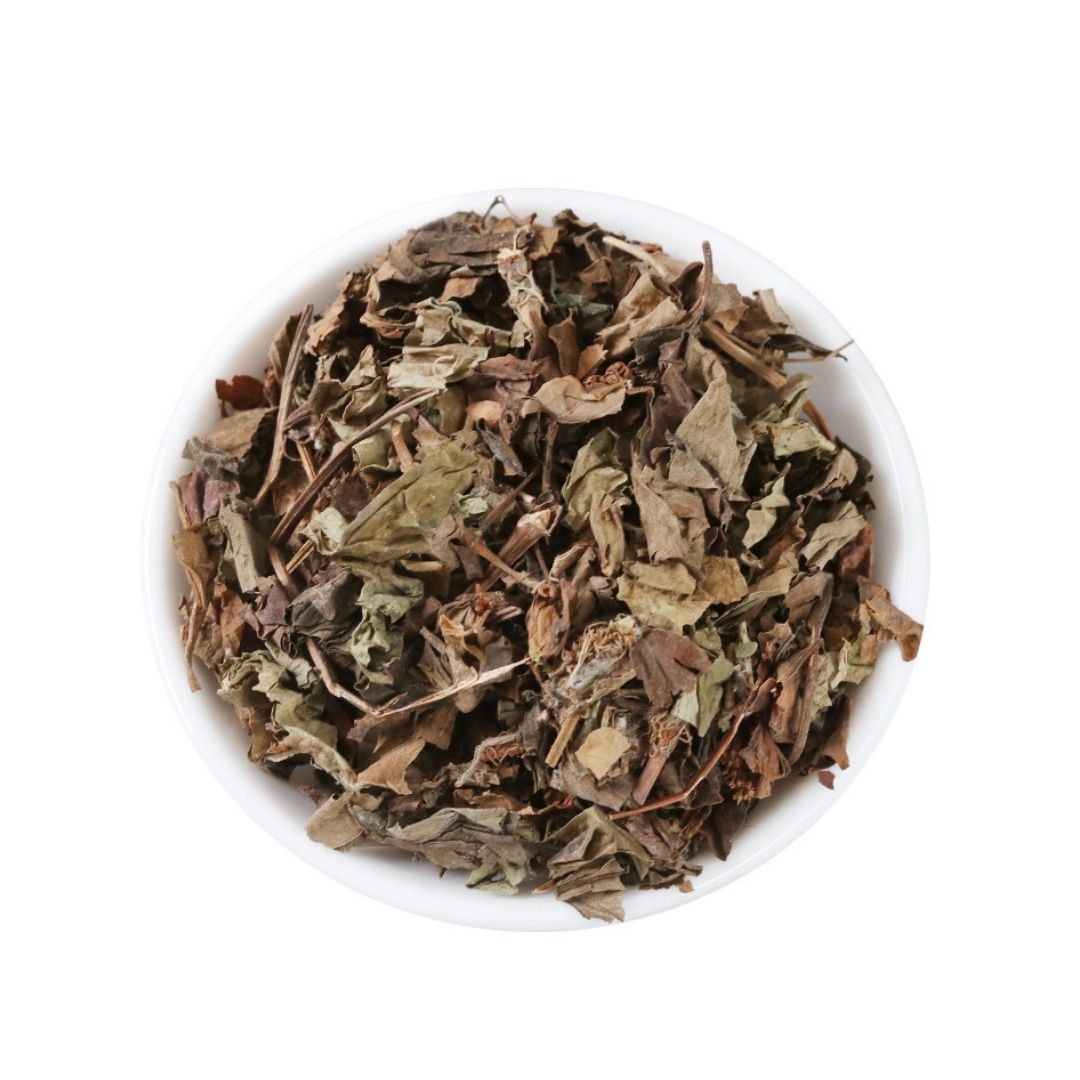
- Dried Leaves: Offer a longer shelf life and can be rehydrated for use.
- Pandan Extract/Essence: A concentrated liquid form, ideal for adding pandan flavor quickly and easily.
- Pandan Powder: Made from ground, dried leaves, it can be used in baking and other dry applications.
- Frozen Pandan Leaves: Fresh leaves are frozen to preserve their aroma.
Application Scenarios and Usage Dosage
Pandan leaves find extensive use in Southeast Asian cuisine, bringing a unique flavor and aromatic dimension to various dishes. The method of application and dosage depend on the specific recipe and desired intensity of flavor.
- Rice Dishes: Pandan leaves are frequently added to rice during cooking, imparting a subtle sweetness and fragrance. The leaves are typically tied into a knot and added to the cooking water along with the rice. A common guideline is to use 2-3 leaves per cup of uncooked rice, adjusting the quantity based on personal preference. The leaves are removed before serving the rice. [2]
- Coconut Milk-Based Desserts: In desserts featuring coconut milk, such as puddings, custards, and sweet soups, pandan leaves are used to enhance the overall flavor profile. The leaves can be steeped in the coconut milk while it is being heated, allowing the flavor to infuse the liquid. Alternatively, pandan extract can be added for a more concentrated flavor. The dosage of pandan extract varies depending on the product's concentration, but a general starting point is ½ to 1 teaspoon per cup of coconut milk, adjusting to taste.
- Savory Dishes: Pandan leaves are not limited to sweet applications and are also employed in savory dishes to add a subtle aromatic note. They can be used to wrap meats or vegetables before steaming or grilling, infusing the food with their flavor. For example, chicken or fish wrapped in pandan leaves is a popular dish in Thailand and Malaysia. The leaves also can be added to soups, stews, and curries during cooking, contributing to a complex flavor profile.
- Beverages: Pandan leaves can be used to flavor beverages, imparting a refreshing and aromatic quality. They can be steeped in hot water to create a pandan-infused tea. Furthermore, they can be added to smoothies or juices for a more complex flavor.
- Other Applications: Pandan extract is sometimes used as a natural food coloring, imparting a green hue to dishes. The leaves can be used to make pandan-infused oil, which can then be used in cooking or baking. In some Southeast Asian countries, pandan leaves are placed in cars or closets as a natural air freshener.
While pandan leaves are generally considered safe for consumption, some individuals may be allergic to them. As with any new ingredient, moderation is advised, especially for those with sensitive systems.
Introduction to the Source Plant, Distribution, and Growing Environment
The Pandanus amaryllifolius plant is a tropical perennial belonging to the Pandanaceae family. It is characterized by its fan-shaped arrangement of long, slender, blade-like leaves. The plant typically grows to a height of 1-3 meters. [3]
The plant is native to Southeast Asia, and it is widely cultivated throughout the region, including Thailand, Malaysia, Indonesia, the Philippines, and Vietnam. It thrives in tropical climates with high humidity and abundant rainfall. The plant prefers well-drained soil rich in organic matter.
Pandanus amaryllifolius is relatively easy to cultivate, and it can be grown in home gardens as well as on a commercial scale. It propagates vegetatively, typically through cuttings or suckers. The plant prefers partial shade, particularly during the hottest part of the day. It is relatively pest and disease-resistant, making it a sustainable crop for many farmers.
Harvesting, Processing, and Storage Preservation
Pandan leaves can be harvested throughout the year, but the optimal time is typically during the warmer months when the plant is actively growing. The leaves are harvested by cutting them from the plant at the base. Care should be taken not to damage the main stem. [4]
After harvesting, the leaves can be used fresh or processed for later use. To use fresh, the leaves should be washed thoroughly to remove any dirt or debris. They can then be used whole, tied into knots, or cut into smaller pieces depending on the recipe.
For longer-term storage, pandan leaves can be dried. The leaves should be spread out in a single layer and allowed to air dry in a cool, dry place away from direct sunlight. Alternatively, they can be dried in a dehydrator at a low temperature. Once the leaves are completely dry, they can be stored in an airtight container in a cool, dry place.
Pandan extract can be made by blending fresh pandan leaves with water and then straining the mixture. The extract can be stored in the refrigerator for several days or frozen for longer storage. Pandan powder can be made by grinding dried leaves into a fine powder using a spice grinder or food processor. The powder should be stored in an airtight container in a cool, dry place. Properly stored dried pandan leaves and pandan powder can retain their flavor and aroma for up to a year. Frozen pandan leaves can maintain their quality for several months. To maximize the shelf life of pandan leaves, it is crucial to keep them away from moisture, heat, and direct sunlight.
Citations
[1] T. Udomsil, N. Saiduang, and S. Nuchuchua, "Volatile compounds and sensory properties of Thai fragrant rice (Khao Dawk Mali 105) and their contribution to cooked rice aroma," Journal of Cereal Science, vol. 60, no. 3, pp. 557-562, 2014.
[2] Z. Juliano, B.O. "Rice: Chemistry and Technology, Second Edition." American Association of Cereal Chemists, 1985.
[3] M. van Wyk, B. Winkworth, and P. N. Pillay, "Reinstatement and neotypification of Pandanus amaryllifolius Roxb. (Pandanaceae)," Taxon, vol. 64, no. 6, pp. 1236-1244, 2015.
[4] GC Smith, Crop Production Science in Horticulture. CABI, 2014.
Mia Wu

Hi, I’m Mia Wu! I love helping customers discover the best natural ingredients for their products. With a passion for herbs, spices, and fungi, I work to make sure you get only the finest raw materials. Let's grow together! 🌱✨