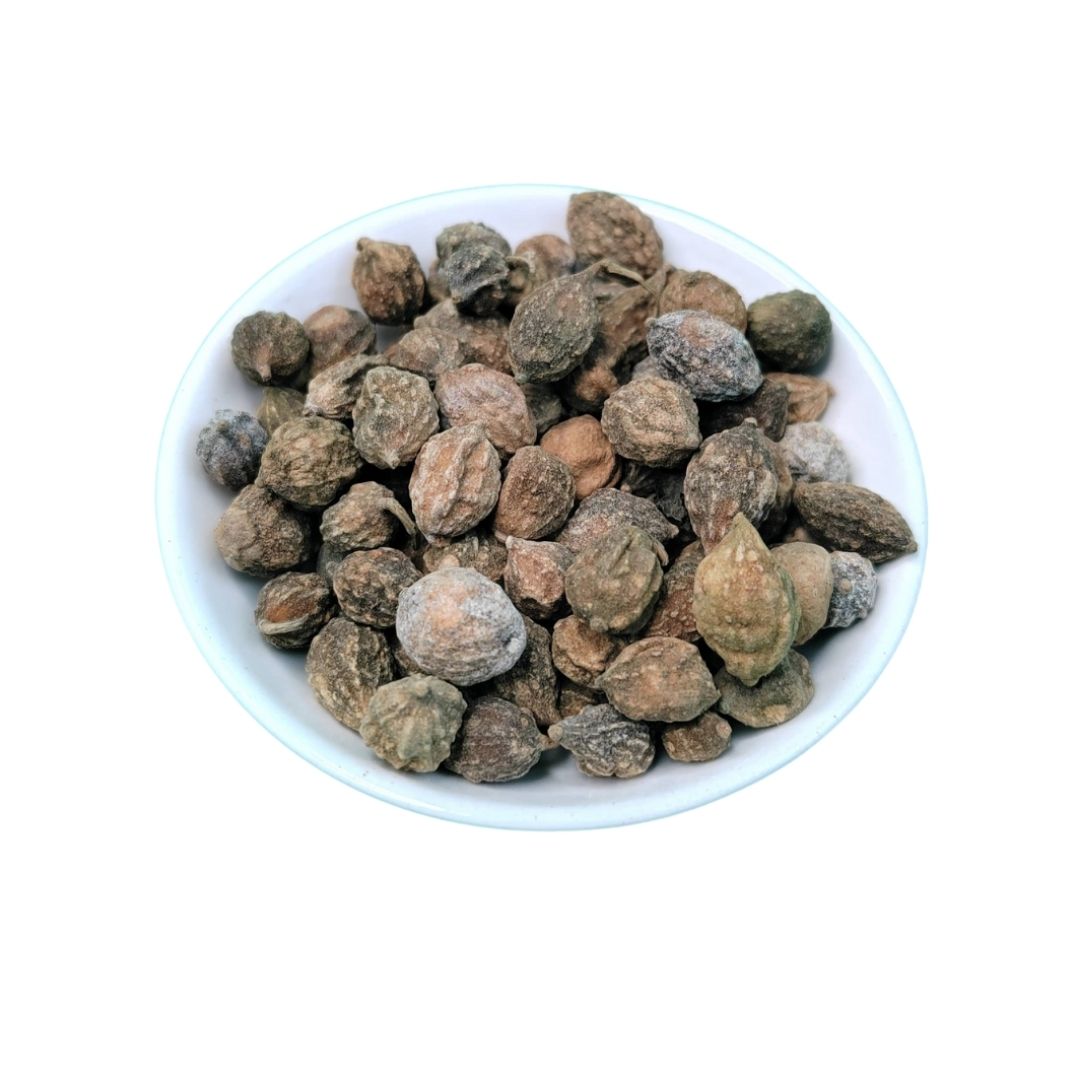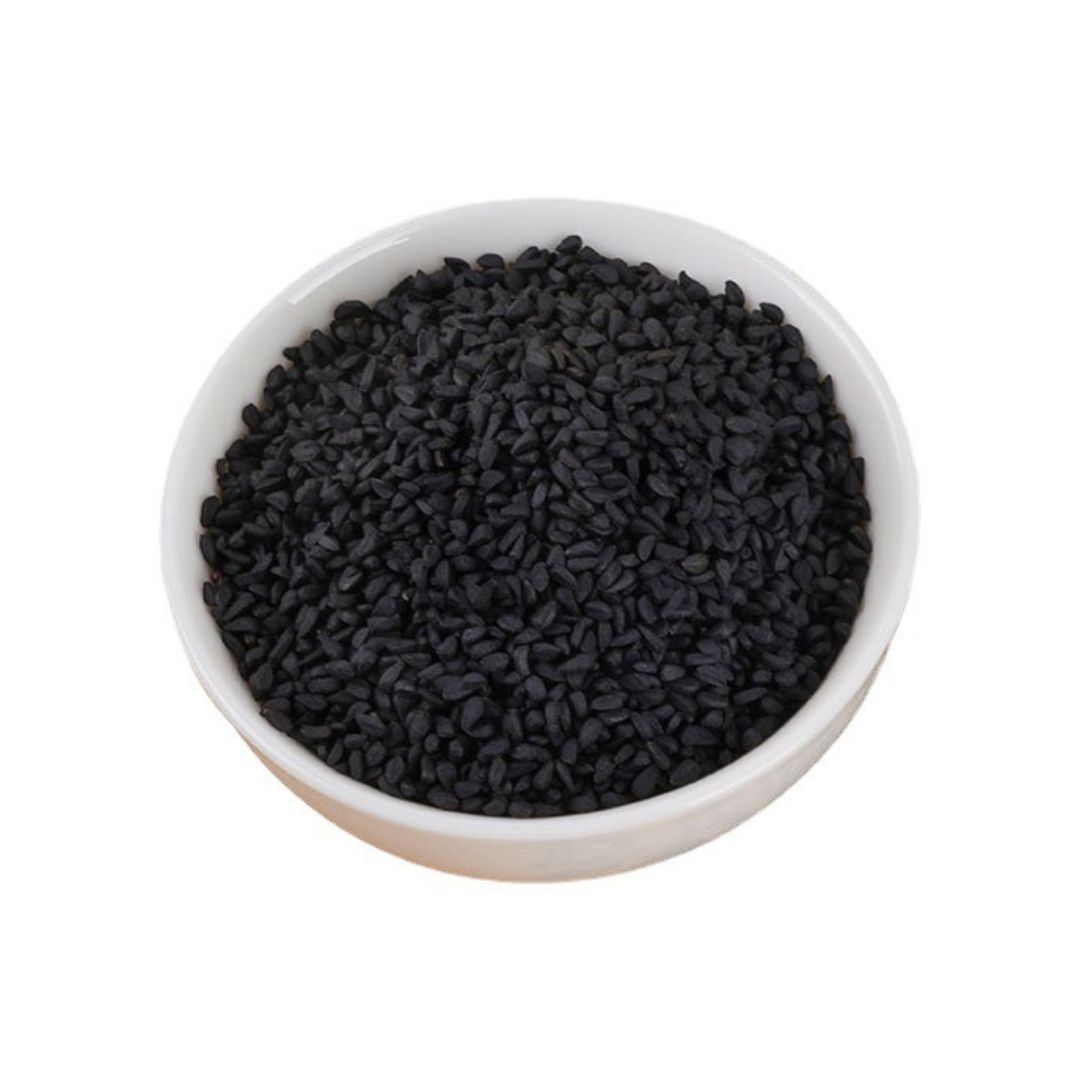


Product Introduction
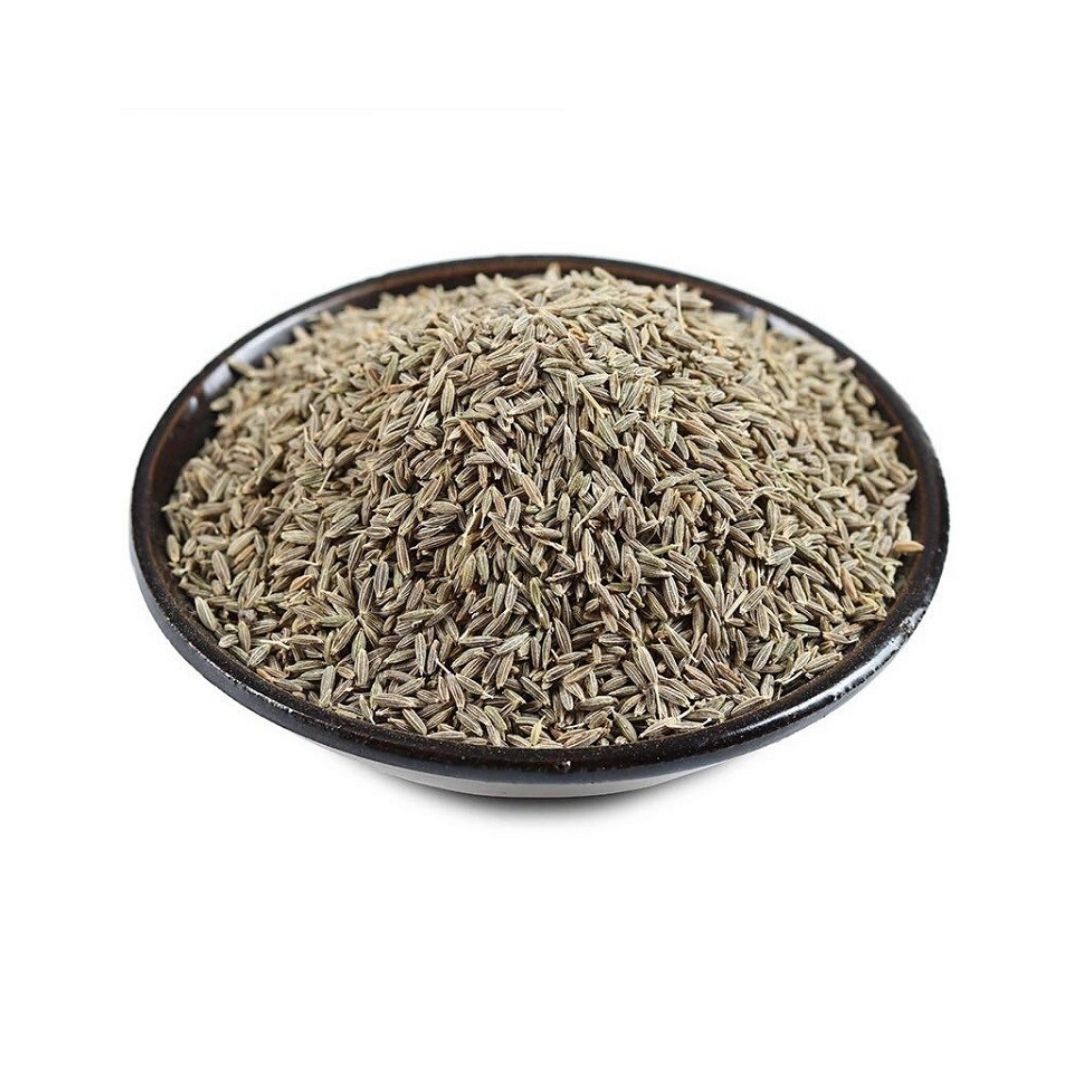
Nigella damascena, commonly known as Love-in-a-mist, is an annual flowering plant belonging to the Ranunculaceae family, native to Southern Europe, North Africa, and Southwest Asia. The plant is cultivated for its attractive flowers and its seeds, which are used as a spice. The seeds are small, black, and possess a distinctive flavor profile, often described as pungent, slightly bitter, and peppery.
The primary use of Nigella damascena seeds is in culinary applications. They are employed similarly to black cumin or Nigella sativa, adding a unique flavor to breads, pastries, and savory dishes. In Middle Eastern and Indian cuisines, these seeds are a common ingredient in spice blends and are used to season various dishes.
Beyond their culinary uses, Nigella damascena seeds have a history of use in traditional medicine. The seeds contain several bioactive compounds, including fixed oils, volatile oils such as thymoquinone, alkaloids, and saponins. These compounds contribute to the seeds' potential therapeutic properties, which have been explored in various traditional remedies.
The plant itself is relatively easy to grow, preferring well-drained soil and full sun exposure. Once the flowers fade, the seed pods develop, and the seeds can be harvested when the pods are dry. Proper storage in a cool, dry place is essential to preserve the seeds' flavor and quality. Therefore, Nigella damascena serves as both an ornamental plant and a valuable spice with potential health benefits.
Aromatic Chemical Composition
The aromatic chemical composition of Nigella damascena seeds includes:
- Thymoquinone: A major volatile component known for its antioxidant and anti-inflammatory properties (Hosseinzadeh et al., 2016).
- ** p-Cymene:** Contributes to the overall aroma profile (Nickavar et al., 2005).
- Thymol: Adds a distinctive herbal and slightly medicinal note (Nickavar et al., 2005).
- Other Volatile Compounds: Includes various terpenes and other aromatic compounds that contribute to the complex flavor and aroma profile (Bukhari et al., 2016).
What Types of Products Are Available?
- Whole Seeds: The most common form, used in culinary applications to add flavor and texture to dishes.
- Ground Spice: Ground seeds offer convenience and can be easily incorporated into spice blends and recipes.
- Extracts and Oils: Used in the food and cosmetic industries for flavoring and fragrance (Ramadan, 2007).
- Dietary Supplements: Encapsulated or powdered forms are available as dietary supplements, leveraging the potential health benefits of the seeds.
Application Scenarios and Usage Dosage
Nigella damascena seeds find versatile applications in the culinary world, predominantly in Middle Eastern, Mediterranean, and Indian cuisines. Their distinct peppery and slightly bitter flavor makes them a valuable addition to both savory and sweet dishes.
- Breads and Baked Goods: The seeds are often sprinkled on top of breads, bagels, and pastries before baking. For instance, in Middle Eastern flatbreads, they contribute a unique flavor and visual appeal. The typical dosage ranges from 1-2 teaspoons per loaf of bread to impart a subtle yet noticeable flavor. The seeds can be mixed directly into the dough, ensuring even distribution throughout the baked product.
- Spice Blends: Nigella damascena can be incorporated into spice blends such as dukkah or za'atar. In these blends, it complements other spices like cumin, coriander, and sesame seeds, adding depth and complexity. The dosage in spice blends varies but generally constitutes about 5-10% of the total blend to avoid overpowering other flavors. This addition enhances the blend's aroma and provides a slightly crunchy texture.
- Vegetable Dishes: The seeds can be toasted lightly and sprinkled over roasted or sautéed vegetables. They pair well with root vegetables like carrots, potatoes, and squash. The toasting process enhances their nutty flavor, making them a flavorful garnish. A dosage of 1/2 to 1 teaspoon per serving of vegetables is typically sufficient. For example, sprinkling toasted seeds over roasted carrots with a drizzle of honey creates a delightful sweet-savory combination.
- Salads and Dressings: Nigella damascena seeds can be added to salads for a crunchy texture and peppery flavor. They also make a flavorful addition to homemade salad dressings. When added to dressings, the seeds release their aromatic oils, infusing the dressing with a subtle spice. A dosage of 1/4 to 1/2 teaspoon per serving is ideal to complement the other salad ingredients without being overwhelming.
- Pickling and Preserves: The seeds can be used in pickling brines to add a unique flavor to pickled vegetables. They contribute to the complex flavor profile of pickles and chutneys. In pickling, the seeds not only impart flavor but also have antimicrobial properties that can aid in preservation. A dosage of 1-2 teaspoons per jar of pickles is generally recommended.
- Rice and Grain Dishes: The seeds can be sprinkled over cooked rice or other grains like quinoa and couscous. They add a subtle flavor and textural contrast to these dishes. In rice pilafs, the seeds can be toasted with the rice before cooking to infuse the entire dish with their aroma. For a pot of rice (about 4 servings), using 1 teaspoon of seeds is generally sufficient to provide a noticeable flavor enhancement.
- Soups and Stews: Nigella damascena seeds can be added to soups and stews during the cooking process. They release their flavor slowly, adding depth to the broth. For hearty stews, the seeds complement the savory flavors of meat and vegetables. A dosage of 1/2 to 1 teaspoon per pot of soup or stew is typically used, depending on the desired intensity of flavor.
- Meat and Poultry Seasoning: The seeds can be used as a rub for meat and poultry before roasting or grilling. They add a peppery and slightly bitter note that complements the richness of the meat. In marinades, the seeds release their oils, flavoring the meat from the inside out. For a roast chicken, using 1-2 teaspoons of coarsely ground seeds mixed with other herbs and spices is recommended.
Introduction to the Source Plant, Distribution, and Growing Environment
Nigella damascena is an annual plant that typically grows to a height of 20-50 cm (8-20 inches). The plant features finely divided, thread-like leaves and distinctive flowers surrounded by feathery bracts, giving it the common name "Love-in-a-mist." The flowers are usually blue but can also be white, pink, or purple. After flowering, inflated seed pods develop, containing numerous black seeds.
The plant is native to Southern Europe, North Africa, and Southwest Asia. Nigella damascena has been cultivated in these regions for centuries, both for its ornamental value and for its seeds, which are used as a spice and in traditional medicine.
Nigella damascena thrives in well-drained soil and prefers full sun exposure but tolerates partial shade, making it adaptable to various garden settings. The plant is relatively easy to grow from seed. It is often sown directly into the garden in early spring or late summer. The seeds germinate readily, and the plants typically flower within a few months. Its adaptability and low maintenance requirements have contributed to its popularity among gardeners worldwide. Furthermore, it is found growing wild in disturbed habitats, showing its capacity to naturalize in suitable environments (Zohary, 1987).
Harvesting, Processing, and Storage Preservation
Harvesting Nigella damascena seeds involves several key steps to ensure optimal quality and preservation.
- Harvesting: The seeds are typically harvested when the seed pods have fully matured and turned brown, indicating that the seeds inside are ripe. This usually occurs in late summer or early autumn (Duke, 1983).
- Drying: After harvesting, the seed pods are dried to prevent mold growth and ensure long-term storage. This can be done by spreading the pods in a single layer on a clean surface in a well-ventilated area. The drying process usually takes about 1-2 weeks, depending on the ambient temperature and humidity.
- Threshing: Once the seed pods are fully dry, the seeds are separated from the pods through threshing. This can be done manually by rubbing the pods between the hands or using a simple threshing tool. The goal is to release the seeds without damaging them.
- Cleaning: After threshing, the seeds are cleaned to remove any remaining plant debris, such as pod fragments and stems. This can be achieved by winnowing, which involves tossing the seeds in the air and allowing the wind to carry away the lighter debris (Fremont & Sporndly-Nees, 2007).
- Storage: Proper storage is essential to preserve the quality and flavor of Nigella damascena seeds. The seeds should be stored in an airtight container in a cool, dry, and dark place. Exposure to heat, light, and moisture can degrade the seeds, reducing their flavor and aroma (Farrell, 1999). When stored properly, Nigella damascena seeds can maintain their quality for up to two years.
Citations:
- Bukhari, S. N., Memon, S., Mahroof-Tahir, M., Bhanger, M. I., & Talpur, F. N. (2016). Comparative analysis of total phenolic contents and antioxidant potential of Nigella sativa and Nigella damascena seed extracts. Pakistan Journal of Analytical & Environmental Chemistry, 17(2), 135-141.
- Duke, J. A. (1983). Handbook of energy crops. Purdue University.
- Farrell, K. T. (1999). Spices, condiments and seasonings. Aspen Publishers.
- Fremont, S., & Sporndly-Nees, O. (2007). Winnowing. Encyclopedia of Grain Science, 3, 280-284.
- Gholamnezhad, Z., Boskabady, M. H., Khazdair, M. R., & Saadat, Y. (2015). Preclinical and clinical effects of Nigella damascena on the respiratory system. Pharmaceutical Biology, 53(12), 1753-1762.
- Hosseinzadeh, H., Fazly Bazzaz, B. S., & Nazemieh, H. (2007). Review of pharmacological effects of Nigella sativa and its main component, thymoquinone. Iranian Journal of Basic Medical Sciences, 10(4), 12-22.
- Nickavar, B., Mojab, F., Javidnia, K., Amoli, M. A., & Larijani, K. (2005). Chemical composition of the fixed and volatile oils of Nigella damascena seeds. Zeitschrift für Naturforschung C, 60(7-8), 597-600.
- Ramadan, M. F. (2007). Valuable medicinal plant: Nigella damascena L.—A review. Journal of Applied Cosmetology, 25(2), 93-102.
- Zohary, M. (1987). Flora Palaestina. Israel Academy of Sciences and Humanities.
Mia Wu

Hi, I’m Mia Wu! I love helping customers discover the best natural ingredients for their products. With a passion for herbs, spices, and fungi, I work to make sure you get only the finest raw materials. Let's grow together! 🌱✨