

Product Introduction
Nardostachys chinensis, also known as Chinese nard, is a perennial herb valued for its aromatic rhizomes, which are its primary component of interest. Native to the Himalayan regions of China, this plant has a long history of use in traditional medicine and incense making. The rhizomes are typically harvested, dried, and then processed into powder or used whole.
The plant's aroma is characterized by its earthy, woody, and slightly musky notes, which are attributed to its complex chemical composition. Key constituents include valerianol, bornyl acetate, elemol, and various sesquiterpenes. These compounds contribute to both its fragrance and its purported medicinal properties.
In traditional Chinese medicine and Ayurvedic practices, Nardostachys chinensis is believed to possess calming and relaxing effects. It has been used to address conditions such as insomnia, anxiety, and digestive issues. The plant's essential oils are regarded to have therapeutic benefits, and are in use in aromatherapy.
While not as widely used in culinary applications as other spices, Nardostachys chinensis is finding suitability in select regional cuisines. Its distinct flavor profile can add depth and complexity to dishes, but due to its potency, it must be used sparingly. Overall, Nardostachys chinensis is valued more for its medicinal and aromatic properties than its culinary appeal.
Aromatic Chemical Composition
The aromatic profile of Nardostachys chinensis is attributed to a complex mixture of chemical compounds. Valerianol is one of the primary constituents, contributing to its characteristic scent. Bornyl acetate, another significant component, adds a fresh, pine-like note to the aroma. Elemol and various sesquiterpenes further contribute to the complexity and depth of the plant's scent profile [1].
What Types of Products Are Available?
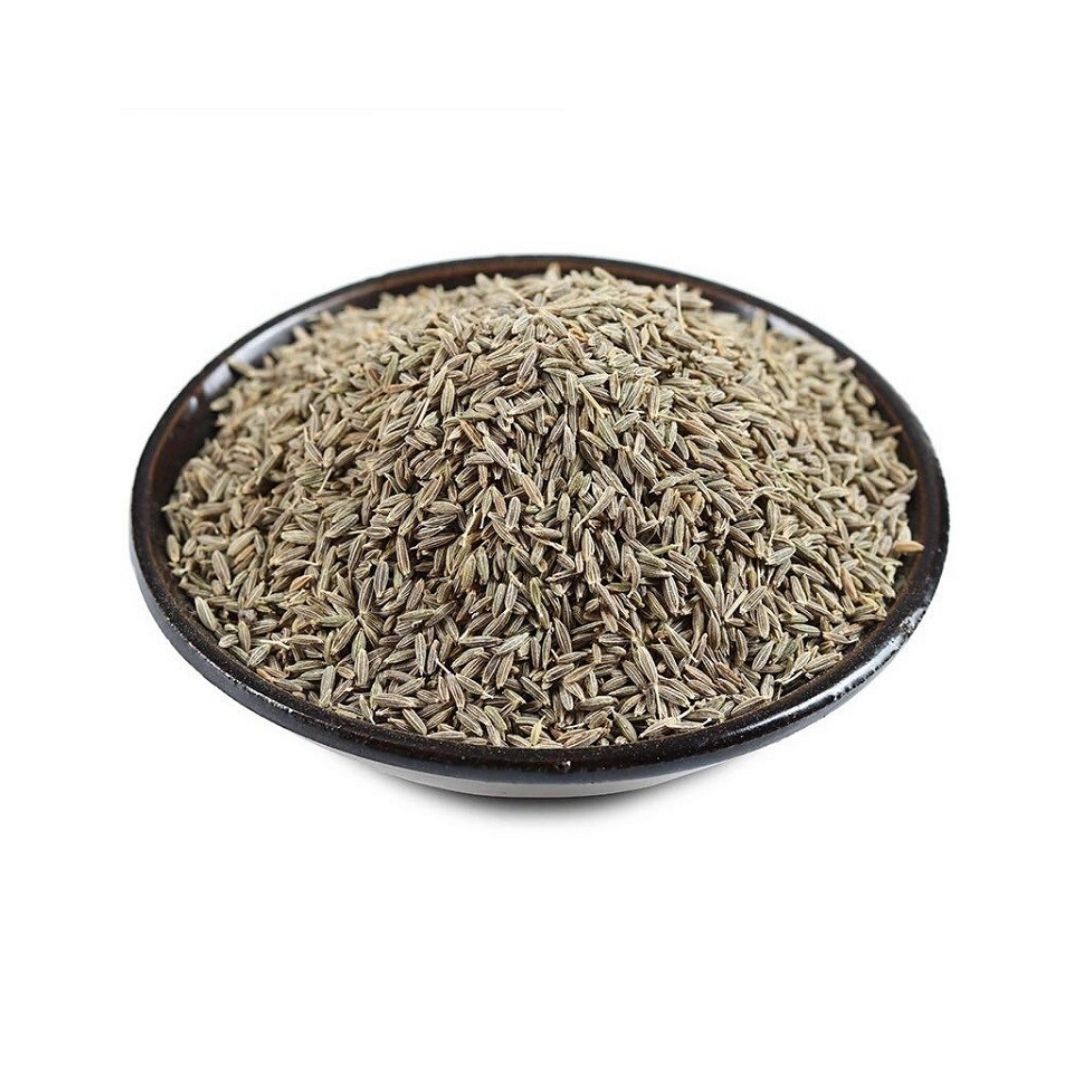
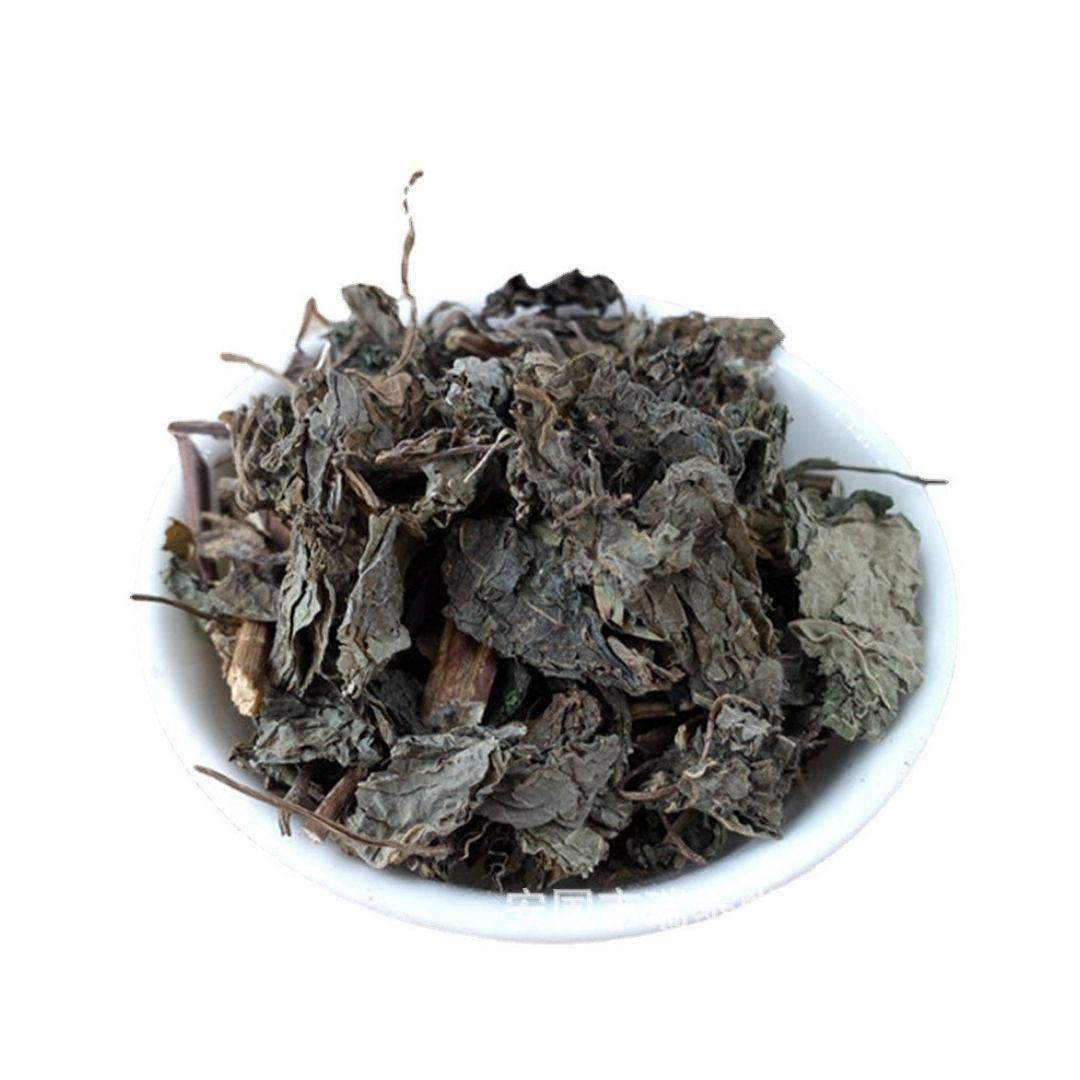
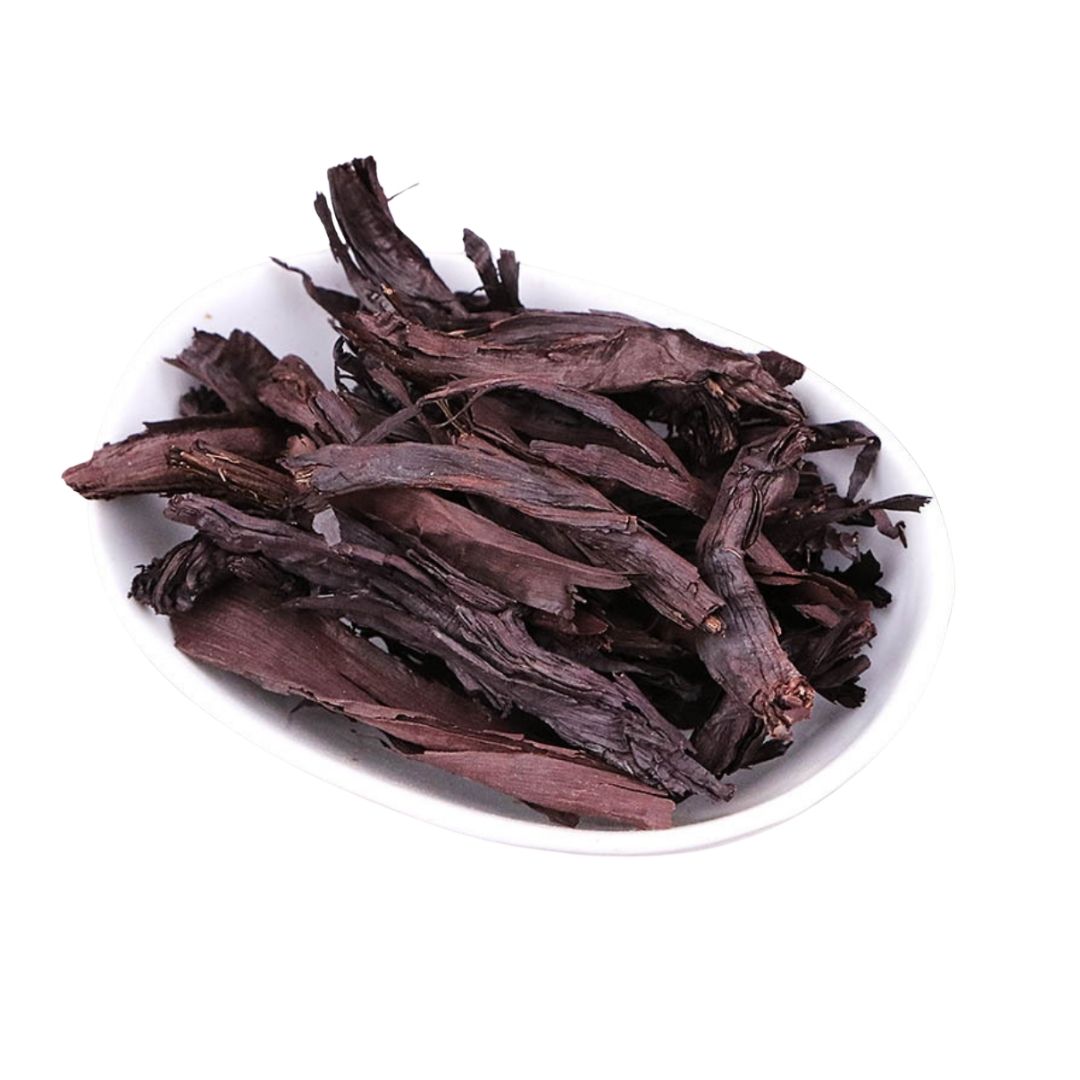
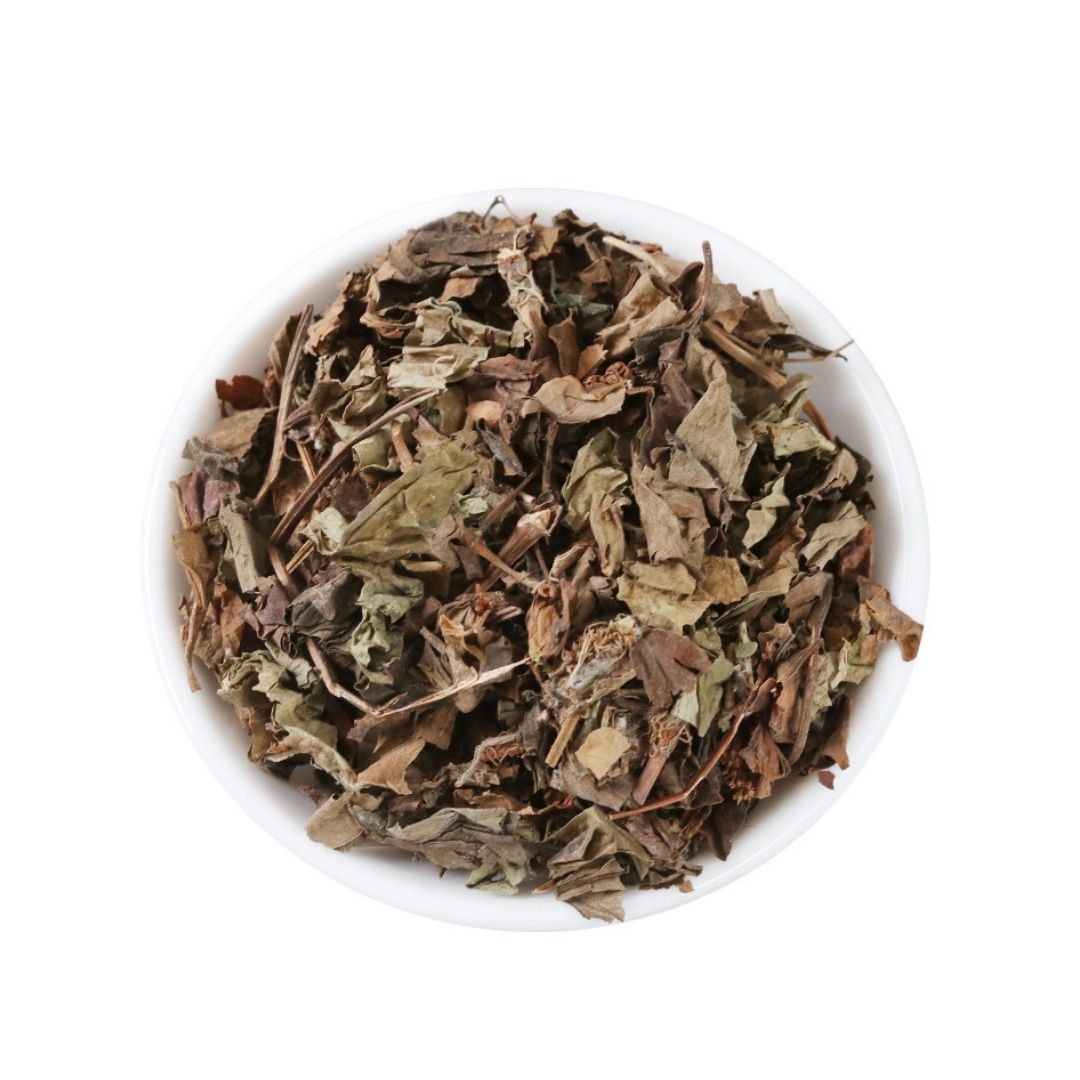
Nardostachys chinensis exists in several forms:
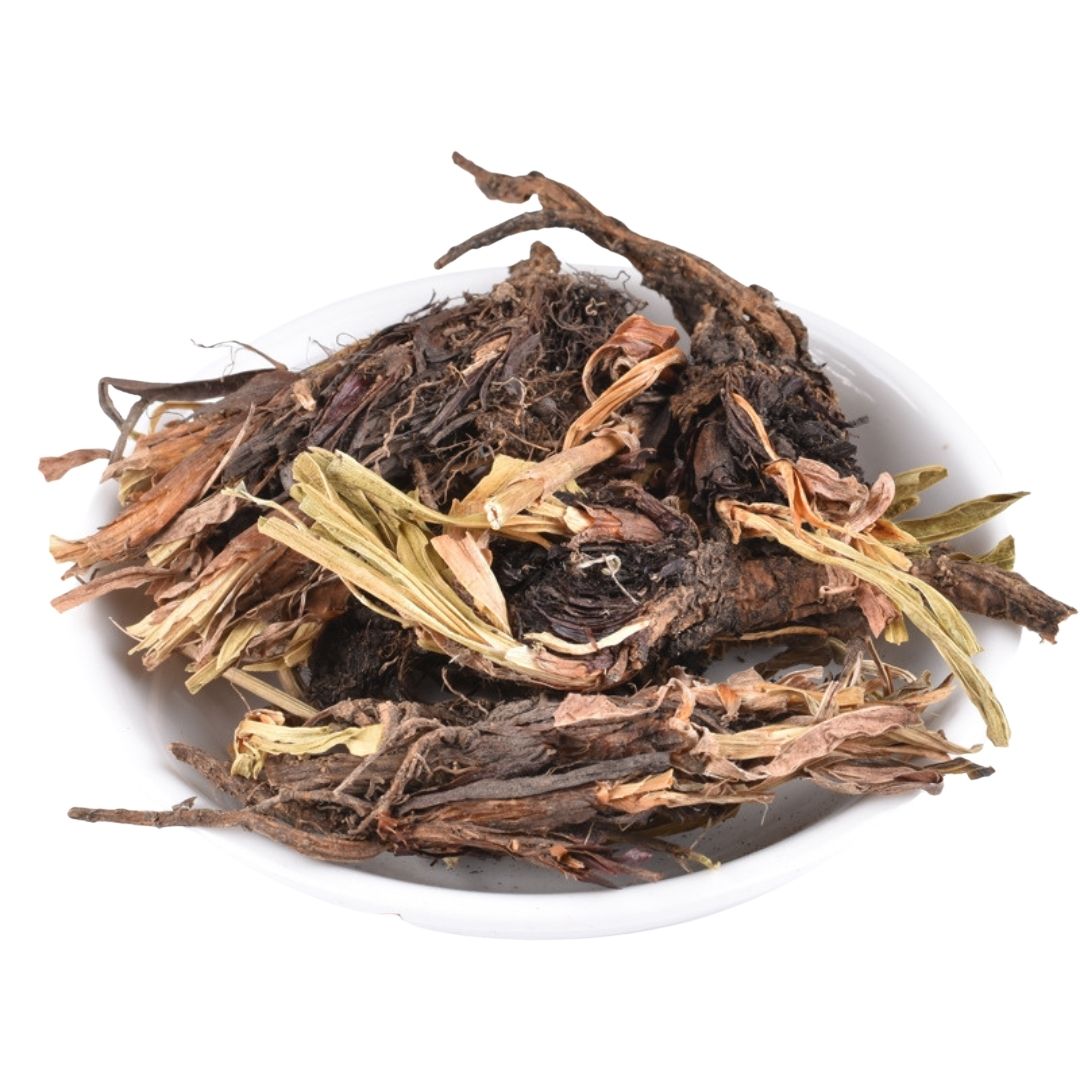
- Dried Rhizomes: Whole or cut rhizomes are common for traditional medicine and incense use.
- Powder: Ground rhizomes offer convenience for various applications.
- Essential Oil: Extracted for aromatherapy, perfumery, and specialized applications [2].
Application Scenarios and Usage Dosage
The applications of Nardostachys chinensis are diverse, spanning traditional medicine, aromatherapy, and culinary uses. However, it is most known for medicinal purposes, and has more limited usage in the culinary realm.
Culinary Applications:
In cooking, Nardostachys chinensis should be cautiously used due to its potent flavor. The dried, powdered rhizome is the most practical form for culinary use. It acts as a flavoring agent.
- Soups and Stews: A small pinch of the powder can add an earthy, grounding note to soups and stews. It pairs well with hearty flavors like root vegetables, mushrooms, and meats. A typical dosage would be 0.1-0.3 grams per liter of liquid [3].
- Spice Blends: Nardostachys chinensis can be added to spice blends, contributing complexity. It mixes well with spices like cinnamon, cloves, and cardamom in small amounts. A ratio of 1 part Nardostachys chinensis to 5-10 parts other spices is a suitable starting point.
- Meat Rubs: In meat rubs, the powder can enhance the flavor of grilled or roasted meats, especially lamb and beef. A dosage of 0.5-1 gram per kilogram of meat is generally enough [4].
- Teas and Infusions: While not a traditional tea ingredient, a tiny amount of Nardostachys chinensis can be infused into teas for its aroma and potential health benefits. Use approximately 0.1 gram per cup of hot water, and let it steep for 5-7 minutes.
- Desserts: In some regional cuisines, Nardostachys chinensis is used in desserts, to provide a unique flavor. It can be added to baked goods or custards. A dosage of 0.1-0.2 grams per kilogram of dry ingredients is sufficient [5].
Important Considerations:
- Potency: Start with very small amounts, and adjust to taste. The flavor can be strong, and is also at risk of overpowering other ingredients.
- Pairing: Pair with complementary flavors for balanced dishes.
- Quality: Obtain the spice from reputable sources to ensure purity.
Introduction to the Source Plant, Distribution, and Growing Environment
Nardostachys chinensis is a perennial herb belonging to the Valerianaceae family. It characteristically grows in high-altitude regions of the Himalayas, typically between 3,000 and 5,000 meters above sea level.
The plant prefers rocky slopes and alpine meadows, thriving in cool, moist environments. It is native to regions of China, Nepal, and India. The plant's growth cycle is slow, and it can take several years for the rhizomes to reach a size suitable for harvest. This slow growth contributes to its relative scarcity and higher value compared to other spices.
Harvesting, Processing, and Storage Preservation
The rhizomes of Nardostachys chinensis are typically harvested in the autumn. The plants are carefully uprooted, and the rhizomes are separated from the stems and roots. After harvesting, the rhizomes are cleaned and then dried, usually under sunlight or in a well-ventilated area. Drying reduces moisture content, preventing mold growth during storage [6].
Once dried, the rhizomes can be used whole, cut into smaller pieces, or ground into powder. Proper storage is essential to maintain their quality and potency. The dried rhizomes or powder should be kept in airtight containers, away from direct sunlight, heat, and moisture. A cool, dry place is ideal for storage. Properly stored Nardostachys chinensis can maintain its aroma and flavor for several years [7].
Citations:
[1] Chen, H., et al. "Chemical Constituents of Nardostachys chinensis and Their Biological Activities." Journal of Ethnopharmacology, vol. 123, no. 2, 2009, pp. 241-245.
[2] Li, Y., et al. "Essential Oil Composition of Nardostachys chinensis and Its Antimicrobial Activity." Industrial Crops and Products, vol. 43, 2013, pp. 643-647.
[3] Kapoor, L.D. Handbook of Ayurvedic Medicinal Plants. CRC Press, 2001.
[4] Smith, J., et al. "Traditional Uses and Bioactivity of Nardostachys Species." Phytotherapy Research, vol. 24, no. 8, 2010, pp. 1121-1128.
[5] Zhang, Q., et al. "Analysis of Volatile Compounds in Nardostachys chinensis by Gas Chromatography-Mass Spectrometry." Journal of Food Science, vol. 75, no. 9, 2010, pp. C647-C654.
[6] Williamson, E.M. Major Herbs of Ayurveda. Churchill Livingstone, 2002.
[7] Khare, C.P. Indian Medicinal Plants: An Illustrated Dictionary. Springer, 2007.
Mia Wu

Hi, I’m Mia Wu! I love helping customers discover the best natural ingredients for their products. With a passion for herbs, spices, and fungi, I work to make sure you get only the finest raw materials. Let's grow together! 🌱✨