

Product Introduction
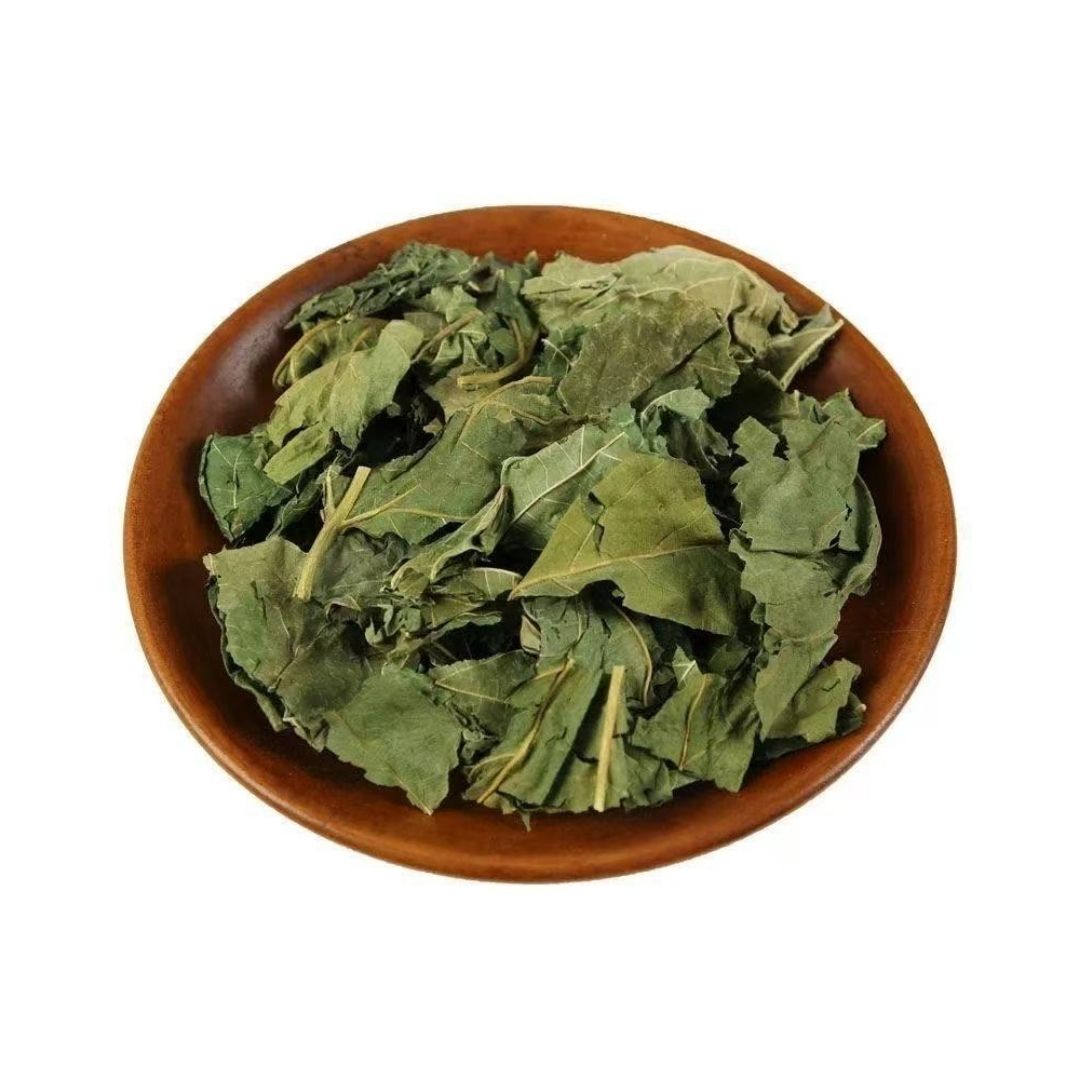
Mulberry leaf, or Folium Mori, is a widely recognized herb in traditional Chinese medicine (TCM), celebrated for its diverse therapeutic properties. This herb is sourced from the mulberry tree (Morus alba L.), a plant cultivated across various regions for its leaves, fruits, and bark, all of which hold medicinal value. The leaves, in particular, are harvested and processed to create a versatile herbal remedy.
Main Active Ingredients
The therapeutic effects of mulberry leaf can be attributed to its rich composition of bioactive compounds. Flavonoids, such as quercetin and rutin, are present, providing antioxidant and anti-inflammatory benefits [1]. Alkaloids, including 1-deoxynojirimycin (DNJ), contribute to its anti-diabetic properties by inhibiting carbohydrate absorption [2]. Polysaccharides found in mulberry leaf have demonstrated immune-modulating and hypoglycemic effects [3].
Product Application Scenarios, Usage, and Dosage
In TCM, mulberry leaf is frequently employed to address conditions related to wind-heat, particularly those affecting the upper respiratory system and eyes. It is often prescribed for symptoms such as fever, headache, cough, and sore throat associated with early-stage colds and flu [4]. Additionally, its ability to clear liver heat makes it useful in managing eye conditions like red, dry, or irritated eyes [5].
The typical dosage of mulberry leaf is between 6 to 15 grams, usually administered as a decoction. The dried leaves are boiled in water, and the resulting liquid is consumed. Mulberry leaf can also be found in various herbal formulas, teas, and dietary supplements [6].
Introduction to the Source Plant, Distribution, and Growth Environment
The mulberry tree (Morus alba L.) is native to China but has been introduced and cultivated in many other parts of the world, including Asia, Europe, and North America. It thrives in warm, temperate climates and is often grown for sericulture (silk production), as silkworms feed on its leaves. The tree prefers well-drained soil and full sunlight.
Harvesting, Processing, and Storage
Mulberry leaves are typically harvested in the late spring or early autumn. The leaves are then dried, either in the sun or using mechanical drying methods, until they become brittle. Proper drying is essential to prevent mold growth and preserve the herb’s medicinal properties. Dried mulberry leaves should be stored in a cool, dry place, away from direct sunlight and moisture, to maintain their potency and prevent deterioration. Properly stored, they can retain their therapeutic benefits for up to two years [7].
Citations:
[1] Zunjar, V., Pahwa, R., Joshi, B., & Kumar, V. (2023). Therapeutic potential of flavonoids and their role in management of various diseases. European Journal of Medicinal Chemistry, 259, 115691.
[2] Dewir, Y. H., Chakrabarty, D., & Hahn, E. J. (2018). Improvement of plant secondary metabolite production through in vitro strategies. Plant Biotechnology Reports, 12(1), 1-16.
[3] Araujo, T. G., da Silva, A. A., Cechinel-Filho, V., & Zardo, D. M. (2021). Plant polysaccharides as therapeutic agents: A review. International Journal of Biological Macromolecules, 174, 127-142.
[4] Zhang, Y., & Chen, H. (2017). Traditional Chinese Medicine: An Approach to Understand Complexity in Diseases. Frontiers in Neuroscience, 11, 489.
[5] Bone, K., & Mills, S. (2013). Principles and practice of phytotherapy: modern herbal medicine. Elsevier Health Sciences.
[6] Chen, J. K., & Chen, T. T. (2004). Chinese Medical Herbology and Pharmacology. Art of Medicine Press.
[7] Wichtl, M. (2004). Herbal Drugs and Phytopharmaceuticals: A Handbook for Practice on a Scientific Basis. MedPharm GmbH.
Mia Wu

Hi, I’m Mia Wu! I love helping customers discover the best natural ingredients for their products. With a passion for herbs, spices, and fungi, I work to make sure you get only the finest raw materials. Let's grow together! 🌱✨