

Product Introduction
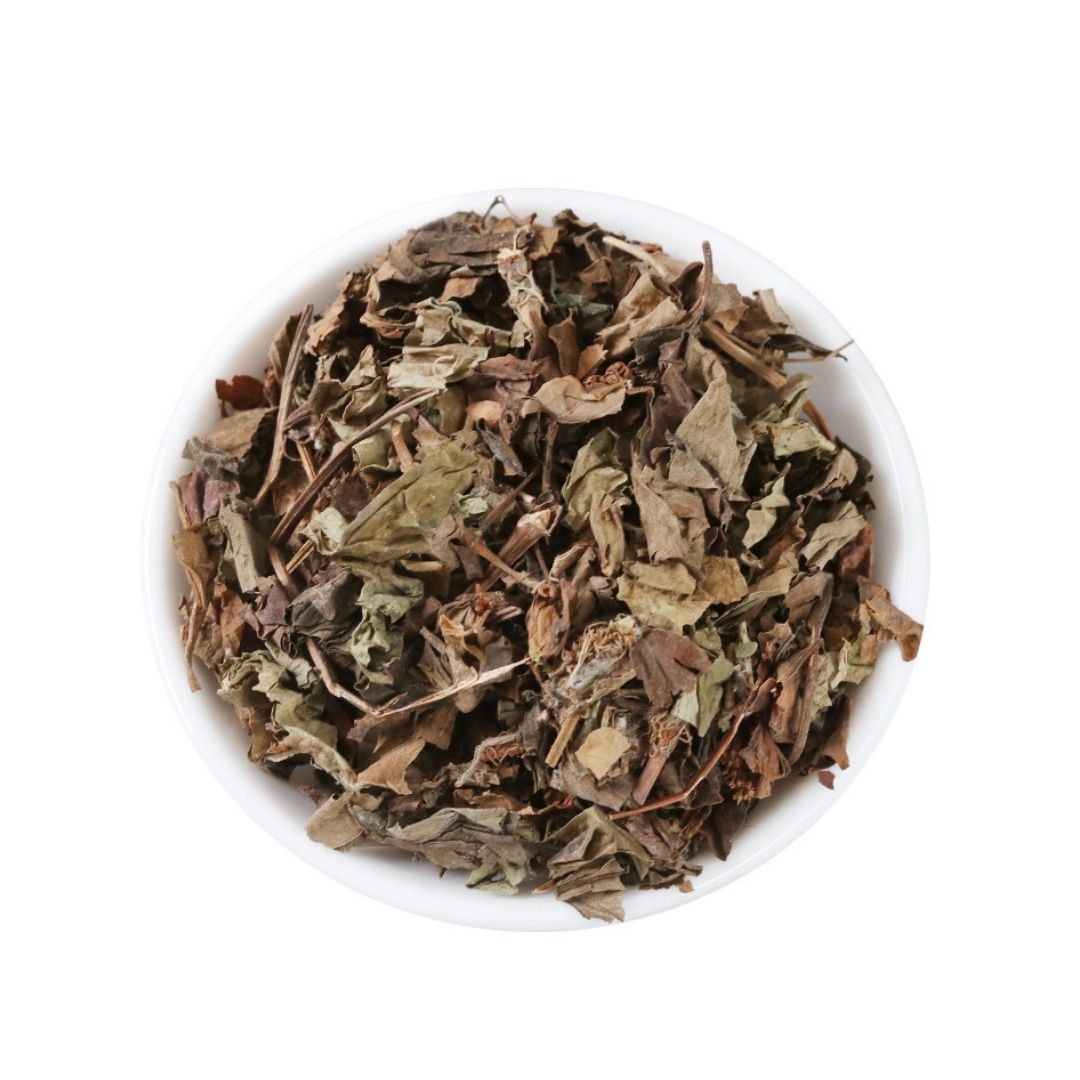
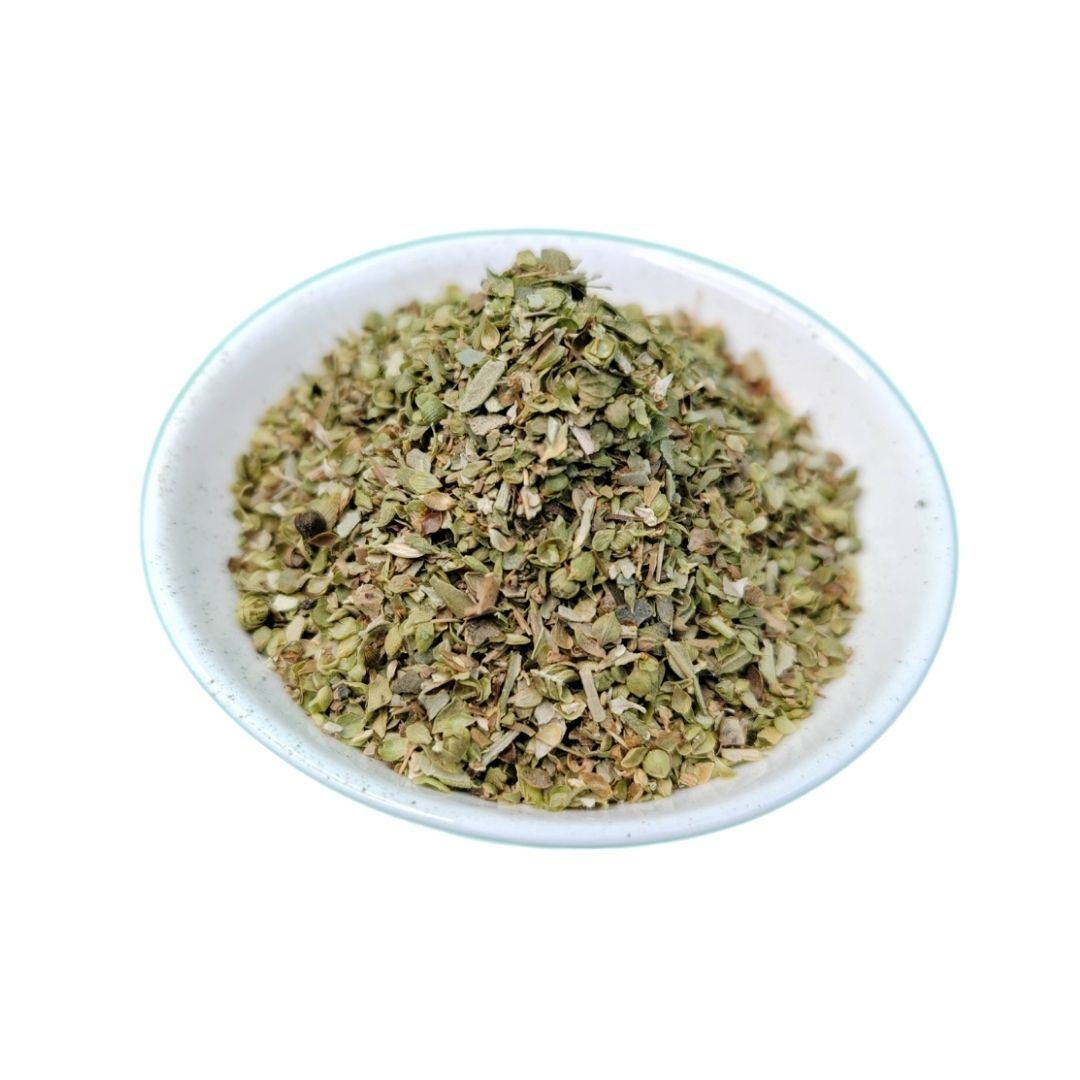
Minced oregano is derived from the dried leaves of the oregano plant, scientifically known as Origanum vulgare. A widely used culinary herb, oregano is celebrated for its robust and aromatic flavor profile. The plant itself is native to the Mediterranean and parts of Asia, but it is now cultivated globally. The leaves are harvested, dried, and then processed into a minced form to facilitate easy incorporation into various dishes.
This spice is characterized by its green to brownish-green color and its intensely fragrant, slightly bitter taste. The distinct flavor is attributed to several volatile compounds, primarily carvacrol and thymol, which are present in its essential oil. These compounds not only contribute to oregano's flavor but also possess antimicrobial and antioxidant properties.
In culinary applications, minced oregano is used to flavor a wide array of dishes, including Italian, Greek, and Mexican cuisine. It is commonly used in pizza sauces, pasta dishes, grilled meats, and vegetable preparations. The dried, minced form ensures a consistent flavor distribution and ease of use in both home cooking and industrial food production. Besides seasoning, oregano has also been used traditionally for its potential health benefits.
Aromatic Chemical Composition
The aromatic properties of minced oregano are mainly attributed to its volatile oil composition. Carvacrol and thymol are the predominant compounds, contributing significantly to its characteristic flavor and aroma [1, 2]. Other notable components include p-cymene and γ-terpinene.
Carvacrol is known for its pungent, warm, and slightly bitter flavor notes. Thymol complements carvacrol with its antiseptic and herbaceous nuances [3]. The ratio of carvacrol to thymol, along with the presence of other terpenes like p-cymene and γ-terpinene, determines the overall aromatic profile of the oregano. Environmental factors, such as climate, soil type, and harvesting time, can influence the concentration of these compounds, leading to variations in flavor intensity and quality [4].
What Types of Products Are Available?
Minced oregano is available in several forms to suit various culinary and industrial applications. The most common form is dried minced oregano, which is widely used as a seasoning spice. The size of the minced oregano may vary based on manufacturer preference.
Another form is oregano powder, which is ground into a fine consistency. This oregano powder is often used in spice blends. Oregano essential oil is also available, extracted from the leaves through steam distillation. Essential oil has concentrated flavor and is used in food manufacturing. Fresh oregano leaves are available, too, but are not minced.
Application Scenarios and Usage Dosage
Minced oregano finds extensive use in culinary applications, enhancing flavors across a diverse range of dishes. Its applications span various cuisines, including Mediterranean, Italian, Mexican, and Middle Eastern cuisines [5]. The herb's versatility makes it an essential ingredient in both home cooking and commercial food production; it is used to impart a savory, aromatic depth to many foods.
In Italian cuisine, minced oregano is a staple in pizza sauces, pasta sauces, and various tomato-based dishes [6]. It is often combined with other herbs such as basil, thyme, and rosemary to create complex flavor profiles in sauces, stews, and marinades. In Greek cuisine, minced oregano is frequently used to season grilled meats, particularly lamb and chicken. It is also added to traditional Greek salads, such as the Horiatiki salad, where its pungent flavor complements fresh vegetables and feta cheese.
Mexican cuisine utilizes minced oregano to flavor dishes like chili con carne, tacos, and enchiladas. It is often combined with cumin and chili powder to create authentic Mexican flavors. In Middle Eastern cuisine, minced oregano, particularly Za'atar spice blends, is used to season bread, dips, and roasted vegetables; oregano can be mixed with sesame seeds, sumac, and salt [7].
When using minced oregano, the appropriate dosage depends on the dish and personal preference. As a general guideline, 1 to 2 teaspoons of dried minced oregano are suitable for seasoning a standard family-sized meal (4-6 servings) [8]. For sauces, it is recommended to add oregano early in the cooking process to allow its flavors to meld with other ingredients. When using it as a seasoning for meats or vegetables, oregano can be applied before grilling, roasting, or sautéing.
Excessive use of oregano can lead to an overpowering, bitter taste; thus, moderation is advisable. It is also important to consider the form of oregano being used. Fresh oregano has a milder flavor than dried oregano, so adjusting the dosage accordingly is important. Oregano essential oil should be used sparingly because it is highly concentrated; a few drops can be enough to flavor an entire dish.
Introduction to the Source Plant, Distribution, and Growing Environment
Origanum vulgare, commonly known as oregano, is a perennial herb belonging to the Lamiaceae family [9]. The plant features small, oval-shaped leaves and small, tubular flowers that are typically purple or pink; it can grow to a height of about 20-80 cm. Oregano is native to the Mediterranean region, including Greece, Italy, and Turkey but has been naturalized and cultivated in other parts of the world due to its culinary and medicinal properties.
The plant thrives in warm, sunny environments with well-drained soil. It is often found growing in dry, rocky areas and open fields. Oregano is a relatively hardy plant, tolerating drought conditions and a range of soil types, but it prefers slightly alkaline soil with a pH between 6.5 and 7.5 [10].
Oregano is widely distributed across Europe, Asia, and North America. Commercial cultivation occurs in several countries, including Mexico, the United States, and various Mediterranean countries. The plant's adaptability to different climates and soil conditions has contributed to its widespread cultivation, enabling it to be grown in diverse geographical locations.
Harvesting, Processing, and Storage Preservation
Harvesting oregano leaves typically occurs when the plant reaches a height of about 15-20 cm, usually before the flowering stage; this is when the flavor and aroma are most concentrated. The plants can be harvested multiple times during the growing season, allowing for a continuous supply of fresh leaves [11]. Harvesting is typically done by hand, cutting the stems a few inches above the ground.
After harvesting, the oregano leaves are typically dried to reduce moisture content and preserve flavor. Drying can be done in various ways, including air-drying, oven-drying, or using mechanical dryers. Air-drying involves spreading the leaves in a thin layer on screens or trays in a well-ventilated area, away from direct sunlight [12]. Oven-drying involves placing the leaves in a low-temperature oven (around 40-50°C) until they are completely dry. Mechanical dryers use controlled temperature and airflow to dry the leaves quickly and efficiently.
Once the oregano leaves are dried, they are processed to create minced oregano. This involves crushing or grinding the dried leaves into smaller pieces. Sieves or screens may be used to achieve a uniform particle size. After processing, the minced oregano is packaged in airtight containers to protect it from moisture, light, and air [13].
Proper storage is essential, so the spice's flavor is retained. Minced oregano should be stored in a cool, dark, and dry place. Exposure to heat, light, and moisture can cause the herb to lose its flavor and aroma over time. Properly stored minced oregano can maintain its quality for 1-2 years.
Citations
[1] Skoula, M., Karioti, A., & Harvala, C. (1999). Chemical composition of the essential oil of Origanum vulgare L. ssp. hirtum (Link) Ietswaart growing wild in Crete. Journal of Agricultural and Food Chemistry, 47(11), 4559-4563.
[2] Lee, J., & Scagel, C. F. (2009). Antioxidant activity and inhibition of pro-inflammatory mediators by phenolic extracts from oregano (Origanum vulgare L.). Journal of Medicinal Food, 12(5), 986-994.
[3] Trombetta, D., Castelli, F., Sarpietro, M. G., Venuti, V., Bisignano, G., Saija, A., … & Nostro, A. (2005). Mechanisms of antibacterial action of three monoterpenes. Antimicrobial Agents and Chemotherapy, 49(6), 2474-2478.
[4] Rota, M. C., Herrera, A., Martínez, R. M., Sotomayor, J. A., & Jordán, M. J. (2008). Antimicrobial activity and chemical composition of Thymus vulgaris, Thymus zygis, and Origanum vulgare essential oils. Food Control, 19(7), 681-687.
[5] Peter, K. V. (Ed.). (2012). Handbook of herbs and spices (2nd ed.). Woodhead Publishing.
[6] De Sousa, L. M., Cerqueira, M. A., Hulbert, G. J., & Coimbra, M. A. (2020). Oregano essential oil as a potential food preservative: Physicochemical and sensory evaluation in fresh-cut melon. Innovative Food Science & Emerging Technologies, 59, 102253.
[7] Kamal, G. M., Anwar, F., Hussain, A. I., Sarri, N., Ashraf, M., & Alkharfy, K. M. (2011). Chemical composition, antioxidant and antimicrobial activities of essential oil of wild oregano (Origanum vulgare L.) grown in Pakistan. Journal of Food Science, 76(4), M235-M242.
[8] Ozkan, G., Bilek, S. E., & Demirci, M. (2010). Antimicrobial activity and use of Turkish oregano (Origanum minutiflorum) essential oil as a natural food preservative. Journal of Food Protection, 73(6), 1075-1081.
[9] Stahl-Biskup, E., & Sáez, F. (2002). Oregano: The genera Origanum and Lippia. CRC Press.
[10] Putievsky, E., & Galili, E. (2003). Origanum. In Spices (pp. 235-271). CRC Press.
[11] Novak, J., Lukas, B., Bolzer, A., & Grausgruber-Gruber, S. (2008). Influence of cultivation system and fertilization on essential oil components of oregano (Origanum vulgare L.). Journal of Agricultural and Food Chemistry, 56(2), 497-502.
[12] Demir, A., Özcan, M. M., Aktaş, M., & AlJuhaimi, F. Y. (2018). Effect of different drying methods on the essential oil composition of oregano (Origanum vulgare). Journal of Essential Oil Bearing Plants, 21(6), 1502-1512.
[13] Burt, S. (2004). Essential oils: Their antibacterial properties and potential applications in foods—a review. International Journal of Food Microbiology, 94(3), 223-253.
Mia Wu

Hi, I’m Mia Wu! I love helping customers discover the best natural ingredients for their products. With a passion for herbs, spices, and fungi, I work to make sure you get only the finest raw materials. Let's grow together! 🌱✨