

Product Introduction
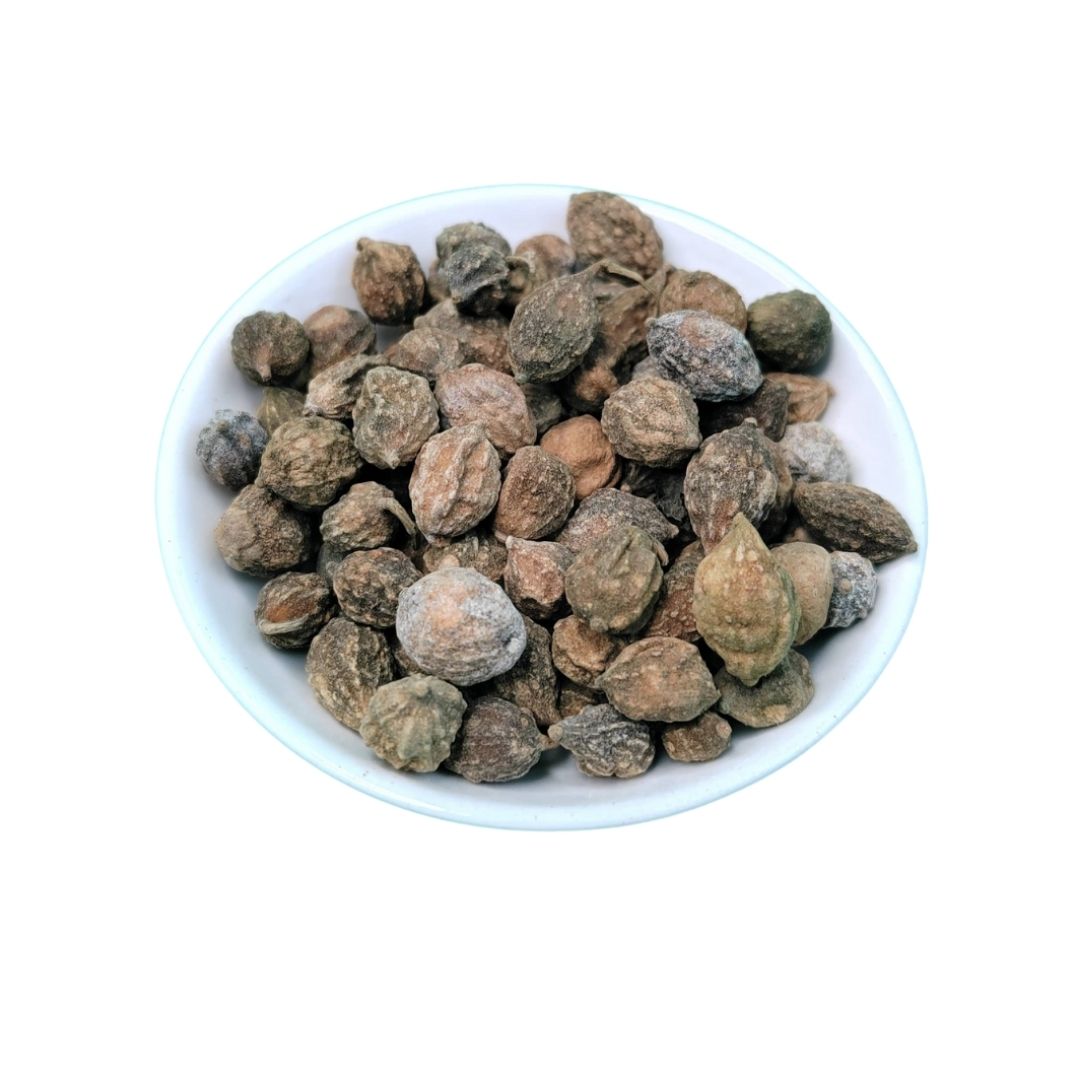
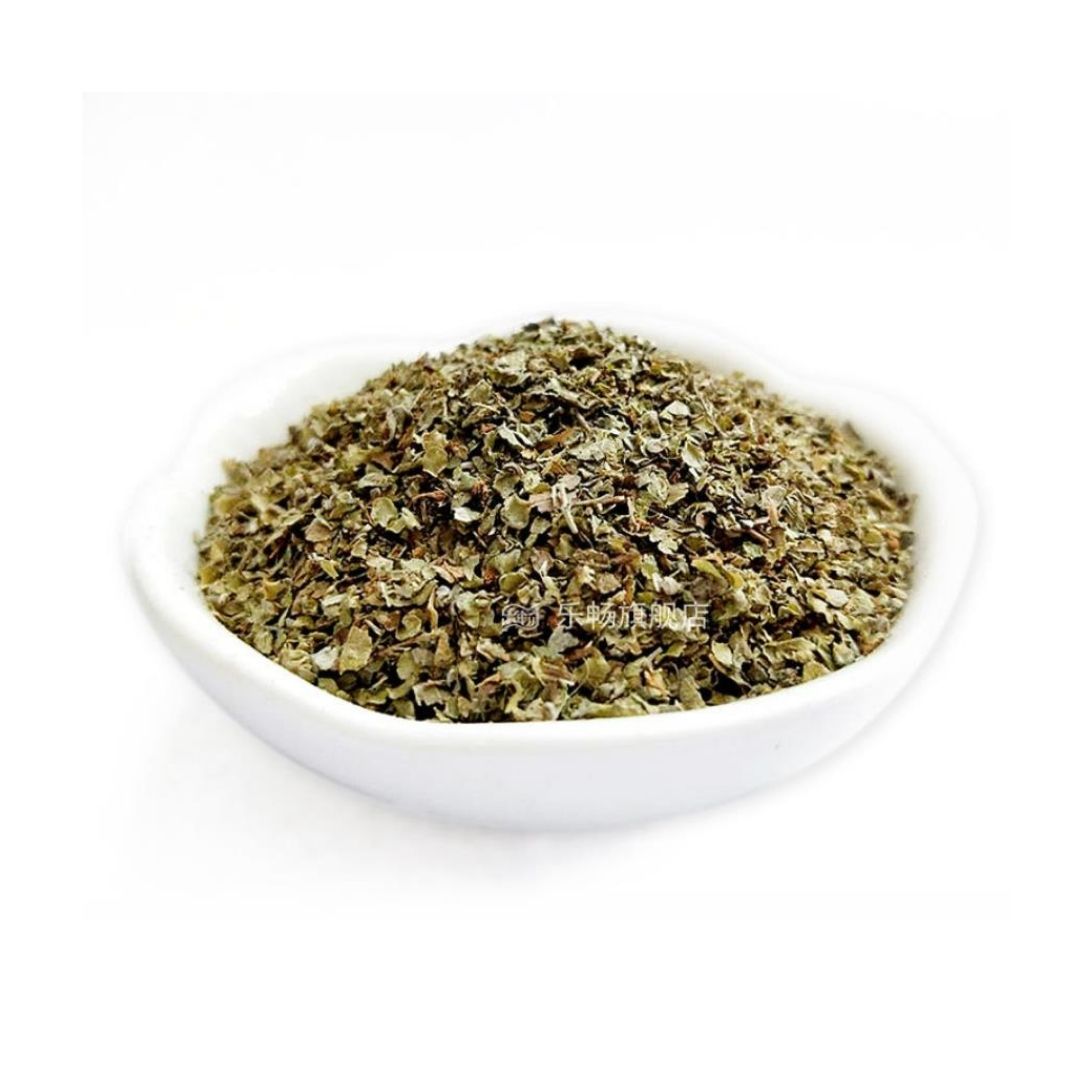
Marjoram, scientifically known as Origanum majorana, is an herb derived from the leaves of the marjoram plant, a member of the mint family. Native to the Mediterranean region, marjoram has been used for centuries in both culinary and medicinal applications. The dried leaves of the plant are commonly used as a spice, imparting a sweet, floral, and slightly citrusy flavor to a variety of dishes.
The marjoram plant is characterized by its small, oval-shaped leaves and delicate stems. It thrives in warm, sunny climates with well-drained soil. Due to its aromatic properties, marjoram is often included in herb gardens and used as an ornamental plant.
In the culinary world, marjoram is valued for its ability to enhance the flavors of meats, poultry, vegetables, and sauces. It is a common ingredient in Mediterranean and European cuisines, where it is frequently used in combination with other herbs such as thyme, rosemary, and oregano. Marjoram is also used to flavor sausages, stuffings, and soups.
Beyond its culinary uses, marjoram has a history of traditional medicinal applications. It has been used to relieve digestive issues, calm nerves, and promote relaxation. The essential oil of marjoram is sometimes used in aromatherapy for its calming and soothing properties. Marjoram is typically available in dried or fresh form, allowing for versatile use in various recipes, and should be stored in airtight containers in cool, dark environments to maintain its flavor and aroma.
Aromatic Chemical Composition
The aromatic profile of marjoram is attributed to its complex chemical composition, particularly the presence of various essential oils. Key components include:
- Sabinene: Contributes a woody and slightly spicy note.
- α-Terpinene: Provides a citrusy and fresh aroma.
- γ-Terpinene: Adds a lemony and herbal scent.
- Thymol: Offers a warm, slightly medicinal aroma with antiseptic properties [1].
These compounds, along with other volatile constituents, contribute to marjoram's distinctive and pleasant fragrance. The specific chemical composition can vary based on factors such as the plant's origin, growing conditions, and drying process.
What Types of Products Are Available?
Marjoram is available in several forms to suit different culinary and other applications:
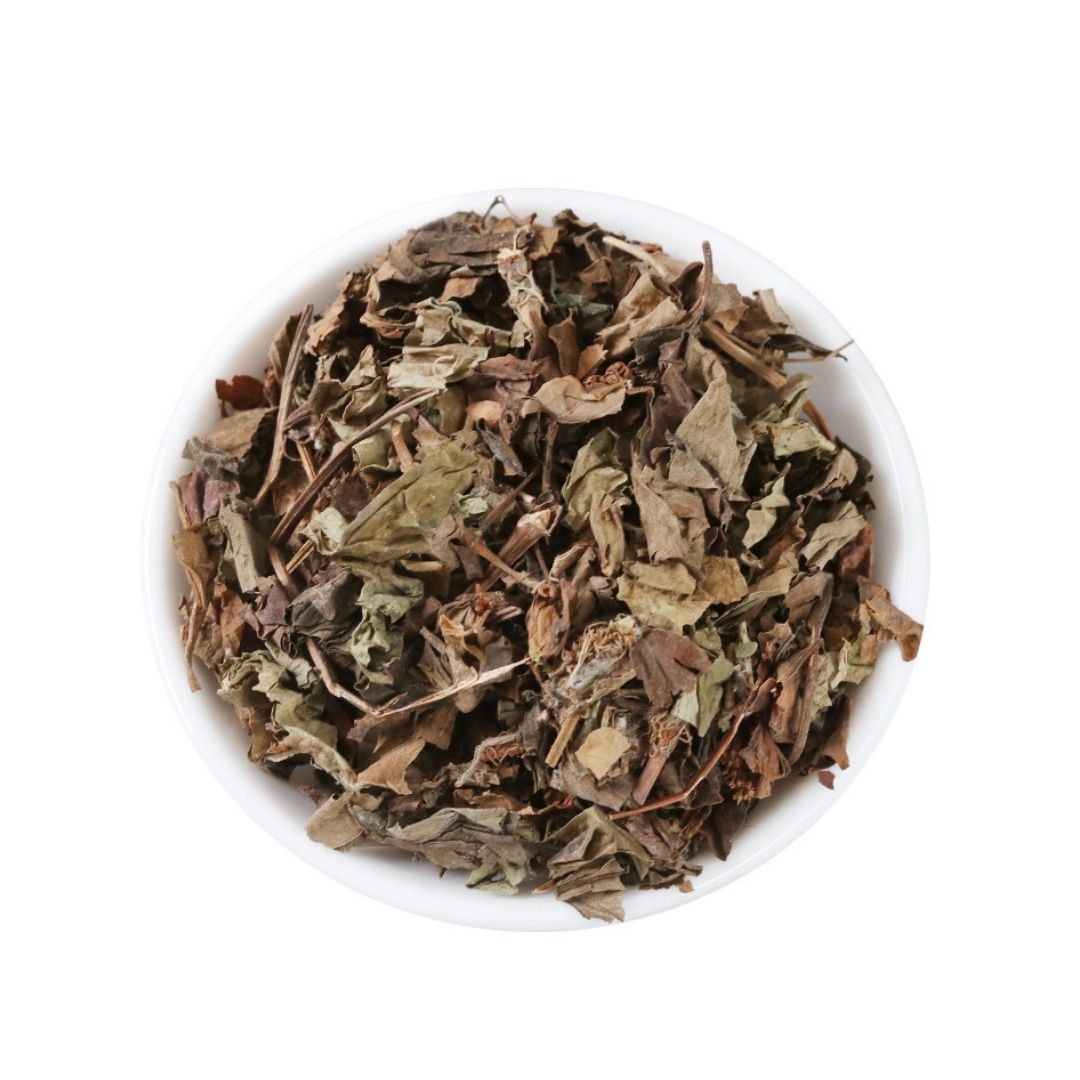
- Dried Marjoram Leaves: The most common form, consisting of dried and crumbled leaves; suitable for general cooking purposes.
- Fresh Marjoram: Freshly cut sprigs or leaves; preferred for dishes where a more vibrant flavor is desired.
- Marjoram Essential Oil: Concentrated oil extracted from marjoram leaves, used in aromatherapy and perfumery; requires dilution before use.
- Marjoram Powder: Ground marjoram leaves; offers convenience for blending into sauces and spice mixes.
Each form offers different flavor intensities and usage scenarios, and the choice depends on the specific recipe or application.
Application Scenarios and Usage Dosage
Marjoram is a versatile herb with a wide range of culinary applications. Its sweet and slightly spicy flavor makes it a valuable ingredient in many dishes, particularly in Mediterranean and European cuisines.
Culinary Applications:
- Meat Dishes: Marjoram pairs well with various meats, including beef, pork, lamb, and poultry. It can be used as a seasoning for roasts, stews, and grilled meats. It is also commonly added to sausages and stuffings to enhance their flavor profiles. Typical usage: 1-2 teaspoons of dried marjoram per pound of meat.
- Vegetable Dishes: Marjoram complements a variety of vegetables, such as tomatoes, potatoes, carrots, and zucchini. It can be sprinkled over roasted vegetables or added to vegetable soups and stews for extra depth of flavor. Fresh marjoram can be used as a garnish for salads and other vegetable dishes. Typical usage: 1 teaspoon of dried marjoram per pound of vegetables.
- Sauces and Soups: Marjoram is a key ingredient in many classic sauces, such as tomato sauce, béchamel sauce, and herb-infused vinaigrettes. It can also be added to soups and broths to impart a warm and aromatic flavor. Typical usage: 1/2-1 teaspoon of dried marjoram per quart of sauce or soup.
- Egg Dishes: Marjoram can be added to omelets, frittatas, and scrambled eggs to add a subtle herbaceous flavor. It pairs particularly well with cheese and other savory ingredients. Typical usage: 1/4-1/2 teaspoon of dried marjoram per egg dish.
- Herbal Teas: Marjoram can be used to make a soothing herbal tea. Simply steep a teaspoon of dried marjoram leaves in hot water for 5-10 minutes, then strain and enjoy. Marjoram tea is believed to have calming and digestive benefits.
Usage Tips:
- When using dried marjoram, it is best to add it early in the cooking process to allow the flavors to fully develop.
- Fresh marjoram should be added towards the end of cooking to preserve its delicate flavor and aroma.
- Marjoram can be used in combination with other herbs, such as thyme, rosemary, oregano, and sage, to create complex and balanced flavor profiles.
- When substituting fresh marjoram for dried marjoram, use approximately three times the amount, as fresh herbs tend to have a milder flavor.
- Start with a small amount of marjoram and adjust to taste, as the flavor can be quite potent, especially when using dried marjoram.
Dosage:
- For general culinary use, a typical dosage of dried marjoram is 1-2 teaspoons per pound of meat or vegetables.
- For sauces and soups, a dosage of 1/2-1 teaspoon per quart is usually sufficient.
- For herbal teas, use 1 teaspoon of dried marjoram leaves per cup of hot water.
Introduction to the Source Plant, Distribution, and Growing Environment
The marjoram plant, Origanum majorana, is a perennial herb belonging to the mint family (Lamiaceae). It is native to the Mediterranean region, including countries such as Egypt, Cyprus, and Turkey. The plant is characterized by its small, oval-shaped leaves, delicate stems, and compact growth habit, typically reaching a height of 1 to 2 feet [2].
Marjoram thrives in warm, sunny climates with well-drained soil. It prefers a slightly alkaline soil pH and requires moderate watering. The plant is sensitive to frost and cold temperatures, so it is often grown as an annual in regions with harsh winters.
Marjoram is widely cultivated in many parts of the world, including Europe, North America, and Asia. Major producers of marjoram include Egypt, France, Hungary, and the United States. The herb is grown both for commercial purposes, such as spice production, and for home gardens.
In addition to its culinary uses, marjoram is also valued for its ornamental qualities. It is often planted in herb gardens, rock gardens, and borders, adding a touch of greenery and fragrance to outdoor spaces.
Harvesting, Processing, and Storage Preservation
Harvesting:
- Marjoram is typically harvested when the plant is in full bloom, as this is when the leaves contain the highest concentration of essential oils and flavor compounds [3].
- The leaves can be harvested by cutting the stems close to the base of the plant. It is best to harvest in the morning after the dew has dried, as this helps to preserve the herb's aroma and flavor.
Processing:
- After harvesting, the marjoram leaves can be used fresh or dried for later use.
- To dry marjoram, the leaves can be spread out on a screen or tray and allowed to air dry in a cool, dark, and well-ventilated area. Alternatively, the leaves can be dried in a dehydrator at a low temperature (around 100-110°F or 38-43°C).
- Once the leaves are completely dry, they can be crumbled or ground into a powder for use as a spice.
Storage Preservation:
- Dried marjoram should be stored in an airtight container in a cool, dry, and dark place. This will help to preserve the herb's flavor and aroma for up to one year.
- Fresh marjoram can be stored in the refrigerator, wrapped in a damp paper towel, for up to one week. Alternatively, the leaves can be frozen for longer storage.
Additional Tips:
- To maintain the quality of dried marjoram, it is important to avoid exposure to moisture, heat, and light.
- It is best to use dried marjoram within one year of purchase, as the flavor will gradually decline over time.
- When using dried marjoram in recipes, it is often helpful to rehydrate the leaves by soaking them in warm water for a few minutes before adding them to the dish.
Citations:
[1] V. Radušienė, D. Mockutė, R. Bernotienė, A. Judžentienė. Chemical composition and antimicrobial activity of Origanum majorana L. and Origanum heracleoticum L. essential oils from Lithuania. Food Chemistry. 2005, 91(1), pages 127-133.
[2] Simon, J.E., Chadwick, A.F., and Craker, L.E. 1984. Herbs: An indexed bibliography. 1971-1980. Archon Books, Hamden, CT.
[3] Lawrence, B.M. 1992. Chemical components of labiatae oils and their exploitation. In: R.M. Harley, T. Reynolds, eds. Advances in Labiate Science. Royal Botanic Gardens, Kew, pp. 399-436.
Mia Wu

Hi, I’m Mia Wu! I love helping customers discover the best natural ingredients for their products. With a passion for herbs, spices, and fungi, I work to make sure you get only the finest raw materials. Let's grow together! 🌱✨