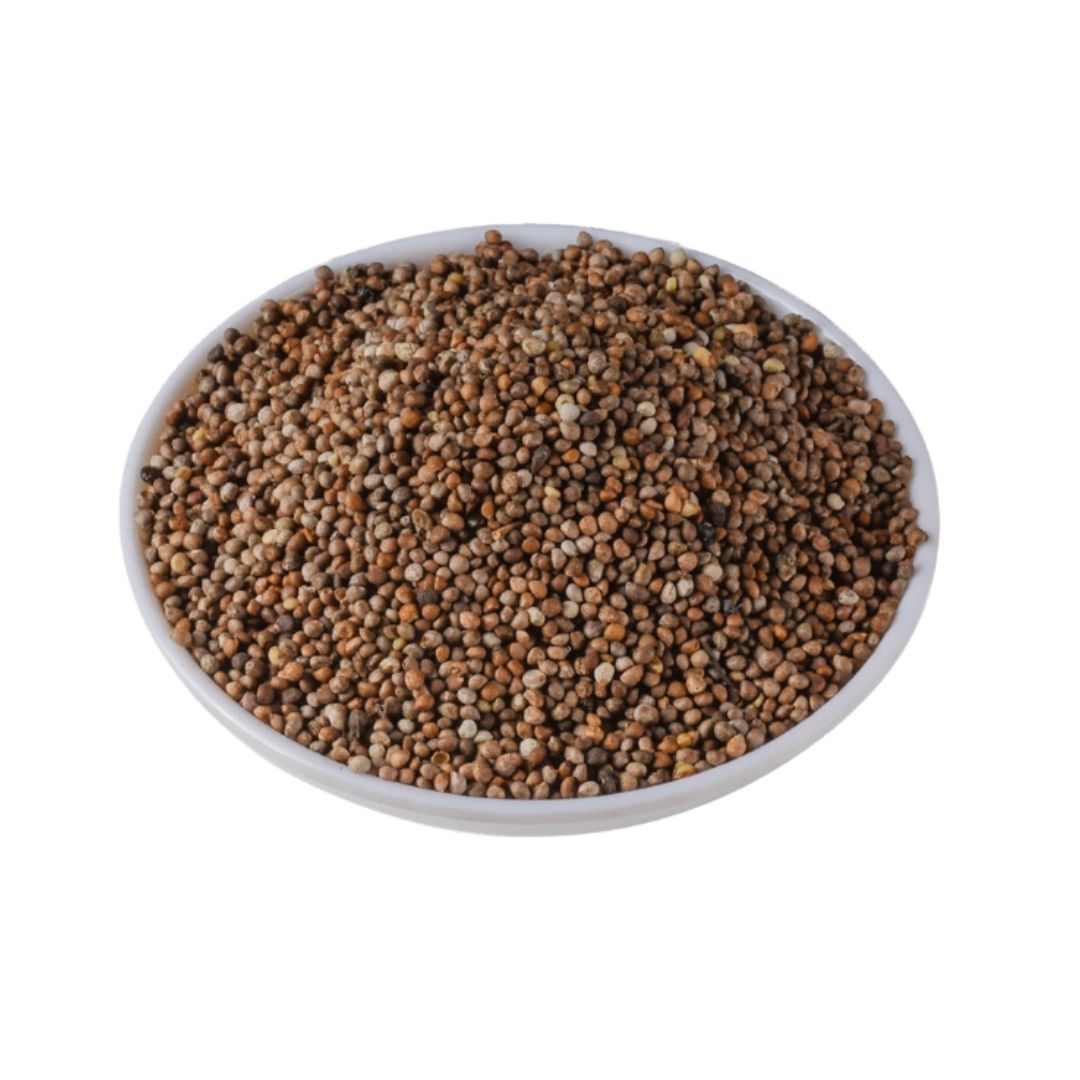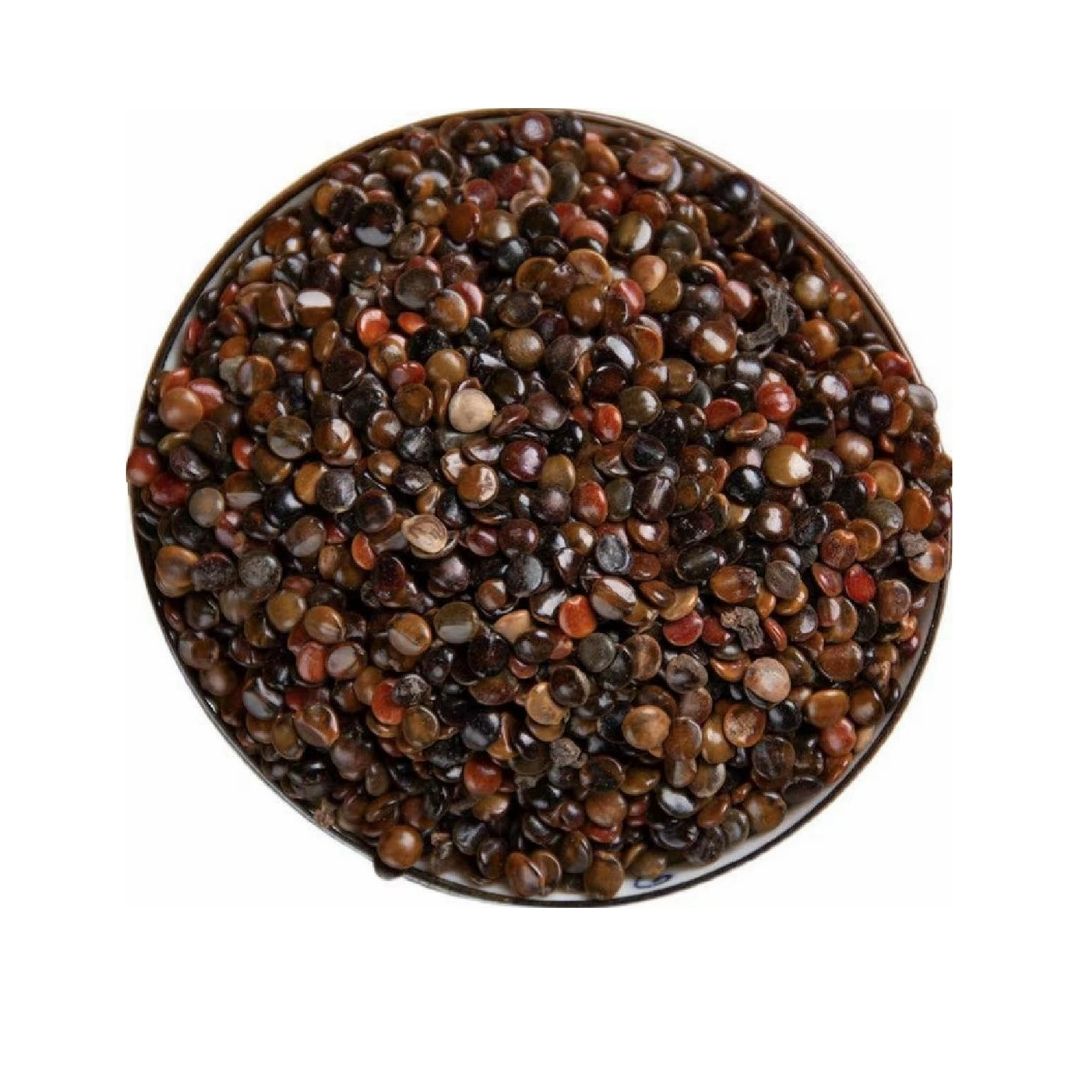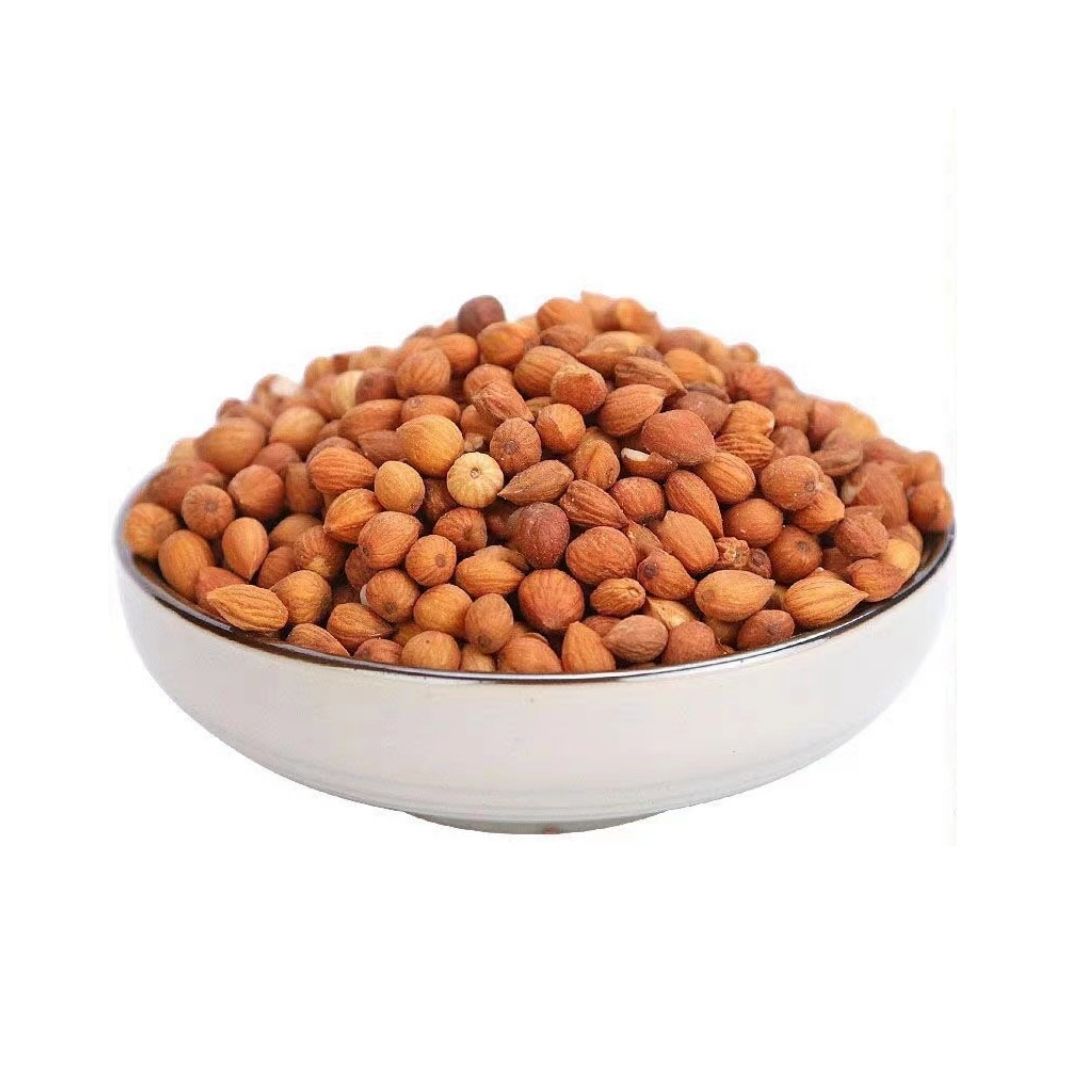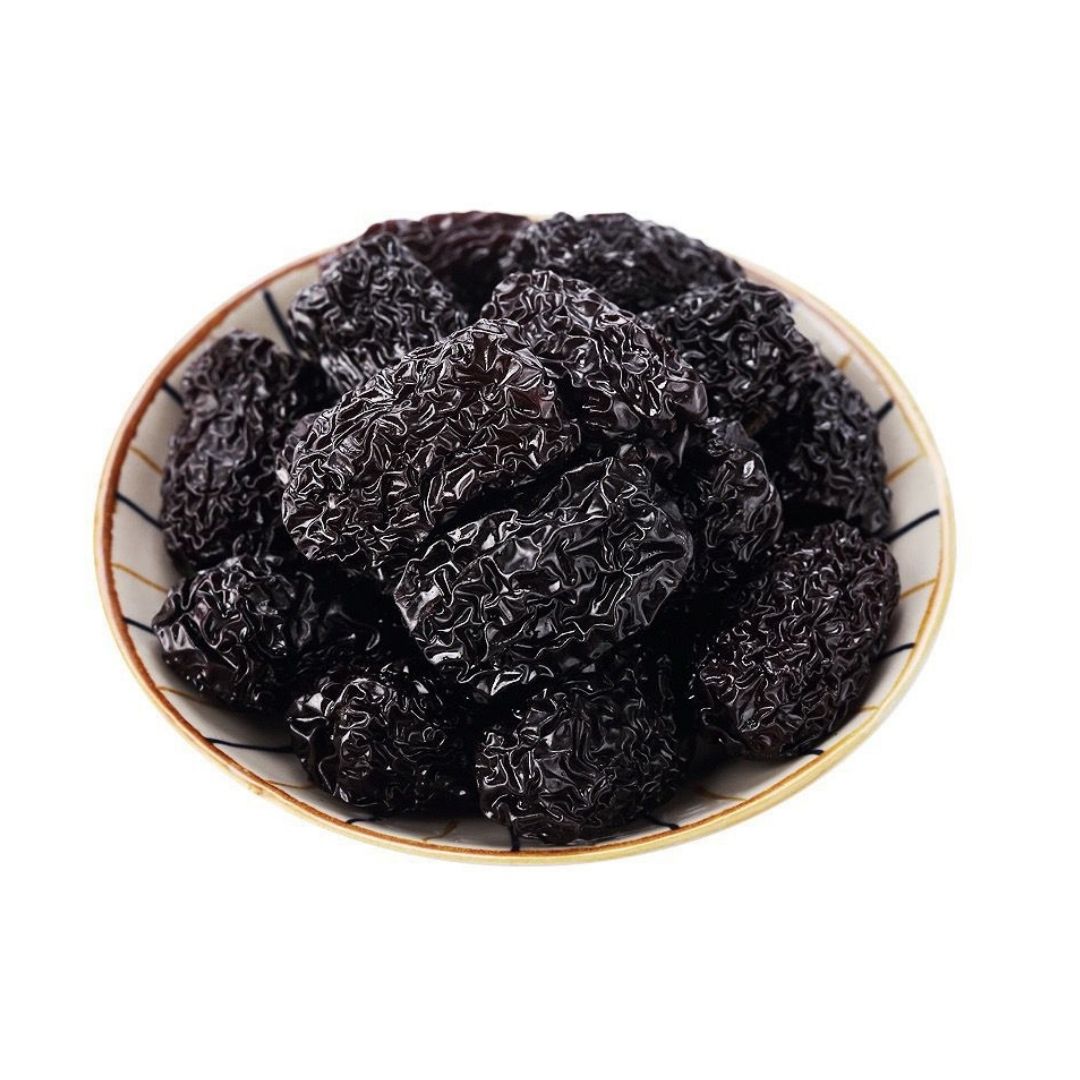


Product Introduction
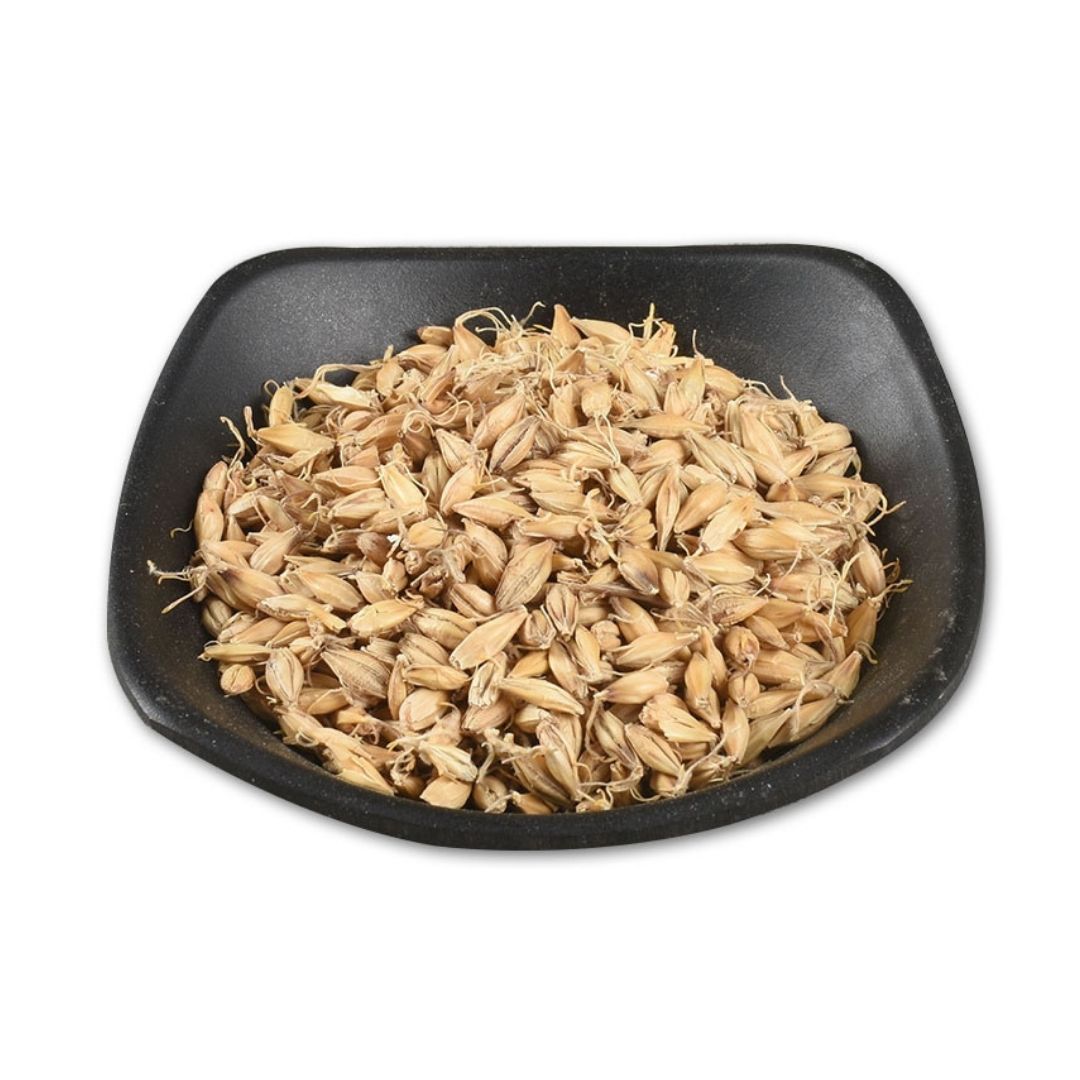
Malt, also known as Mai Ya, is derived from the germinated seeds of barley. During the germination process, enzymes within the barley seeds are activated, which convert starches into simpler sugars. This process not only changes the composition of the barley but also its therapeutic properties. Traditional Chinese Medicine(TCM) utilizes malt primarily for its digestive benefits, making it a common ingredient in herbal formulas designed to aid in food digestion and to alleviate stagnation.
Main Active Ingredients
The primary active ingredients in malt include amylase, various proteins, and vitamins. Amylase is crucial because it facilitates the breakdown of complex carbohydrates into simpler, more easily digestible sugars. The proteins in malt also contribute to its nutritional profile, while the vitamins present support overall metabolic functions. These components work synergistically to enhance the herb's therapeutic effects, especially in promoting healthy digestive processes.
Product Application Scenarios, Usage, and Dosage
Malt is frequently used in scenarios involving indigestion, particularly when caused by the overconsumption of starchy or rich foods. It is often prescribed for individuals experiencing bloating, abdominal distension, or a lack of appetite due to food stagnation. In TCM, malt is considered effective in "moving Qi" in the digestive system, thereby promoting better digestive function. The typical dosage of malt is between 9 to 15 grams, usually administered in decoction form. It may also be found in various prepared herbal formulas targeting digestive health.
Introduction to the Source Plant, Distribution, and Growth Environment
Barley, scientifically known as Hordeum vulgare, is an annual grass widely cultivated around the world. It thrives in temperate climates with well-drained soils. Barley is one of the oldest cultivated grains, with evidence suggesting its use dating back thousands of years. Major barley-producing regions include Europe, North America, and Asia. The plant typically grows to a height of about one meter and features long, slender leaves and dense spikes of flowers that develop into grains.
Harvesting, Processing, and Storage
The harvesting of barley for malt production involves collecting the grains once they have reached maturity. The grains are then steeped in water to initiate germination, which is carefully controlled to achieve the desired enzymatic activity. Once the grains have sprouted to the appropriate extent, the germination process is halted by drying the grains with warm air. This drying process also helps to preserve the enzymes. Properly processed malt should be stored in a cool, dry place to prevent moisture absorption and maintain its potency.
Citations:
- Chen, John K., and Tina T. Chen. Chinese Herbal Materia Medica. Third edition. Pasadena, CA: Art of Medicine Press, 2012.
- Bensky, Dan, Steven Clavey, and Erich Stöger. Chinese Herbal Medicine: Materia Medica. 3rd ed. Seattle, WA: Eastland Press, 2004.
Mia Wu

Hi, I’m Mia Wu! I love helping customers discover the best natural ingredients for their products. With a passion for herbs, spices, and fungi, I work to make sure you get only the finest raw materials. Let's grow together! 🌱✨