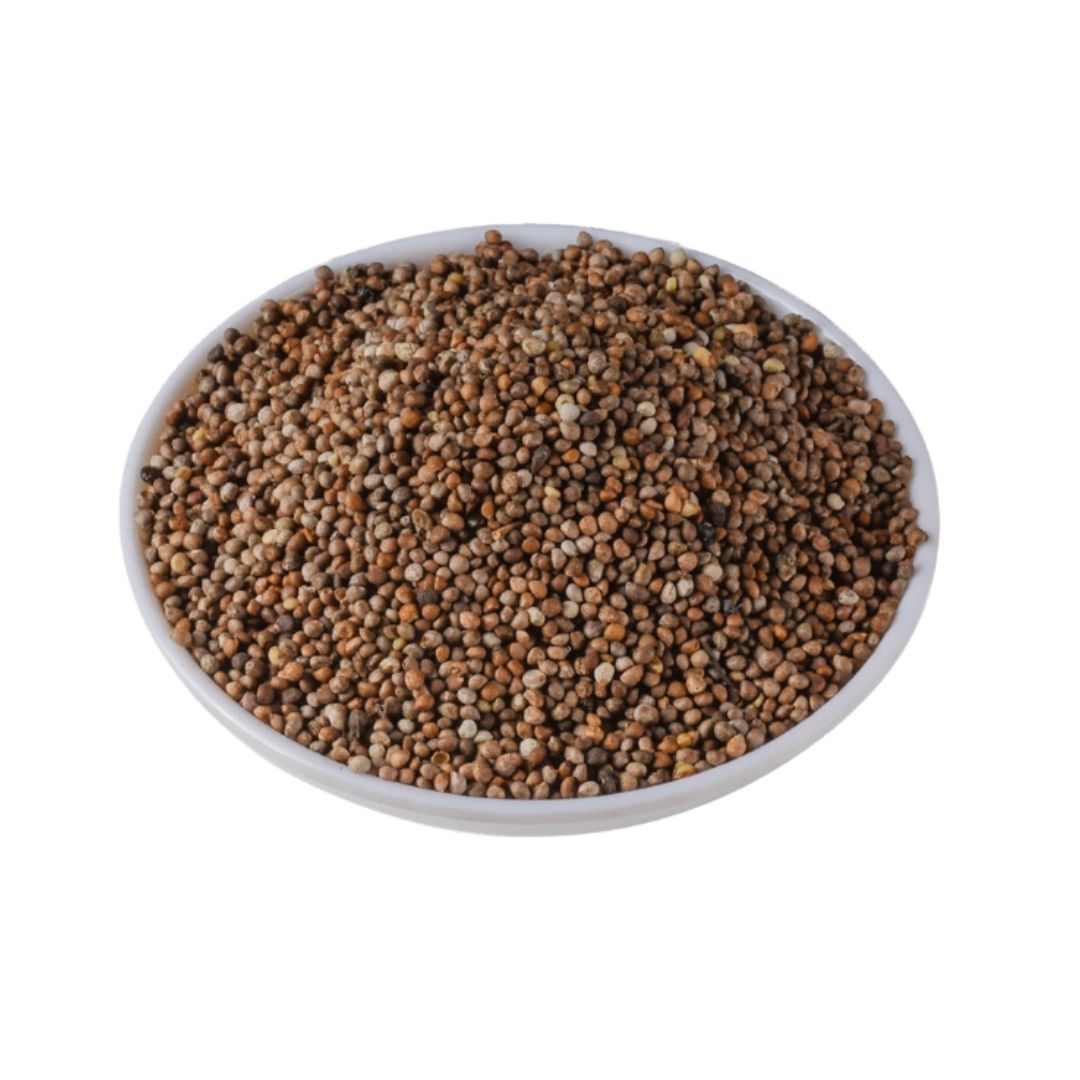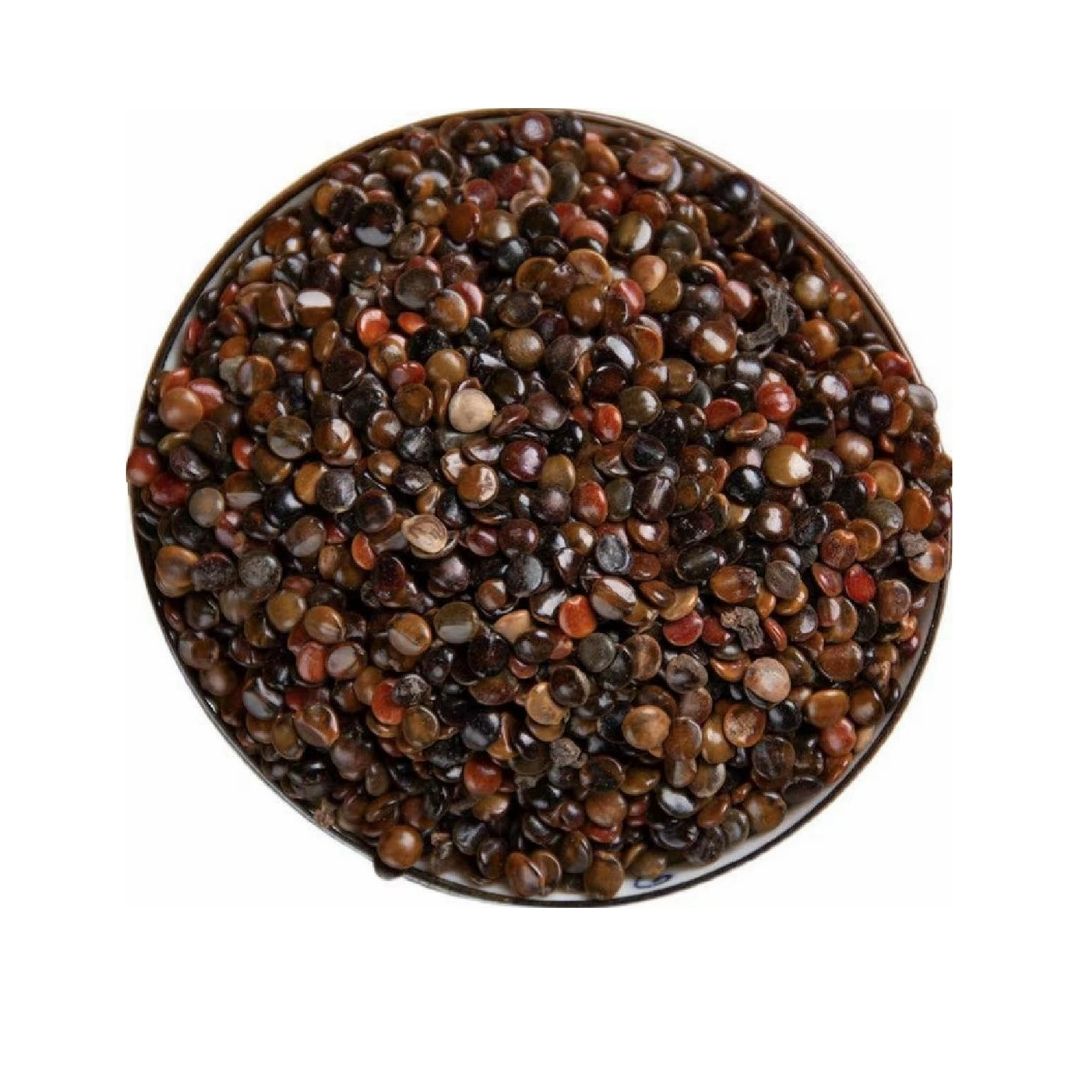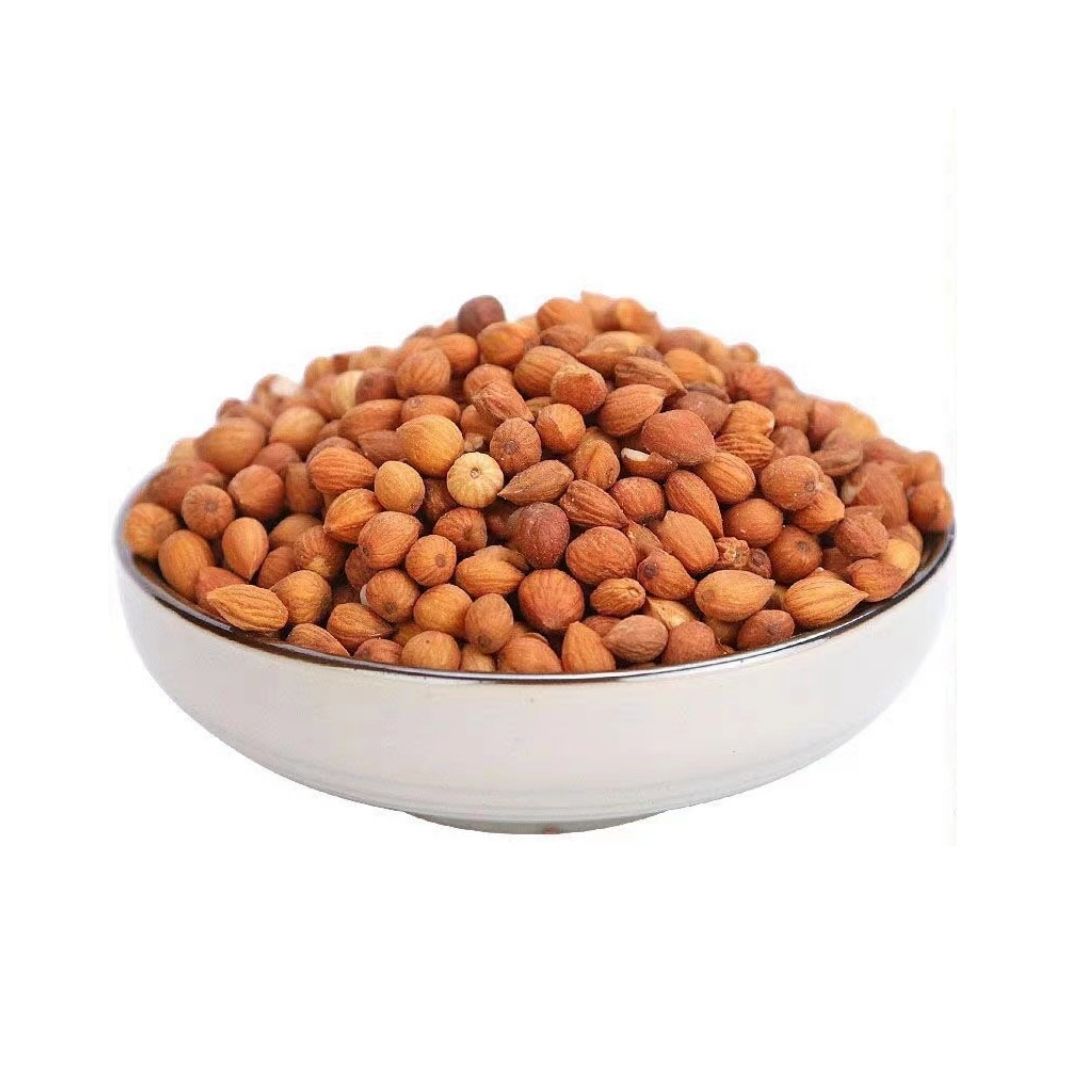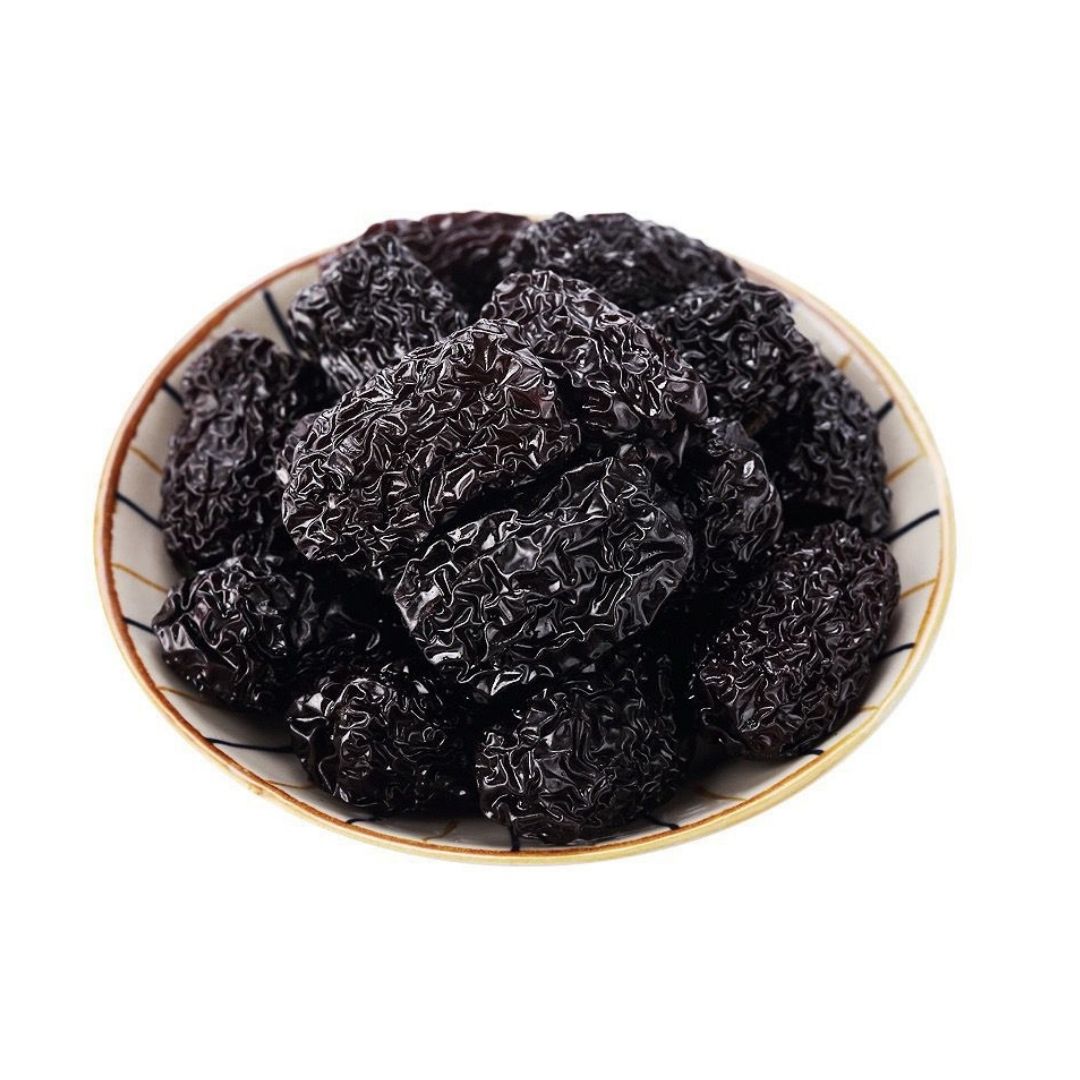


Product Introduction
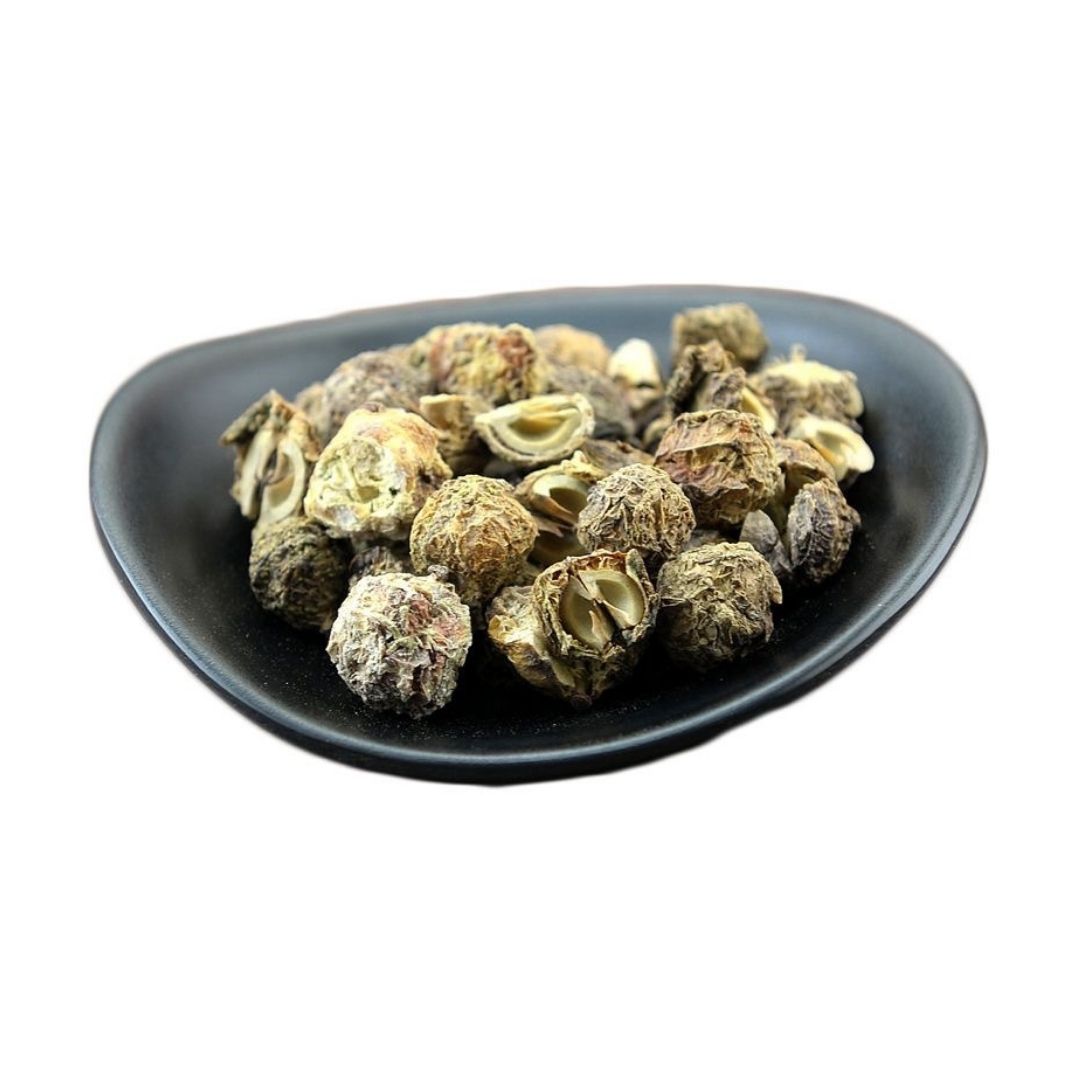
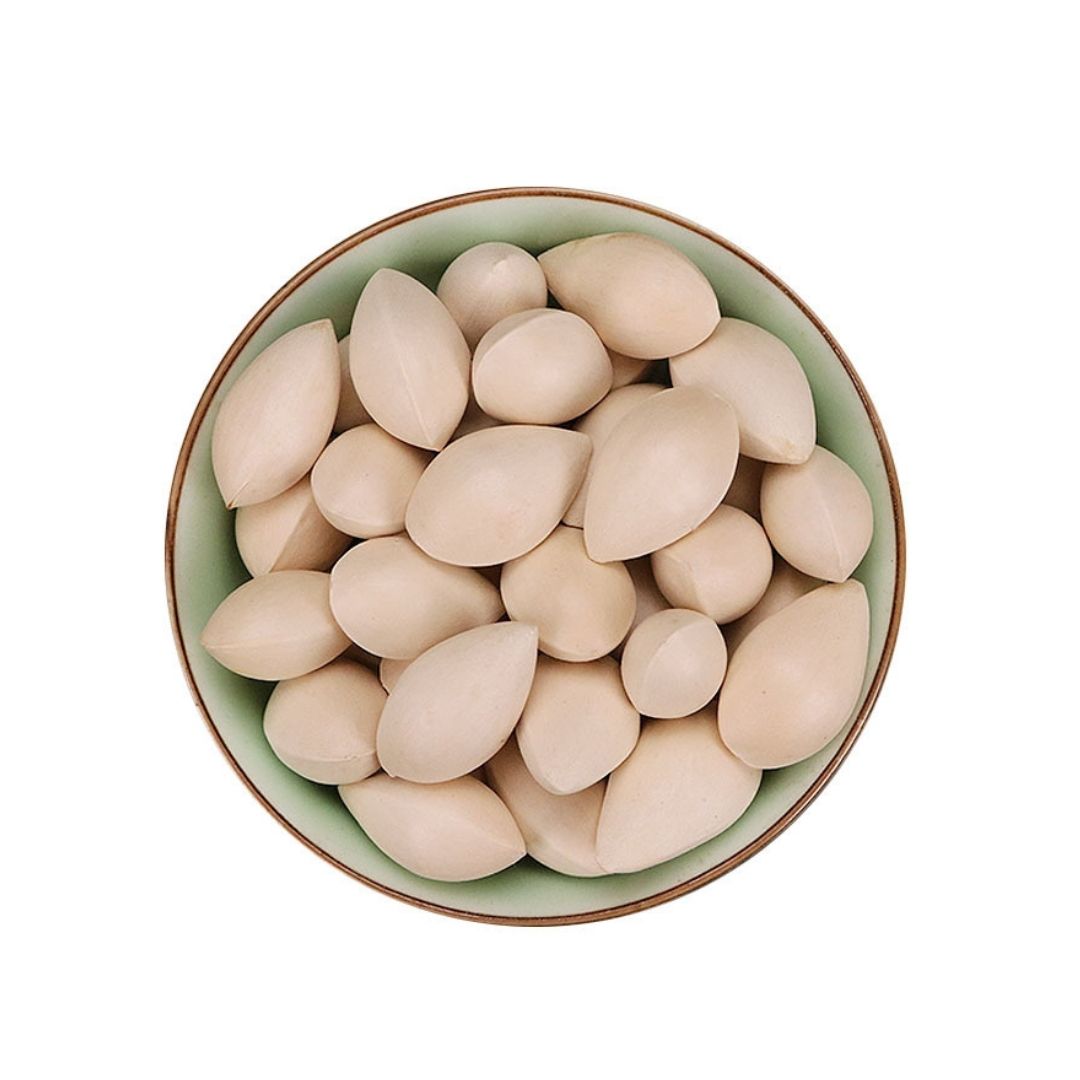
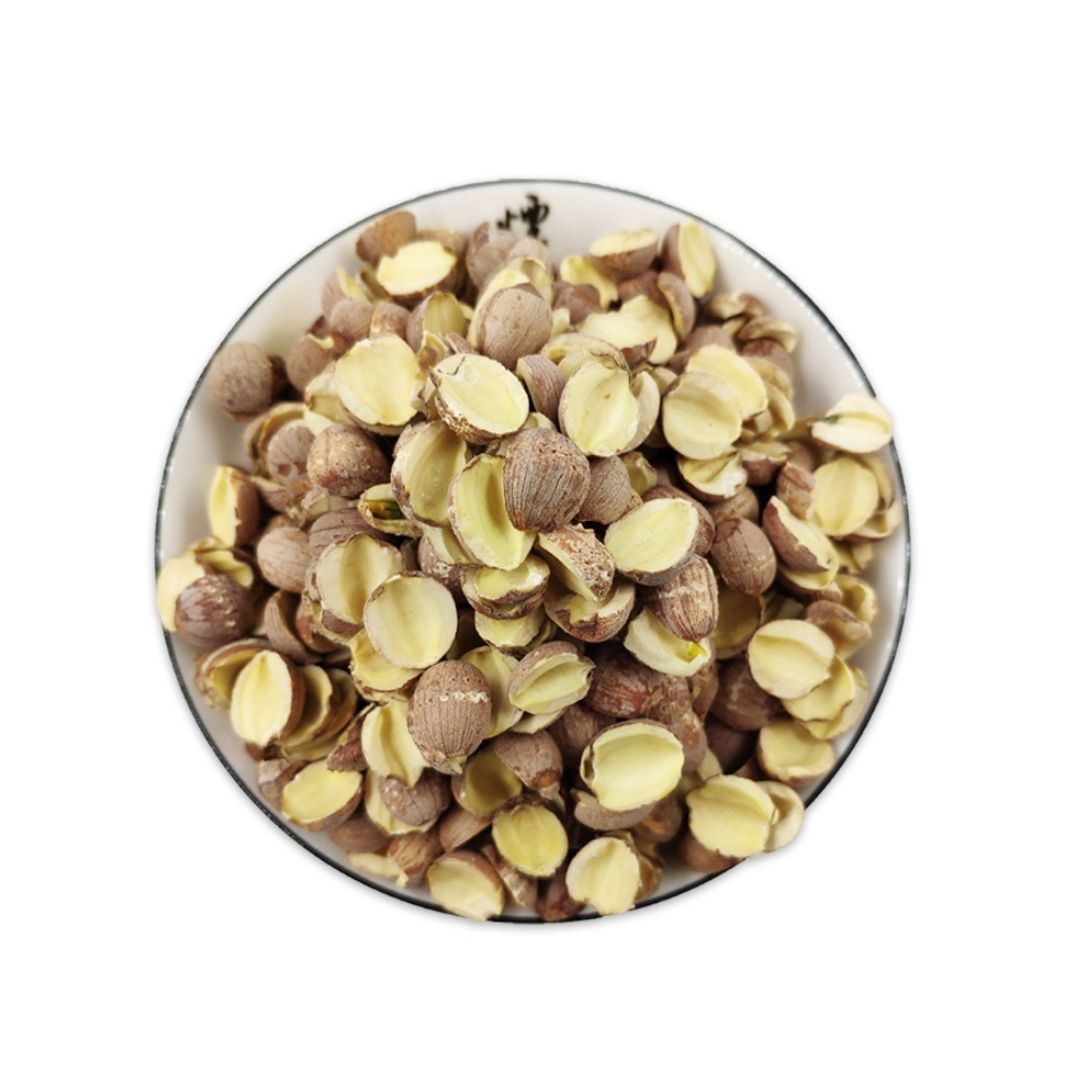
Lotus seeds, derived from the lotus plant (Nelumbo nucifera), are widely used in traditional Chinese medicine and cuisine, offering a range of health benefits. These seeds are known for their nutritional richness, containing significant amounts of carbohydrates, proteins, and essential minerals. They are commonly incorporated into various dietary and medicinal preparations to support overall well-being.
Main Active Ingredients
The primary active ingredients in lotus seeds include complex carbohydrates, proteins, and minerals such as magnesium, phosphorus, and potassium. These components contribute to the seeds' nutritional profile, which supports various physiological functions. Additionally, lotus seeds contain antioxidants and alkaloids, which may contribute to their medicinal properties.
Product Application Scenarios, Usage, and Dosage
Lotus seeds are versatile and can be used in multiple scenarios. They are often cooked in soups, desserts, and savory dishes to enhance nutritional value and flavor. In traditional Chinese medicine, the typical dosage ranges from 6 to 15 grams, depending on the specific condition being addressed. It is advisable to consult with a healthcare provider or TCM practitioner for personalized guidance on dosage and usage.
Introduction to the Source Plant, Distribution, and Growth Environment
The lotus plant (Nelumbo nucifera) is an aquatic perennial native to Asia and Australia and is cultivated in warm, temperate climates. It thrives in shallow, muddy ponds and lakes, requiring plenty of sunlight. The plant is characterized by its large, circular leaves and fragrant flowers, which are highly prized for their ornamental and cultural significance, with the seeds developing within the flower's central cone.
Harvesting, Processing, and Storage
Harvesting of lotus seeds typically occurs in the late summer and early autumn when the seed pods are mature. The seeds are extracted from the pods, washed, and then either used fresh or dried for later use. Drying methods vary but often involve sun-drying or using mechanical dryers to reduce moisture content. Proper storage involves keeping the dried seeds in a cool, dry environment to prevent spoilage and maintain their quality.
Citations
[1] Bensky, D., Clavey, S., Stöger, E., & Gamble, A. (2004). Chinese Herbal Medicine: Materia Medica. 3rd ed. Seattle, WA: Eastland Press.
[2] Dharmananda, S. (2002). "Lotus Seeds and Rhizome." Institute for Traditional Medicine. Retrieved from http://www.itmonline.org/arts/lotus.htm
Mia Wu

Hi, I’m Mia Wu! I love helping customers discover the best natural ingredients for their products. With a passion for herbs, spices, and fungi, I work to make sure you get only the finest raw materials. Let's grow together! 🌱✨