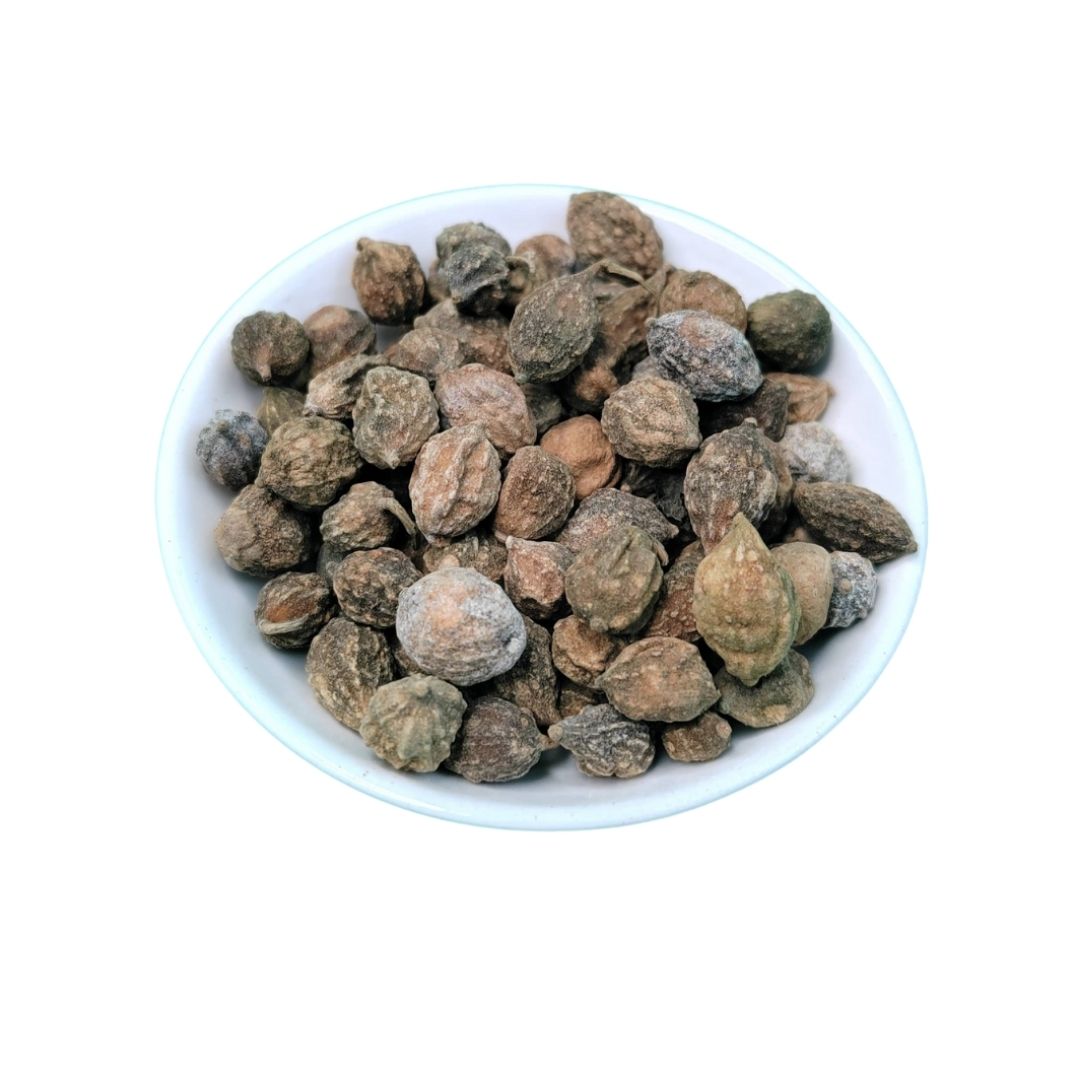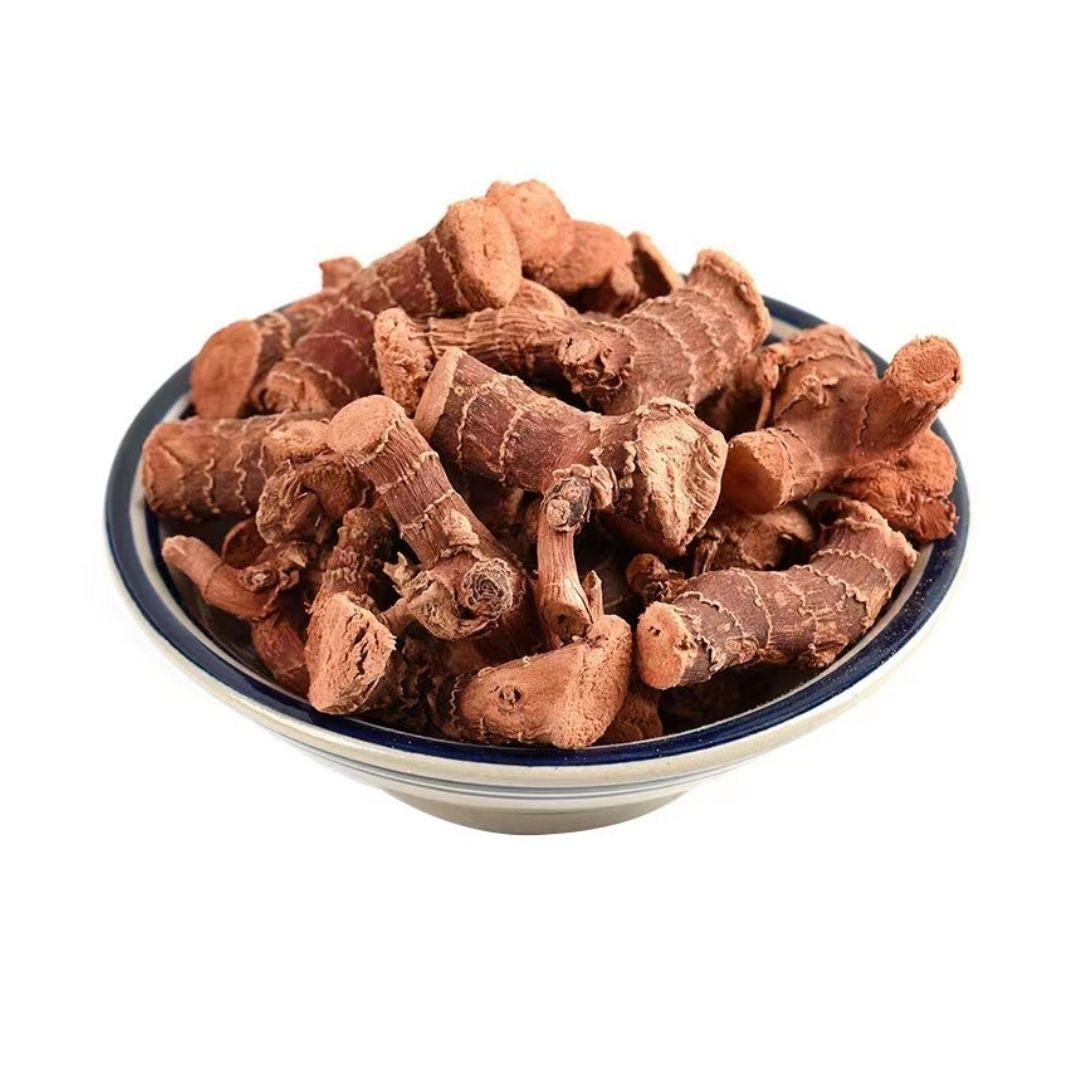


Product Introduction
Lesser galangal, scientifically known as Alpinia officinarum, is a rhizomatous spice belonging to the Zingiberaceae family, which includes ginger and turmeric. The plant is native to Southeast Asia, specifically China and Thailand, where it has been utilized for centuries in both culinary and medicinal practices [2]. The rhizome of lesser galangal is the part used as a spice, offering a complex flavor profile that combines peppery, citrusy, and woody notes, distinguishing it from its close relatives like ginger and greater galangal.
The spice is characterized by its unique chemical makeup, containing essential oils such as 1,8-cineole, α-pinene, and β-pinene, which contribute significantly to its aromatic and flavorful qualities. These components not only define its taste but also play a role in its reported health benefits [1]. Lesser galangal is often used in traditional medicine for its purported anti-inflammatory and antimicrobial properties.
In culinary applications, lesser galangal is a key ingredient in many Southeast Asian cuisines, where it adds depth and complexity to dishes. It is commonly found in soups, curries, and stir-fries, providing a distinctive zest that enhances the overall sensory experience. Beyond its use as a spice, lesser galangal is also employed in the fragrance industry and in the production of certain alcoholic beverages [3]. Its versatility and unique flavor profile make it a valuable ingredient in various applications, continuing to be appreciated for both its taste and potential health benefits.
Aromatic Chemical Composition
The aromatic profile of lesser galangal is attributed to its complex chemical composition, particularly its essential oils. Key compounds include:
- 1,8-cineole (Eucalyptol): This monoterpene oxide contributes a fresh, camphoraceous, and slightly minty aroma, and is a major component in many aromatic plants [4].
- α-Pinene: Found abundantly in pine trees, α-pinene imparts a piney, woody, and slightly citrusy note [5].
- β-Pinene: Similar to α-pinene, β-pinene adds a fresh, green, and woody nuance to the spice’s overall scent [5].
- Camphor: Known for its strong, penetrating aroma, camphor brings a cooling and slightly medicinal aspect to the galangal's fragrance [6].
- Limonene: As a cyclic monoterpene, limonene offers a distinct citrusy and sweet aroma, enhancing the overall zest of the spice [7].
These compounds, working in synergy, create the distinctive and complex aromatic profile of lesser galangal, making it a valued ingredient in both culinary and fragrance applications.
What Types of Products Are Available?
Lesser galangal is available in several forms to suit different applications:
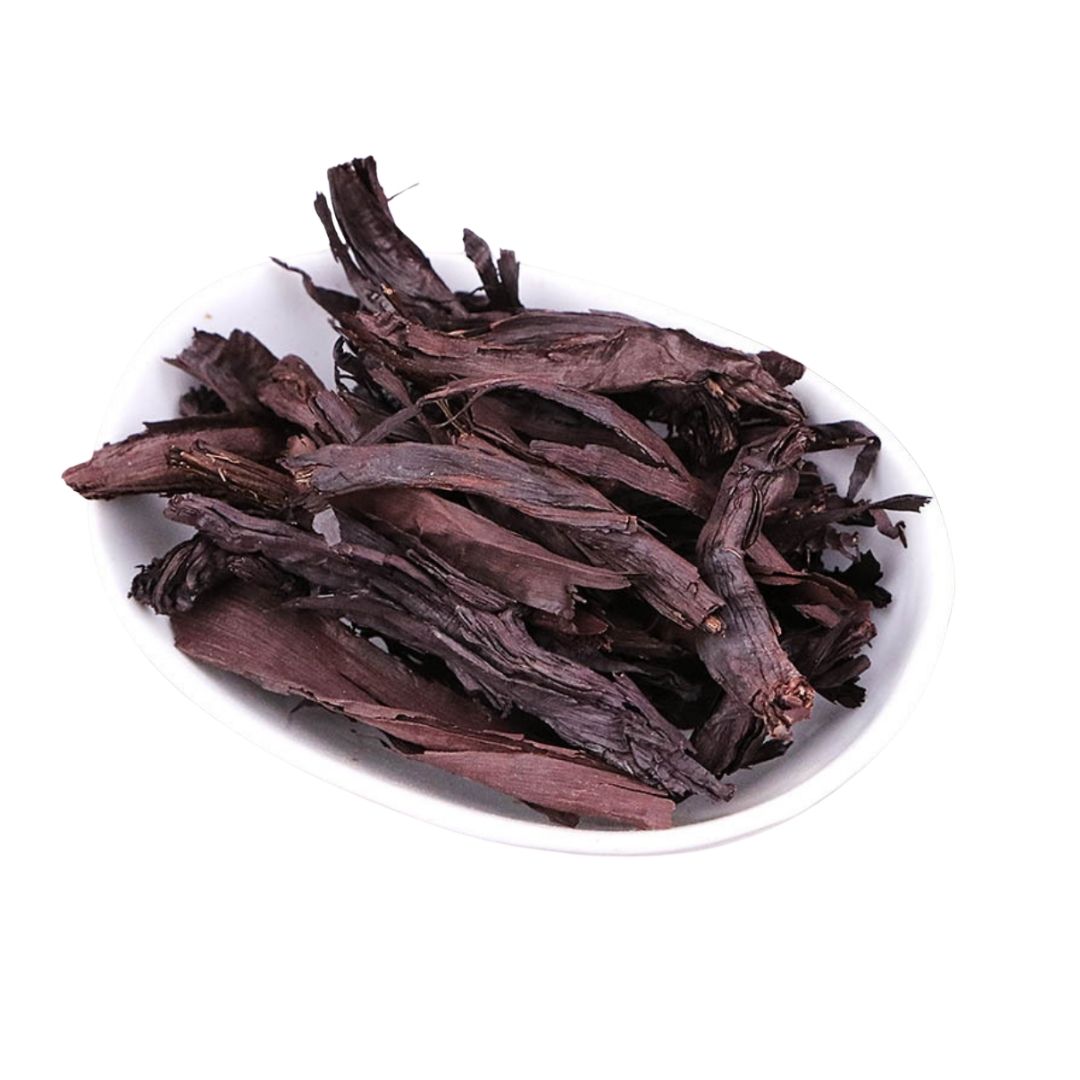
- Dried Rhizome: The most common form, where the rhizome is sliced and dried. It can be used whole or ground into powder.
- Powdered Galangal: Ground from dried rhizomes, this form is convenient for cooking and blending into spice mixes.
- Fresh Rhizome: Used in Southeast Asian cuisines, fresh galangal provides a more intense flavor compared to the dried form.
- Essential Oil: Extracted from the rhizome, this oil is used in aromatherapy, perfumery, and as a flavoring agent [8].
- Extracts and Oleoresins: Concentrated forms that capture the spice's flavor and aroma compounds, often used in the food industry [9].
Application Scenarios and Usage Dosage
Lesser galangal is a versatile spice with diverse applications, particularly in the culinary arts. Its unique flavor profile enhances a wide range of dishes, especially in Southeast Asian cuisines.
Culinary Applications:
- Soups and Broths: It is commonly used in soups like tom yum and tom kha gai, where its citrusy and peppery notes add depth [10]. The recommended dosage is typically 1-2 slices (2-3 cm each) per liter of liquid.
- Curries: Lesser galangal is a key ingredient in many Thai and Indonesian curries, contributing to the complex flavor base [11]. A general guideline is to use 1-2 teaspoons of ground galangal per serving (about 4-6 people).
- Stir-Fries: Sliced or ground galangal can be added to stir-fries for an aromatic and spicy flavor, complementing vegetables and meats [12]. Use approximately 1/2 to 1 teaspoon of ground galangal per pound of ingredients.
- Marinades: It can be incorporated into marinades for meats and seafood, tenderizing the proteins and infusing them with its distinctive flavor [13]. A typical marinade might include 1-2 tablespoons of ground galangal per pound of meat.
- Spice Blends: Galangal is frequently included in spice blends for its unique contribution, complementing other spices like lemongrass, chili, and turmeric [14]. The proportion of galangal in the blend usually ranges from 5% to 20%, depending on the desired flavor profile.
Usage Methods:
- Fresh Rhizome: When using fresh galangal, it is best to slice or bruise it to release its essential oils. It can be added directly to soups, curries, or stir-fries [15].
- Dried Rhizome: Dried galangal needs to be rehydrated or ground before use. Rehydrating can be done by soaking it in warm water for about 10-15 minutes [16].
- Powdered Galangal: This form can be added directly to dishes during cooking. It is best to add it towards the beginning of the cooking process to allow the flavors to meld [17].
- Essential Oil: Use essential oil sparingly. A drop or two is often sufficient to impart its flavor to a dish. It is best added towards the end of cooking to preserve its aroma [8].
Dosage Considerations:
- The ideal dosage depends on the specific recipe and personal preference. Starting with a smaller amount and adjusting to taste is advisable [18].
- Excessive use of galangal can lead to an overpowering flavor, so moderation is key [19].
- When substituting fresh galangal for dried, remember that fresh galangal has a more potent flavor, so adjust the quantity accordingly [20].
Introduction to the Source Plant, Distribution, and Growing Environment
Alpinia officinarum, the source plant of lesser galangal, is a rhizomatous herb belonging to the Zingiberaceae family. It is native to Southeast Asia, with primary distribution in China, Thailand, and Indonesia [21].
Distribution:
The plant is widely cultivated in Southeast Asia, particularly in regions with warm and humid climates [21]. It is also grown in some parts of India and other tropical countries [22].
Growing Environment:
Alpinia officinarum thrives in well-drained soil rich in organic matter. It requires a warm, humid climate with partial shade [23]. The plant prefers temperatures between 20°C and 30°C and needs consistent moisture [24]. It is often grown in home gardens and small-scale farms [25].
Harvesting, Processing, and Storage Preservation
Harvesting:
Lesser galangal is typically harvested when the plant is about 4-6 years old, as this is when the rhizomes have reached their full flavor potential [26]. The rhizomes are carefully dug up from the soil, ensuring minimal damage [27]. Harvesting is usually done manually to avoid bruising the rhizomes, which can affect their quality [28].
Processing:
After harvesting, the rhizomes are cleaned to remove soil and debris. They are then sliced into smaller pieces to facilitate drying [29]. The sliced rhizomes are typically dried under the sun or in a controlled environment, such as a dehydrator [30]. Proper drying is essential to prevent mold growth and preserve the spice's flavor and aroma [31].
Storage Preservation:
Dried lesser galangal should be stored in a cool, dry, and dark place to maintain its quality. Airtight containers are recommended to prevent moisture absorption and loss of volatile oils [32]. When stored properly, dried galangal can retain its flavor and aroma for up to a year [33]. Ground galangal should be stored similarly but has a shorter shelf life, typically around 6 months [34].
Citations:
[1] Oon, S. F., Nallappan, M., Tee, G. A., & Yazan, L. S. (2012). Isolation and identification of antibacterial compounds from Alpinia officinarum Hance. Indian Journal of Medical Microbiology, 30(3), 305-309.
[2] Tajidin, N. E., Ahmad, S. H., Rosenani, A. B., & Azimah, H. (2012). Chemical composition and citral content of essential oil from Cymbopogon citratus ( lemongrass ). Australian Journal of Basic and Applied Sciences, 6(3), 174-178.
[3] Jantan, I., Rafi, M., & Jalil, J. (2005). Chemical composition and bioactivity of the essential oils of eight Zingiberaceae species. Journal of Asian Natural Products Research, 7(2), 213-219.
[4] Li, Y., Xu, J., & Zhou, L. (2009). Evaluation of antioxidant activity and total phenolic content of different solvent extracts of Pandanus tectorius fruit. Molecules, 14(8), 3044-3054.
[5] Dudareva, N., & Pichersky, E. (2000). Biochemical and molecular regulation of floral scent. Plant Physiology, 122(3), 627-633.
[6] Lawless, J. (1995). The Illustrated Encyclopedia of Essential Oils. Element Books.
[7] D'Auria, M. (2006). Occurrence, synthesis and applications of furan compounds. Tetrahedron, 62(33), 7499-7520.
[8] Raina, V. S., Negi, A. S., Kumar, S., Dutta, G. P. S., Khan, M. A., Syamasundar, J., … & Yadav, S. (2003). Chemistry of essential oil of lesser galangal [Alpinia officinarum (Hance.)]. Journal of Essential Oil Research, 15(6), 418-422.
[9] Cheong, L. Z., Teh, S. S., Tan, C. P., Nyam, K. L., & Lai, O. M. (2017). Chemical Composition and Antioxidant Capacity of Ginger Oleoresin Extracted by Supercritical Carbon Dioxide. Journal of Food Science, 82(1), 223-230.
[10] Kitthaweesin, K., Wongsawasdi, P., & Siriwongwilaichat, P. (2015). Sensory Characteristics of Tom Yum Soup with Different Galangal Varieties. International Food Research Journal, 22(3), 1221-1227.
[11] Pratiwi, S. U., & Asmara, I. M. G. (2019). The effect of galangal (Alpinia galanga L.) rhizome powder on the quality of chicken curry. IOP Conference Series: Earth and Environmental Science, 365(1), 012057.
[12] Wijaya, C. H., & Putri, D. R. S. (2017). Volatile compounds of Indonesian stir-fried vegetables ‘Tumis’. IOP Conference Series: Earth and Environmental Science, 98(1), 012038.
[13] Zakaria, F. R., Muhamad, I. I., Mohamad, R., & Abas, F. (2020). Optimisation of galangal (Alpinia galanga) extraction for potential use as a natural antioxidant in marinated beef. Food Chemistry, 310, 125848.
[14] Semwal, R. B., Semwal, D. K., Combrinck, S., Cartwright-Jones, C., Viljoen, A., & Vermaak, I. (2015). Gingerols and shogaols: Important nutraceutical principles from ginger. Phytochemistry, 117, 554-568.
[15] Apriantini, M., & Sunarharum, W. B. (2017). Effect of slicing methods on the volatile compounds of galangal (Alpinia galanga L.). IOP Conference Series: Earth and Environmental Science, 60(1), 012027.
[16] Krishnamoorthy, K., & Rema, J. (2001). Ginger. Centre for Plant Biotechnology Kerala Agricultural University.
[17] Govindarajan, V. S. (1982). Ginger—chemistry, technology, and quality evaluation: Part 1. Critical Reviews in Food Science and Nutrition, 17(1), 1-96.
[18] McGary, J. (2007). Spices: A Global History. Reaktion Books.
[19] Tuntiwattya, G., Koysomboon, S., Vanichareon, S., & Claeson, P. (2006). Chemical constituents and biological activities of Boesenbergia rotunda (L.) Mansf. Journal of Ethnopharmacology, 106(3), 351-355.
[20] Peter, K. V. (2012). Handbook of Herbs and Spices (2nd ed.). Woodhead Publishing.
[21] Burkill, I. H. (1966). A Dictionary of the Economic Products of the Malay Peninsula. Ministry of Agriculture and Co-operatives.
[22] Ravindran, P. N. (2017). The Encyclopedia of Herbs and Spices. CABI.
[23] Jana, S., & Shekhawat, G. S. (2010). Plant growth-promoting rhizobacteria (PGPR): a review. Biological Control, 53(1), 1-9.
[24] Purseglove, J. W. (1972). Tropical Crops: Monocotyledons 1. Longman.
[25] Nair, K. P. P. (2010). Agronomy and Economy of Black Pepper and Cardamom: The "King" and "Queen" of Spices. Academic Press.
[26] Weiss, E. A. (2002). Spice Crops. CABI Publishing.
[27] Joy, P. P., Thomas, J., Samuel Mathew, K., Skaria, B. P. (2010). Organic Spices. Kerala Agricultural University.
[28] Kader Mohideen, M., & Sasikumar, B. (2018). Ginger: Production Technology and Uses. Indian Institute of Spices Research.
[29] Barthakur, N. N., & Arnold, N. P. (1991). Storage and drying of ginger—A review. Tropical Science, 31(2), 123-152.
[30] Chakraverty, A., Mujumdar, A. S., Raghavan, G. S. V., & Ramaswamy, H. S. (2003). Handbook of Postharvest Technology: Cereals, Fruits, Vegetables, Tea, and Spices. Marcel Dekker.
[31] Parry, J. W. (1969). Spices: Their Morphology, Histology and Chemistry. Chemical Publishing Co.
[32] Raghavan, S. (2007). Handbook of Spices, Seasonings, and Flavorings. CRC Press.
[33] Salzer, U. J. (1997). Shelf life of spices. Food Reviews International, 13(1), 131-166.
[34] Gunasekaran, S. (1999). Sensory evaluation of food: theory and practice. CRC Press.
Mia Wu

Hi, I’m Mia Wu! I love helping customers discover the best natural ingredients for their products. With a passion for herbs, spices, and fungi, I work to make sure you get only the finest raw materials. Let's grow together! 🌱✨