

Product Introduction
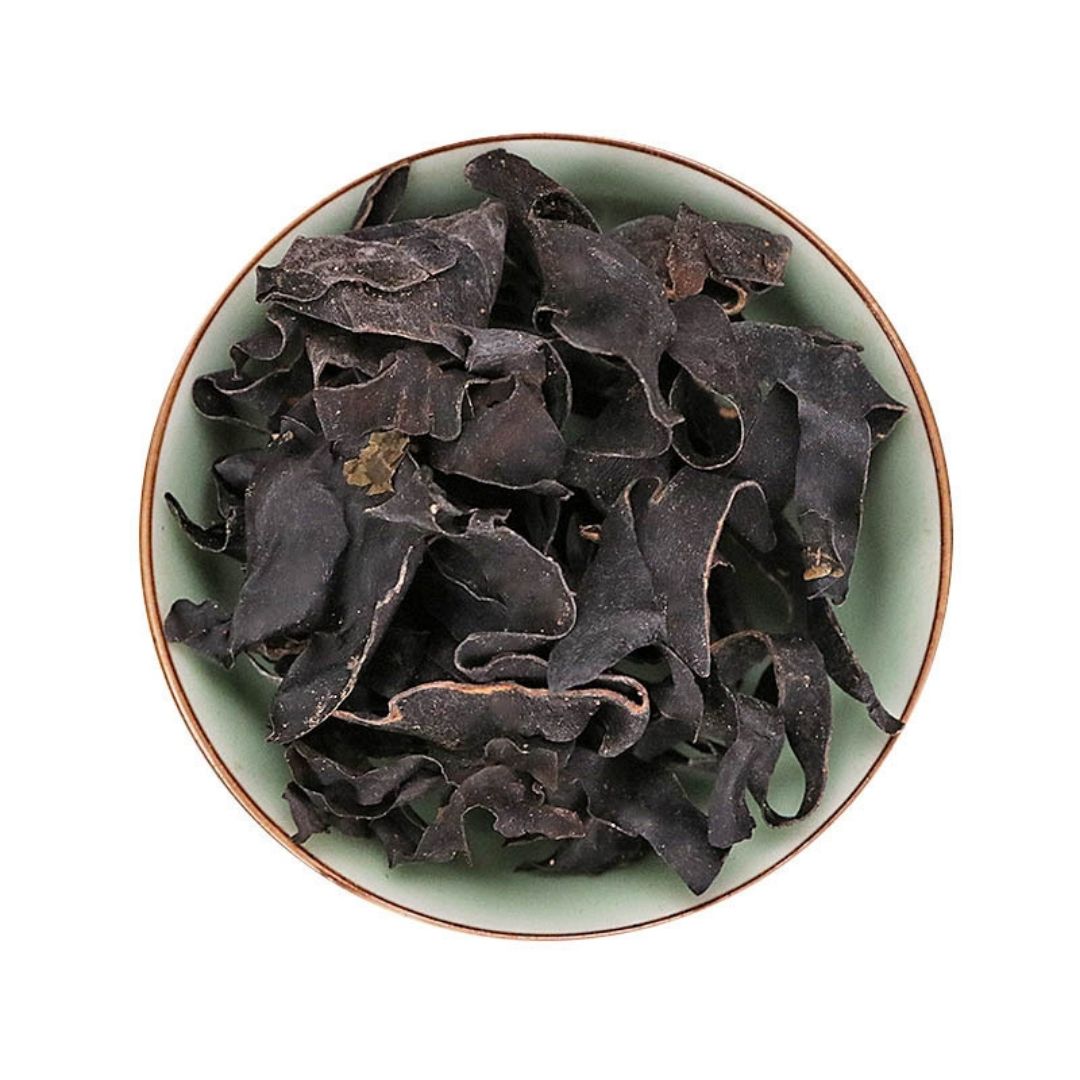
Laminariae Thallus, commonly known as Kun Bu or Hai Dai, is a type of seaweed widely used in Traditional Chinese Medicine (TCM). It is derived from various species of Laminaria, particularly Laminaria japonica. The herb is valued for its ability to address several health imbalances through its unique composition and properties.
Main Active Ingredients
The key active components of Laminariae Thallus include iodine, mannitol, alginic acid, and various minerals. Iodine is crucial for thyroid function, while mannitol acts as a mild diuretic, and alginic acid is a fiber that may aid in digestion and detoxification. The presence of these compounds contributes to the herb's therapeutic effects.
Product Application Scenarios, Usage, and Dosage
In TCM, Laminariae Thallus is typically used to soften hardened masses, resolve phlegm accumulation, clear heat, and promote urination. It is often employed to treat conditions such as goiter, edema, and certain types of tumors. The herb can be prepared in decoctions, pills, or powders. The typical dosage ranges from 6 to 15 grams per day, depending on the specific condition and individual needs [1]. It can also be used as a food supplement in soups and stews in some coastal regions.
Introduction to the Source Plant, Distribution, and Growth Environment
Laminaria japonica and other Laminaria species are large brown algae that thrive in cold, nutrient-rich waters. These algae are primarily found in the coastal regions of China, Japan, and Korea. The growth environment typically includes rocky shorelines with sufficient sunlight exposure to support photosynthesis. These plants are cultivated on ropes or nets submerged in the sea.
Harvesting, Processing, and Storage
Laminariae Thallus is harvested during the summer and autumn months. Harvesters carefully collect the seaweed, which is then washed to remove impurities and sun-dried. After drying, it is often cut into smaller pieces for easier storage and use. Proper storage involves keeping the dried Laminariae Thallus in a cool, dry place to prevent moisture absorption and maintain its quality.
Citations
[1] Bensky, D., Gamble, A., & Kaptchuk, T. (1993). Chinese Herbal Medicine: Materia Medica. Eastland Press.
Mia Wu

Hi, I’m Mia Wu! I love helping customers discover the best natural ingredients for their products. With a passion for herbs, spices, and fungi, I work to make sure you get only the finest raw materials. Let's grow together! 🌱✨