

Katsumada Galangal Seed: An In-Depth Scientific Profile
Product Introduction
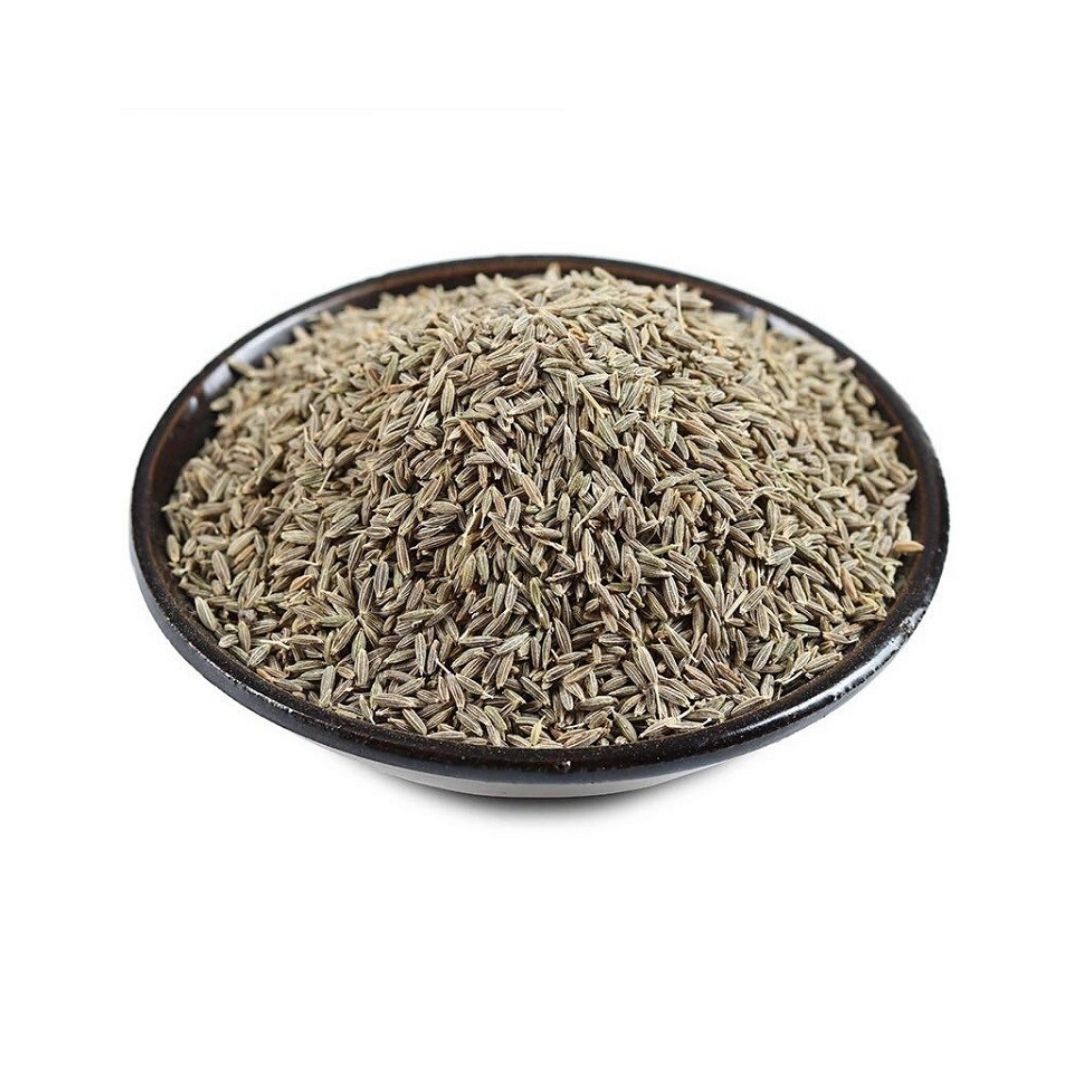
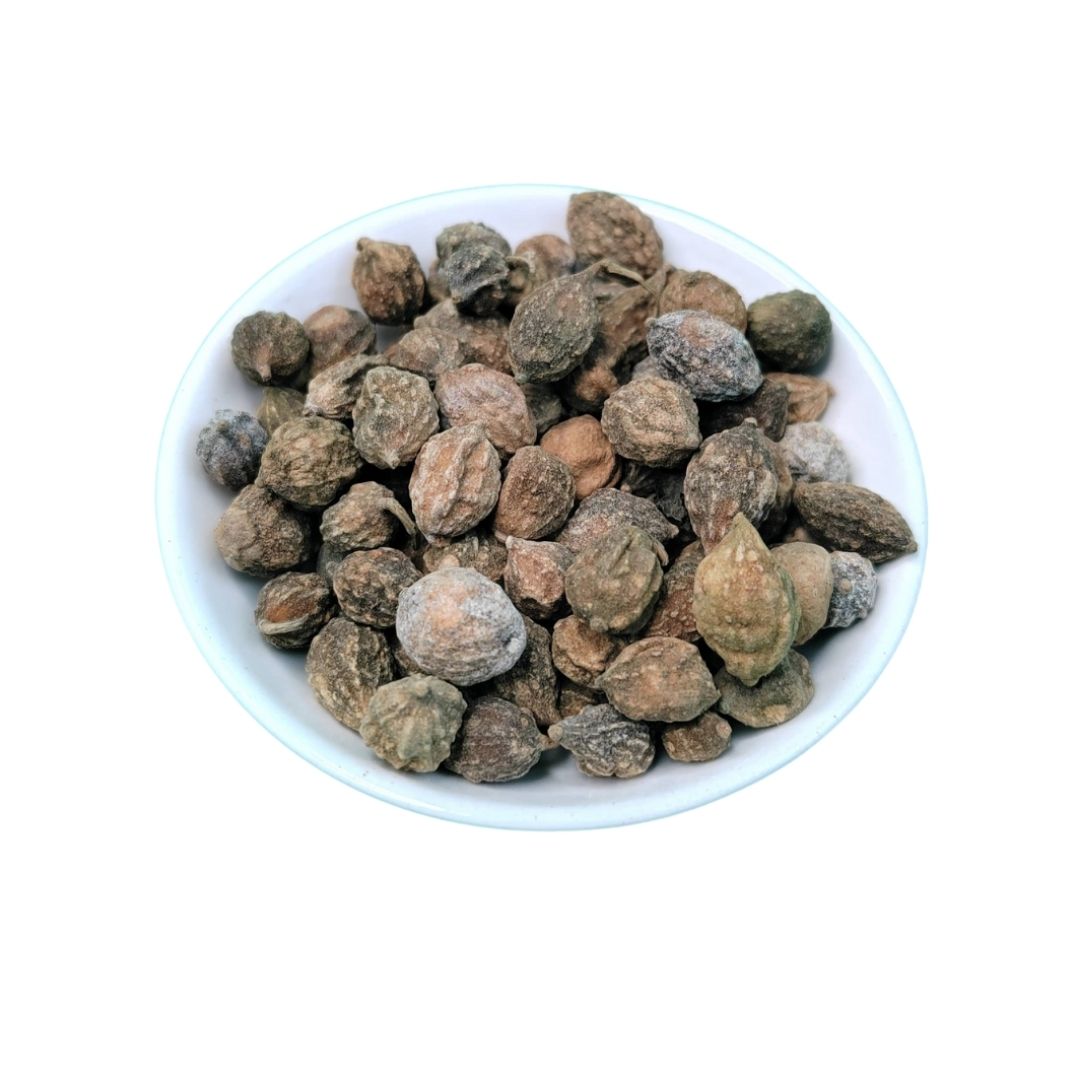
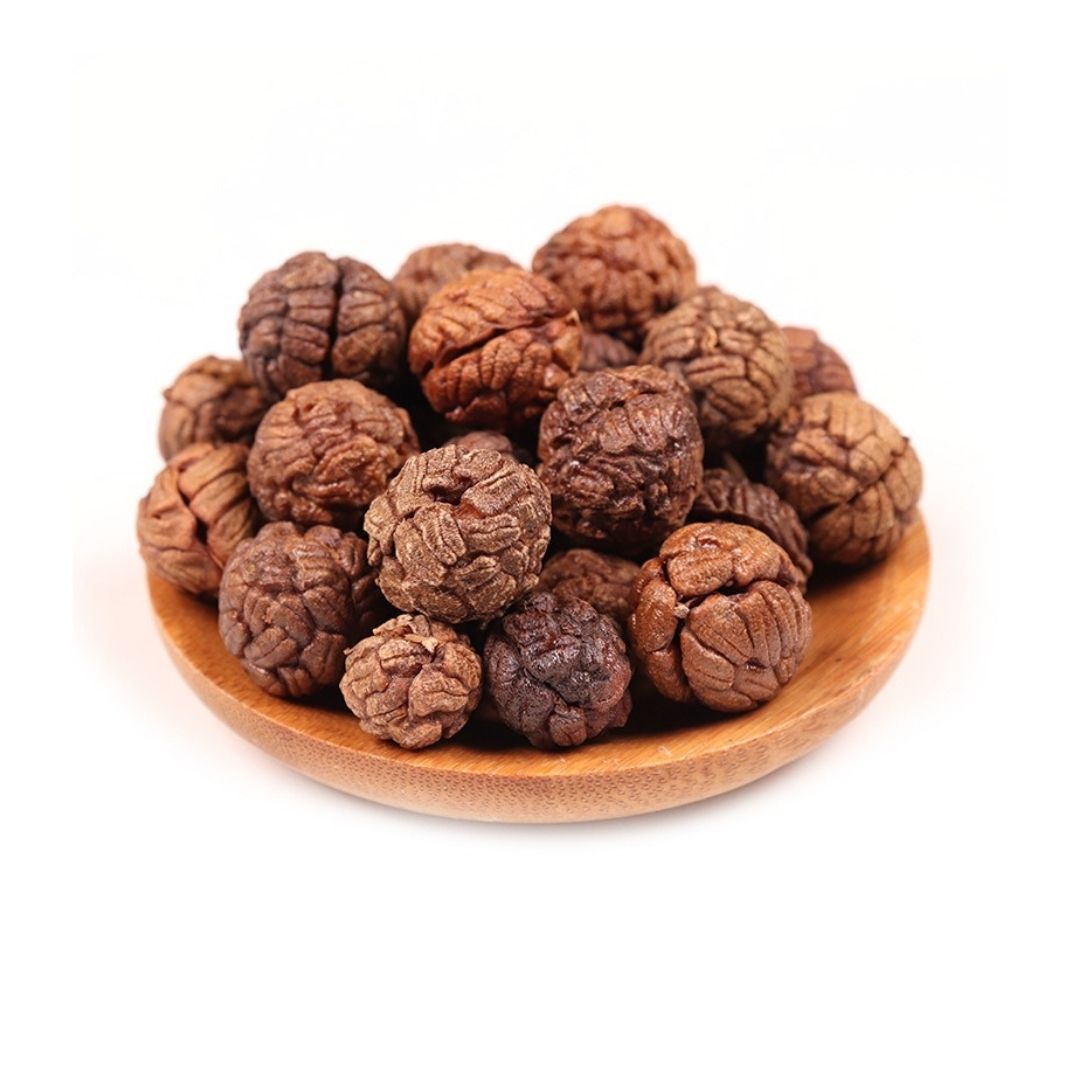
Katsumada Galangal Seed, scientifically identified as Alpinia katsumadai Hayata, is a distinguished spice hailing from the Zingiberaceae family, a botanical group renowned for its aromatic members like ginger, turmeric, and cardamom. The seeds themselves are the key product, characteristically small, typically ovoid or subglobose in shape, and generally measure between 2 to 4 millimeters in diameter. Their exterior surface presents a reddish-brown to grayish-brown coloration and is noticeably rough, marked by fine wrinkles, an appearance that develops during the drying process. These valuable seeds are meticulously harvested from the ripe fruit capsules of the Alpinia katsumadai plant, which is a perennial herb. This spice has deep roots in southern China, with significant cultivation and traditional use in provinces including Guangdong, Guangxi, and Yunnan, and its presence also extends into Vietnam. [3] For centuries, Katsumada Galangal Seed has been integrated into both the culinary practices and traditional medicinal systems of these regions. The primary allure and utility of this spice are undeniably linked to its remarkably potent and complex aromatic profile. This profile is dominated by strong camphoraceous notes, interwoven with spicy, and warm undertones, culminating in a fragrance often described as penetrating and distinctly medicinal in a pleasant way. The taste mirrors this intensity, offering a pungent, subtly bitter, yet ultimately warming sensation that can transform a dish. The unique organoleptic properties are a direct result of its rich endowment of volatile oils, which are the main components responsible for its flavor and aroma. General culinary uses are varied, though it is particularly esteemed in Chinese cooking for its capacity to impart a profound depth of flavor to slow-cooked dishes such as braised meats, hearty stews, and rich broths. Furthermore, it finds application in certain pickling recipes and as a crucial ingredient in specific regional spice blends, contributing its unique character. Given its strength, it is judiciously used, often in small quantities, to achieve the desired flavor balance without overpowering other ingredients.
Aromatic Chemical Composition
The characteristic aroma and flavor of Katsumada Galangal Seed are primarily due to its complex mixture of volatile organic compounds. The essential oil extracted from the seeds is rich in monoterpenoids and sesquiterpenoids. Dominant aromatic chemical compounds typically include 1,8-cineole, which imparts a fresh, camphoraceous, and slightly medicinal aroma, often a major component, sometimes constituting around 30% of the essential oil. [1] α-Pinene and β-pinene contribute woody, pine-like notes, and are also significant components. Camphor provides a strong, penetrating, and cooling aromatic sensation, characteristic of its namesake, and is usually present in notable amounts. Limonene offers a subtle citrusy, fresh note, though generally less pronounced than in citrus peels. [1, 2] Bornyl acetate is another important constituent, known for its balsamic, piney, and camphoraceous aroma. Other aromatic compounds present in varying, generally smaller, concentrations can include α-terpineol (floral, lilac-like), geraniol (rosy, floral), camphene, and sabinene, which further contribute to the spice's overall aromatic complexity. [1] The precise percentage and presence of these compounds can vary based on geographical origin, specific cultivar, harvest time, and post-harvest processing methods.
What Types of Products Are Available?
Katsumada Galangal Seed is primarily available in two main forms for culinary and other uses. The most common and traditionally preferred form is as whole dried seeds. These are the entire seeds, often found as loose individual seeds or sometimes in small clusters that have been separated from the dehisced fruit capsule, having been dried after harvesting from the ripe fruit of Alpinia katsumadai. Whole seeds are highly favored for applications where a gradual and sustained release of flavor is desirable, such as in long-simmering stews, rich broths, or when infusing oils, vinegars, or spirits. The intact nature of the whole seed acts as a natural barrier, helping to preserve the volatile aromatic compounds for a significantly longer period, thereby retaining freshness and full potency until they are ready to be incorporated into a dish. For an enhanced release of aroma and flavor, cooks often lightly crush or crack the whole seeds just before adding them to their preparations.
The second widely available form is ground Katsumada Galangal Seed, also referred to as Katsumada Galangal powder. This product is created by milling or grinding the dried seeds into a fine or sometimes coarser powder. Ground spice offers a more immediate and intense burst of flavor and aroma when compared to its whole counterpart, making it particularly suitable for inclusion in spice rubs, marinades where rapid flavor infusion is sought, or when it needs to be blended seamlessly into dishes where the texture of whole seeds would be out of place. However, the increased surface area inherent in the ground form makes it more vulnerable to the degradation and evaporation of its volatile compounds. Consequently, ground Katsumada Galangal Seed tends to lose its characteristic potency more rapidly than whole seeds and requires particularly careful storage in a well-sealed, airtight container, shielded from light, heat, and ambient moisture. Occasionally, one might encounter the dried fruit capsules themselves, still containing the seeds, particularly in markets specializing in traditional Chinese medicinal herbs, though this form is less common for direct culinary applications outside of very specific traditional contexts.
Application Scenarios and Usage Dosage
Katsumada Galangal Seed, frequently referred to by its Chinese name Cao Dou Kou (草豆蔻), holds a respected position in Asian culinary arts, with a particular prominence in various regional styles of Chinese cuisine, and it also finds a place, although perhaps less commonly, in some Vietnamese culinary preparations. Its characteristically potent flavor profile, marked by camphoraceous, spicy, and subtly bitter notes, dictates that it be employed with a degree of restraint, often serving as an essential background element that imparts complexity and depth rather than asserting itself as the foremost flavor.
A principal culinary application for Katsumada Galangal Seed is in the flavoring of braised dishes and stews, known in Chinese culinary terminology as luwei (滷味). In these types of slow-cooked preparations, whole seeds are commonly introduced into the braising liquid, often alongside a cohort of other aromatic spices such as star anise, Sichuan peppercorns, cinnamon bark (cassia), and cloves. For example, in preparing classic Chinese red-cooked pork (hong shao rou) or deeply flavored beef stews, the inclusion of one or two whole Katsumada Galangal seeds within a spice sachet, or added directly into the simmering pot, is a traditional practice. The extended, gentle cooking process facilitates the thorough infusion of its aromatic compounds into the meat and the surrounding sauce, lending a distinctive warm, somewhat medicinal, and agreeably pungent depth that effectively balances the richness of fatty ingredients and can help to neutralize any gamey or undesirable odors from the meats. The dosage in such applications is typically conservative; for a standard family-sized stew intended to serve four to six individuals, a quantity of 1 to 3 whole seeds is generally considered adequate. It is a common practice to remove the whole seeds prior to serving the dish, as inadvertently biting into a whole seed can result in an overwhelmingly intense flavor experience.
Katsumada Galangal Seed also features as an ingredient in some formulations of master stocks or long-simmering broths. These foundational stocks, which are often maintained over extended periods through reuse and regular replenishment, develop exceptionally complex and layered flavor profiles over time, and spices like Katsumada Galangal are integral to building this aromatic sophistication. In this context, whole seeds are again the preferred form due to their capacity for gradual and sustained flavor release. The specific quantity would be adjusted based on the total volume of the stock and the targeted flavor intensity, but generally, only a few seeds are incorporated into a large batch of stock.
In the preparation of marinades for various types of meat, particularly for those with stronger flavors such as game, lamb, or certain cuts of poultry, ground Katsumada Galangal Seed can be effectively utilized. A modest amount of the powder, typically ranging from 1/4 to 1/2 teaspoon for approximately one kilogram of meat, can be blended with other spices, soy sauce, fresh ginger, and garlic. The inherent camphoraceous notes of the spice aid in neutralizing strong meat odors while imparting a unique and savory character to the final dish. It is sometimes incorporated into proprietary or regional variations of five-spice powder or other complex Chinese spice blends, although it is not one of the five spices in the most traditional, canonical formulation. When included in a homemade spice blend, its proportion would be relatively small when compared to other dominant ingredients like cinnamon or star anise, to ensure balance.
Katsumada Galangal Seed can also contribute its unique aromatics to pickling solutions. The addition of a few whole seeds to a brine intended for pickling vegetables can introduce an intriguing aromatic dimension, complementing other commonly used pickling spices. The quantity used would be minimal, perhaps just one or two seeds per standard jar of pickles, to prevent its potent flavor from overshadowing the primary taste of the pickled items.
In certain regional Chinese culinary traditions, especially those from southern China where the spice is more indigenously prevalent, it may be found in specific soups or savory congees (rice porridges), valued for its perceived warming properties and its distinct aroma. In such instances, it is employed with extreme discretion, possibly just a single seed for a large pot of soup, and is almost invariably removed before the dish is served.
Regarding general dosage guidelines, it is always advisable to exercise caution and begin with a smaller amount, owing to its considerable potency. For whole seeds, 1-3 seeds are typically sufficient for most home-cooking scenarios designed to serve 4-6 people. If opting for the ground form, a measure of 1/8 to 1/4 teaspoon is often adequate to impart its characteristic flavor without becoming overpowering. [6] It harmonizes well with other robust spices frequently employed in Chinese braising techniques, including star anise, cassia bark, cloves, fennel seeds, and Sichuan peppercorns. It is important to note that its flavor is quite distinct from that of common galangal (Alpinia galanga), which tends to be more citrusy and peppery; Katsumada Galangal is decidedly more camphoraceous, pungent, and carries medicinal undertones. The seeds are primarily valued for their aromatic contribution rather than their textural properties, hence whole seeds are often either removed before serving or contained within a disposable spice bag (bouquet garni) during cooking. When experimenting with Katsumada Galangal Seed for the first time, it is prudent to start with a very small quantity and then adjust according to personal taste preference and the specific requirements of the recipe.
Introduction to the Source Plant, Distribution, and Growing Environment
Katsumada Galangal Seed is the product of the plant Alpinia katsumadai Hayata, a perennial herbaceous species belonging to the Zingiberaceae family, commonly known as the ginger family. [3] This plant typically attains a height ranging from 1 to 3 meters. It is characterized by erect, leafy stems that emerge from a branched, creeping rhizome system, a growth habit typical of many members within the ginger family. The leaves are lanceolate or linear-lanceolate in shape, generally measuring 25-50 centimeters in length and 2-7 centimeters in width. The upper surface of the leaves is smooth (glabrous), while the underside may sometimes be sparsely hairy (puberulent). The plant produces an erect, terminal inflorescence, which is a panicle or sometimes a raceme, bearing numerous fragrant flowers. These flowers are usually white or pale yellow, often distinguished by attractive reddish markings on the labellum, the prominent, modified petal-like structure that is a hallmark of Zingiberaceae flowers.
Alpinia katsumadai is indigenous to the subtropical and tropical zones of East Asia. Its primary natural distribution encompasses southern China, where it is found in provinces such as Guangdong, Guangxi, Hainan, and Yunnan. [3, 7] The plant's range also extends into parts of Vietnam. It flourishes in warm, humid climatic conditions and exhibits a preference for shaded or semi-shaded environments. Consequently, it is commonly found growing in diverse habitats such as forests, along forest margins, within valleys, and in proximity to streams or other moist, yet well-drained, areas. It typically grows at altitudes ranging from near sea level up to approximately 1000 meters. The ideal soil conditions for Alpinia katsumadai include a medium that is rich in organic matter, fertile, and possesses a pH that is slightly acidic to neutral. The plant requires a consistent and ample supply of moisture, particularly throughout its active growing season, but it is intolerant of waterlogged or poorly drained soils. Being adapted to understory conditions, Alpinia katsumadai often thrives beneath the protective canopy of larger trees, which provide the necessary shade and shield it from direct, intense sunlight. [7]
Harvesting, Processing, and Storage Preservation
The harvesting of Katsumada Galangal Seed from the Alpinia katsumadai plant is seasonally timed, typically occurring in the late summer to autumn period, generally spanning from August to October. This timing corresponds to when the fruit capsules have reached full maturity but preferably before they naturally dehisce, or split open, to release the seeds. [8] The fruit of Alpinia katsumadai is a subglobose or ovoid capsule, which is initially green in color, transitioning to yellowish-red or reddish-brown as it ripens. Harvesters carefully collect these mature fruit clusters from the plant, often by hand.
Following the harvest, the principal processing step is drying. The freshly picked fruit capsules are traditionally dried using natural sunlight, spread out in relatively thin layers on mats, tarpaulins, or specially prepared drying grounds. [8] In some instances, particularly in regions characterized by high ambient humidity or during periods of unfavorable weather, artificial drying methods employing low, controlled heat may be utilized. This ensures that the capsules are dried thoroughly and evenly, which is crucial for preventing the development of mold and preserving the quality of the seeds within. Throughout the drying process, the capsules undergo a color change, typically darkening to a brown or grayish-brown hue, and they become hard and brittle. Once the capsules are deemed sufficiently dry, the seeds are either extracted from the capsules, or sometimes the entire dried capsules, still containing the seeds, are stored or made available for sale. For most culinary purposes, the seeds are separated from the outer husk or pericarp of the capsule. These extracted seeds are then subjected to further cleaning to remove any residual plant debris, dust, or other impurities.
Proper storage practices are of paramount importance for maintaining the aromatic quality, flavor intensity, and overall potency of Katsumada Galangal Seed, as its primary culinary and medicinal value is intrinsically linked to its content of volatile essential oils. Both whole seeds and the ground powder form should be stored in airtight containers, preferably made of glass or other non-reactive materials like food-grade plastic, to minimize exposure to oxygen and moisture. Such exposure can lead to the degradation of the delicate aromatic compounds and a consequent loss of flavor and potency. [6] These containers should be kept in a location that is cool, dark, and dry, well away from direct sunlight and any sources of heat, as both light and elevated temperatures can accelerate the deterioration of the essential oils. Whole seeds, due to their intact structure, generally retain their characteristic flavor and aroma for a more extended period, often remaining viable for up to a year or even longer if stored under optimal conditions. In contrast, the ground form, with its significantly increased surface area, is more prone to volatile loss and is best used within a few months of grinding to ensure it delivers its optimal potency and aromatic profile. For this reason, grinding the whole seeds just prior to their use is often recommended to achieve the most vibrant and impactful flavor.
Citations
[1] Guo, L., et al. (2011). Chemical composition, and antimicrobial activity of the essential oil of Alpinia katsumadai Hayata from Hainan. Pharmacognosy Magazine, 7(25), 51-56.
[2] Zhao, J., et al. (2010). Chemical constituents from the seeds of Alpinia katsumadai Hayata. Chemistry of Natural Compounds, 46(4), 634-636.
[3] Wu, D., & Larsen, K. (2000). Alpinia katsumadai Hayata. In Wu, Z. Y., Raven, P. H., & Hong, D. Y. (Eds.), Flora of China (Vol. 24, pp. 348). Science Press (Beijing) & Missouri Botanical Garden Press (St. Louis).
[4] Yang, X. W., et al. (2007). Chemical constituents and biological activities of Alpinia katsumadai. Chemistry & Biodiversity, 4(3), 493-500.
[5] Lawrence, B. M. (2000). Progress in Essential Oils: Galanga Oil. Perfumer & Flavorist, 25(2), 48-51.
[6] Bensky, D., Clavey, S., & Stöger, E. (2004). Chinese Herbal Medicine: Materia Medica (3rd ed.). Eastland Press.
[7] Editorial Committee of the Flora of Guangdong. (1977). Flora Hainanica, Tomus IV. Science Press.
[8] Committee of Pharmacopoeia of PR China. (2020). Pharmacopoeia of the People's Republic of China. China Medical ScienTech Press.
Mia Wu

Hi, I’m Mia Wu! I love helping customers discover the best natural ingredients for their products. With a passion for herbs, spices, and fungi, I work to make sure you get only the finest raw materials. Let's grow together! 🌱✨