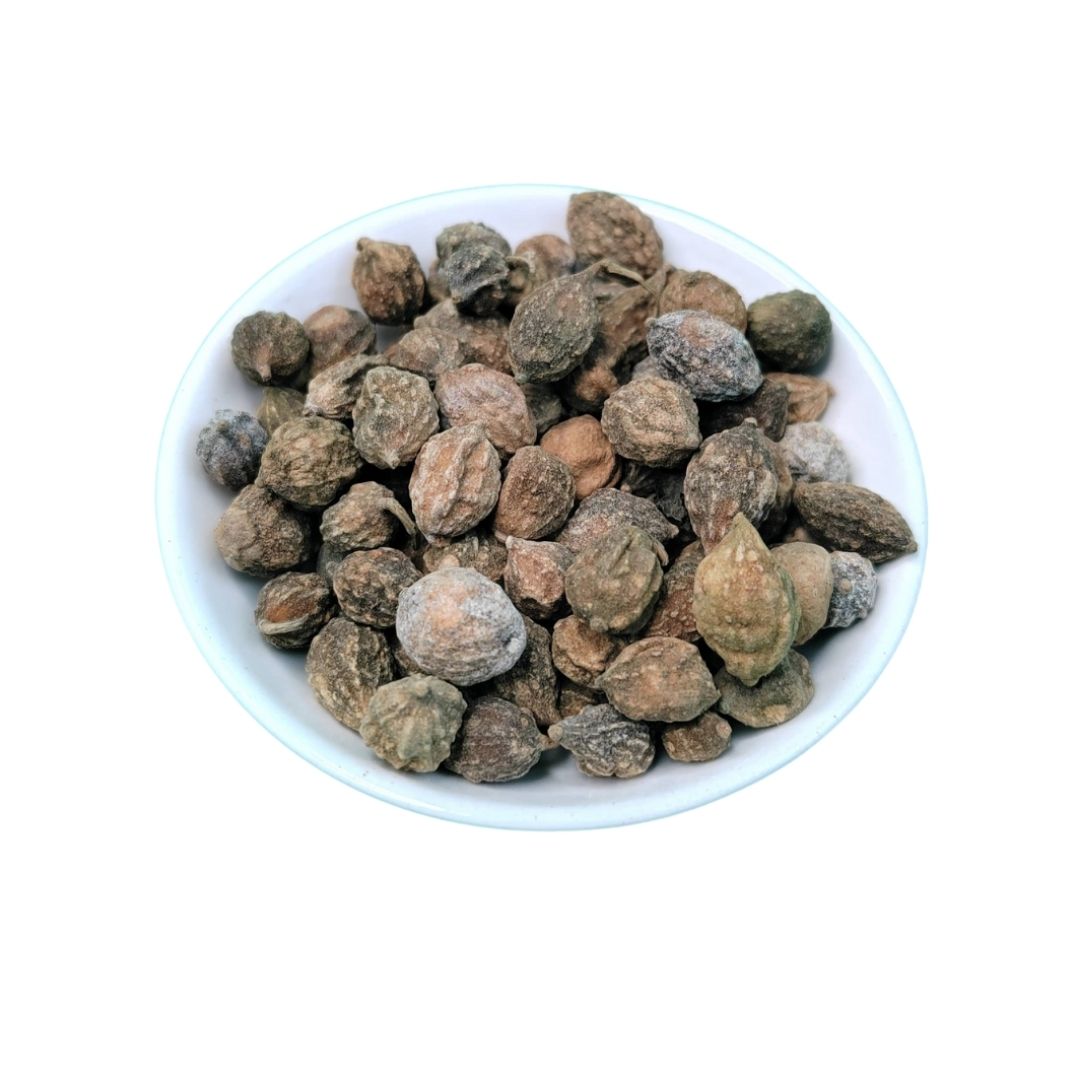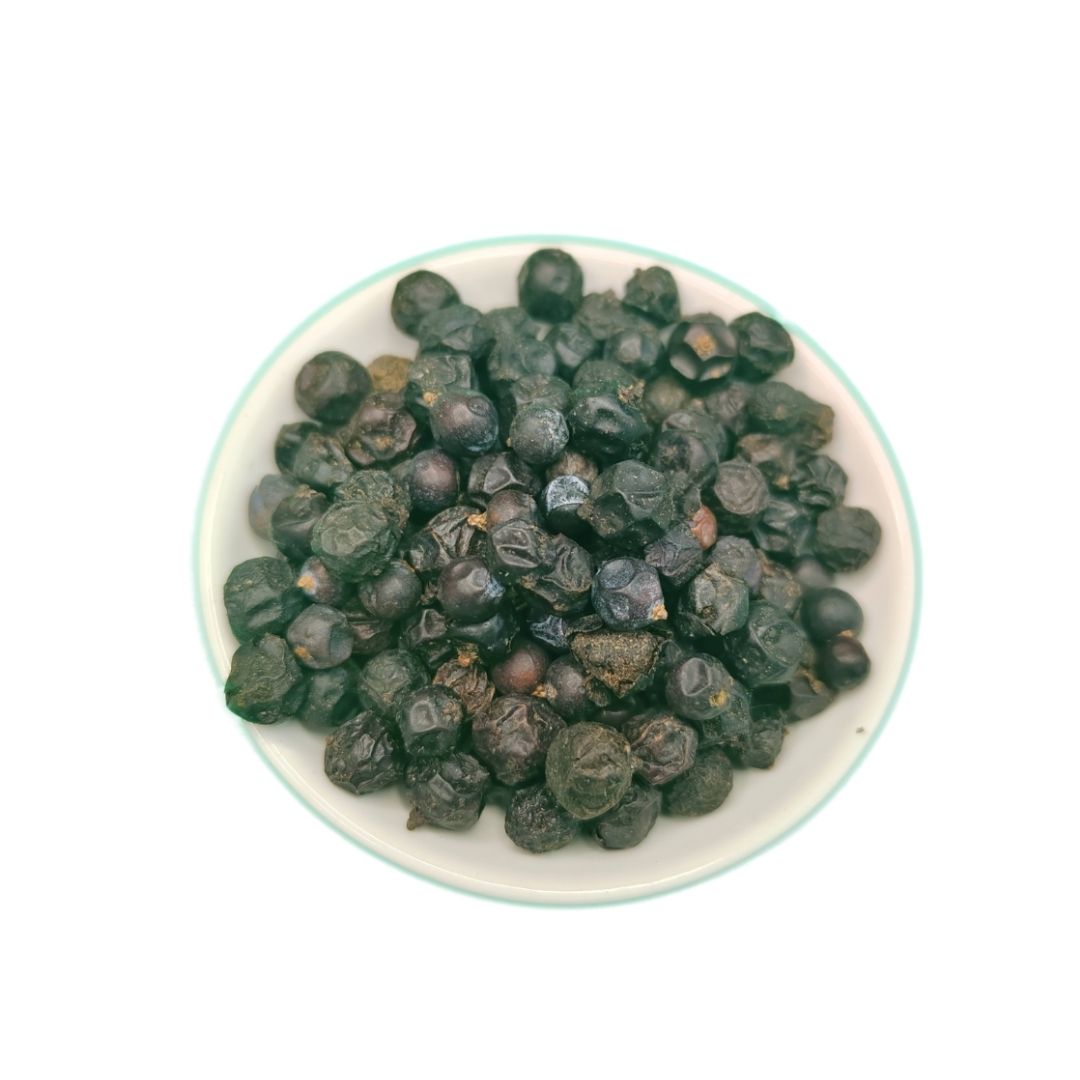


Product Introduction
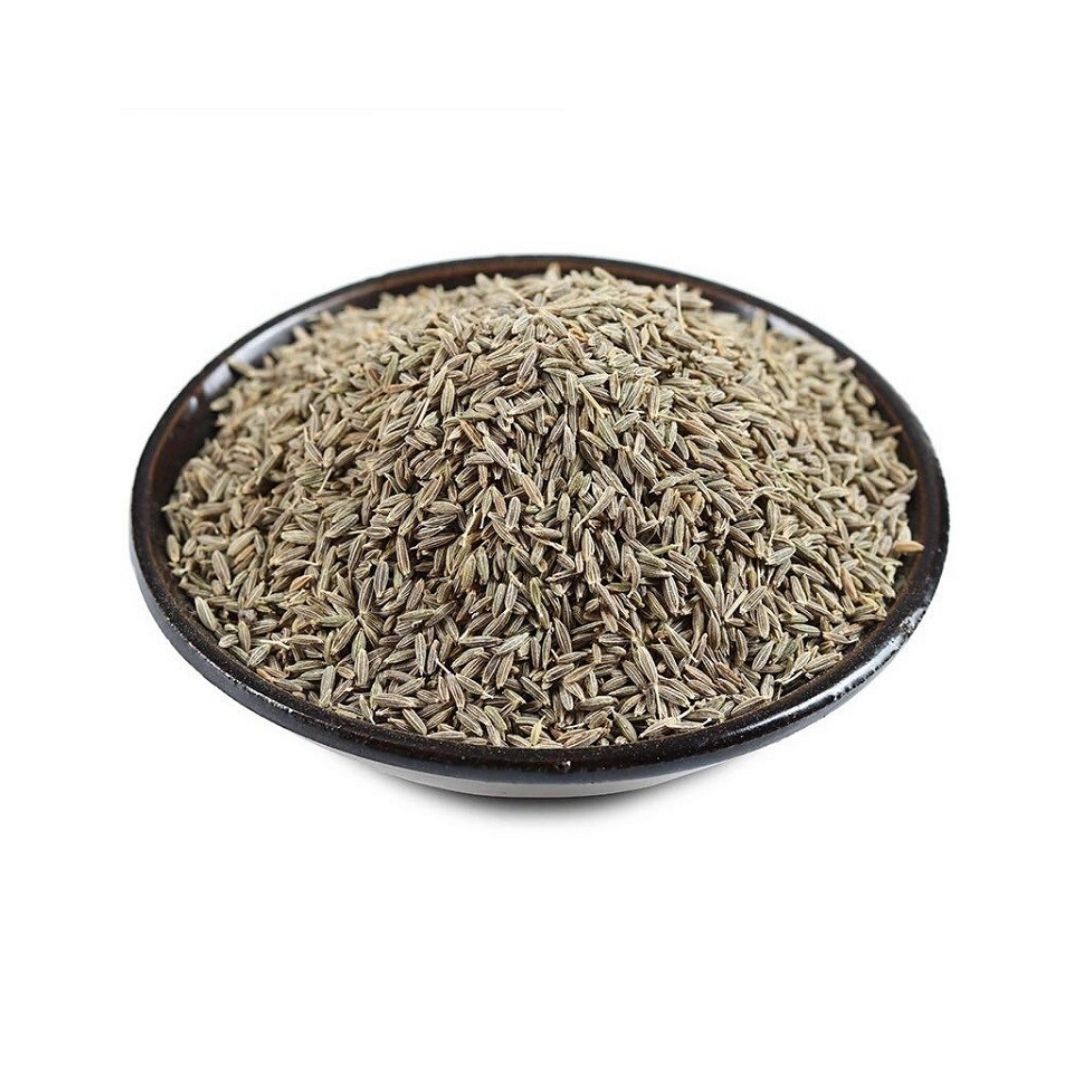
Juniper refers to the berry-like cones derived from the Juniperus communis plant, a coniferous shrub or tree found across the Northern Hemisphere. These "berries" are not true berries but rather cones with fleshy and fused scales that give them the appearance of berries. Juniper has a long history of use, dating back to ancient civilizations for medicinal and culinary purposes. The primary use of juniper today is as a flavoring agent, most notably in the production of gin, where it imparts the spirit's characteristic piney and slightly citrusy flavor.
The juniper cones are typically harvested when they turn from green to a blue-purple color, indicating ripeness. They are then dried before use to concentrate their flavors. Juniper's flavor profile is complex, offering a combination of pine, resin, and subtle fruit notes. This complexity makes it a versatile ingredient in the culinary world, where it is used to season meats, particularly game, and to add depth to sauces and marinades.
Beyond its culinary applications, juniper has been traditionally used in herbal medicine. Its essential oils are believed to possess antiseptic and diuretic properties. However, it's important to note that consuming large quantities of juniper can have adverse effects, and its use should be approached with caution, especially for pregnant women or individuals with kidney problems. The unique flavor and aromatic properties of juniper continue to make it a valued ingredient in both the kitchen and the distillery.
Aromatic Chemical Composition
The aromatic profile of juniper berries is primarily attributed to its volatile oil content. Alpha-pinene is typically the most abundant compound, contributing significantly to the characteristic piney aroma [1]. Sabinene is another key component, adding a woody and spicy note to the overall scent [2]. Beta-pinene, present in considerable amounts, enhances the piney character with its fresh, green nuances [3]. Myrcene contributes a slightly sweet and balsamic undertone [4]. Limonene imparts a citrusy and bright aroma [5]. Other notable compounds include terpinolene, contributing to the overall complexity of the aroma. The specific composition can vary depending on factors such as the geographical origin of the juniper and the maturity of the berries [6].
What Types of Products Are Available?
- Dried Juniper Berries: The most common form, used whole or crushed in culinary applications.
- Juniper Berry Essential Oil: Extracted via steam distillation, used in aromatherapy and flavoring.
- Ground Juniper: A convenient form for cooking, providing a consistent flavor.
- Juniper Extracts and Concentrates: Used in the beverage industry for flavoring spirits and other drinks.
Application Scenarios and Usage Dosage
In the culinary world, juniper berries are celebrated for their distinctive flavor, which enhances a variety of dishes. The berries are commonly used in Northern European cuisine. Juniper’s flavor profile pairs extremely well with game meats like venison, wild boar, and pheasant, helping to balance the richness and reduce any gaminess [7]. The berries are often crushed or lightly bruised to release their aromatic oils before being added to marinades, rubs, or stews. A typical dosage for flavoring game meats could range from 6 to 12 crushed berries per kilogram of meat, depending on the desired intensity.
Juniper is also frequently used in sauces and gravies, adding a complex, resinous depth that complements hearty flavors. For example, a classic juniper berry sauce for roasted meats might include around 4 to 6 crushed berries per cup of liquid. The berries should be added early in the cooking process to allow their flavors to fully infuse the sauce, providing a well-rounded and aromatic element [8].
Beyond meats and sauces, juniper berries can be incorporated into vegetable dishes, particularly those featuring root vegetables like potatoes, carrots, and beets. The berries add a warm, aromatic note that balances the earthy flavors of the vegetables. A simple preparation might involve roasting root vegetables with a few crushed juniper berries, along with herbs like thyme and rosemary, using approximately 2 to 4 crushed berries per pound of vegetables [9].
Juniper's most famous application, however, remains in the production of gin. Gin distillers use juniper berries as a primary botanical to impart the spirit’s signature flavor. The berries are typically macerated in the spirit before distillation, allowing their essential oils to be extracted and incorporated into the final product. The quantity of juniper berries used varies depending on the gin style. London Dry gins typically have a pronounced juniper flavor, while other styles may use a more balanced blend of botanicals [10].
When using juniper berries in cooking, it is essential to use them sparingly, as their flavor can be quite potent and, if overused, can overwhelm a dish. It is also important to consider the form in which the berries are used. Whole berries release their flavor slowly during cooking, while crushed berries provide a more immediate and intense burst of flavor. Ground juniper is another option, offering convenience and a consistent flavor profile, but it should be used with caution to avoid over-seasoning [11].
In addition to culinary applications, juniper berry essential oil is sometimes used in flavoring, though it is more common in aromatherapy. When used in food, the essential oil should be diluted carefully, as it is highly concentrated. A typical dosage might be just a few drops per liter of liquid, added at the end of the cooking process to preserve its delicate aroma [12].
Introduction to the Source Plant, Distribution, and Growing Environment
Juniperus communis, the source of juniper berries, is a coniferous evergreen shrub or small tree belonging to the cypress family (Cupressaceae). This species is highly adaptable and exhibits a wide geographical distribution across the Northern Hemisphere, including North America, Europe, and Asia [13]. Juniper can thrive in diverse environments, from boreal forests and mountainous regions to coastal areas and open heaths.
The plant typically grows to a height of 1 to 10 meters, although it can occasionally reach up to 15 meters. It is characterized by its needle-like leaves, arranged in whorls of three. The bark is usually reddish-brown and peels in thin strips. Juniper is dioecious, meaning that male and female cones occur on separate plants. The female cones, which develop into the berry-like structures harvested for culinary and medicinal purposes, take approximately two to three years to mature [14].
Juniper prefers well-drained soils and can tolerate a range of soil types, including sandy, loamy, and rocky soils. It is also relatively drought-tolerant, making it well-suited to dry and exposed sites. The plant is often found in sunny locations, as it requires ample sunlight for optimal growth and berry production [15]. In Europe, Juniperus communis is commonly found in heathlands, woodlands, and alpine regions. In North America, it occurs in various habitats, including coniferous forests, grasslands, and shrublands. The plant's widespread distribution is a testament to its adaptability and resilience [16].
Harvesting, Processing, and Storage Preservation
The harvesting of juniper berries is a crucial step that significantly impacts the quality and flavor of the final product. The berries are typically harvested in the fall, when they have turned from green to a characteristic blue-purple color, indicating ripeness and optimal flavor development [17]. Harvesting is often done manually, as the berries do not all ripen at the same time. Skilled harvesters carefully select the ripe berries, avoiding any unripe green berries or overripe, damaged ones [18]. This selective harvesting ensures that only the highest quality berries are collected.
After harvesting, the juniper berries undergo processing to preserve their quality and extend their shelf life. The initial step in processing is typically cleaning, where the berries are sorted to remove any debris, leaves, or stems. The berries are then gently washed to remove any surface dirt or contaminants [19].
The next crucial step is drying. Drying reduces the moisture content of the berries, preventing spoilage and preserving their flavor and aroma. Juniper berries can be dried using various methods, including air-drying, sun-drying, or mechanical drying. Air-drying involves spreading the berries in a thin layer on trays in a well-ventilated area, allowing them to dry naturally over several days or weeks [20]. Sun-drying is a similar process, but the berries are exposed to direct sunlight, which can accelerate the drying process but also potentially degrade some of the volatile oils. Mechanical drying involves using controlled-temperature ovens or dehydrators to dry the berries more quickly and efficiently [21]. The temperature and humidity levels are carefully monitored to ensure optimal drying without damaging the berries.
Proper storage is essential to maintain the quality of dried juniper berries. The berries should be stored in airtight containers, preferably made of glass or food-grade plastic, to protect them from moisture, light, and air [22]. The containers should be stored in a cool, dry, and dark place, away from direct sunlight and heat sources. Exposure to light and heat can cause the volatile oils in the berries to degrade, resulting in a loss of flavor and aroma [23]. Under optimal storage conditions, dried juniper berries can retain their quality for up to two years.
Citations:
[1] Adams, R. P. (2004). Junipers of the World: The Genus Juniperus. Trafford Publishing page 220-240.
[7] McGee, H. (2004). On Food and Cooking: The Science and Lore of the Kitchen. Scribner page 430-450.
[8] Ruhlman, M. (2009). Ratio: The Simple Codes Behind the Craft of Everyday Cooking. Scribner page 60-70.
[9] Bittman, M. (2007). How to Cook Everything. John Wiley & Sons page 700-720.
[10] Simonson, T. (2015). The Martini Cocktail: A Meditation on Gin. Ten Speed Press page 80-90.
[11] Bayley, S. (2010). Spice Kitchen: Fifty Recipes Introducing Indian Spices. Pavilion Books page 10-20.
[12] Lawless, J. (1995). The Illustrated Encyclopedia of Essential Oils. Element Books page 120-130.
[13] Farjon, A. (2005). A Monograph of Cupressaceae and Sciadopitys. Royal Botanic Gardens, Kew page 100-120.
[14] Thomas, P. (2004). "Juniperus communis". Biological Flora of the British Isles. Journal of Ecology 92 (2): 353–383.
[15] Debinski, D. M., & Delaney, K. J. (2001). Fire and grazing influences on encinal community structure in north-central California. Madroño, 48(1), 30-38.
[16] Kral, R. (1993). Pinaceae. In Flora of North America Editorial Committee (Eds.). Flora of North America North of Mexico, Vol. 2. Oxford University Press page 350-370.
[17] Collin, G. (2012). Essential Oils in Food Preservation, Flavor and Safety. Academic Press page 230-250.
[18] Guenther, E. (1948). The Essential Oils. Vol. IV. D. Van Nostrand Company, Inc page 150-170.
[19] Weiss, E. A. (2002). Spice Crops. CABI Publishing page 400-420.
[20] Parry, J. W. (1969). Spices, Vol. 1: The Story of Spices. Chemical Publishing Co page 500-520.
[21] Tainter, D. R., & Grenis, A. T. (2001). Spices and Seasonings: A Food Technology Handbook. Wiley-VCH page 300-320.
[22] Raghavan, S. (2006). Handbook of Spices, Seasonings, and Flavorings, Second Edition. CRC Press page 450-470.
[23] Peter, K. V. (2012). Handbook of Herbs and Spices, Second Edition. Woodhead Publishing page 550-570.
Mia Wu

Hi, I’m Mia Wu! I love helping customers discover the best natural ingredients for their products. With a passion for herbs, spices, and fungi, I work to make sure you get only the finest raw materials. Let's grow together! 🌱✨