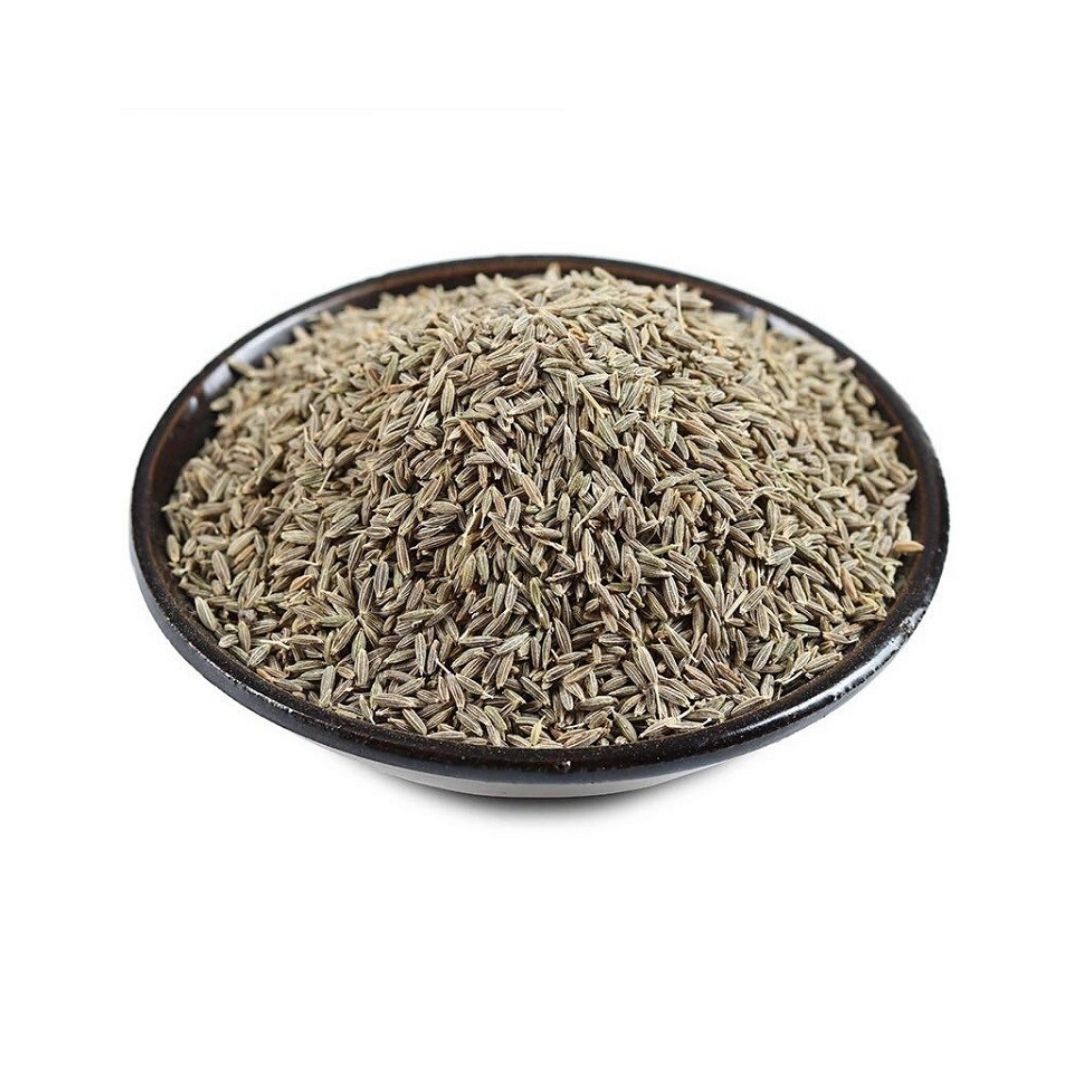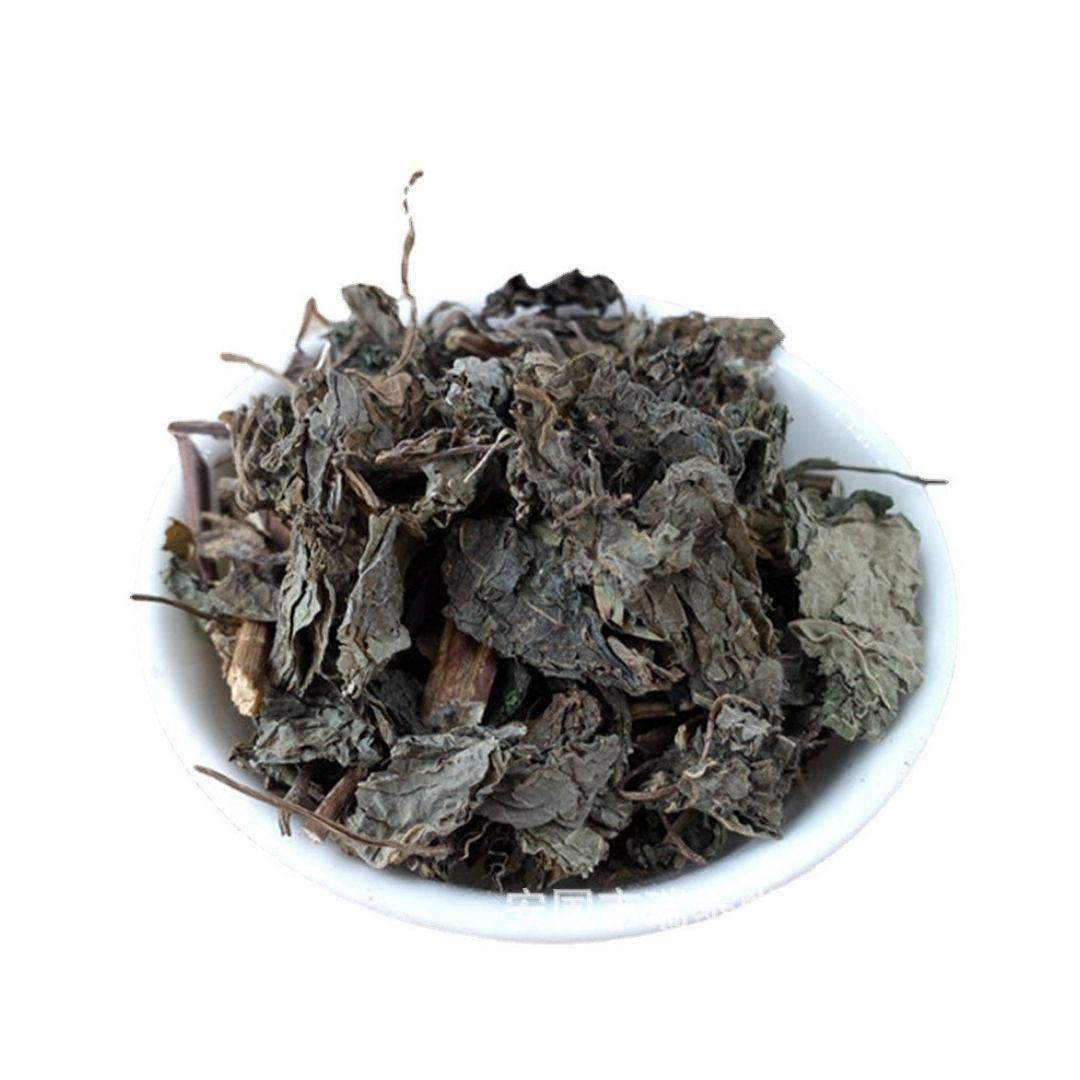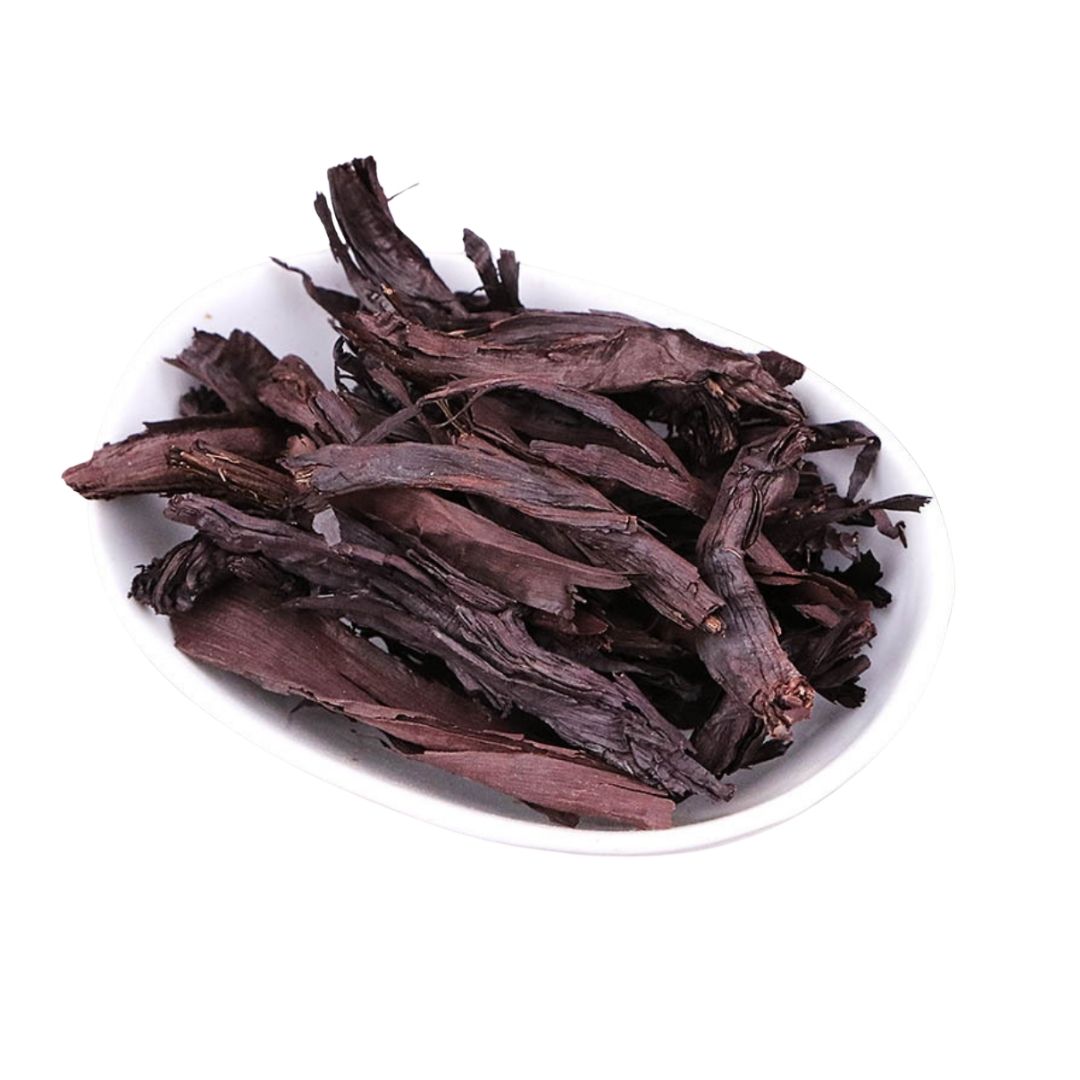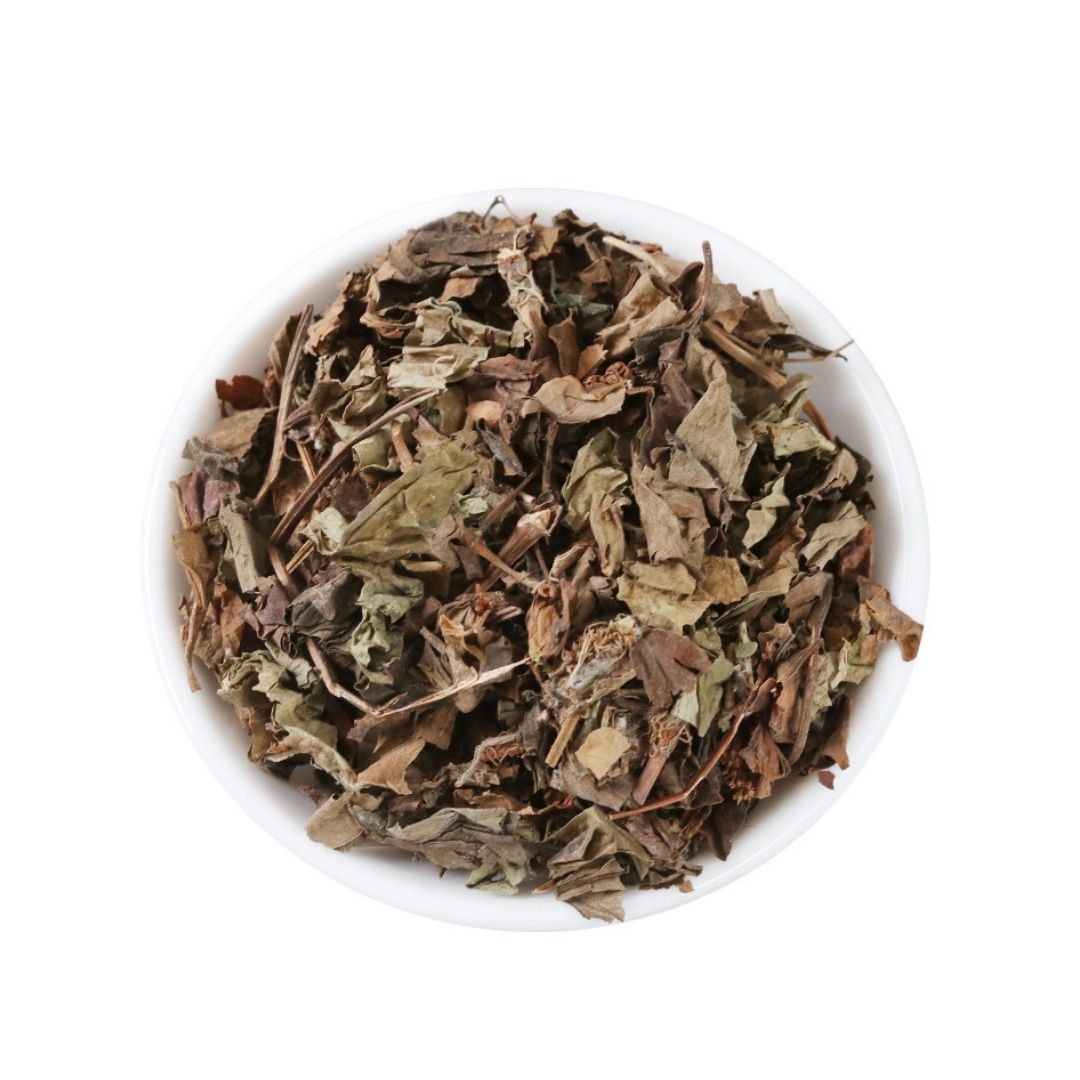


Product Introduction
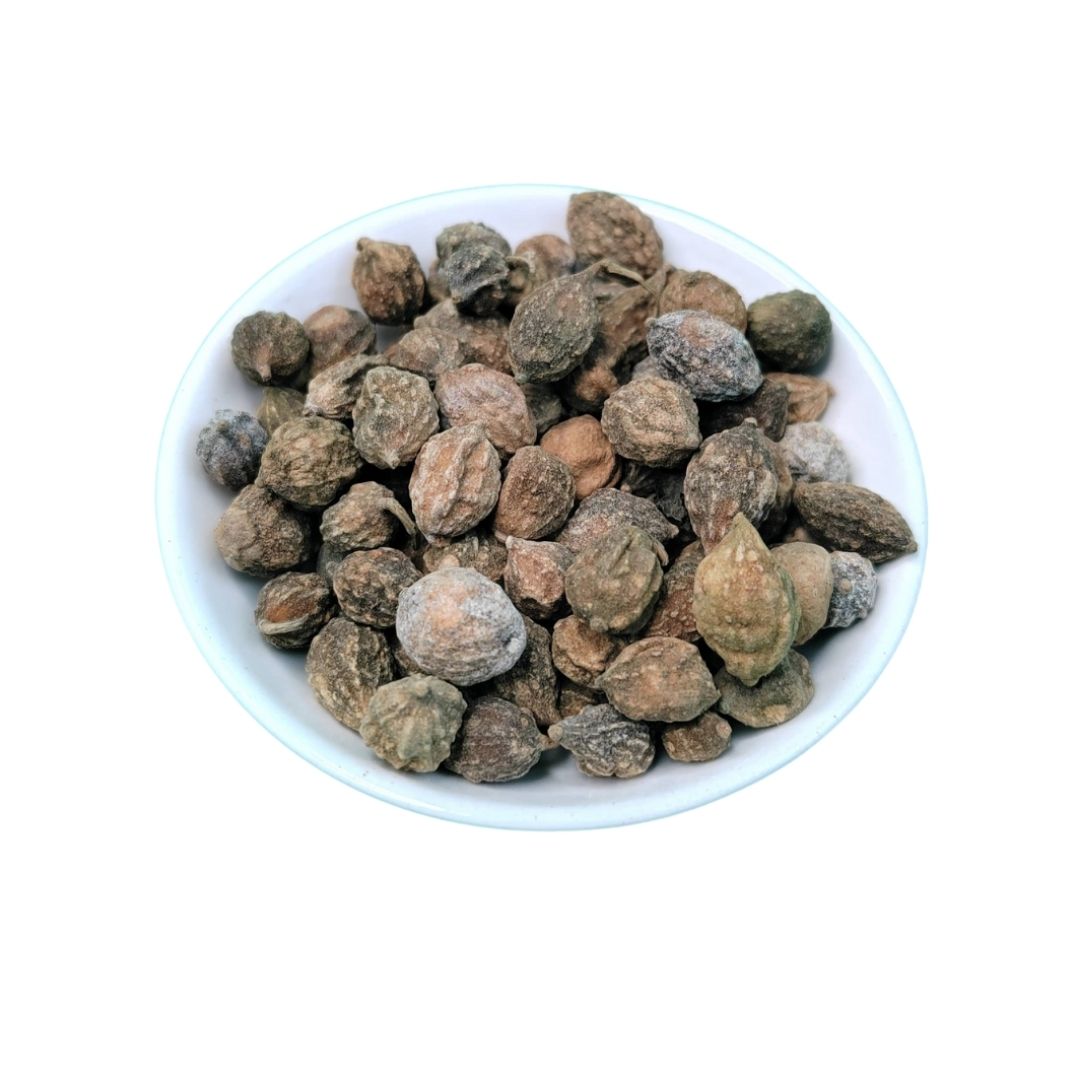
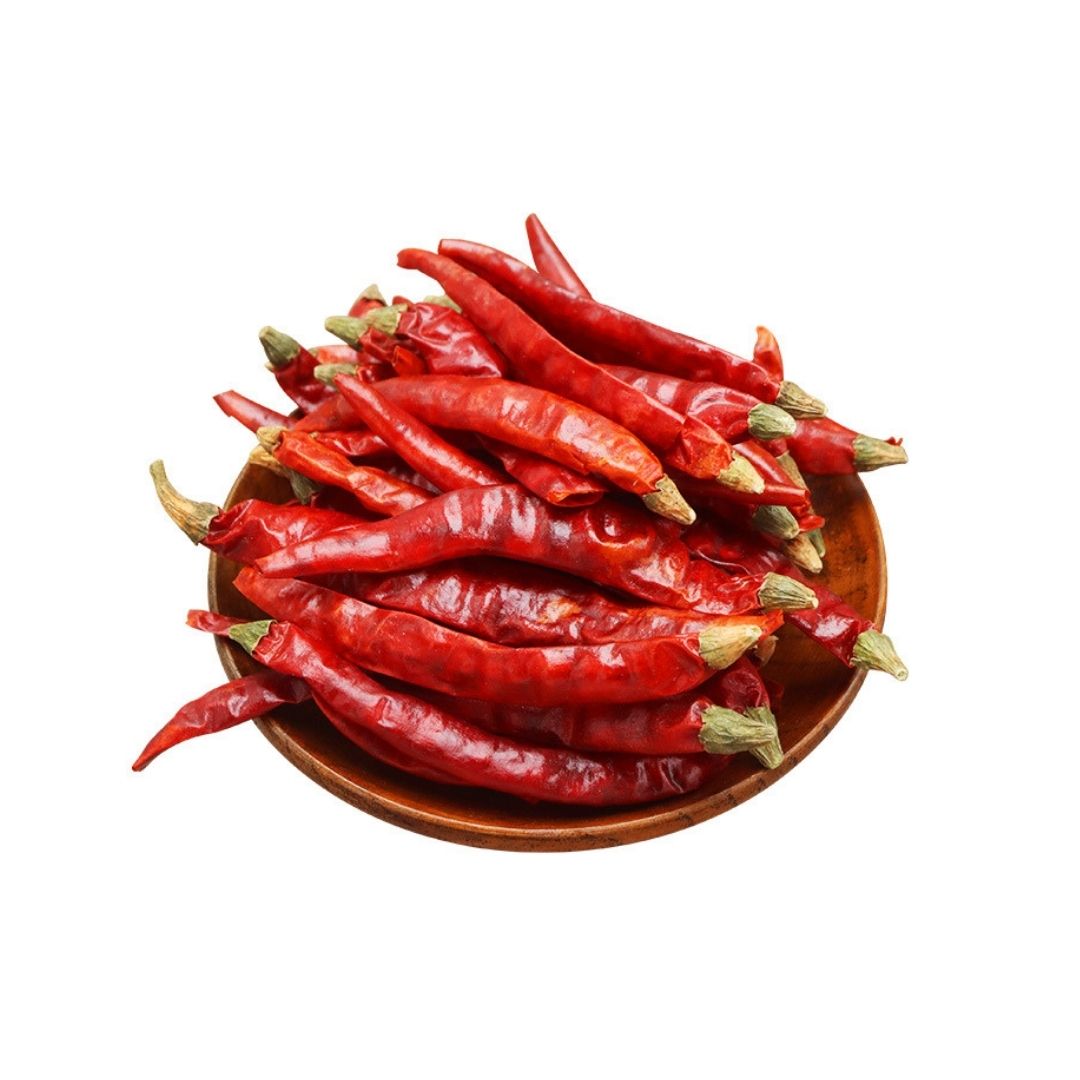
Indian Devil Pepper, scientifically known as Capsicum frutescens, is renowned for its fiery heat and distinctive flavor. Originating from India, specifically the northeastern regions, this chili pepper is a staple in many cuisines, particularly where a strong, pungent spice is desired. The plant itself yields small, slender pods that mature to a vibrant red color, signaling their readiness for harvest and use.
The primary component that contributes to the pepper's intense heat is capsaicin, along with related capsaicinoids, which stimulate heat receptors in the mouth. These compounds not only provide the characteristic spiciness but also offer potential health benefits, such as pain relief and anti-inflammatory properties. Besides capsaicinoids, Indian Devil Pepper contains essential oils that contribute to its aromatic profile, adding a layer of complexity to its flavor.
In culinary applications, this pepper is incredibly versatile. It is a key ingredient in hot sauces, imparting a lasting heat that complements other flavors. Chefs and home cooks also use it to spice up various dishes, from curries and stews to marinades and dry rubs. Additionally, the pepper finds its way into traditional medicine, where it is used for its purported therapeutic effects.
Proper storage is crucial to maintain the quality and potency of Indian Devil Pepper. It should be kept in a cool, dry, and dark environment to prevent degradation of its volatile compounds and to avoid moisture absorption. Storing it in airtight containers further helps to preserve its freshness and flavor over time.
Aromatic Chemical Composition
The aromatic profile of Indian Devil Pepper is shaped by several volatile compounds. Capsaicin and dihydrocapsaicin are the dominant compounds, responsible for the intense heat. Other notable components include various terpenes and aldehydes, which contribute to the fruity and pungent notes. Specific compounds may include:
- Capsaicin (C18H27NO3): Primary source of heat.
- Dihydrocapsaicin (C18H29NO3): Contributes to the overall heat level.
- Essential Oils: Contribute to the pepper's distinct aroma.
- Terpenes: Add complexity and subtle nuances to the flavor.
What Types of Products Are Available?
Indian Devil Pepper is available in several forms, catering to different culinary and practical needs:
- Fresh Peppers: Whole, fresh peppers offer the most vibrant flavor and heat.
- Dried Peppers: Dried whole or flaked peppers provide a concentrated flavor and extended shelf life.
- Powder: Ground pepper is convenient for adding spice to dishes and seasoning blends.
- Hot Sauce: Processed into sauces, often combined with vinegar, salt, and other ingredients.
- Oleoresin: An oil-soluble extract used in food manufacturing for consistent heat levels.
Application Scenarios and Usage Dosage
Indian Devil Pepper is a potent ingredient with diverse culinary applications. Its intense heat requires careful handling and precise dosage to achieve the desired flavor profile without overpowering the dish.
Culinary Applications:
- Hot Sauces: Widely used in the production of hot sauces, where it provides a lasting and intense heat. The peppers are often fermented or blended with vinegar, salt, and other spices to create complex flavor profiles.
- Dosage: Start with a small amount, such as 1-2 fresh peppers per liter of sauce, adjusting to taste.
- Curries and Stews: Added to curries and stews to impart a significant level of spiciness. The pepper's fruity notes can complement rich, savory dishes.
- Dosage: Use sparingly; half a pepper (fresh or dried) can be sufficient for a family-sized pot.
- Marinades: Incorporated into marinades for meats and vegetables, adding both heat and flavor. The capsaicin helps to tenderize the meat and allows other flavors to penetrate deeply.
- Dosage: A small amount of powder (1/4 teaspoon) or finely chopped fresh pepper can be added to marinades.
- Dry Rubs: Ground pepper is mixed with other spices to create dry rubs for grilling or smoking meats. The heat intensifies during cooking, creating a flavorful crust.
- Dosage: Adjust the proportion of pepper to other spices based on desired heat level; start with a small amount and increase to taste.
- Pickling: Used in pickling vegetables to add heat and complexity. The pepper infuses the brine, creating a spicy pickled product.
- Dosage: 1-2 peppers per jar of pickles, depending on the size and desired spiciness.
- Spice Blends: Incorporated into various spice blends, such as chili powder and Cajun seasoning, to increase the heat level.
- Dosage: Use as a component of the blend, adjusting the amount based on the overall flavor profile.
Usage Methods:
- Fresh Peppers: Handle with gloves to avoid skin irritation. Remove seeds and membranes to reduce heat. Finely chop and add to dishes during cooking.
- Dried Peppers: Rehydrate in warm water before use to soften. Can be ground into a powder or added whole to simmering sauces.
- Pepper Powder: Add directly to dishes, marinades, or spice blends. Use sparingly, as the heat is concentrated.
- Hot Sauce: Drizzle or mix into dishes as a condiment. Start with a small amount and adjust to taste.
Important Considerations:
- Heat Level: Indian Devil Pepper is extremely hot; use caution when handling and consuming.
- Taste Testing: Always taste-test dishes gradually, adding small amounts of pepper until the desired heat level is achieved.
- Protective Gear: Wear gloves when handling fresh peppers to prevent skin irritation.
- Ventilation: Ensure adequate ventilation when cooking with chili peppers, as the airborne capsaicin can cause coughing and discomfort.
Introduction to the Source Plant, Distribution, and Growing Environment
Capsicum frutescens, the source of the Indian Devil Pepper, is a perennial shrub belonging to the nightshade family (Solanaceae). The plant typically grows to a height of 1-2 meters and features small, oval-shaped leaves. The peppers themselves are slender, conical pods, typically 2-5 cm in length, and mature from green to a vibrant red.
Distribution:
- Origin: Native to South America, Capsicum frutescens has been cultivated and naturalized in many tropical and subtropical regions worldwide.
- Primary Growing Regions: India (especially the Northeast), Southeast Asia, Africa, and parts of the Americas.
- Specific Regions in India: Commonly grown in Assam, Nagaland, and Manipur, where it is an integral part of local cuisine.
Growing Environment:
- Climate: Thrives in warm, humid climates with temperatures between 20°C and 35°C.
- Sunlight: Requires full sun exposure for optimal growth and pepper production.
- Soil: Well-drained, fertile soil rich in organic matter is ideal. A slightly acidic to neutral pH (6.0-7.0) is preferred.
- Watering: Regular watering is essential, especially during dry periods. However, overwatering should be avoided to prevent root rot.
- Altitude: Can be grown at various altitudes, but typically prefers lower to mid-elevation regions.
Harvesting, Processing, and Storage Preservation
Harvesting:
- Timing: Peppers are typically harvested when they reach their mature red color, indicating peak flavor and heat.
- Method: Hand-picking is common to avoid damaging the plant. Peppers are carefully detached from the stem, leaving a small portion of the stem attached to the fruit.
- Frequency: Harvesting can occur multiple times during the growing season as the peppers mature.
Processing:
- Drying: A common method for preserving peppers. They can be sun-dried, oven-dried, or dehydrated.
- Sun-Drying: Peppers are spread on mats or racks in direct sunlight for several days until they become brittle.
- Oven-Drying: Peppers are placed in a low-temperature oven (50-60°C) until dried.
- Dehydration: Using a dehydrator ensures consistent drying and helps retain flavor.
- Grinding: Dried peppers can be ground into a powder using a spice grinder or mortar and pestle.
- Pickling: Fresh peppers can be pickled in vinegar-based brines to preserve them and add flavor.
- Hot Sauce Production: Peppers are processed into hot sauces by blending them with vinegar, salt, and other ingredients, followed by fermentation or cooking.
Storage Preservation:
- Dried Peppers: Store in airtight containers in a cool, dry, and dark place. This prevents moisture absorption and preserves flavor and heat.
- Pepper Powder: Store in airtight containers away from light and heat. Use within a year for best quality.
- Hot Sauce: Store in sealed bottles in the refrigerator after opening. Shelf life varies depending on the recipe and preservation techniques.
- Fresh Peppers: Can be stored in the refrigerator for a short period (1-2 weeks). Place in a paper bag to absorb excess moisture.
- Freezing: Fresh or cooked peppers can be frozen for longer storage. Blanching before freezing helps retain color and texture.
Citations:
*DeWitt, D., & Bosland, P. W. (2009). *The Complete Chile Pepper Book: A Gardener's Guide to Choosing, Growing, Preserving, and Cooking. Timber Press.
*Andrews, J. (1999). *The Pepper Lady's Pocket Pepper Primer. University of Texas Press.
*Barceloux, D. G. (2008). *Medical Toxicology of Natural Substances: Foods, Fungi, Medicinal Herbs, Plants, and Venomous Animals. John Wiley & Sons.
Mia Wu

Hi, I’m Mia Wu! I love helping customers discover the best natural ingredients for their products. With a passion for herbs, spices, and fungi, I work to make sure you get only the finest raw materials. Let's grow together! 🌱✨