

Product Introduction
Hyssop, scientifically known as Hyssopus officinalis, is an herb belonging to the Lamiaceae family, which also includes mint, lavender, and sage. Native to Southern Europe, the Middle East, and the regions surrounding the Caspian Sea, hyssop has been valued for centuries for its diverse applications in culinary, medicinal, and ornamental practices [1]. The plant is characterized by its upright stems, narrow leaves, and clusters of small, vibrant flowers that range in color from blue and purple to pink and white [2].
The parts of the plant used for spice are the leaves and flowering tops, which are harvested and dried to preserve their aromatic qualities. The flavor profile of hyssop is complex, offering a blend of slightly bitter, minty, and subtly floral notes. This unique combination makes it a versatile ingredient in various culinary creations, where it can enhance both sweet and savory dishes [3].
In traditional medicine, hyssop has been used to address a range of ailments, including respiratory issues, digestive complaints, and skin irritations. The plant's essential oils and other bioactive compounds are believed to contribute to these therapeutic effects [4].
Beyond its practical uses, hyssop is also cultivated as an ornamental plant in gardens, attracting pollinators such as bees and butterflies with its colorful blooms. Its ability to thrive in various environmental conditions and its aesthetic appeal make it a popular choice for landscaping and decorative purposes [5].
Aromatic Chemical Composition
The aromatic profile of hyssop is primarily attributed to its essential oil content, which is rich in several key chemical compounds [6]. Pinocamphone and isopinocamphone are two of the most prominent components, contributing to the herb's distinctive camphoraceous and slightly bitter aroma. These compounds are monoterpenoids, known for their strong scent and potential medicinal properties [7].
In addition to pinocamphone and isopinocamphone, hyssop essential oil contains a variety of other terpenes, such as beta-pinene, limonene, and germacrene D [8]. Beta-pinene contributes a woody, pine-like note, while limonene imparts a citrusy, fresh aroma. Germacrene D adds complexity to the overall scent profile with its spicy and slightly floral nuances [9].
The specific composition of hyssop essential oil can vary depending on factors such as the plant's geographic origin, growing conditions, and stage of development. These variations can influence the herb's aroma and flavor, as well as its potential therapeutic effects [10].
What Types of Products Are Available?
Hyssop is available in several forms to suit various applications. These include:
- Fresh Hyssop: Fresh leaves and flowering tops are used in cooking and garnishing.
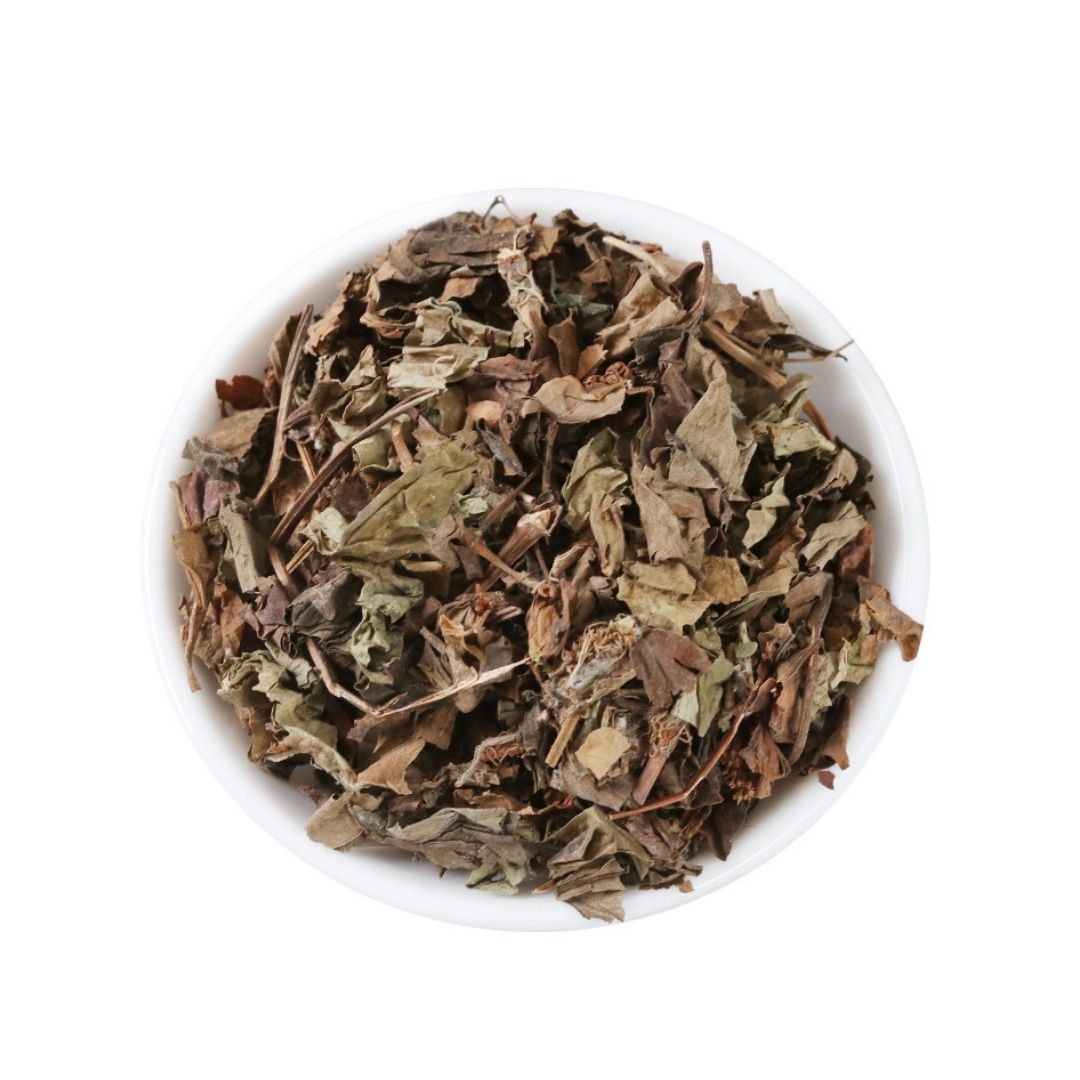
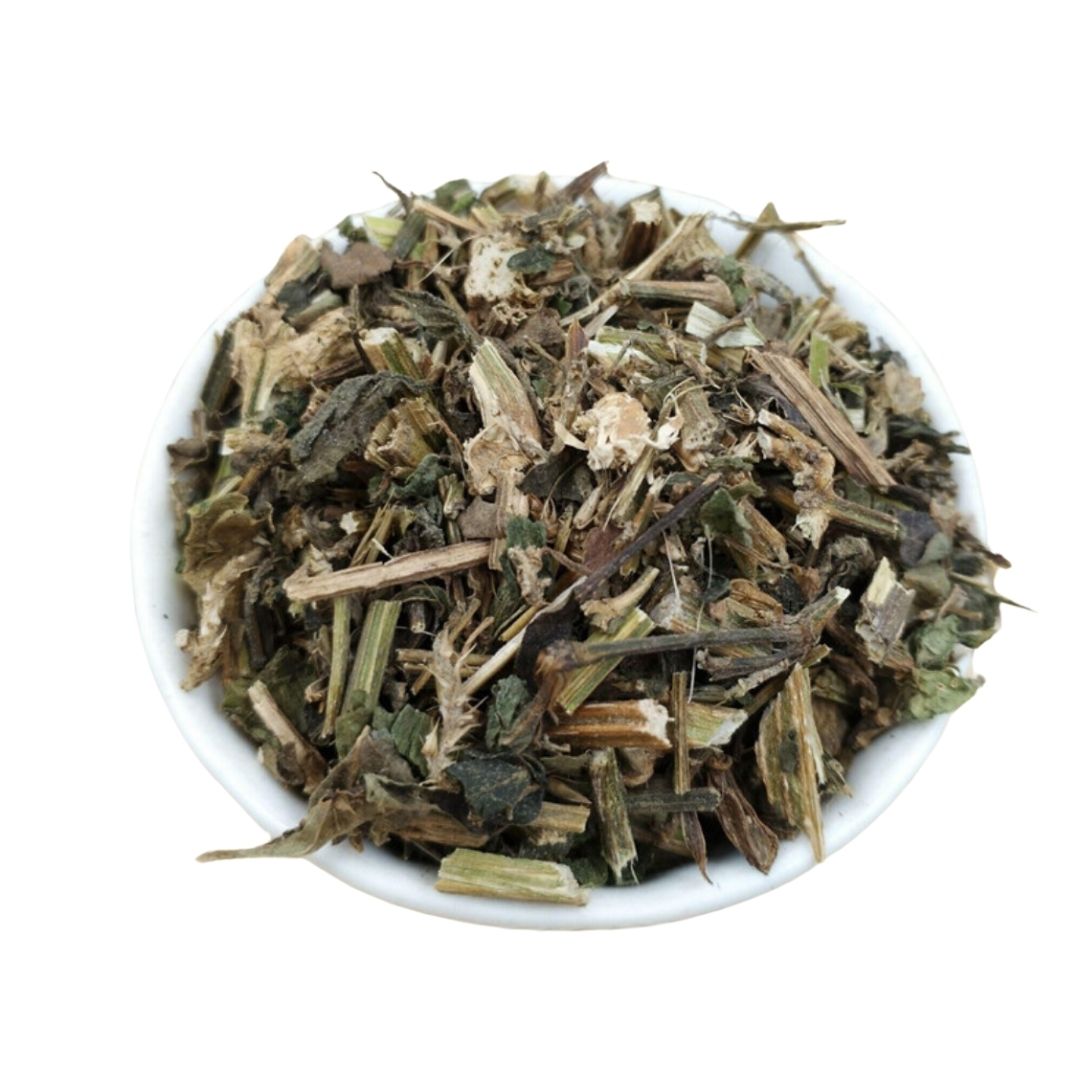
- Dried Hyssop: Dried leaves and flowers retain much of the herb's flavor and aroma, making them suitable for teas, spice blends, and culinary uses.
- Hyssop Essential Oil: Extracted through steam distillation, hyssop essential oil is used in aromatherapy, perfumes, and flavorings [11].
- Hyssop Extracts: These concentrated extracts capture the herb's flavor and bioactive compounds, suitable for food and beverage applications.
- Hyssop Teas: Dried hyssop leaves and flowers are used to make herbal teas, known for their flavor and potential health benefits [12].
Application Scenarios and Usage Dosage
In the culinary field, hyssop can be used to enhance a variety of dishes with its unique flavor profile. It pairs well with meats, vegetables, and legumes, adding a subtle depth and complexity to the overall taste [13]. When using fresh hyssop, it is best to add it towards the end of the cooking process to preserve its delicate aroma and flavor. The leaves can be chopped and sprinkled over salads, soups, and roasted dishes. As for dosage, a small amount, typically half a teaspoon of fresh, chopped hyssop, is often sufficient to flavor a dish serving four people [14].
Dried hyssop is more concentrated than fresh, so it should be used sparingly. It can be incorporated into spice blends, marinades, and sauces to add a subtle bitter and minty note. When using dried hyssop, start with a quarter of a teaspoon for a dish serving four and adjust to taste [15].
Hyssop also complements sweet dishes. It can be used to flavor fruit salads, jams, and herbal teas. The herb's slightly bitter notes balance the sweetness of the fruit, creating a more complex and interesting flavor profile [16]. For teas, one teaspoon of dried hyssop steeped in hot water for 5-10 minutes is a standard dosage.
In the beverage industry, hyssop essential oil and extracts are used to flavor liqueurs, bitters, and other alcoholic beverages. The oil's concentrated aroma adds a distinctive character to these products [17]. The dosage for essential oil is very small, often measured in drops per batch.
It is important to note that hyssop contains thujone, a compound that can be toxic in high doses. Therefore, it should be used in moderation [18]. Pregnant women and individuals with a history of seizures should avoid hyssop due to its potential effects on the nervous system [19].
Introduction to the Source Plant, Distribution, and Growing Environment
Hyssopus officinalis is a perennial plant that typically grows to a height of 2 to 3 feet. It features narrow, lance-shaped leaves and produces clusters of small, tubular flowers that bloom in the summer [20]. The flowers are typically blue or purple, but can also be pink or white, depending on the variety [21].
Hyssop is native to Southern Europe, the Middle East, and the regions surrounding the Caspian Sea. It has been cultivated for centuries and has naturalized in many other parts of the world, including North America [22].
The plant thrives in well-drained soil and prefers full sun exposure. It is relatively drought-tolerant and can grow in a variety of soil types, including sandy and rocky soils. Hyssop is often found growing in fields, meadows, and along roadsides. It is also cultivated in gardens for its ornamental value and its culinary and medicinal uses [23].
Hyssop is a hardy plant that can withstand cold temperatures, making it suitable for growing in temperate climates and is relatively easy to grow, making it a popular choice for home gardeners [24]. It can be propagated from seeds, cuttings, or by dividing the roots of mature plants.
Harvesting, Processing, and Storage Preservation
Hyssop is typically harvested during the summer when the plant is in full bloom. The leaves and flowering tops are cut from the plant, taking care to leave enough foliage for the plant to continue growing [25]. The harvested material can be used fresh or dried for later use.
To dry hyssop, the cut stems are bundled together and hung upside down in a cool, dry, and well-ventilated place. Alternatively, the leaves and flowers can be spread out on a screen or tray to air dry [26]. The drying process typically takes one to two weeks, depending on the humidity and temperature.
Once the hyssop is completely dry, the leaves and flowers can be stripped from the stems and stored in an airtight container. It is important to store dried hyssop in a cool, dark, and dry place to preserve its flavor and aroma [27]. Properly stored dried hyssop can last for up to a year.
Hyssop essential oil is extracted from the plant through steam distillation. The harvested plant material is placed in a still, and steam is passed through it. The steam carries the essential oil, which is then condensed and separated from the water [28]. The essential oil should be stored in a dark glass bottle in a cool, dark place to prevent degradation.
Citations:
[1] Stahl-Biskup, E., & Sáez, F. (2002). Hyssopus officinalis L.- a source of valuable essential oil. Journal of Herbs, Spices & Medicinal Plants, 9(2-3), 61-78.
[2] Lis-Balchin, M. (2006). Aromatherapy science: A guide for healthcare professionals. Pharmaceutical Press.
[3] Chevallier, A. (2016). Encyclopedia of herbal medicine. DK Publishing.
[4] Grieve, M. (1971). A modern herbal. Dover Publications.
[5] Stuart, M. (Ed.). (1979). The encyclopedia of herbs and herbalism. Orbis Publishing.
[6] Lawrence, B. M. (1995). A review of the world production of essential oils (1994). Perfumer & Flavorist, 20(1), 53-61.
[7] Mann, C. M., & Markham, J. L. (1998). Aromatic plants: A survey of their essential oils. Part 2—thymol as an antioxidant. Journal of Essential Oil Research, 10(3), 239-251.
[8] Mitić-Ćulafić, D., et al. (2008). Chemical composition and antioxidant properties of Hyssopus officinalis L. essential oil. Molecules, 13(3), 659-668.
[9] Buchbauer, G. (2010). Handbook of essential oils: Science, technology, and applications. CRC press.
[10] Marotti, M., et al. (2007). Agronomic and chemical evaluation of essential oil crops in the Mediterranean area: A review. Advances in Horticultural Science, 3-18.
[11] Baser, K. H. C., & Buchbauer, G. (2015). Handbook of essential oils: Science, technology, and applications. CRC press.
[12] Hoffmann, D. (2003). Medical herbalism: The science and practice of herbal medicine. Healing Arts Press.
[13] McGee, H. (2004). On food and cooking: The science and lore of the kitchen. Scribner.
[14] Herbst, S. T., & Herbst, R. (2009). The new food lover's companion: Comprehensive definitions of nearly 6000 food, drink, and culinary terms. Barron's Educational Series.
[15] Norman, J. (1991). The complete book of spices. Dorling Kindersley.
[16] Lawson, J. (1995). The complete book of herbs. Reader's Digest.
[17] De Feo, V. (2020). Applications of natural products in the beverage industry. In Natural products. Springer, Cham.
[18] Burkhard, P. R., et al. (1999). Plant-derived convulsants. Epilepsy research, 34(2-3), 163-182.
[19] Awang, D. V. C. (1993). Hyssop: little known, but possessing great therapeutic potential. HerbalGram, (28), 38-40.
[20] Blamey, M., & Grey-Wilson, C. (1989). Flora of Britain and Northern Europe. Hodder & Stoughton.
[21] Polunin, O. (1969). Flowers of Europe: A field guide. Oxford University Press.
[22] USDA, NRCS. (n.d.). Hyssopus officinalis L. PLANTS Profile. Retrieved from https://plants.usda.gov/home/plantProfile?symbol=HYOF
[23] Usher, G. (1974). A dictionary of plants used by man. Constable.
[24] Phillips, R., & Rix, M. (1999). The botanical garden. Macmillan.
[25] Bremness, L. (1994). Herbs. Dorling Kindersley.
[26] Kowalchik, C., & Hylton, W. H. (Eds.). (1998). Rodale's illustrated encyclopedia of herbs. Rodale Press.
[27] Gladstar, R. (2008). Rosemary Gladstar's herbal recipes for vibrant health: 175 teas, tonics, oils, salves, tinctures, and other natural remedies for the entire family. Storey Publishing.
[28] Lis-Balchin, M. (2003). Aromatherapy science: A guide for healthcare professionals. Pharmaceutical Press.
Mia Wu

Hi, I’m Mia Wu! I love helping customers discover the best natural ingredients for their products. With a passion for herbs, spices, and fungi, I work to make sure you get only the finest raw materials. Let's grow together! 🌱✨