

Product Introduction
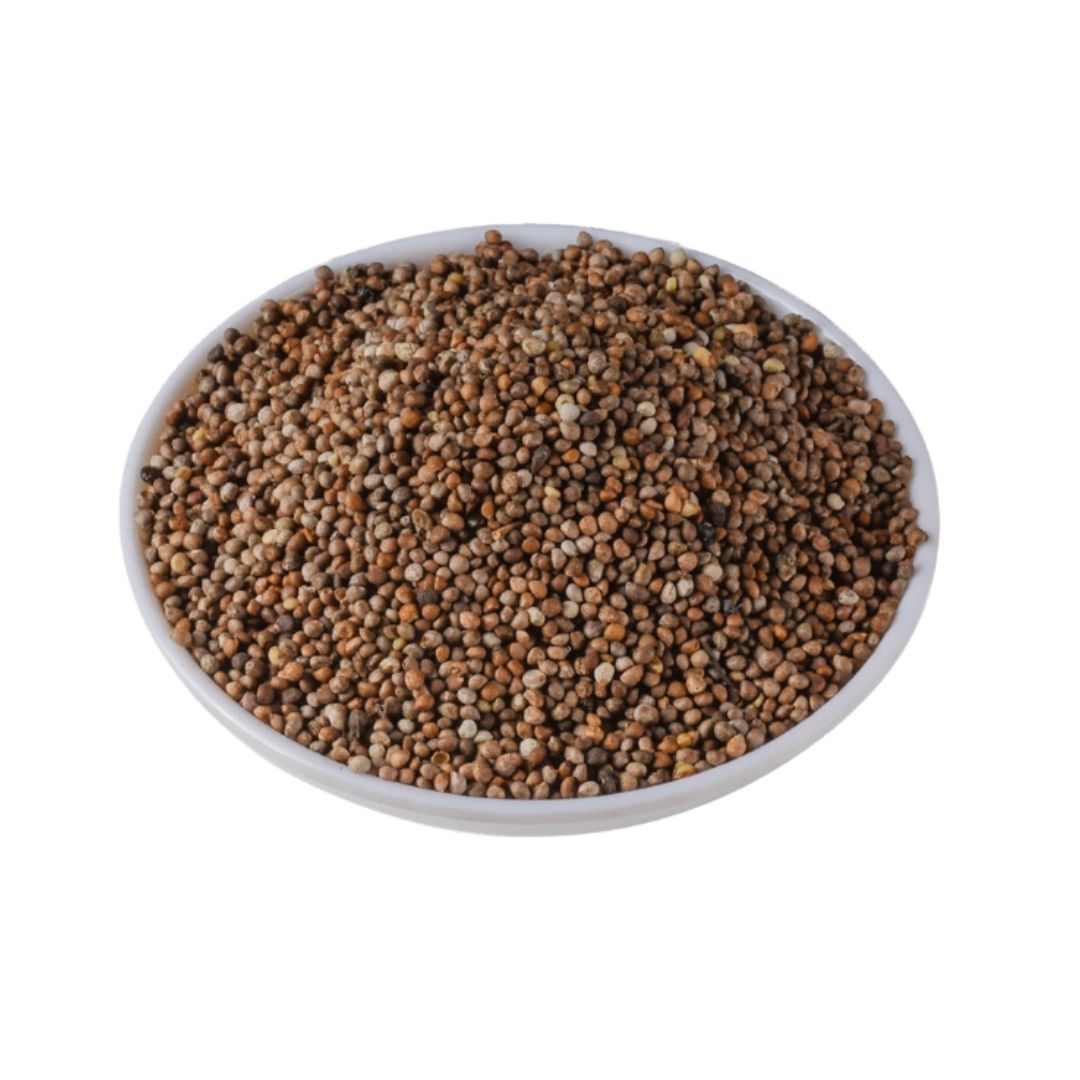
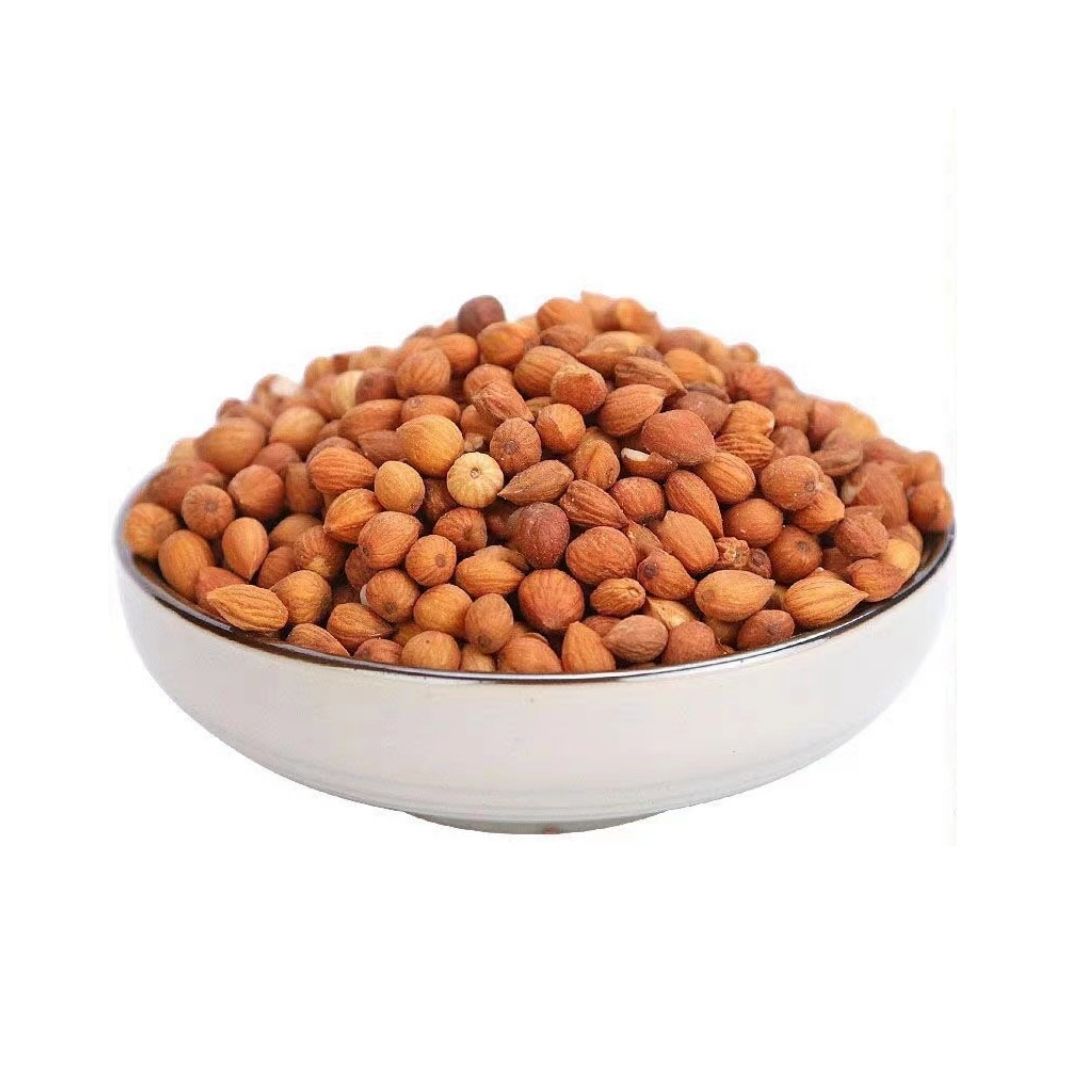
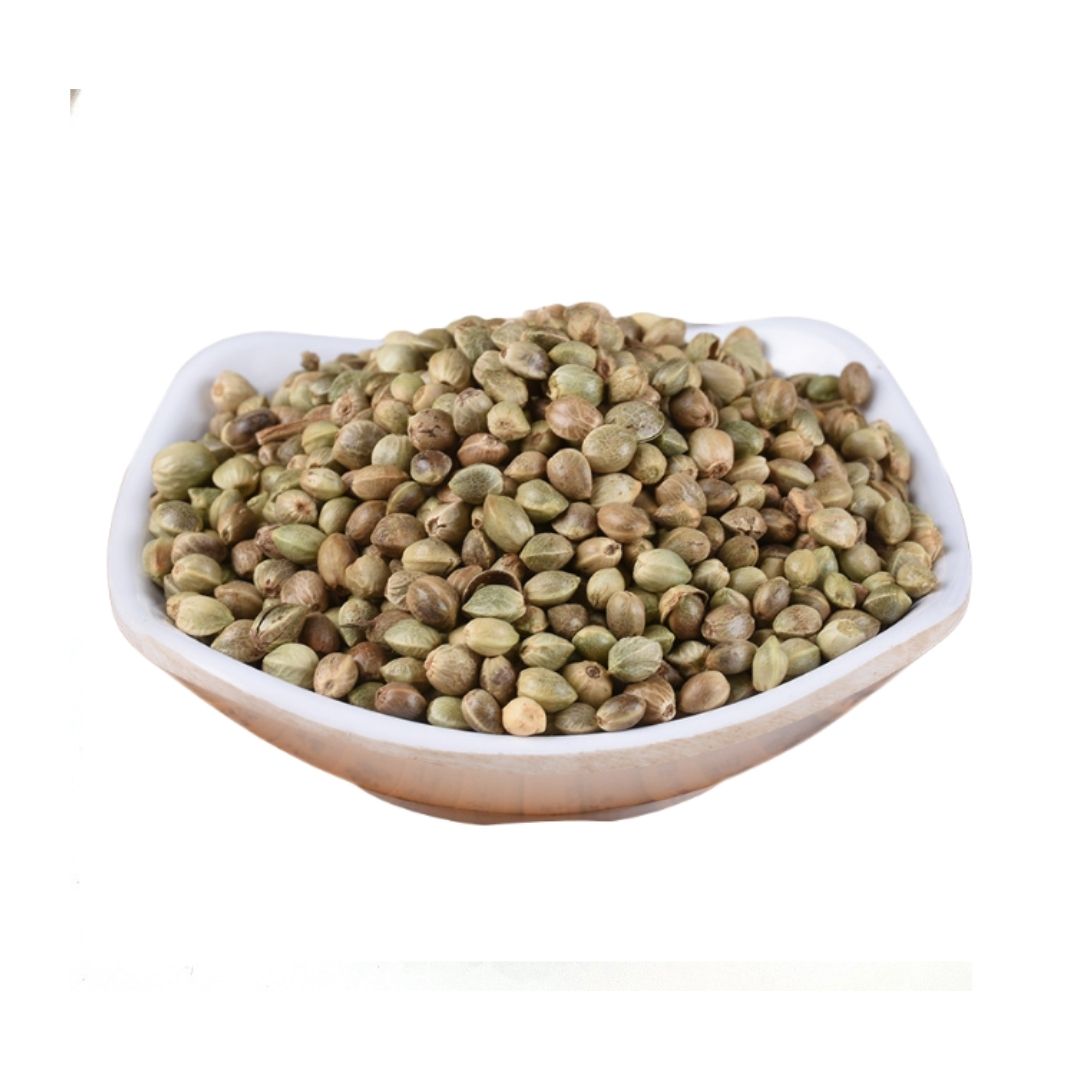
Hemp seed, known as Ma Zi Ren in Chinese, is derived from the dried, ripe seeds of Cannabis sativa L., an annual herbaceous plant belonging to the Cannabaceae family, the same family of plants that hops (Humulus lupulus) belongs to. The seeds are harvested when mature and are valued for their medicinal properties in traditional Chinese medicine (TCM). The plant is called dàmá (大麻) in Chinese, meaning "big hemp".
The use of hemp seed dates back thousands of years in traditional Chinese medicine, with records found in ancient herbal texts. It is used to address various health conditions, primarily related to digestive health and overall well-being.
Main Active Ingredients
Hemp seeds are composed of approximately 30% oil, 25% protein, 10% carbohydrates, 15% insoluble fiber, and 5% moisture and ash. The main active components include:
- Fixed Oil: Consisting of fatty acids such as linoleic acid, alpha-linolenic acid, and oleic acid. These fatty acids contribute to its moisturizing and lubricating properties, which are beneficial for the digestive system.
- Proteins and Amino Acids: Hemp seeds contain a high-quality protein profile, including all essential amino acids.
- Other Trace Elements: Including vitamins, minerals, and antioxidants, which contribute to its nutritional value and health benefits.
Product Application Scenarios, Usage, and Dosage
In traditional Chinese medicine, hemp seed is primarily used for the following applications:
- Moistening the Intestines and Promoting Bowel Movement: Primarily indicated for constipation, especially in cases of dryness due to insufficient fluids.
- Nourishing Deficiency: It can be used to help nourish the body in certain deficiency conditions, often related to blood deficiency.
The typical dosage ranges from 9 to 15 grams, used in decoctions. It can be used alone, or combined with other herbs, to enhance its effects:
- For constipation due to dryness, it is often combined with herbs like Bai Shao (white peony root) and Huo Ma Ren (hemp seed, dosed higher) to enhance its moisturizing and laxative effects.
- When used for nourishing deficiency, it is often combined with herbs like Dang Gui (Chinese angelica root) and Sheng Di Huang (unprocessed rehmannia root).
Introduction to the Source Plant, Distribution, and Growth Environment
Cannabis sativa is an annual herbaceous plant that typically grows to a height of 1 to 3 meters, sometimes taller. The plant has a sturdy stem, palmate leaves, and inconspicuous flowers. Hemp is dioecious meaning that the male and female flowers are on separate plants, with male plants being taller.
Distribution:
The plant is believed to be indigenous to Central Asia, but it is now cultivated worldwide. In China, it is cultivated in various regions, including Heilongjiang, Jilin, Liaoning, Inner Mongolia, Shanxi, and Shandong provinces.
Growth Environment:
- It thrives in well-drained soils with plenty of sunlight.
- The plant is adaptable to various climates but prefers warm, temperate regions.
Harvesting, Processing, and Storage
Harvesting: The seeds are harvested in the autumn when the fruits are fully ripe.
Processing: The harvested seeds are typically dried in the sun or by artificial means to reduce their moisture content. After drying, the seeds are cleaned to remove any impurities, such as stems, leaves, and broken seeds.
Storage: The dried and cleaned seeds should be stored in a cool, dry, and well-ventilated place. They should be protected from moisture and direct sunlight to prevent spoilage and maintain their quality. Proper storage is essential to prevent the seeds from becoming rancid due to their high oil content.
Citations:
- Chen, J. K., & Chen, T. T. (2004). Chinese Medical Herbology and Pharmacology. City of Industry, CA: Art of Medicine Press.
- Bensky, D., Clavey, S., Stöger, E., & Gamble, A. (2004). Chinese Herbal Medicine: Materia Medica, 3rd ed. Seattle, WA: Eastland Press.
- Maa, W. (2024). Traditional Chinese Medicine: Hemp Seed. https://www.sacredlotus.com/herbology/herb/ma-zi-ren
- Li, L., Li, H., Li, J., Yang, Y., Shi, Y., & Wang, Z. (2022). Chemical constituents and pharmacological activities of Cannabis sativa. Journal of Pharmaceutical Analysis, 12(6), 757-771.
Mia Wu

Hi, I’m Mia Wu! I love helping customers discover the best natural ingredients for their products. With a passion for herbs, spices, and fungi, I work to make sure you get only the finest raw materials. Let's grow together! 🌱✨