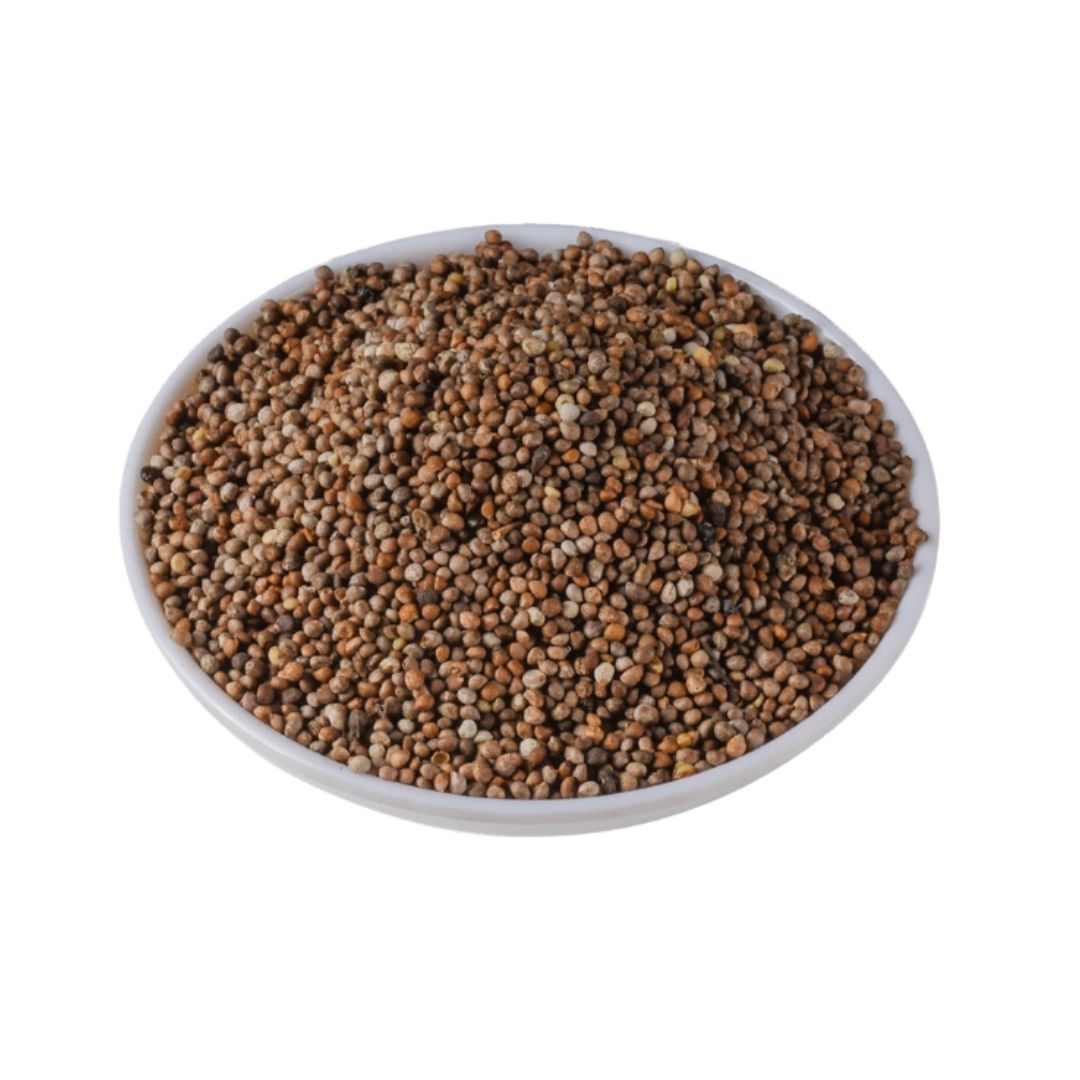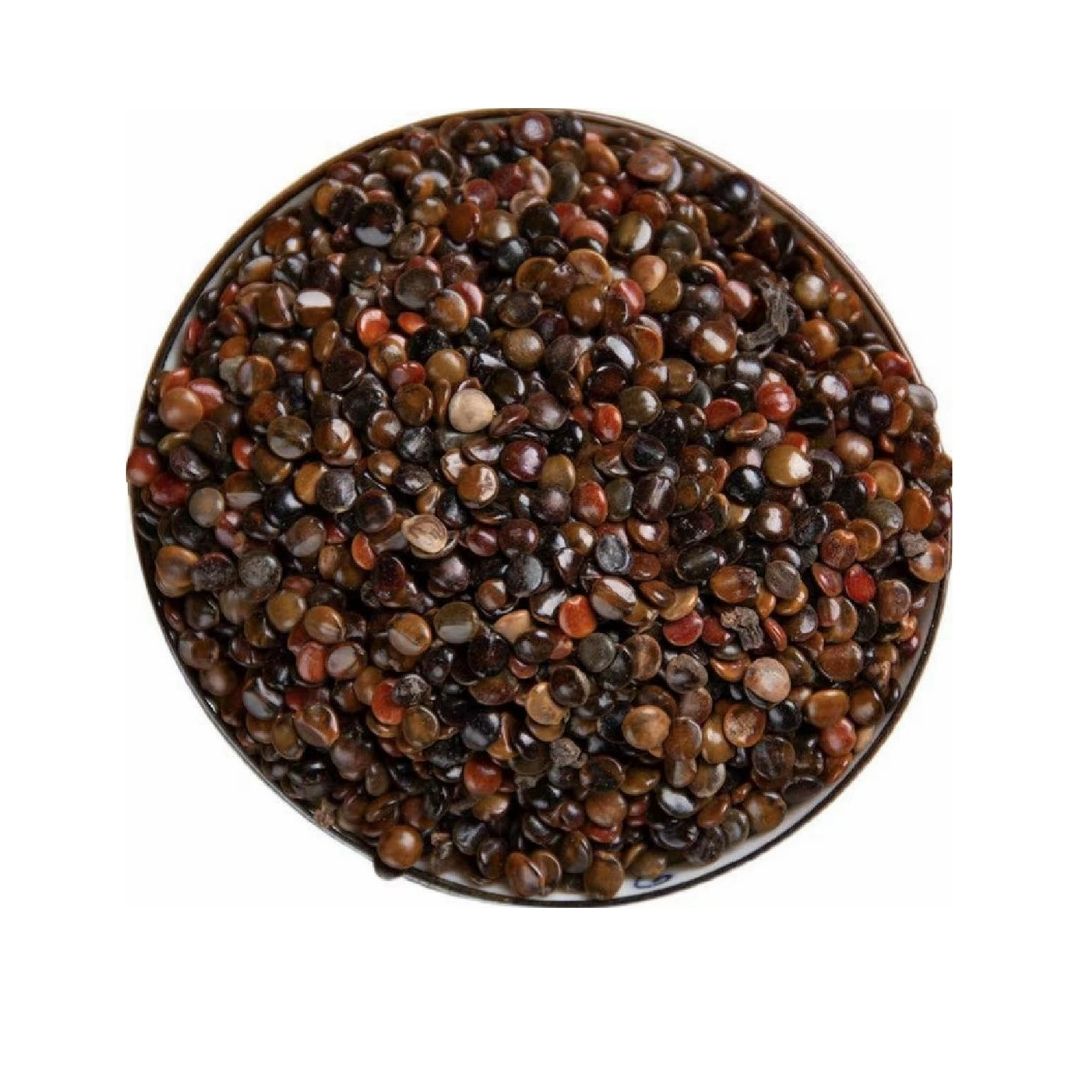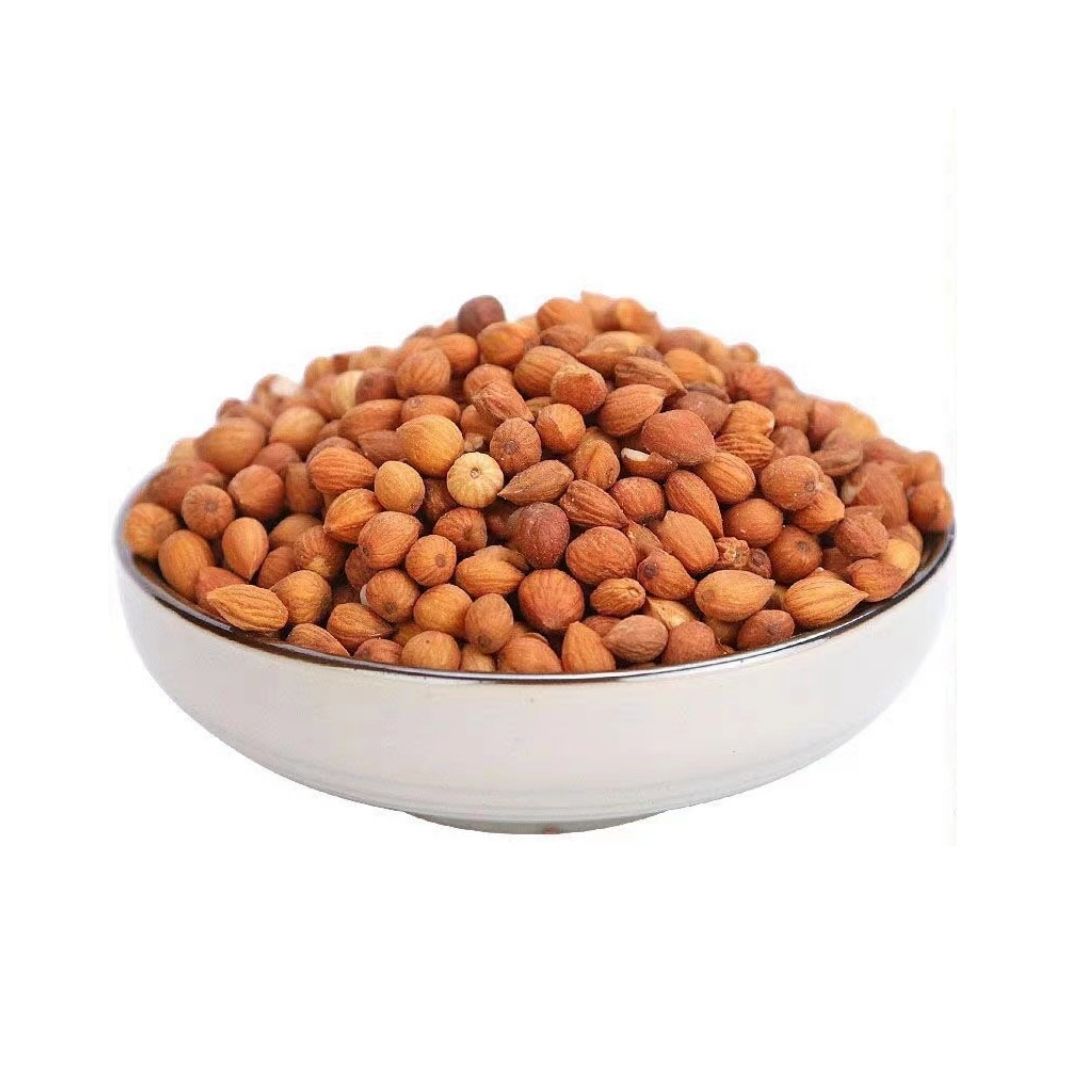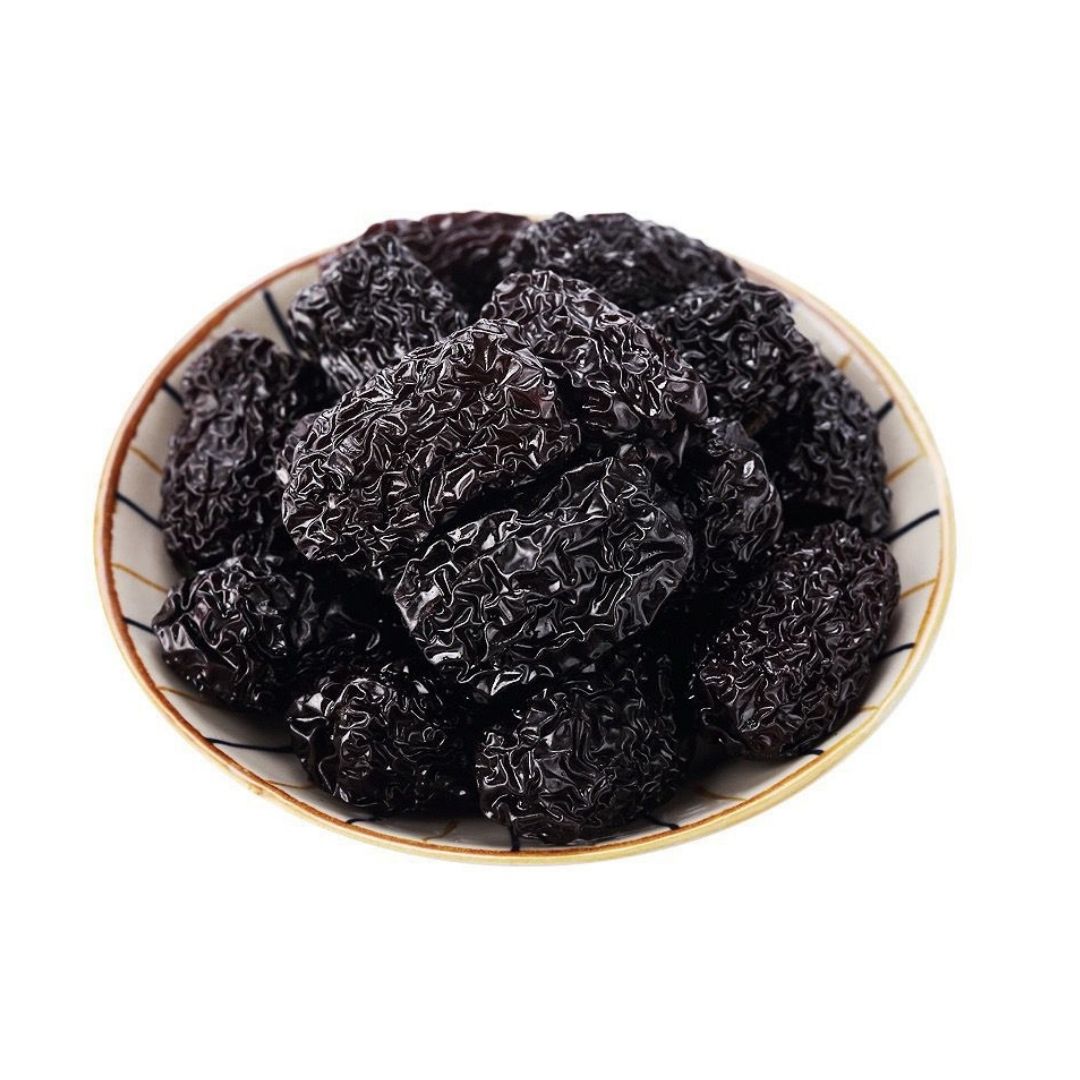


Product Introduction
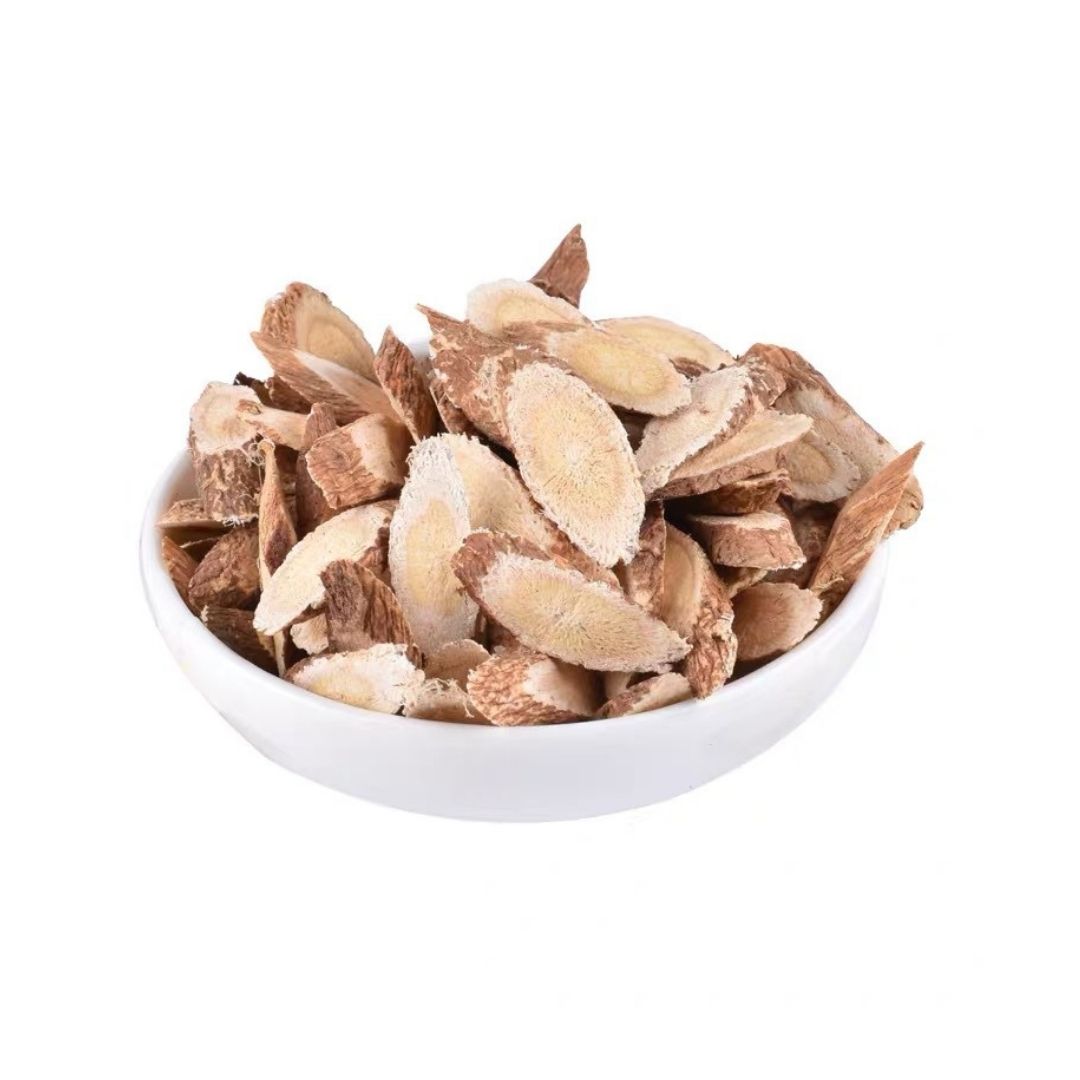
Hedysari Radix, known as Huang Qi in Chinese, is a well-regarded herb in Traditional Chinese Medicine widely recognized for its immune-enhancing and Qi-tonifying properties. The herb has a long history of use as both a medicinal agent and a food supplement, and can be found in many traditional herbal formulas. Typically, the dried root slices are prepared and used in decoctions, teas, and various culinary applications.
Main Active Ingredients
The therapeutic effects of Hedysari Radix are attributed to its diverse array of bioactive compounds. Polysaccharides, a major component, are known for their immunomodulatory and antioxidant activities [1]. Flavonoids, including various isoflavonoids, contribute to its antioxidant, anti-inflammatory, and cardiovascular protective effects [2]. Additionally, the presence of saponins, amino acids, and trace minerals supports its overall health-promoting properties [3].
Product Application Scenarios, Usage, and Dosage
Hedysari Radix is used in a range of clinical scenarios in TCM. It strengthens the Spleen to improve digestion and energy, tonifies Qi to relieve fatigue, and raises Yang to address conditions like prolapse [4]. It is also used to support the immune system, alleviate sweating, and promote wound healing [5]. The typical dosage is generally between 9 and 30 grams, usually administered in decoction form, depending on the specific condition and individual needs [6]. Consulting with a qualified TCM practitioner is recommended to determine the appropriate dosage and application.
Introduction to the Source Plant, Distribution, and Growth Environment
Hedysarum polybotrys is a perennial plant belonging to the Fabaceae family. It is native to the northern regions of China, including Shanxi, Inner Mongolia, and Gansu [7]. The plant prefers well-drained soils and sunny environments, commonly found in grasslands and mountainous areas. Its ability to thrive in harsh conditions contributes to the resilience and strength associated with the herb itself.
Harvesting, Processing, and Storage
The roots of Hedysarum polybotrys are typically harvested in the autumn after several years of growth [8]. After harvesting, the roots are washed, dried, and cut into slices. Proper drying is essential to preserve the quality and prevent mold growth. The dried Hedysari Radix should be stored in a cool, dry, well-ventilated place, away from direct sunlight, and protected from moisture and pests to maintain its potency and extend its shelf life [9].
Citations:
[1] Zhang, Y., et al. "Polysaccharides from Astragalus membranaceus as adjuvant to influenza vaccine: enhancing immune responses and anti-viral activity." PloS one 11.4 (2016): e0152034.
[2] Li, X., et al. "Flavonoids from Astragalus membranaceus and their bioactivities." Journal of Functional Foods 18 (2015): 10-19.
[3] Wang, D., et al. "Chemical composition and potential health benefits of Astragalus membranaceus: a review." Journal of agricultural and food chemistry 67.47 (2019): 12975-12992.
[4] Chen, J. K., & Chen, T. T. (2004). Chinese Medical Herbology and Pharmacology. Art of Medicine Press.
[5] Dharmananda, S. "Astragalus: an important herb in traditional Chinese medicine." Institute for Traditional Medicine, Portland, Oregon (2007).
[6] Bensky, D., et al. Chinese Herbal Medicine: Materia Medica, 3rd Edition. Eastland Press, 2004.
[7] Flora of China Editorial Committee. "Flora of China." Missouri Botanical Garden Press (2008).
[8] He, L., et al. "The influence of harvesting time on the quality of Astragali Radix." Journal of Traditional Chinese Medicinal Materials 35.2 (2012): 223-226.
[9] State Administration of Traditional Chinese Medicine. Pharmacopoeia of the People's Republic of China. China Medical Science and Technology Press, 2015.
Mia Wu

Hi, I’m Mia Wu! I love helping customers discover the best natural ingredients for their products. With a passion for herbs, spices, and fungi, I work to make sure you get only the finest raw materials. Let's grow together! 🌱✨