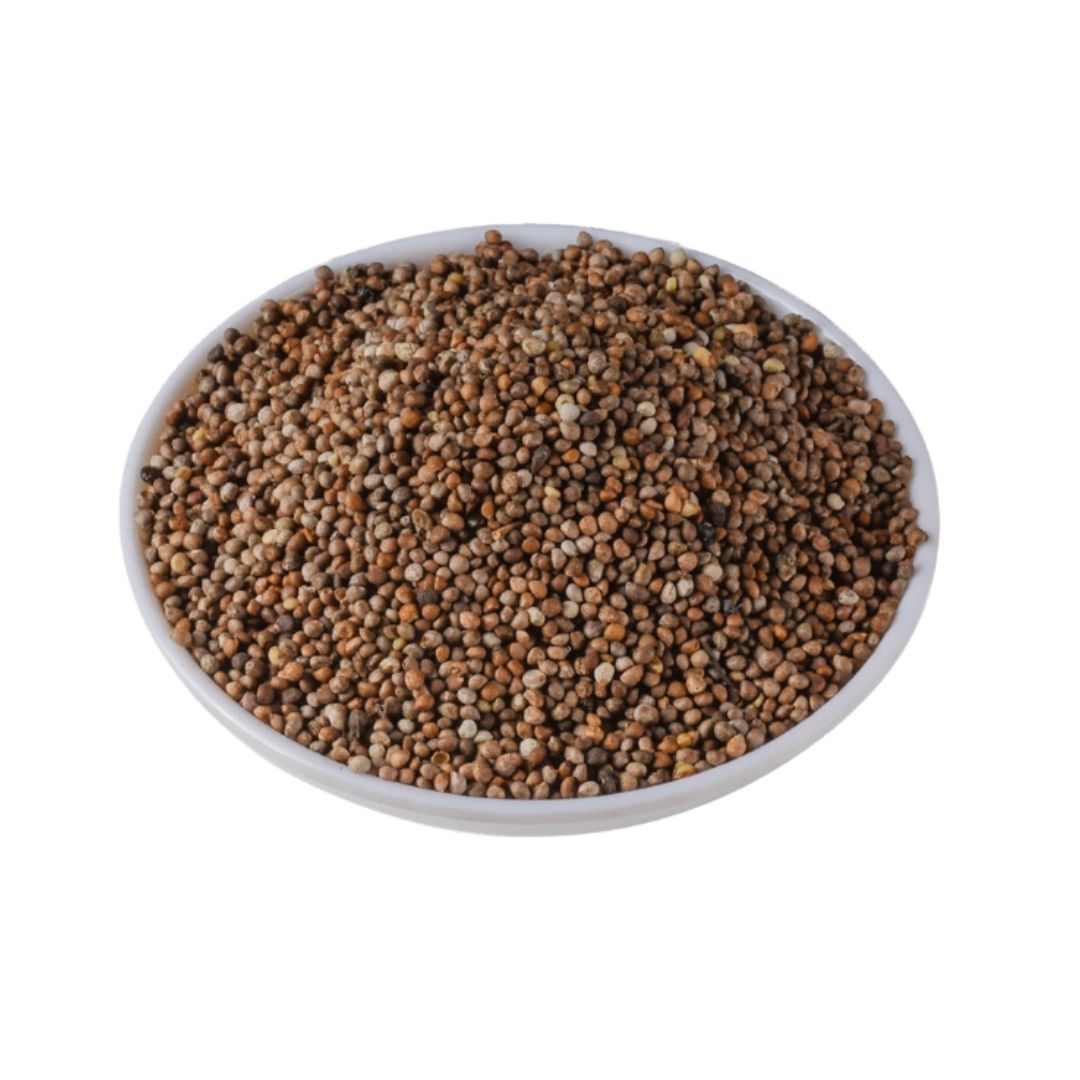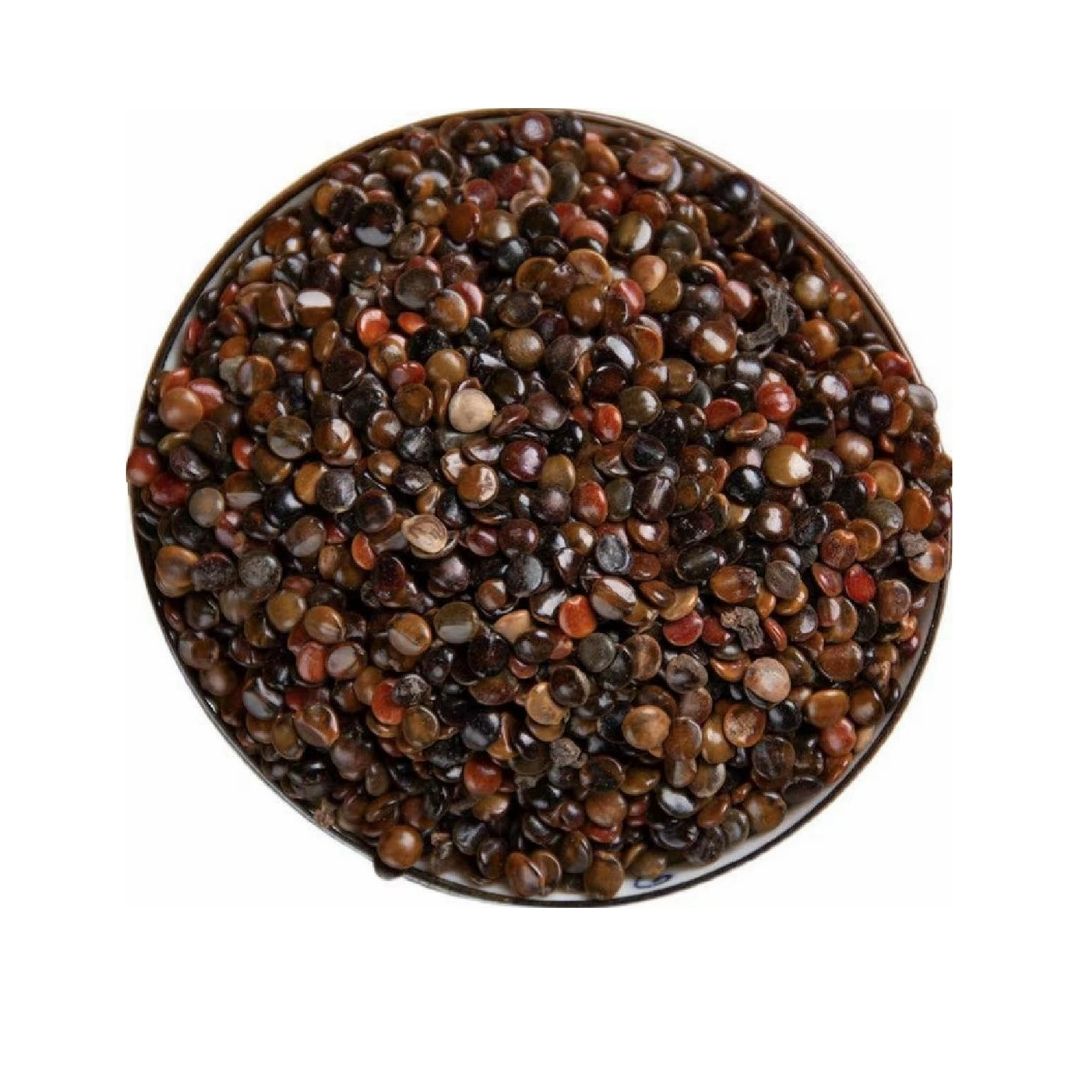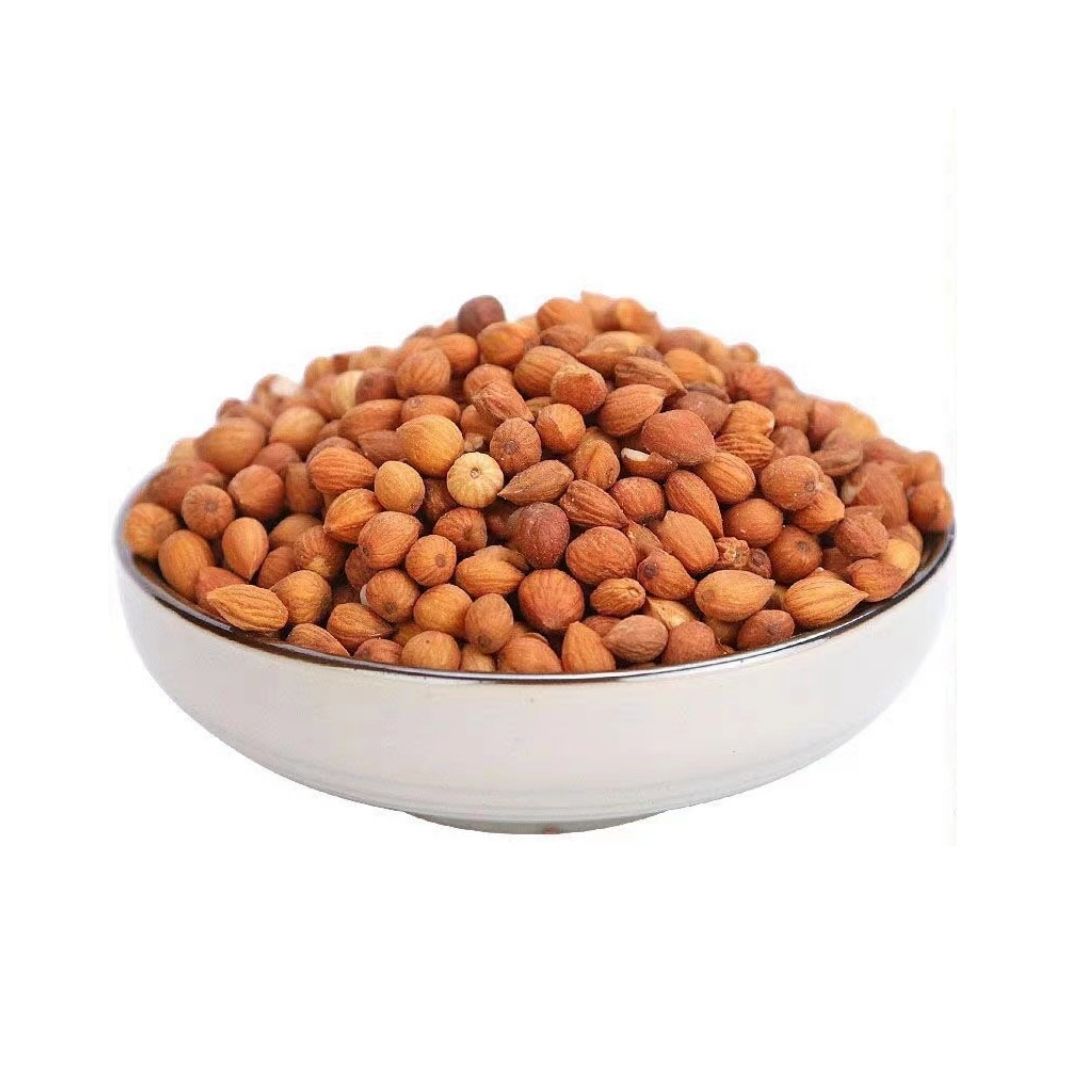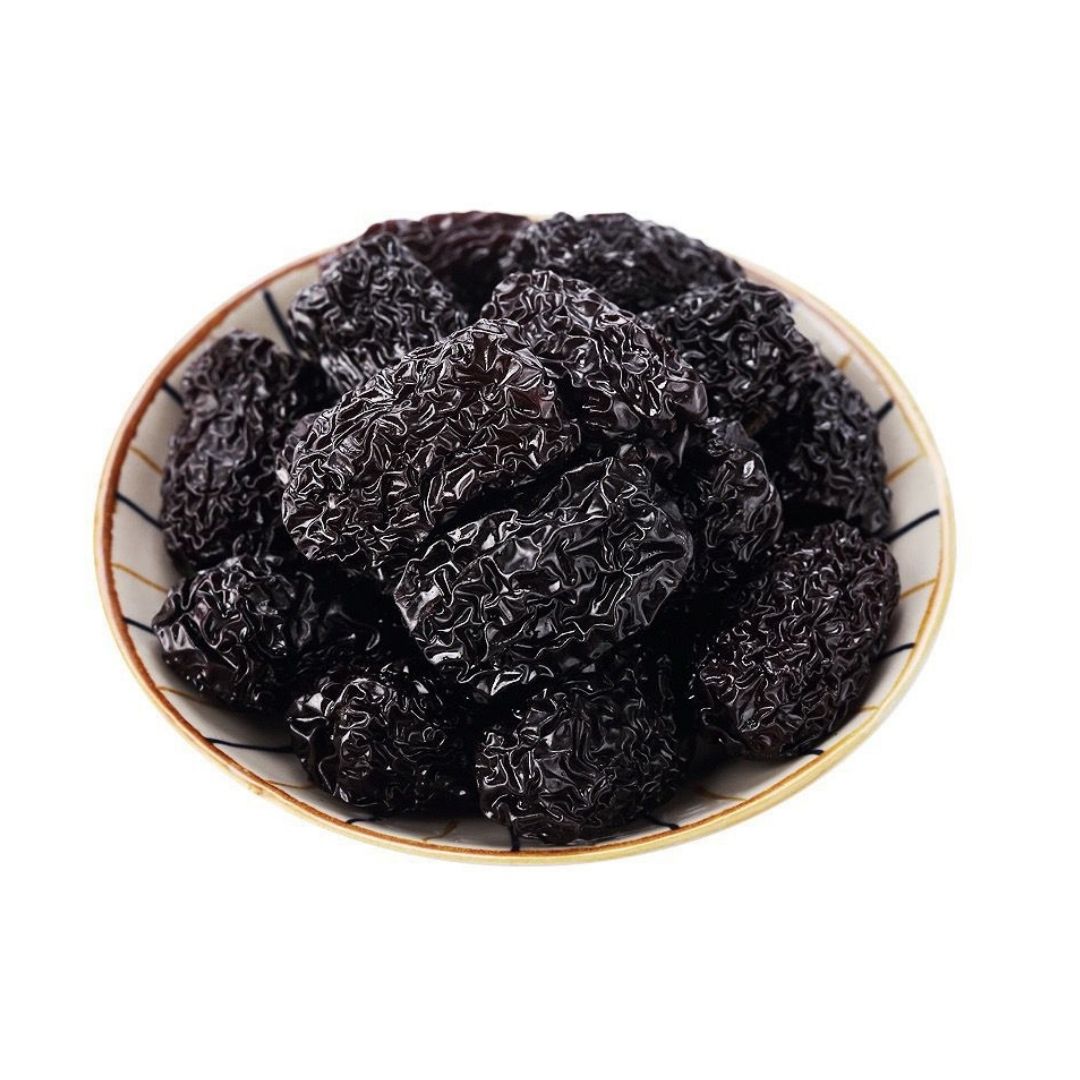


Product Introduction
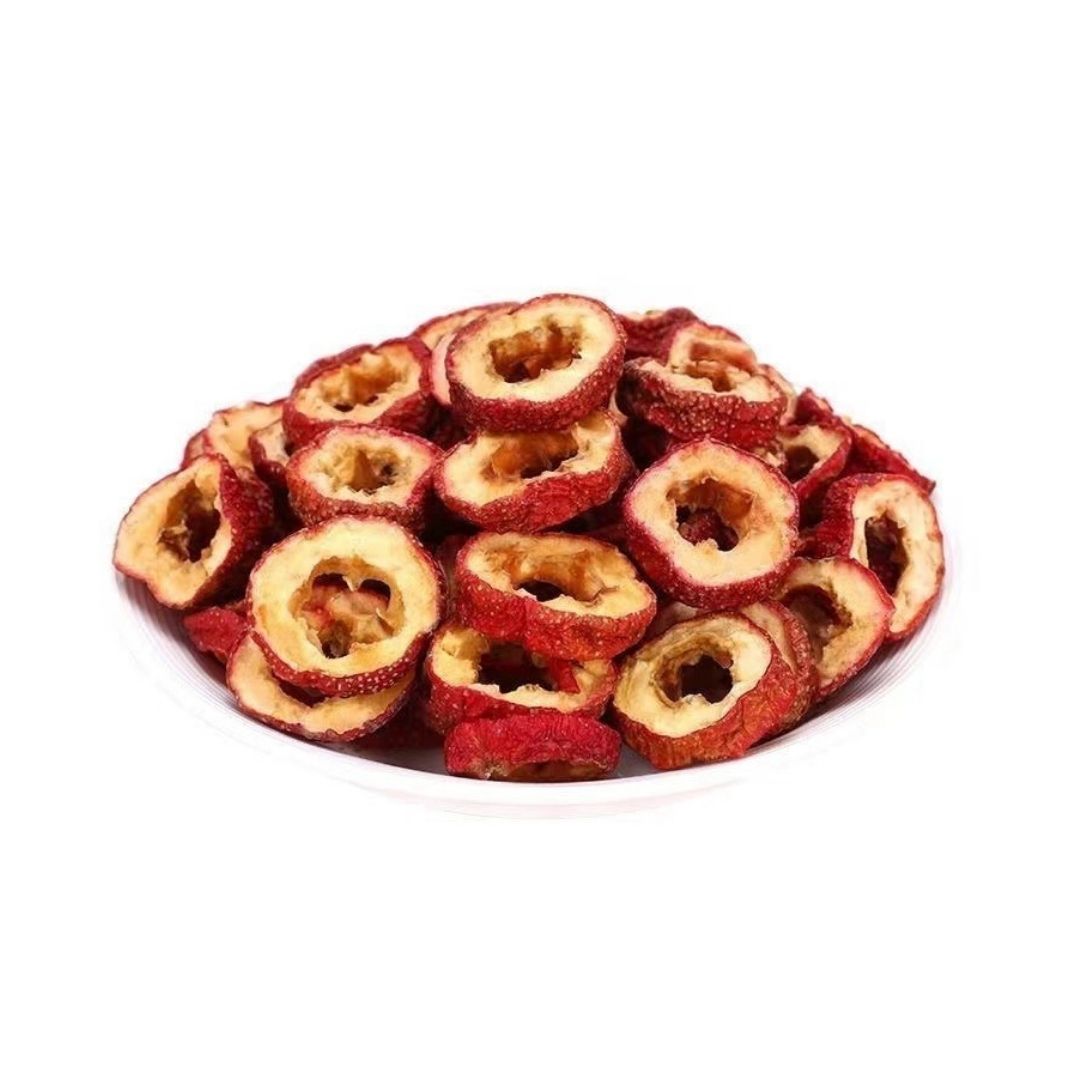
Hawthorn berry, known as Shan Zha in Chinese, has been used for centuries in traditional medicine, particularly in China and Europe. It is derived from various species of the Crataegus genus, most commonly Crataegus pinnatifida in China. Hawthorn is valued for both its culinary and medicinal properties, playing a role in supporting cardiovascular health and digestive function. It is often consumed as a food or brewed as a tea.
Main Active Ingredients
The therapeutic benefits of hawthorn are largely attributed to its rich concentration of bioactive compounds. Flavonoids, such as oligomeric proanthocyanidins (OPCs) and hyperoside, are prominent, acting as antioxidants that help protect against cellular damage. Organic acids, including citric acid and malic acid, contribute to hawthorn's tart flavor and assist digestion. Pectin, a type of soluble fiber, is also present, further aiding in digestive health. These constituents work synergistically to deliver hawthorn's effects.
Product Application Scenarios, Usage, and Dosage
Hawthorn is versatile in treating a range of conditions. It is primarily used to support digestive health, particularly in cases of food stagnation and indigestion, helping to break down fatty foods and alleviate bloating. Furthermore, hawthorn is employed to promote cardiovascular wellness by improving blood circulation and helping to maintain healthy blood pressure levels. In TCM, it's believed to invigorate blood, which can be beneficial for individuals experiencing blood stasis.
Dosage varies depending on the form of hawthorn and the intended use. For dried hawthorn berries, a typical dosage is 9-15 grams per day, often taken as a decoction, which is brewed and consumed as a tea. Hawthorn extracts and supplements are also available, with dosages ranging based on the concentration of active compounds, so consulting a healthcare provider is important when determining dosage.
Introduction to the Source Plant, Distribution, and Growth Environment
Crataegus pinnatifida, the primary source of hawthorn in China, is a deciduous tree belonging to the Rosaceae family. This tree is native to regions of northern China. Crataegus species, more broadly, are found in temperate zones around the world, including Europe and North America.
Hawthorn trees thrive in diverse environments, including woodlands, thickets, and sunny slopes. They are adaptable, growing in various soil types, but typically prefer well-drained soils and full sun exposure. These trees are known for their resilience and ability to withstand harsh conditions.
Harvesting, Processing, and Storage
Hawthorn berries are typically harvested in the fall when they reach full maturity and turn a deep red color. Harvesting involves carefully picking the berries from the branches.
After harvesting, the berries are processed to prepare them for medicinal use. Common processing methods include drying, either through sun-drying or using mechanical dryers, to reduce moisture content and prevent spoilage. The dried berries can be used whole or sliced before being incorporated into herbal formulations or food products.
Proper storage is essential to maintain the quality and potency of hawthorn berries. They should be stored in airtight containers in a cool, dry, and dark environment, away from direct sunlight and moisture. This prevents the degradation of active compounds and ensures a longer shelf life.
Citations
- Foster, S., & Tyler, V. E. (1999). Tyler's honest herbal: A sensible guide to the use of herbs and related remedies. Psychology Press.
- Luo, L., Kong, L., Li, Y., & Wang, T. (2016). Crataegus pinnatifida: chemical constituents, pharmacology, and potential applications. Journal of agricultural and food chemistry, 64(48), 9213-9222.
- Mills, S., & Bone, K. (2000). Principles and practice of phytotherapy. Churchill Livingstone.
- Upton, R. (2003). Hawthorn leaf and flower Crataegus spp.: Analytical, quality control, and therapeutic monograph. American Herbal Pharmacopoeia.
Mia Wu

Hi, I’m Mia Wu! I love helping customers discover the best natural ingredients for their products. With a passion for herbs, spices, and fungi, I work to make sure you get only the finest raw materials. Let's grow together! 🌱✨