

Product Introduction
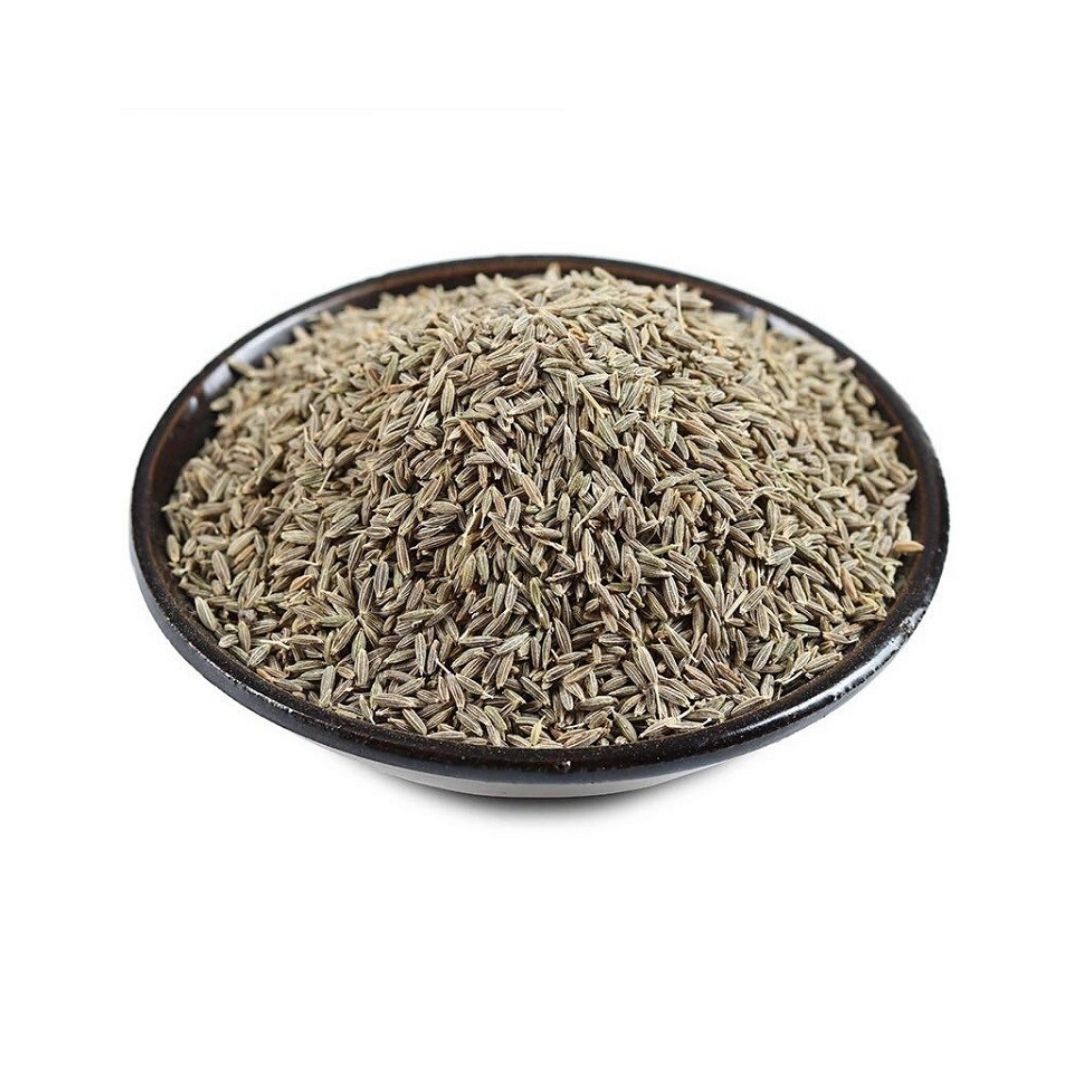
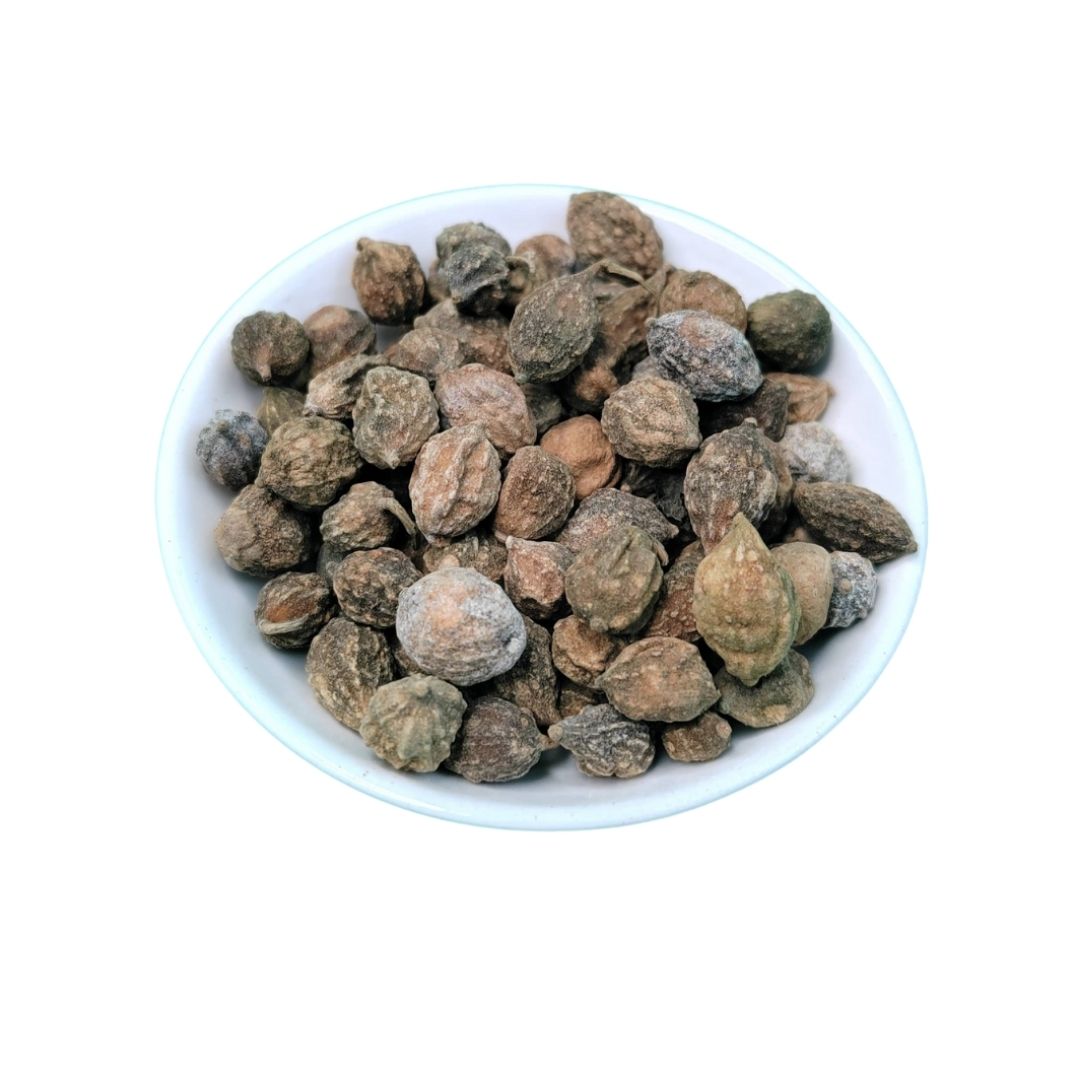
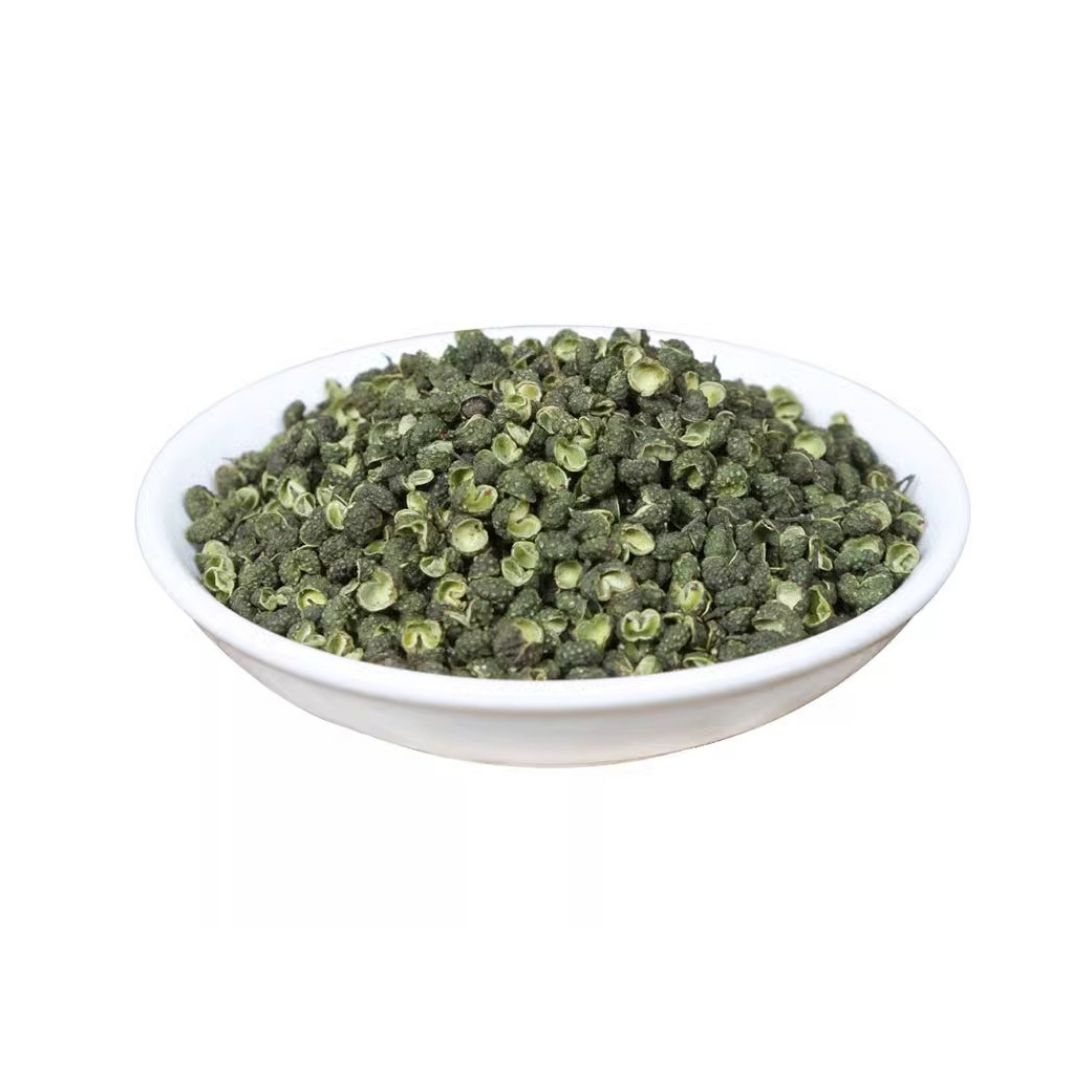
Green sesame pepper is an innovative spice blend that combines the nutty, slightly sweet flavor of sesame seeds with the sharp, pungent heat of black pepper. This unique combination creates a complex flavor profile that enhances a wide range of dishes. The base of this spice is unroasted Sesamum radiatum, which contributes a light, toasted note and a creamy texture. Blended carefully with ground Piper nigrum, the resulting spice offers an exciting contrast between the mildness of sesame and the intensity of pepper. This blend commonly is used as a versatile seasoning, adding both depth and a subtle kick to any dish.
Green sesame pepper is derived from West Africa and India, where both sesame and black pepper have been cultivated for centuries. This spice blend seeks to capture the essence of each ingredient, offering a harmonious balance of flavors. The unroasted sesame seeds retain their natural oils and delicate taste, while the black pepper provides a robust spiciness, contributing to the overall complexity of the spice, its applications, which range from simple seasoning to more elaborate culinary creations.
The spice is known for its balanced taste and wide range of uses. It can be incorporated into spice rubs for meats, adding a nutty and peppery crust that seals in moisture and flavor. In vegetable dishes, it provides depth and warmth, complementing the natural sweetness of the produce. Green sesame pepper can also be used as a finishing spice, sprinkled over salads, soups, or stir-fries to add a burst of flavor and texture. This versatile spice is quickly becoming a staple in kitchens, providing an easy way to enhance the taste of everyday meals.
Aromatic Chemical Composition
The aromatic chemical compositions of green sesame pepper comes from two main ingredients (Sesamum radiatum x Piper nigrum), and are quite diverse, contributing to its complex flavor profile and aroma. The key compounds are piperine, chivraltrine, sesamin, sesamolin. Piperine is the primary pungent compound in black pepper, responsible for its sharp, biting heat. Chivraltrine contributes to the complex pungency of black pepper which is a homologue of piperine [1]. Sesamin and sesamolin are lignans found in sesame seeds, which provide nutty, slightly sweet notes.
These chemical components work together to give green sesame pepper its distinctive taste and aroma. The interaction of these compounds results in a synergistic effect, where the overall flavor is more complex and nuanced than the sum of its parts, giving green sesame pepper its unique and appealing characteristics.
What Types of Products Are Available?
Green sesame pepper is available in several forms to suit different culinary needs. The most common is the ground blend, which is ideal for use as a seasoning or spice rub. The ground form allows for easy incorporation into recipes, ensuring a consistent distribution of flavor, making it versatile for both cooking and finishing dishes.
Another available form is whole green sesame pepper. This version features a blend of whole, unroasted sesame seeds and whole black peppercorns. This form is often preferred for dishes where a burst of fresh flavor is desired, as the seeds and peppercorns release their oils and aromas upon grinding or crushing. Whole green sesame pepper can be freshly ground using a spice grinder or mortar and pestle, providing a more intense and vibrant flavor experience.
In addition to ground and whole forms, some manufacturers offer green sesame pepper as part of seasoning blends. These blends often combine green sesame pepper with other herbs and spices, such as garlic, ginger, or chili flakes, to create unique flavor combinations. These pre-mixed blends can be especially convenient for home cooks looking to add a complex flavor profile to their dishes without the need to measure and mix individual spices.
Application Scenarios and Usage Dosage
Green sesame pepper finds diverse applications in the culinary field, enhancing a variety of dishes with its balanced flavor and aromatic profile. In meat preparations, it serves as an excellent spice rub, infusing a nutty and peppery crust that seals in moisture and adds depth to the overall taste. For grilling or roasting, a generous coating of green sesame pepper can transform a simple cut of meat into a flavorful centerpiece, offering a pleasant contrast between the savory meat and the spice blend.
Vegetable dishes also benefit significantly from the addition of green sesame pepper. When sautéing or roasting vegetables, a sprinkle of this spice can elevate the natural sweetness of the produce, providing a warm and inviting flavor. It pairs particularly well with root vegetables like carrots and sweet potatoes, as well as cruciferous vegetables like broccoli and cauliflower, complementing their earthy undertones with its nutty and peppery notes.
As a finishing spice, green sesame pepper adds a burst of flavor and texture to a variety of dishes. Sprinkling it over salads introduces a layer of complexity, contrasting the freshness of the greens with the warmth of the spice. It also works well with soups, adding a hint of heat and nuttiness that enhances the overall richness of the broth. Stir-fries benefit from a light dusting of green sesame pepper, which adds a nuanced flavor that complements the other ingredients without overpowering them.
In terms of dosage, the amount of green sesame pepper used will vary depending on personal preference and the specific dish being prepared. As a general guideline, a teaspoon of ground green sesame pepper per pound of meat or vegetables is a good starting point. For finishing dishes, a light sprinkle is usually sufficient to add the desired flavor. It is always recommended to start with a smaller amount and adjust to taste, as the intensity of the spice can vary depending on the freshness and quality of the ingredients.
For those who prefer to use whole green sesame pepper, grinding it fresh before use is recommended to maximize the flavor and aroma. A small spice grinder or mortar and pestle can be used to grind the seeds and peppercorns to the desired consistency. The freshly ground spice can then be added to dishes as needed, following the same dosage guidelines as the ground blend.
Introduction to the Source Plant, Distribution, and Growing Environment
The source plants for green sesame pepper are Sesamum radiatum and Piper nigrum. Sesamum radiatum, also known as beniseed, is an annual herbaceous plant that belongs to the sesame family (Pedaliaceae). This plant can grow up to 2 meters tall and is characterized by its slender stems, elongated leaves, and delicate, tubular flowers. The sesame seeds are contained within small capsules that develop after pollination.
Native to West Africa, Sesamum radiatum is widely cultivated across various regions of the continent, particularly in countries like Nigeria, Ghana, and Sierra Leone [2]. It thrives in tropical and subtropical climates with well-drained soils and plenty of sunlight. The plant is well-adapted to hot and dry conditions, making it a suitable crop for areas with limited rainfall.
Piper nigrum, the black pepper plant, is a perennial vine that belongs to the pepper family (Piperaceae). This plant can grow up to 10 meters in height, using aerial roots to climb on trees or other supports. It features broad, heart-shaped leaves and slender spikes of small, white flowers. The peppercorns develop as berries on these spikes, which turn from green to red as they mature [3].
Piper nigrum is native to the tropical regions of South India, particularly the Western Ghats. It is also cultivated in other tropical countries, including Vietnam, Indonesia, Brazil, and Sri Lanka. The plant requires a warm and humid climate with consistent rainfall and well-drained soil. It thrives in shaded environments, often grown under the canopy of taller trees.
The distribution of these two plants reflects their native habitats and cultivation practices. Sesamum radiatum is primarily found in West Africa. Piper nigrum is found in South India and other tropical regions around the world. The combination of these two ingredients in green sesame pepper creates a spice blend that captures the unique flavors and aromas of both African and Asian cuisines.
Harvesting, Processing, and Storage Preservation
The harvesting and processing of Sesamum radiatum and Piper nigrum are critical steps to preserving their quality and flavor, and are different for each plant. Sesame seeds are typically harvested when the capsules turn yellow and begin to dry [4]. The plants are cut and bundled together, then left to dry in the sun. Once the capsules are fully dry, they are threshed to release the seeds, which are then cleaned to remove any debris or impurities. For green sesame pepper, unroasted sesame seeds are preferred to retain their natural oils and delicate flavor.
Black peppercorns are harvested when they turn from green to red [5]. The spikes of peppercorns are collected and dried in the sun until they turn black and shriveled. The dried peppercorns are then separated from the spikes and cleaned. The quality of black pepper is determined by its size, density, and pungency, which are influenced by the harvesting and drying processes.
To preserve the quality and flavor of green sesame pepper, proper storage is essential. The spice should be stored in an airtight container in a cool, dark, and dry place to prevent oxidation and moisture absorption. Exposure to light, heat, and humidity can degrade the aromatic compounds and reduce the overall flavor intensity. Properly stored green sesame pepper can maintain its quality for up to one year.
Citations:
- El Barraj, F., Touhami, F.Z., Hanine, H., Talbi, M., Dadamoussa, B., & Khouaja, A. (2024). Phytochemical Composition, Acute Toxicity, Antioxidant, and Antibacterial Activities of Black Pepper (Piper nigrum L.) from Moroccan Traditional Medicine. Plants, 13(3), 402.
- Ashri, A. (2007). Sesame breeding. Plant Breeding Reviews, 28, 173-227.
- De Zoysa, M., Dassanayake, K. B., Wijesekera, R. G., & Bohm, B. A. (1984). Chemical composition of pepper (Piper nigrum L.) oil. Journal of the National Science Council of Sri Lanka, 12(2), 217-226.
- Uzun, B., Çağırgan, M. İ., & Kurt, C. (2008). Some physical properties of sesame seed. Journal of food engineering, 87(1), 106-112.
- Zachariah, T. J. (2008). Chemistry of spices. Kerala Agricultural University, Thrissur.
Mia Wu

Hi, I’m Mia Wu! I love helping customers discover the best natural ingredients for their products. With a passion for herbs, spices, and fungi, I work to make sure you get only the finest raw materials. Let's grow together! 🌱✨