

Product Introduction
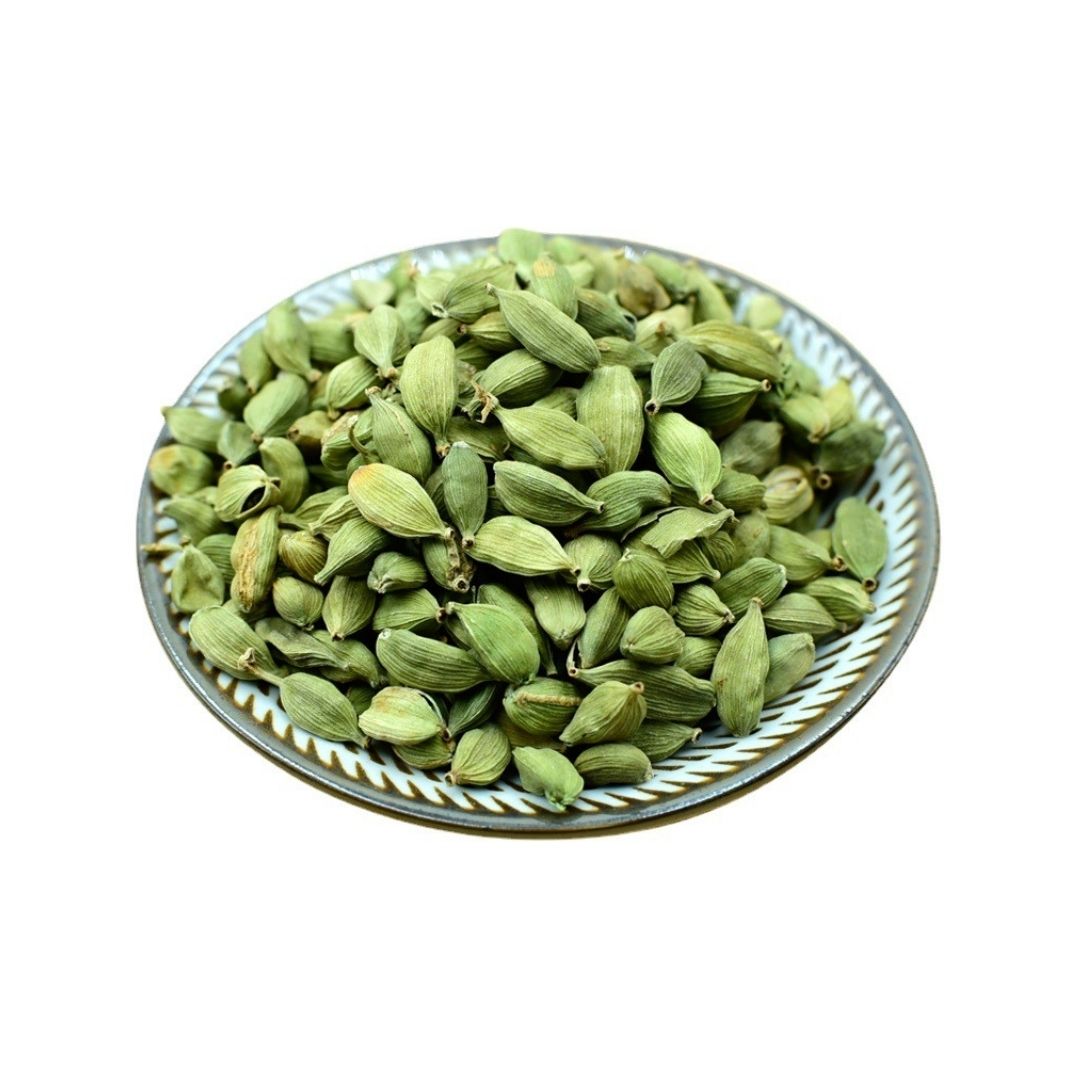
Green cardamom, scientifically known as Elettaria cardamomum, is a spice derived from the seed pods of a plant belonging to the ginger family. Native to the tropical regions of India, Bhutan, Nepal, and Indonesia, green cardamom is highly valued for its intense, complex aroma and flavor profile. The spice consists of small, green pods, each containing numerous dark brown or black seeds. These seeds are responsible for the characteristic scent and taste of cardamom, often described as a combination of sweet, spicy, and slightly minty notes.
Cardamom has a rich history of use, spanning culinary, medicinal, and cultural practices. In the kitchen, it is a versatile spice, employed in both sweet and savory dishes. From flavoring baked goods and desserts to adding depth to curries and stews, green cardamom enhances a wide array of recipes. It is a key ingredient in many traditional spice blends, such as garam masala, and is also used to flavor beverages like coffee and tea. In Middle Eastern countries, cardamom-flavored coffee is a symbol of hospitality and is served to guests as a sign of welcome.
Beyond its culinary applications, green cardamom has been used in traditional medicine for centuries. It is believed to possess various health benefits, including digestive, anti-inflammatory, and antioxidant properties. In Ayurvedic medicine, cardamom is used to treat a range of ailments, from digestive issues to respiratory problems. It is also valued for its aromatic properties, and its essential oil is used in aromatherapy to promote relaxation and mental clarity. The global demand for green cardamom reflects its unique flavor and versatility, making it one of the most valuable spices in the world.
Aromatic Chemical Composition
The distinct aroma of green cardamom is attributed to its complex chemical composition, which includes a variety of volatile organic compounds. Key among these are α-terpinyl acetate, which contributes a sweet, floral aroma, and 1,8-cineole (eucalyptol), which provides a fresh, camphoraceous note. Sabinene adds a woody and spicy component, while limonene contributes a citrusy aroma. These compounds, along with others such as β-pinene and myrcene, combine to create cardamom's unique and multifaceted fragrance. [^1]
What Types of Products Are Available?
Green cardamom is available in several forms, each suited to different applications. Whole cardamom pods offer the most authentic flavor and are ideal for dishes where slow infusion is desired, such as stews and beverages. Ground cardamom provides convenience and ease of use, making it suitable for baking and spice blends. Cardamom seeds, extracted from the pods, offer a more concentrated flavor and can be used when a stronger cardamom presence is desired. Cardamom essential oil, extracted through steam distillation, is used in aromatherapy, perfumery, and flavoring applications. Each form offers a unique way to incorporate the flavor of green cardamom into a variety of products.
Application Scenarios and Usage Dosage
Green cardamom is a versatile spice with wide-ranging applications in both sweet and savory cuisine. Its complex flavor profile, characterized by its sweet, spicy, and slightly minty notes, enhances a variety of dishes and beverages. The appropriate dosage of green cardamom depends on the specific application and the desired intensity of flavor.
In culinary applications, whole cardamom pods are often used to infuse flavor into liquids such as milk, cream, or sauces. To use whole pods, lightly crush them to release their aromatic oils, and then add them to the liquid during the cooking process. For example, in making rice pudding, several cardamom pods can be simmered with milk and rice to impart a subtle, aromatic flavor. Typically, 4-6 pods are sufficient for 4 cups of liquid, but this can be adjusted according to personal preference. The pods should be removed before serving.
Ground cardamom is commonly used in baked goods, such as cakes, cookies, and breads. It is easily incorporated into the dry ingredients, ensuring an even distribution of flavor. The dosage of ground cardamom should be carefully measured, as it can be quite potent. A general guideline is to use ½ to 1 teaspoon of ground cardamom per cup of flour in a recipe. For example, in making cardamom-spiced shortbread cookies, ½ teaspoon of ground cardamom can add a warm, fragrant touch.
In savory dishes, green cardamom is often used in spice blends like garam masala, where it contributes to the overall depth of flavor. It pairs well with other spices such as cumin, coriander, and turmeric, enhancing the complexity of curries, stews, and sauces. When using ground cardamom in savory dishes, start with a small amount, such as ¼ teaspoon per serving, and adjust to taste. For instance, in a lamb curry, a pinch of ground cardamom can complement the richness of the meat and other spices.
Cardamom is also used to flavor beverages, particularly in Middle Eastern and Indian cultures. Cardamom coffee is a popular drink, made by adding ground cardamom to coffee grounds before brewing. The typical ratio is ¼ teaspoon of ground cardamom per pot of coffee, but this can be adjusted to suit individual preferences. Cardamom tea is another common beverage, made by simmering cardamom pods in water along with tea leaves. For a pot of tea, 2-3 crushed cardamom pods are usually sufficient.
In addition to traditional uses, green cardamom finds application in modern culinary creations. Chefs often use it to flavor ice creams, custards, and other desserts, adding a unique twist to familiar flavors. It can also be used in savory applications, such as rubs for meats or marinades for vegetables, providing a nuanced and aromatic flavor.
The key to successful use of green cardamom is to start with small amounts and adjust to taste. Its potent flavor can easily overpower a dish if used excessively. Experimentation and careful measurement are essential to finding the right balance and showcasing the spice's distinctive qualities. Whether used whole, ground, or as an extract, green cardamom offers a world of culinary possibilities.
Introduction to the Source Plant, Distribution, and Growing Environment
Elettaria cardamomum, the source plant of green cardamom, is a perennial herb belonging to the Zingiberaceae family, which also includes ginger and turmeric. The plant is characterized by its leafy shoots that can grow up to 2 to 4 meters in height. It features lance-shaped leaves and produces panicles of small, white flowers with purple or yellow markings. These flowers give way to the green seed pods that are harvested for their aromatic seeds.
Native to the Western Ghats mountain range in southern India, Elettaria cardamomum thrives in tropical evergreen and semi-evergreen forests. The plant requires a warm, humid climate with consistent rainfall and well-drained soil rich in organic matter. It typically grows under the shade of taller trees, benefiting from the filtered sunlight and protection from extreme weather conditions.
Today, green cardamom is cultivated in several tropical regions around the world, including India, Guatemala, Sri Lanka, Tanzania, and Vietnam. Guatemala has emerged as one of the largest producers of cardamom, with plantations established in the highlands of the country. The growing environment in these regions closely mimics the plant's native habitat, providing the necessary conditions for optimal growth and spice production.
The distribution of green cardamom is largely influenced by its specific environmental requirements. It flourishes in areas with elevations ranging from 600 to 1500 meters above sea level, where temperatures are moderate and humidity levels are high. These conditions promote the development of the plant's aromatic compounds, contributing to the spice's characteristic flavor and aroma.
Sustainable cultivation practices are essential for ensuring the long-term availability of green cardamom. These practices include maintaining soil fertility, conserving water resources, and protecting the plant from pests and diseases. By adopting sustainable methods, farmers can preserve the integrity of the growing environment and ensure a consistent supply of high-quality cardamom for future generations.
Harvesting, Processing, and Storage Preservation
The harvesting of green cardamom is a labor-intensive process that requires careful timing to ensure optimal flavor and aroma. The pods are typically harvested by hand, just before they are fully ripe, as this is when they contain the highest concentration of volatile oils. Harvesting usually occurs between October and December, although this can vary depending on the region and growing conditions.
After harvesting, the cardamom pods undergo a series of processing steps to prepare them for market. The first step is usually cleaning, where the pods are washed to remove any dirt or debris. Next, the pods are dried to reduce their moisture content to a level that prevents spoilage and preserves their quality. Traditionally, cardamom pods were sun-dried, but modern processing facilities often use controlled-temperature dryers to ensure a more consistent and efficient drying process.
Drying is a critical step in preserving the quality of green cardamom. Over-drying can result in loss of flavor and aroma, while under-drying can lead to mold growth and spoilage. The ideal moisture content for dried cardamom pods is around 10-12%. The drying process typically takes several days, depending on the method used and the environmental conditions.
Once the pods are dried, they are sorted and graded according to their size, color, and quality. High-quality cardamom pods are typically plump, green in color, and free from blemishes. They should also have a strong, characteristic aroma. The pods are then packaged in airtight containers to protect them from moisture, light, and air, all of which can degrade their quality.
Proper storage is essential for preserving the flavor and aroma of green cardamom. The spice should be stored in a cool, dry place, away from direct sunlight and heat. Ideal storage conditions include a temperature of below 25°C (77°F) and a relative humidity of less than 65%. Cardamom pods can be stored whole or ground, but whole pods tend to retain their flavor longer.
To extend the shelf life of green cardamom, it can be stored in the freezer. Freezing helps to preserve the spice's volatile oils, ensuring that it retains its flavor and aroma for a longer period. When using frozen cardamom, it is best to thaw it slowly before use to prevent moisture condensation.
By following proper harvesting, processing, and storage techniques, it is possible to preserve the quality of green cardamom and ensure that it retains its distinctive flavor and aroma for use in a variety of culinary and other applications.
Citations:
[^1]: Verma, R. S., Padalia, R. C., Chauhan, A., & Yadav, A. (2011). Chemical diversity in the essential oil of small cardamom (Elettaria cardamomum Maton.) from India. Industrial Crops and Products, 34(2), 1086-1091.
Mia Wu

Hi, I’m Mia Wu! I love helping customers discover the best natural ingredients for their products. With a passion for herbs, spices, and fungi, I work to make sure you get only the finest raw materials. Let's grow together! 🌱✨