

Product Introduction
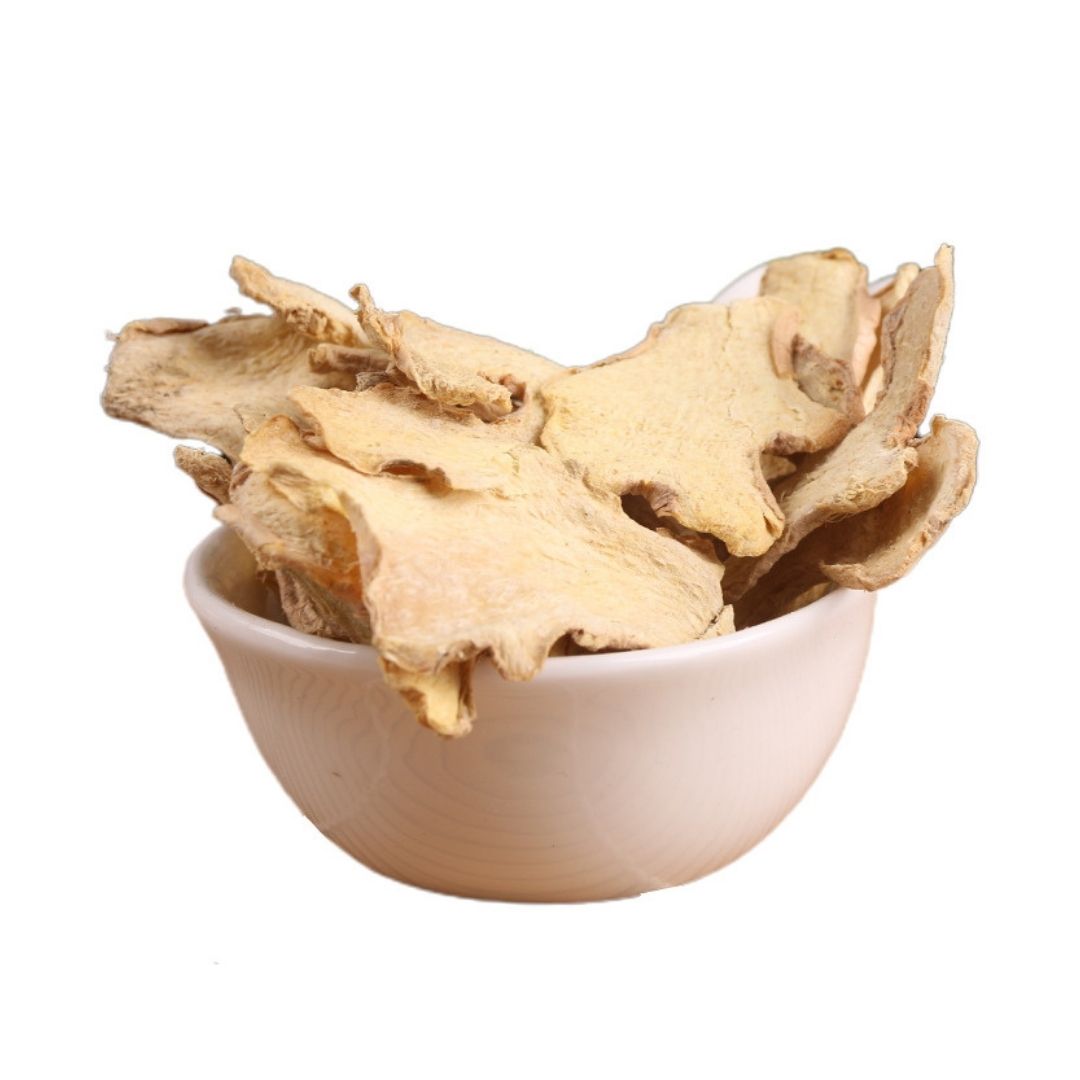
Ginger slices are derived from the rhizome of Zingiber officinale, a plant widely recognized for its culinary and medicinal properties. The ginger rhizome is carefully sliced and dried to produce ginger slices, which concentrate the flavors and aromatic compounds present in the fresh root. Originating from Southeast Asia, ginger has been cultivated for thousands of years, spreading throughout the world via trade routes.
The primary components of ginger slices include gingerols, shogaols, and volatile oils such as zingiberene and β-sesquiphellandrene. Gingerols are responsible for the fresh ginger's pungency, while shogaols, which are more prevalent in dried ginger, contribute a milder, slightly sweet heat. These compounds provide ginger with its distinctive flavor profile and health benefits.
Ginger slices are commonly used to add a warm, spicy flavor to a variety of dishes, teas, and beverages. In culinary applications, they can be steeped in hot water to create ginger tea, added to soups and stews for depth of flavor, or used to infuse oils and vinegars. They are also a popular ingredient in baked goods, such as gingerbread and ginger snaps.
Beyond the culinary realm, ginger slices are valued in traditional medicine for their anti-inflammatory, antioxidant, and digestive properties. They are often used to alleviate nausea, reduce muscle pain, and support overall wellness. The versatility and health benefits of ginger slices make them a staple in many kitchens and traditional medicine cabinets around the world. Proper storage in airtight containers, away from moisture and direct sunlight, ensures that the ginger slices retain their potency and flavor for extended periods.
Aromatic Chemical Composition
The aromatic chemical composition of ginger slices is complex, featuring a variety of volatile compounds that contribute to its distinctive flavor and aroma. Key components include:
- Zingiberene: The most abundant sesquiterpene in ginger oil, providing a woody and spicy note.
- β-Sesquiphellandrene: Contributes to the overall spicy and citrusy aroma.
- Gingerol: A pungent compound found in fresh ginger, which transforms into shogaol upon drying or cooking.
- Shogaol: Formed from gingerol during drying or heating, it has a spicier and slightly sweeter profile compared to gingerol.
- Zingerone: Another derivative of gingerol, zingerone has a sweet and caramel-like aroma.
- Camphene: Adds a fresh, slightly camphoraceous note.
- β-Pinene: Provides a piney and woody aroma.
- Limonene: Contributes a citrusy and fresh scent.
- Geranial: Known for its lemony and floral aroma.
What Types of Products Are Available?
Ginger slices are available in various forms to suit different applications:
- Dried Ginger Slices: These are the most common form, typically dehydrated to preserve their flavor and extend shelf life. They are used in teas, soups, and stews.
- Crystallized Ginger Slices: Ginger slices candied with sugar, offering a sweet and spicy treat.
- Powdered Ginger: Ground from dried ginger slices, this form is convenient for baking and spice blends.
- Organic Ginger Slices: Produced from ginger plants grown without synthetic pesticides or fertilizers, appealing to health-conscious consumers.
- Pickled Ginger Slices: Thinly sliced ginger preserved in a vinegar and sugar solution, often served with sushi.
- Infused Ginger Slices: Ginger slices infused with other flavors like lemon, honey, or spices for a unique taste profile.
- Vacuum-Packed Ginger Slices: Sealed in vacuum packaging to maintain freshness and prevent moisture absorption.
- Sun-Dried Ginger Slices: Dried naturally under the sun, retaining more of the ginger's original flavor and aroma.
Application Scenarios and Usage Dosage
Ginger slices are incredibly versatile in culinary applications, adding a warm, spicy note to both sweet and savory dishes. The usage methods vary depending on the desired intensity of flavor.
In soups and stews, ginger slices can be added directly to the pot during cooking. For a mild flavor, 2-3 slices per liter of liquid are sufficient. For a more pronounced ginger flavor, 4-6 slices can be used. The slices should be simmered for at least 20-30 minutes to allow their flavor to infuse into the broth. The slices can be removed before serving if desired.
Ginger tea is a popular and healthful beverage. To make ginger tea, steep 2-3 slices of ginger in a cup of hot water for 5-10 minutes. The longer the steeping time, the stronger the ginger flavor. Honey or lemon can be added to taste. For a larger batch, use 6-8 slices of ginger per liter of water.
In stir-fries, ginger slices can be added to the oil at the beginning of the cooking process to infuse the oil with their flavor. Remove the slices before adding other ingredients to prevent them from burning. Alternatively, finely chopped or julienned ginger can be used for a more integrated flavor.
Ginger slices are also used in baking, particularly in gingerbread, ginger snaps, and spice cakes. For these applications, powdered ginger is often preferred for ease of incorporation, but ginger slices can be used to infuse milk or cream used in the recipe. Steep the ginger slices in the liquid for 30 minutes, then remove them before proceeding with the recipe.
When making infused oils or vinegars, use about 10-15 slices of ginger per 500ml of oil or vinegar. Allow the mixture to infuse for at least a week, shaking occasionally. Taste and adjust the infusion time as needed.
In Asian cuisine, ginger slices are used in marinades for meats and seafood. A marinade typically includes soy sauce, ginger slices, garlic, and other spices. The ginger helps to tenderize the meat and add flavor.
For medicinal purposes, ginger slices can be used to make a decoction. Boil 4-5 slices of ginger in 500ml of water for 15-20 minutes. This decoction can be consumed to alleviate nausea, reduce inflammation, or aid digestion.
The dosage of ginger slices depends on the application and individual preferences. Start with a small amount and adjust to taste. It's important to note that excessive consumption of ginger can cause mild side effects such as heartburn or stomach upset in some individuals.
Introduction to the Source Plant, Distribution, and Growing Environment
Zingiber officinale, commonly known as ginger, is a herbaceous perennial belonging to the Zingiberaceae family, which also includes turmeric, cardamom, and galangal. The plant features a thick, fleshy rhizome, which is the part used as a spice. Ginger plants typically grow to about 1 meter (3-4 feet) in height, with long, lance-shaped leaves and occasional yellow-green flowers.
Ginger is believed to have originated in Southeast Asia, specifically in the region encompassing India and China. From there, it spread to other parts of Asia, Africa, and the Caribbean through trade and migration. Today, ginger is cultivated in many tropical and subtropical regions worldwide.
Major ginger-producing countries include India, China, Nigeria, Indonesia, Nepal, and Thailand. In these regions, ginger cultivation is an important agricultural activity, contributing significantly to the local economy. The plant thrives in warm, humid climates with well-drained soil and ample rainfall.
Ginger grows best in partial shade, as direct sunlight can scorch the leaves. The soil should be rich in organic matter and slightly acidic to neutral in pH. Farmers often prepare the soil by adding compost or manure to improve its fertility and drainage. The rhizomes are planted in shallow trenches or raised beds, typically during the early spring or late winter.
Regular watering is essential, especially during dry periods. Ginger plants also benefit from mulching, which helps to retain moisture, suppress weeds, and regulate soil temperature. Fertilization with a balanced fertilizer can promote healthy growth and increase rhizome yield.
Pest and disease management is crucial for successful ginger cultivation. Common pests include aphids, nematodes, and ginger rhizome rot. Farmers often use organic pest control methods, such as neem oil or insecticidal soap, to protect their crops. Proper drainage and crop rotation can help to prevent fungal diseases.
Harvesting, Processing, and Storage Preservation
Ginger is typically harvested when the leaves begin to turn yellow and the stems start to dry out, usually around 8-10 months after planting. The rhizomes are carefully dug up from the soil, ensuring they are not damaged during the process.
After harvesting, the ginger rhizomes are cleaned to remove soil and debris. This is usually done by washing them with water. The rhizomes are then sorted, and any damaged or diseased ones are discarded.
For producing ginger slices, the rhizomes are sliced thinly using a sharp knife or a mechanical slicer. The thickness of the slices can vary depending on the intended use, but they are typically around 2-3 mm thick.
The sliced ginger is then dried to reduce its moisture content and prevent spoilage. Drying can be done using several methods:
- Sun Drying: The ginger slices are spread out on mats or trays and left to dry in the sun for several days. This method is simple and inexpensive but can be slow and may result in uneven drying.
- Air Drying: The ginger slices are placed in a well-ventilated area to dry naturally. This method is slower than sun drying but can produce a higher quality product.
- Mechanical Drying: The ginger slices are dried in a commercial dehydrator at a controlled temperature and humidity. This method is faster and more consistent than sun drying or air drying.
The drying process typically takes several days to a week, depending on the method used and the weather conditions. The ginger slices are considered dry when they are brittle and snap easily. The moisture content should be below 12% to prevent mold growth.
Proper storage is essential to preserve the quality and flavor of dried ginger slices. The slices should be stored in airtight containers to protect them from moisture, light, and air. Glass jars or plastic containers with tight-fitting lids are ideal. The containers should be stored in a cool, dry, and dark place, away from direct sunlight and heat.
Under proper storage conditions, dried ginger slices can maintain their quality for up to 1-2 years. However, their flavor and aroma may gradually diminish over time. It is best to use them within one year for optimal quality.
Citations:
- Bode, A. M., & Dong, Z. (2011). The amazing and mighty ginger. In Herbal medicine: Biomolecular aspects (2nd ed.). CRC press/Taylor & Francis.
- Bartley, J. P., & Jacobs, A. L. (2000). Effects of drying on flavour compounds in Australian-grown ginger (Zingiber officinale). Journal of the Science of Food and Agriculture, 80(2), 209-217.
- Haniadka, R., Saldanha, E., Sunita, V., Palatty, P. L., D'Souza, A. S., & Baliga, M. S. (2013). A review of the gastroprotective effects of ginger (Zingiber officinale Roscoe). Food & Function, 4(6), 845-855.
- Langner, E., Greifenberg, S., Gruenwald, J. (2003). Ginger: History and use. Adv Ther 20(1):25-44.
- কারী, এম.এম., ও মিনার, এম.এস. (2017)। দেশের উত্তরাঞ্চলে আদা উৎপাদন এবং বিপণনের অর্থনৈতিক বিশ্লেষণ। কৃষি এবং রুরাল ডেভেলপমেন্ট জার্নাল, 15(1 এবং 2), 97-106।
Mia Wu

Hi, I’m Mia Wu! I love helping customers discover the best natural ingredients for their products. With a passion for herbs, spices, and fungi, I work to make sure you get only the finest raw materials. Let's grow together! 🌱✨