

Product Introduction
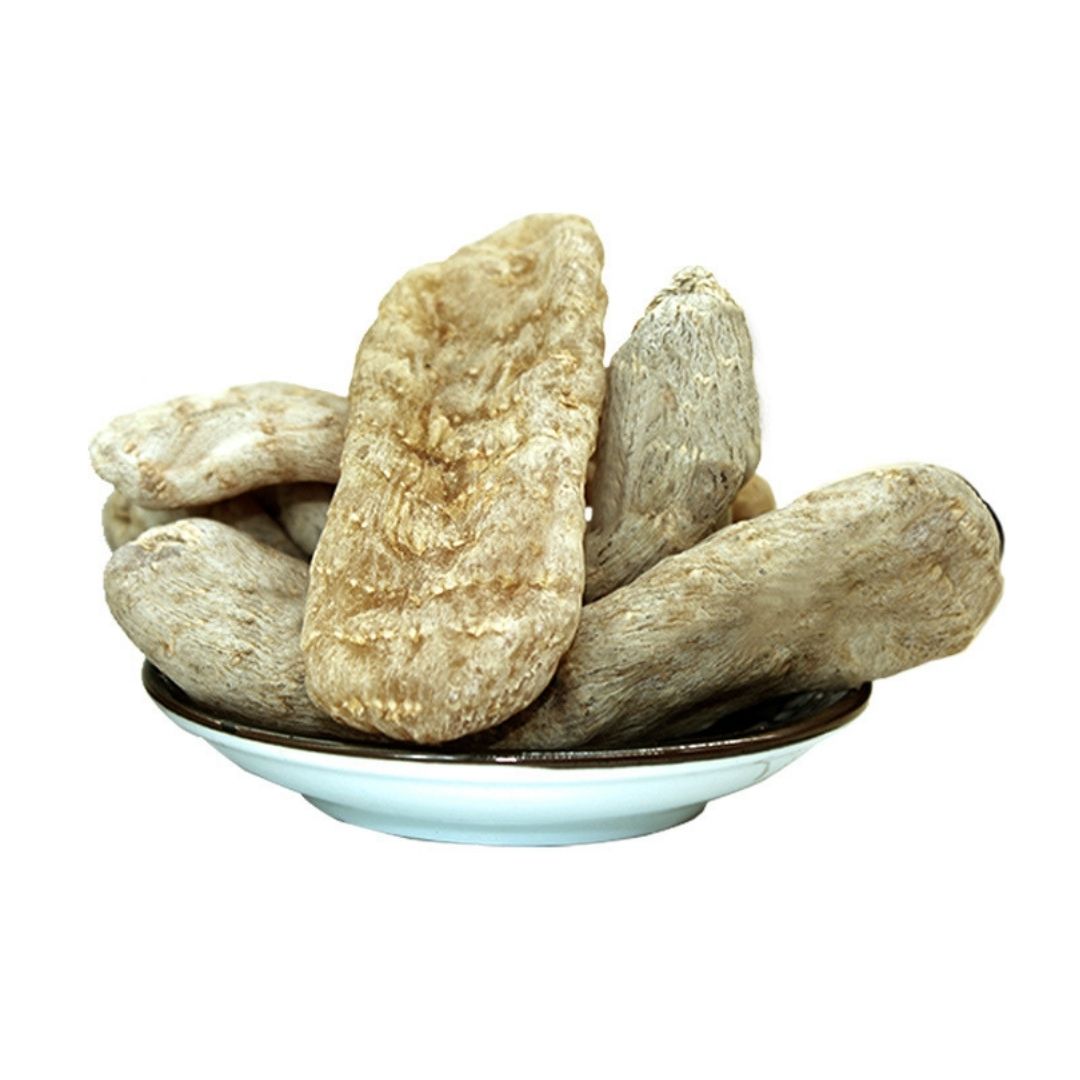
Gastrodia elata, or Tianma, is a perennial herbaceous plant that has been used in traditional Chinese medicine (TCM) for centuries. The part used medicinally is the dried tuber, which is valued for its ability to calm wind, stop spasms, and alleviate pain [1]. In TCM theory, "wind" is considered a pathogenic factor that can cause various neurological symptoms, and Tianma is often prescribed to address these conditions.
Main Active Ingredients
The primary active components of Gastrodia elata include gastrodin, parishin, parishinin, and other glycosides. Gastrodin is one of the most well-studied compounds, known for its neuroprotective and anticonvulsant properties [2]. These components work synergistically to produce the therapeutic effects associated with Gastrodia elata, addressing a range of neurological and pain-related symptoms.
Product Application Scenarios, Usage, and Dosage
Gastrodia elata is used in various scenarios, particularly for conditions involving headaches, dizziness, vertigo, numbness, and convulsions. It is often prescribed for individuals experiencing migraines, epilepsy, or tremors [3]. The herb can be used alone or in combination with other herbs in traditional Chinese medicine formulas.
The typical dosage of Gastrodia elata is usually between 3 to 10 grams per day, when used in decoctions. It can also be found in the form of powders, pills, and extracts [4]. The specific dosage and method of administration can vary depending on the condition being treated and the patient's individual needs. It is best to consult with a qualified healthcare professional.
Introduction to the Source Plant, Distribution, and Growth Environment
Gastrodia elata Blume is a unique plant belonging to the Orchidaceae family. Unlike most plants, it lacks chlorophyll and relies on a symbiotic relationship with fungi for nutrition [5]. This myco-heterotrophic nature sets it apart and contributes to its specialized growth requirements.
The plant is native to China, Korea, and Japan, typically found in mountainous regions. It thrives in moist, shady environments, often growing in forests and along hillsides [6]. These specific environmental conditions are crucial for the survival and propagation of Gastrodia elata.
Harvesting, Processing, and Storage
The harvesting of Gastrodia elata typically occurs in the late autumn or early spring. The tubers are unearthed, cleaned, and then either steamed or boiled [7]. This initial processing step helps to preserve the herb and prevent spoilage.
Following the steaming or boiling process, the tubers are dried, often under the sun or using mechanical drying methods. Once dried, they are sliced and prepared for medicinal use [8]. Proper storage is essential to maintain the quality and potency of Gastrodia elata; it should be stored in a cool, dry place, away from direct sunlight and moisture.
Citations:
- pharmacological action of gastrodiae rhizoma. Chin J Integr Med 25, 796–804 (2019).
- Tian Ma, gastrodin and related agents from gastrodia elata for the treatment of central nervous system diseases: a review of conventional uses, modern pharmacological actions and clinical trials. Drug Des Devel Ther 13, 1275–1297 (2019).
- Gastrodia elata BL. improves scopolamine-induced memory impairment in mice. BMC Complement Altern Med 15, 28 (2015).
- Neuroprotective effect of Gastrodia elata Blume on transient forebrain ischemia in Rats. Journal of Ethnopharmacology. 2006;104(1-2):1-6.
- Gastrodia elata Bl. extract and itsconstituents activate dopamine synthesis via inducing tyrosine hydroxylase expression in PC12 cells. J Ethnopharmacol. 2009 Dec 10;126(3):476-81.
- Gastrodia elata: From Traditional Herb to Modern Medicine. Evidence-Based Complementary and Alternative Medicine. Volume 2013, Article ID 842957
- Studies on the chemical constituents of Gastrodia elata Bl.. J Asian Nat Prod Res. 2009 Mar;11(3):269-74.
- Analysis of gastrodin and parishin in Tianma and its processed products by HPLC-ELSD. Zhong Yao Cai. 2010 Jul;33(7):1084-7.
Mia Wu

Hi, I’m Mia Wu! I love helping customers discover the best natural ingredients for their products. With a passion for herbs, spices, and fungi, I work to make sure you get only the finest raw materials. Let's grow together! 🌱✨