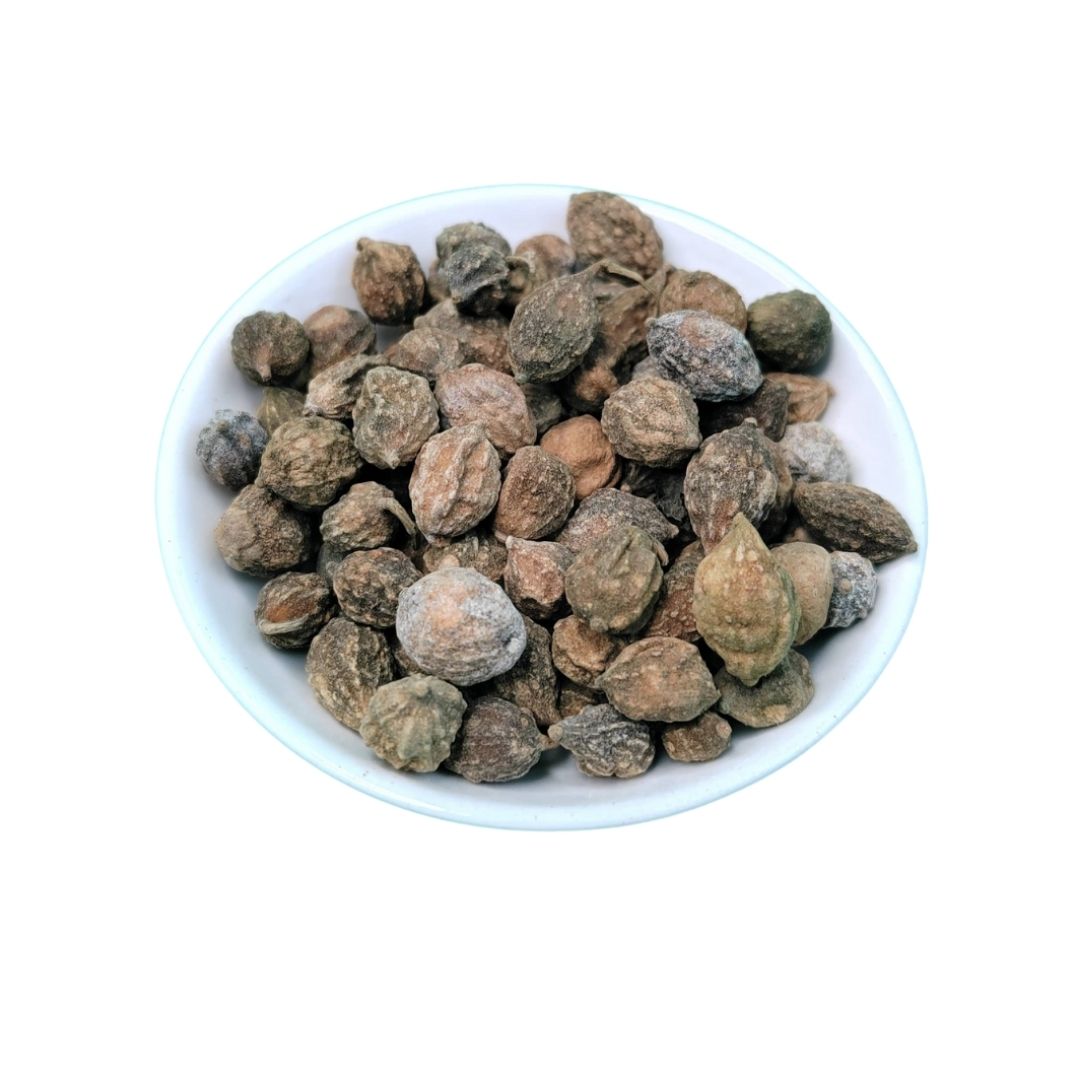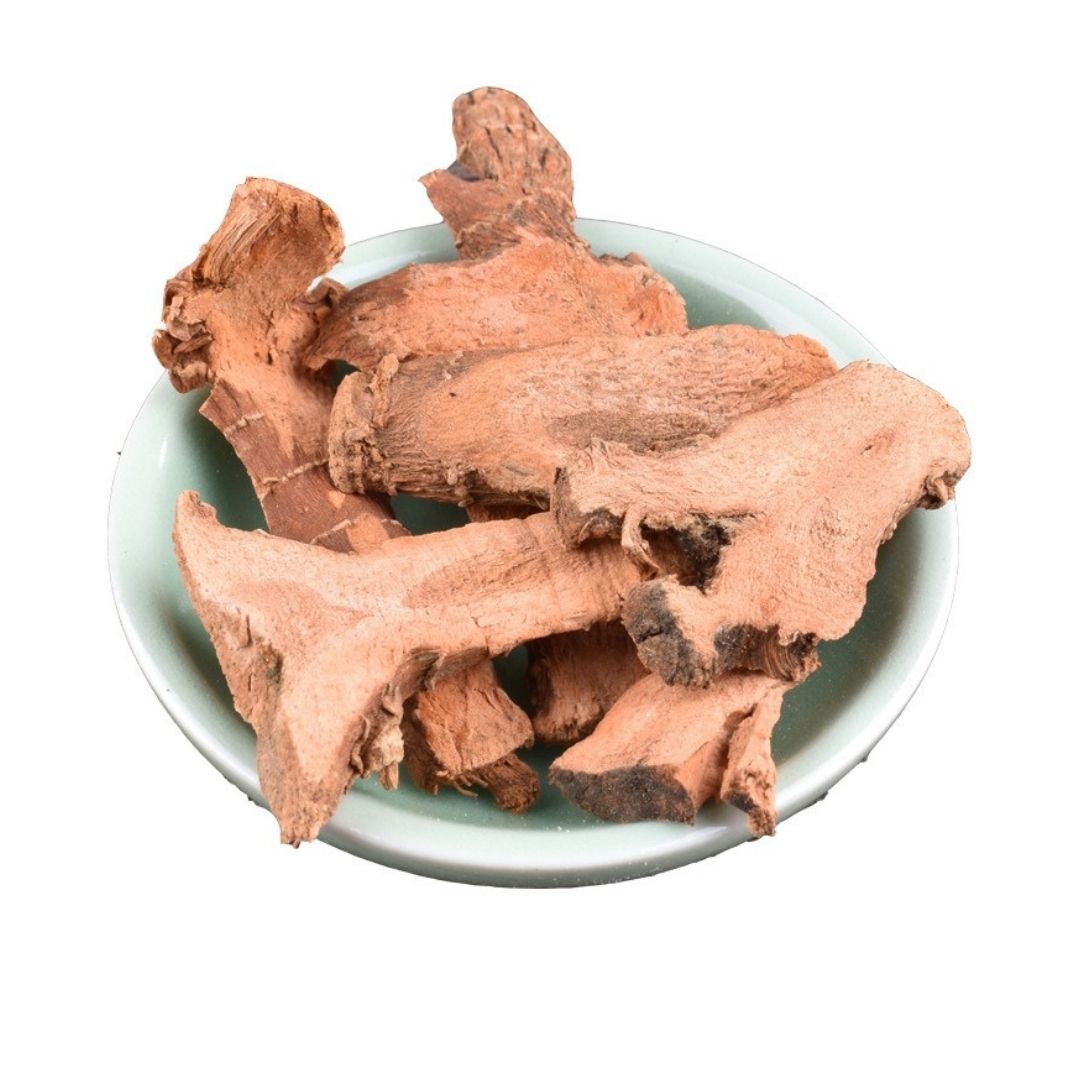


Product Introduction
Galangal, scientifically known as Alpinia galanga, is a rhizome belonging to the ginger family (Zingiberaceae). It is often called Thai ginger or Siamese ginger, and is native to Southeast Asia. The rhizome is characterized by its smooth, pale skin and hard texture. Its flavor profile is distinctly aromatic, pungent, and slightly citrusy, differentiating it from common ginger and other related spices.
The primary components of galangal include essential oils, such as 1,8-cineole, alpha-pinene, and beta-pinene, which contribute to its unique aroma and flavor. These compounds also provide potential health benefits that have been explored in traditional medicine.
In culinary applications, galangal is a key ingredient in many Southeast Asian cuisines, particularly Thai, Indonesian, and Malaysian dishes. It is used to flavor soups, curries, and stir-fries, and sauces. The spice is often used fresh, sliced or crushed, to infuse dishes with its unique flavor. It can also be found in dried or powdered form, though the fresh rhizome offers the most potent aroma and taste.
Beyond its culinary uses, galangal has a history of use in traditional medicine for its purported anti-inflammatory and digestive properties. In aromatherapy, galangal essential oil is valued for its stimulating and invigorating scent. Proper storage in a cool, dark, and dry place is essential to maintain the spice's freshness and potency.
Aromatic Chemical Composition
The aromatic profile of galangal is attributed to its complex chemical composition, which includes a variety of essential oils and volatile compounds. Key components include:
- 1,8-Cineole (Eucalyptol): This monoterpenoid is known for its fresh, camphoraceous, and slightly medicinal aroma. It's a major contributor to galangal's overall scent profile.
- Alpha-Pinene: This compound also carries a piney, woody scent, adding a fresh, forest-like note to the spice.
- Beta-Pinene: Similar to alpha-pinene. It contributes to the overall woody and resinous aroma.
- Limonene: Known for its citrusy and sweet aroma, limonene adds a bright and refreshing element to galangal's scent profile.
These compounds, along with other trace elements, create galangal's distinctive, complex aroma.
What Types of Products Are Available?
Galangal is available in several forms to suit different culinary and medicinal needs:
- Fresh Rhizome: The most common form, offering the most intense flavor and aroma. It can be sliced, crushed, or grated for use in cooking.
- Dried Rhizome: This form extends the shelf life of galangal, but the flavor is generally milder than the fresh form. The dried rhizome can be rehydrated before use.
- Galangal Powder: A convenient option for adding galangal to dishes, though it may lack the full complexity of the fresh rhizome.
- Essential Oil: Extracted from the rhizome, galangal essential oil is used in aromatherapy and in some flavor applications.
- Pickled Galangal: Preserved in vinegar or brine. Pickled galangal offers a tangy flavor.
Application Scenarios and Usage Dosage
Galangal is a cornerstone ingredient in many dishes across Southeast Asia, providing a unique flavor profile that enhances a wide range of recipes. Its application extends from savory culinary creations to traditional medicinal uses.
Culinary Applications:
- Soups and Broths: Galangal is frequently used in soups, such as the famous Thai coconut soup, Tom Kha Gai. Slices of fresh galangal are added to the broth to infuse it with its distinctive flavor, complementing other ingredients like lemongrass, chili, and lime leaves. A typical dosage is about 2-3 slices (approximately 2-3 grams) per liter of broth.
- Curries: The spice is essential in many Southeast Asian curries, including Thai green curry and Indonesian rendang. It is often ground into a paste along with other spices like coriander, cumin, and turmeric, forming the aromatic base of the curry. Use about 1-2 teaspoons (2-4 grams) of galangal paste per serving.
- Stir-Fries: Galangal adds a layer of complexity to stir-fried dishes. Thinly sliced or minced galangal can be stir-fried along with garlic and other aromatics at the beginning of the cooking process. A small amount, about 1 teaspoon (2 grams) per serving, is usually sufficient.
- Marinades: The spice can be incorporated into marinades for meats and seafood, imparting a subtle, spicy, and aromatic flavor. Mix grated galangal with soy sauce, garlic, and other seasonings. Use about 1 tablespoon (6 grams) per pound of meat.
- Sauces and Dips: Galangal can be used to create flavorful sauces and dips. It can be blended with ingredients like fish sauce, lime juice, and chili to make a dipping sauce for grilled meats or vegetables. Start with 1/2 teaspoon (1 gram) of galangal per serving and adjust to taste.
- Beverages: In some cultures, galangal is used to flavor beverages. For instance, it can be added to hot water with honey and lemon to create a soothing herbal tea. Use 1-2 slices (1-2 grams) per cup of tea.
Medicinal Usage:
- Traditional Medicine: Galangal has a history of use in traditional medicine for its purported anti-inflammatory and digestive properties. It is used to treat a variety of ailments, including stomachaches, nausea, and fatigue.
- Herbal Remedies: The spice can be found in various herbal remedies in the form of teas, tinctures, and capsules. Dosages vary depending on the preparation and the specific health concern.
Dosage Considerations:
- When using galangal, it is important to consider the form of the spice. Fresh galangal is more potent than dried or powdered forms, so adjustments should be made accordingly.
- Like other spices, galangal should be used in moderation. Overuse can lead to an overpowering flavor that masks other ingredients.
- Individuals with sensitive stomachs should start with a small amount of galangal to avoid any potential digestive upset.
Introduction to the Source Plant, Distribution, and Growing Environment
Alpinia galanga is a rhizomatous herb, that typically grows to a height of about 1.5 to 2 meters. The plant features long, lance-shaped leaves and clusters of fragrant flowers. The rhizome, which is the economically important part of the plant, is thick and cylindrical, with a pale reddish-brown skin.
Native to Southeast Asia, galangal is widely cultivated in countries such as Thailand, Indonesia, Malaysia, and Vietnam. It thrives in tropical and subtropical climates with high humidity and well-drained soil. The plant prefers partial shade but can also tolerate full sun with sufficient moisture.
Galangal is often grown in home gardens and on a commercial scale. The plant requires regular watering and fertilization to promote healthy growth and rhizome development. The soil should be rich in organic matter and slightly acidic to neutral in pH.
Harvesting, Processing, and Storage Preservation
Harvesting:
Galangal is typically harvested when the plant is around 4-6 years old, as this is when the rhizomes have reached their optimal size and flavor. The rhizomes are carefully dug up from the soil, ensuring not to damage them. Harvesting is often done manually to prevent bruising and to preserve the quality of the spice.
Processing:
After harvesting, the rhizomes are cleaned to remove any soil or debris. They can then be used fresh or processed for later use:
- Fresh Use: For immediate culinary use, the rhizomes can be sliced, crushed, or grated as needed.
- Drying: To preserve galangal for longer periods, the rhizomes can be dried. The rhizomes are sliced into thin pieces and spread out in a single layer on trays. They are then dried in the sun or in a dehydrator at a low temperature (around 40-50°C) until they are brittle.
- Powdering: Dried galangal can ground into a powder using a spice grinder or mortar and pestle.
Storage Preservation:
Proper storage is essential to maintain the quality and flavor of galangal:
- Fresh Rhizomes: Should be stored in the refrigerator, wrapped in a damp paper towel and placed in a plastic bag. This can help keep them fresh for several weeks.
- Dried Rhizomes: Should be stored in an airtight container in a cool, dark, and dry place. This can preserve their quality for several months.
- Galangal Powder: Should be stored in an airtight container away from light, heat, and moisture to prevent it from losing its flavor and aroma. It is best to use it within 6-12 months for optimal flavor.
Citations
- Kubra, I. R., & Rao, L. J. (2012). An overview of the chemical composition and biological activities of ginger (Zingiber officinale Roscoe). Journal of Agricultural and Food Chemistry, 60(26), 5720-5730. https://doi.org/10.1021/jf300233q
- Oon, S. F., Nallappan, M., Tee, G. A., Shohaimi, S., Tay, S. T., & Khoo, B. Y. (2015). Galangal (Alpinia galanga) as a food preservative: an overview. International Food Research Journal, 22(4). https://www.ifrj.upm.edu.my/22%20(04)%202015/(29).pdf.pdf)
- Jantan, I., Rafiq Syed, M. A., & Sirat, H. M. (2003). Chemical composition and bioactivities of the essential oils of four Alpinia species from Malaysia. Journal of Tropical Forest Science, 248-256. https://www.jstor.org/stable/23616265
Mia Wu

Hi, I’m Mia Wu! I love helping customers discover the best natural ingredients for their products. With a passion for herbs, spices, and fungi, I work to make sure you get only the finest raw materials. Let's grow together! 🌱✨