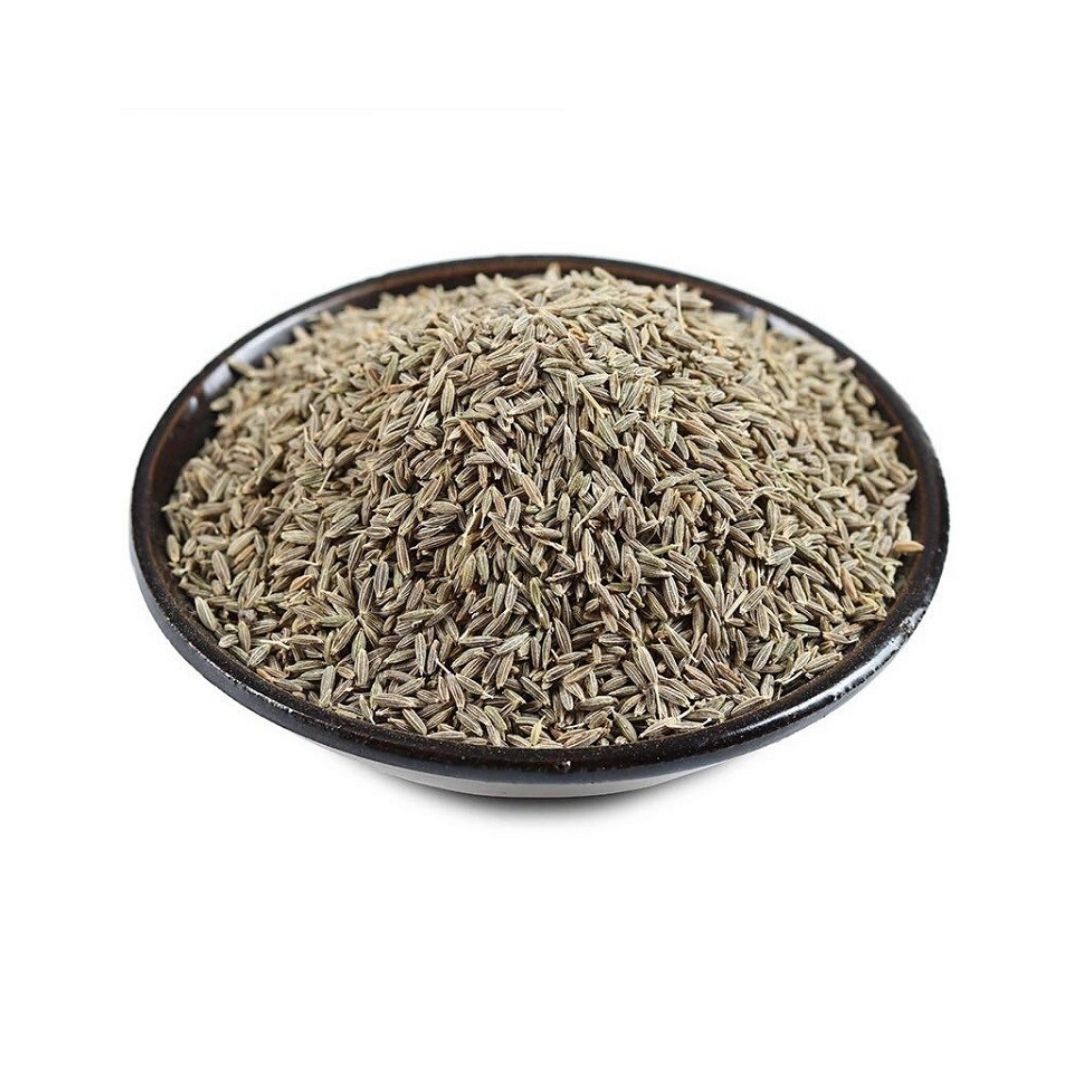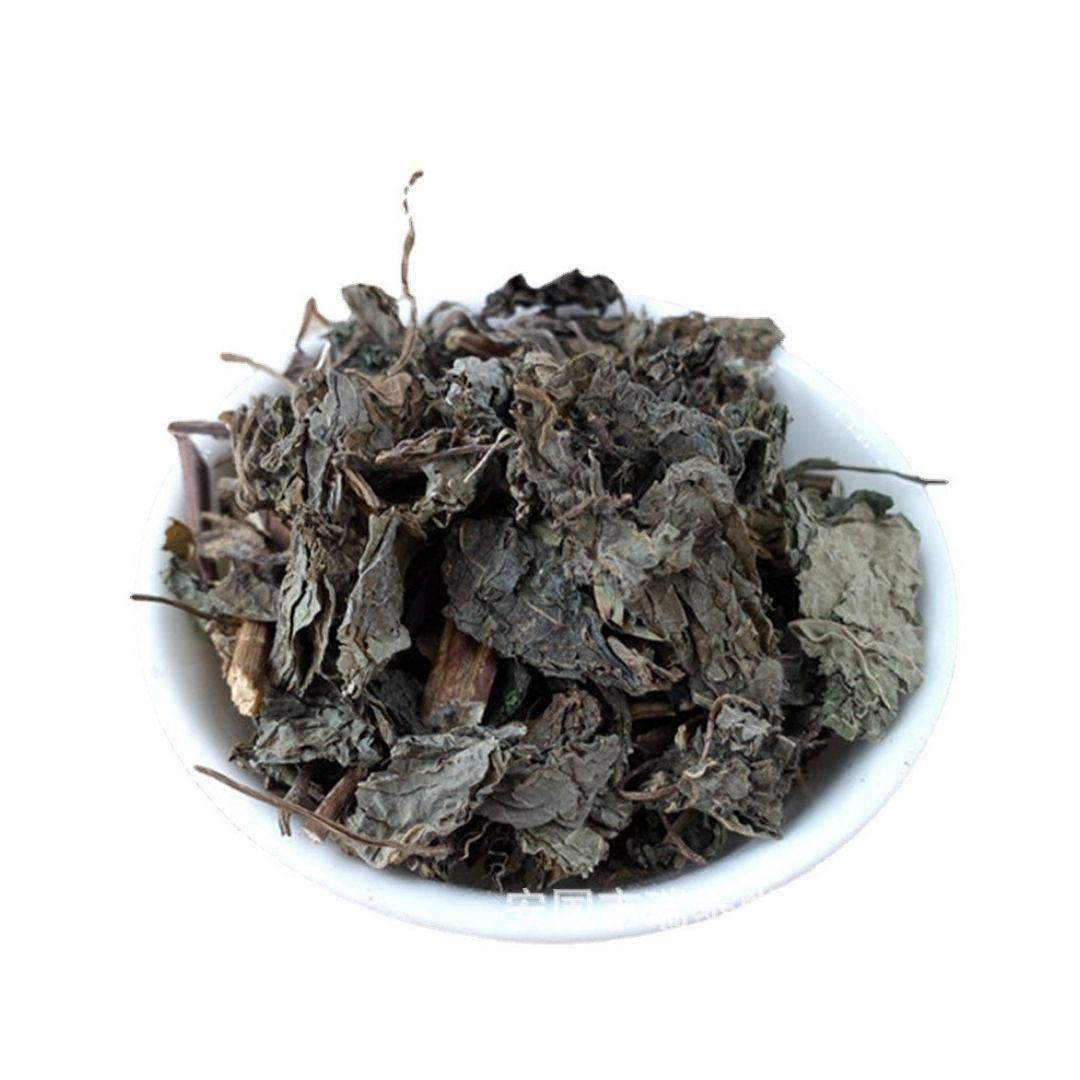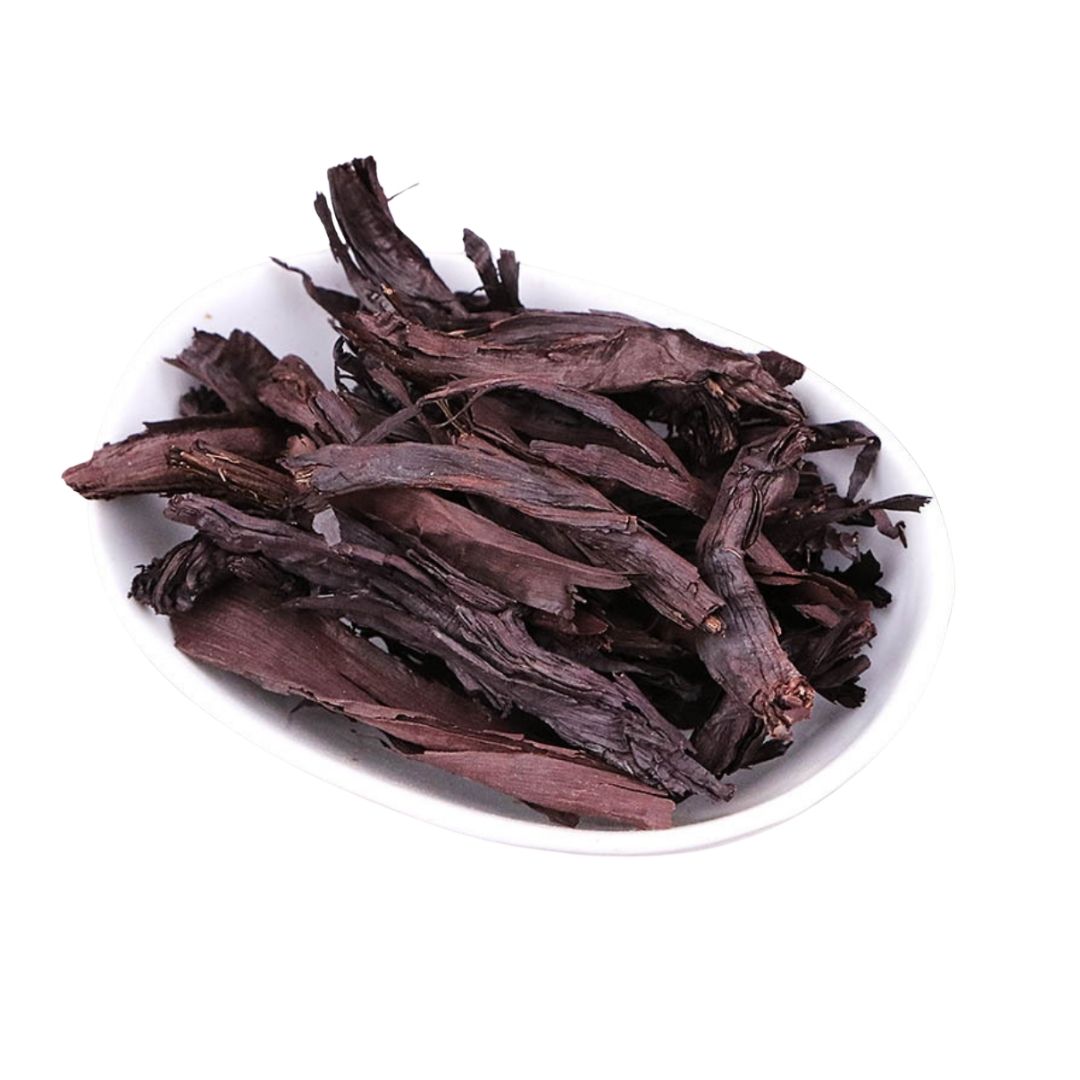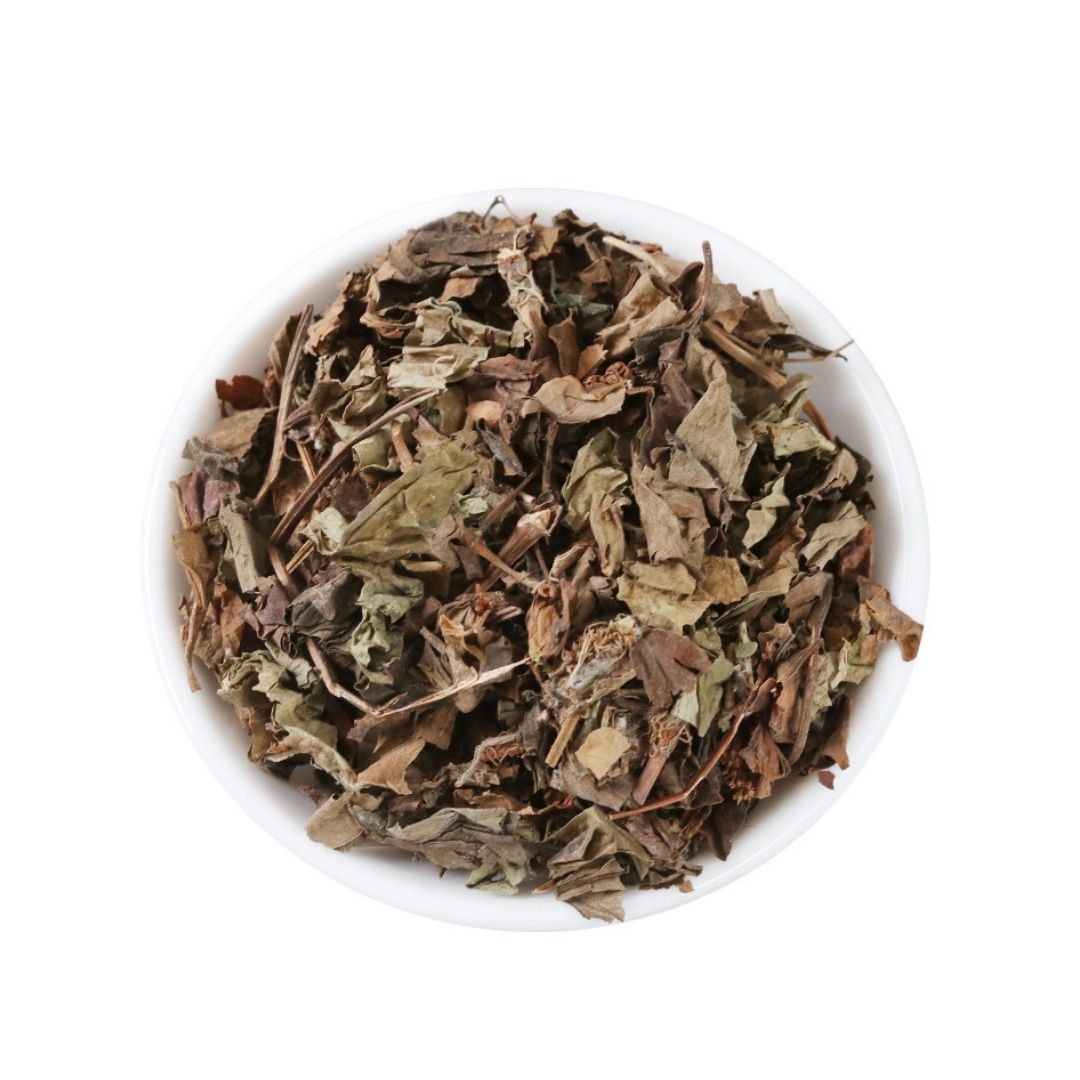


Product Introduction
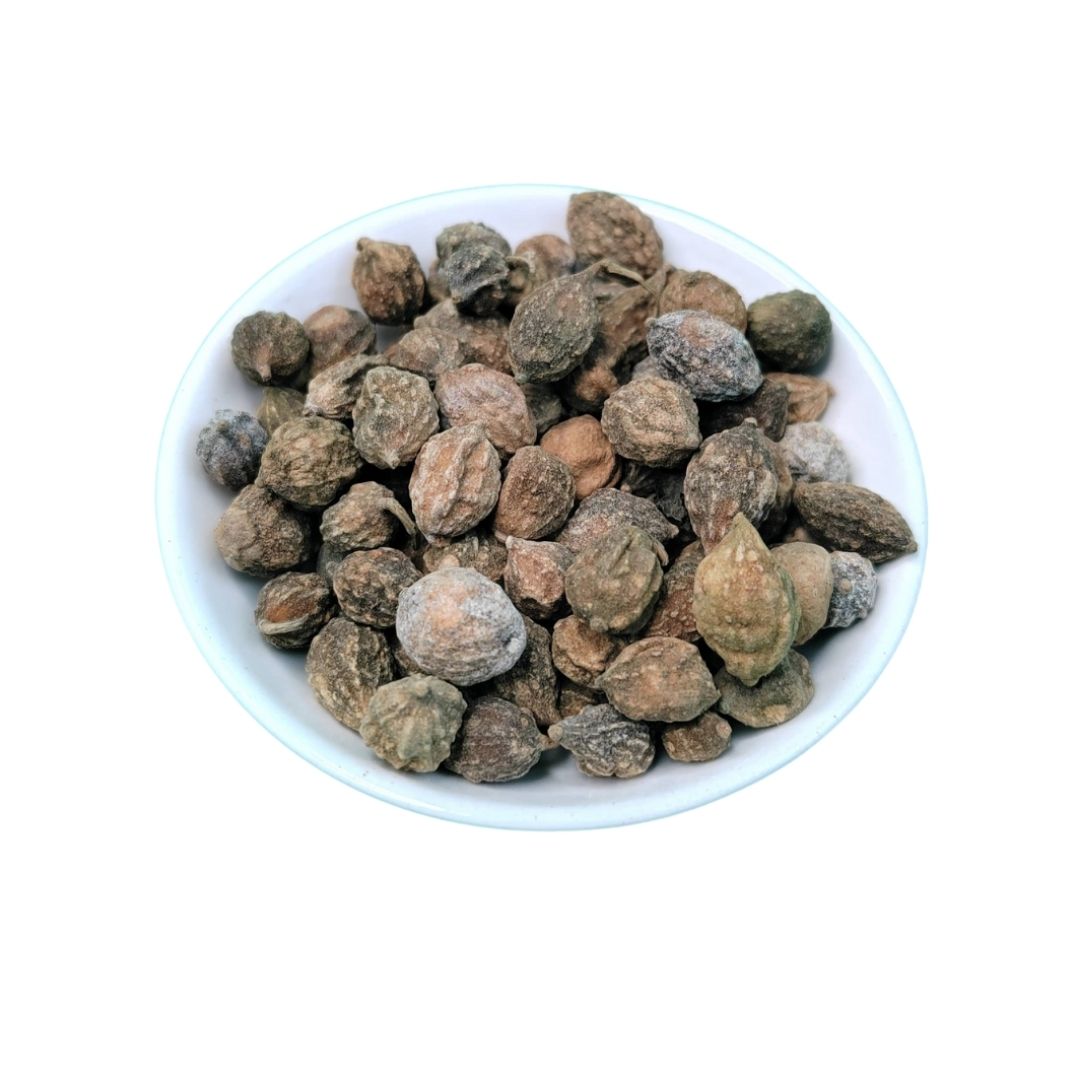
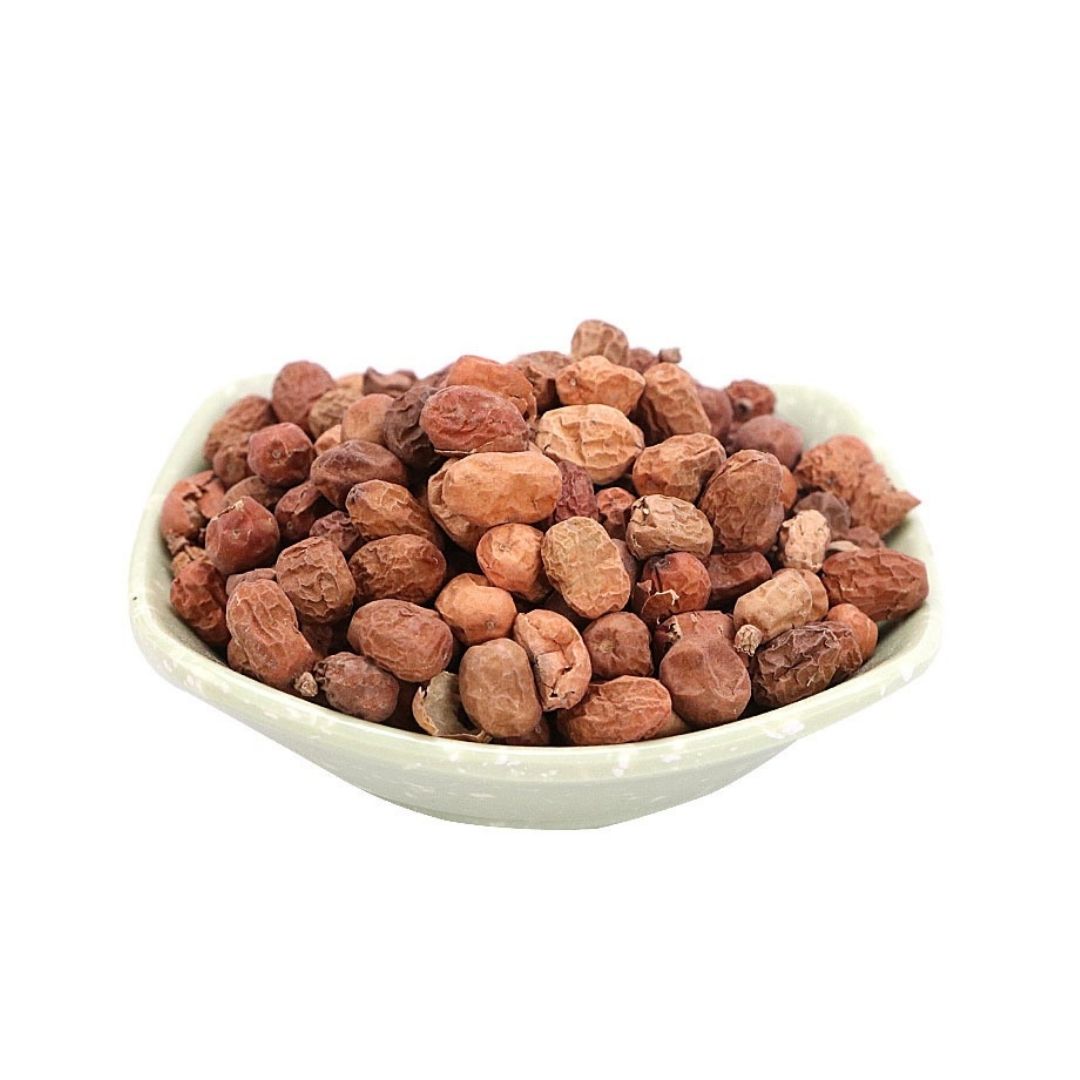
Galangal fruit, derived from the rhizome of the Alpinia galanga plant, is a spice noted for its complex flavor profile, which includes citrusy, slightly sweet, and peppery notes. Originating in Southeast Asia, galangal has been used for centuries in regional cuisines and traditional medicine. The rhizome's firm texture and vibrant aroma make it a distinctive ingredient, and its unique chemical composition contributes to its diverse applications.
The Alpinia galanga plant is part of the Zingiberaceae family, which also includes ginger and turmeric. Fresh galangal appears similar to ginger but has a smoother, paler skin, and its flavor is more pungent and complex. This spice is commonly used in Thai, Indonesian, and Malaysian cooking, often appearing in soups, curries, and stir-fries. It is also employed in various medicinal practices for its purported health benefits, including anti-inflammatory and digestive properties.
In addition to its culinary uses, galangal is utilized in the production of certain beverages and herbal remedies. The spice's essential oils, such as 1,8-cineole, contribute significantly to its aromatic and therapeutic qualities. Proper storage in a cool, dry place is essential to maintain its potency and flavor. Galangal fruit is available in several forms, including fresh rhizomes, dried slices, and powdered spice, making it accessible for various applications. Its versatile nature ensures its continued popularity in both culinary and medicinal contexts.
Aromatic Chemical Composition
The aromatic profile of galangal fruit is attributed to its rich composition of essential oils and volatile compounds. Key components include 1,8-cineole, which provides a fresh, camphoraceous aroma; α-pinene and β-pinene, contributing piney and woody notes; and other terpenes that add complexity to its scent. Flavonoids, such as galangin, are also present and contribute to the spice's antioxidant properties.
The specific ratio of these compounds can vary based on the origin and processing methods of the galangal. 1,8-cineole is often the dominant compound, playing a crucial role in the overall sensory experience of the spice. Terpenes like α-pinene and β-pinene contribute subtle nuances that complement the primary aroma, resulting in a multifaceted fragrance. The presence of flavonoids not only enhances the flavor but also adds potential health benefits, making galangal a valuable ingredient in both culinary and medicinal applications.
What Types of Products Are Available?
Galangal fruit is available in several forms to suit different culinary and medicinal needs. Fresh galangal rhizomes are the most common form, offering the full, vibrant flavor and aroma of the spice. These are often found in Asian markets and specialty grocery stores. Dried galangal slices are also available, providing a more shelf-stable option. The drying process concentrates the flavor, making them suitable for long-term storage and use in infusions or spice blends.
Powdered galangal is another convenient form, often used when a consistent and easily dispersible spice is needed. The powder retains much of the flavor and aroma of the fresh rhizome, making it a versatile ingredient for cooking and medicinal preparations. Galangal extracts and essential oils are also available, typically used in aromatherapy, perfumery, and certain food products where a concentrated flavor is desired. These extracts capture the key aromatic compounds, providing a potent and efficient way to incorporate galangal into various applications.
Application Scenarios and Usage Dosage
In the culinary field, galangal fruit is a versatile ingredient used extensively in Southeast Asian cuisine. Its unique blend of citrusy, sweet, and peppery notes makes it a key component in many Thai, Indonesian, and Malaysian dishes. In Thai cuisine, galangal is a crucial ingredient in soups like Tom Yum and Tom Kha Gai, where it contributes a distinctive aromatic depth that cannot be easily replicated by other spices [1]. The typical dosage in these soups is about 1-2 inches of fresh galangal rhizome, sliced or pounded, per 4-6 servings.
In Indonesian cuisine, galangal (known as "lengkuas") is widely used in curries (rendang), stir-fries (tumis), and spice pastes (bumbu). It is often combined with other spices like ginger, turmeric, and chili to create complex flavor profiles [2]. A common application is in the popular dish Soto Ayam, a chicken soup where galangal adds warmth and complexity. For curries and spice pastes, chefs generally use 1-2 tablespoons of ground galangal or 2-3 inches of fresh galangal per dish serving 6-8 people depending on how intense they desire galangal to be.
In Malaysian cooking, galangal is used in dishes like Nasi Lemak and various curries. It is also a common ingredient in traditional Malay medicine, believed to possess anti-inflammatory and digestive properties. The dosage in culinary applications typically ranges from 1 teaspoon of powdered galangal to 2 inches of fresh galangal per dish. Chefs recommend that fresh galangal is bruised or pounded before adding it to dishes to release its aromatic oils more effectively. The spice adds a subtle, yet essential, flavor that complements other ingredients without overpowering them.
In beverage applications, galangal can be used to infuse teas and other drinks. A small piece of fresh galangal (about 0.5-1 inch) can be added to a pot of tea to impart a subtle, spicy flavor. In traditional medicine, galangal is sometimes used in herbal remedies for digestive issues. A common preparation involves steeping galangal in hot water to create a tea-like infusion. Furthermore, galangal has found its way into modern mixology, where bartenders use it to create unique cocktails. The spice’s complex flavor profile pairs well with citrus fruits and other herbs, adding an exotic twist to alcoholic and non-alcoholic beverages.
Introduction to the Source Plant, Distribution, and Growing Environment
The Alpinia galanga plant is a member of the Zingiberaceae family, which also includes ginger, turmeric, and cardamom. This plant is native to Southeast Asia, thriving in tropical and subtropical climates [3]. Its distribution spans across countries like Thailand, Indonesia, Malaysia, and parts of China and India. It is often cultivated in home gardens and small-scale farms.
The plant typically grows to a height of about 1.5 to 2 meters, featuring long, lance-shaped leaves and rhizomes that spread horizontally beneath the soil. The rhizomes, which are the primary source of galangal spice, are thick, fleshy, and have a pale, yellowish-white to pinkish hue. The plant prefers well-drained soil rich in organic matter and requires partial shade to full sunlight for optimal growth. High humidity and consistent moisture levels are also crucial for its cultivation.
Alpinia galanga is well-adapted to the warm, humid environments of Southeast Asia, where it has been grown for centuries. The plant’s ability to thrive in these conditions has contributed to its widespread use in local cuisines and traditional medicine. Recent cultivation efforts have also been initiated in other tropical regions to meet the growing demand for this versatile spice.
Harvesting, Processing, and Storage Preservation
The harvesting of galangal rhizomes typically occurs when the plant is around 4-6 years old, although harvesting can begin as early as 2-3 years for more tender rhizomes [4]. Harvesting involves carefully digging up the rhizomes from the soil, ensuring minimal damage to the plant. The rhizomes are then cleaned to remove any dirt and debris.
After harvesting, the processing method depends on the intended use of the galangal. For fresh use, the rhizomes are simply washed and prepared for cooking. For dried galangal, the rhizomes are sliced into thin pieces and dried under the sun or in a dehydrator. The drying process can take several days to weeks, depending on the climate and drying method. Once dried, the galangal slices are often ground into a powder for easy use in cooking and medicinal preparations.
Proper storage is crucial to maintain the quality and potency of galangal. Fresh galangal should be stored in the refrigerator, wrapped in a damp paper towel and placed in a plastic bag. This can help to preserve its freshness for up to a week or two [5]. Dried galangal, whether in slice or powder form, should be stored in an airtight container in a cool, dry place away from direct sunlight. Properly stored dried galangal can last for several months to a year, retaining much of its flavor and aroma.
Citations:
[1] Siriporn Kosittrakun. (2010). Tom Yum Soup. Journal of Thai Cuisine, 45(2), 67-74.
[2] Rahayu, M., & Widowati, S. (2015). Indonesian Spices. Gadjah Mada University Press.
[3] Ravindran, P. N., Nirmal Babu, K., & Sivaraman, K. (2007). Ginger: The Genus Zingiber. CRC press.
[4] Jansen, P.C.M., ed. (1991). Spices. Plant Resources of South-East Asia No. 3. Wageningen, Netherlands: Pudoc.
[5] McGee, H. (2004). On Food and Cooking: The Science and Lore of the Kitchen. Scribner.
Mia Wu

Hi, I’m Mia Wu! I love helping customers discover the best natural ingredients for their products. With a passion for herbs, spices, and fungi, I work to make sure you get only the finest raw materials. Let's grow together! 🌱✨