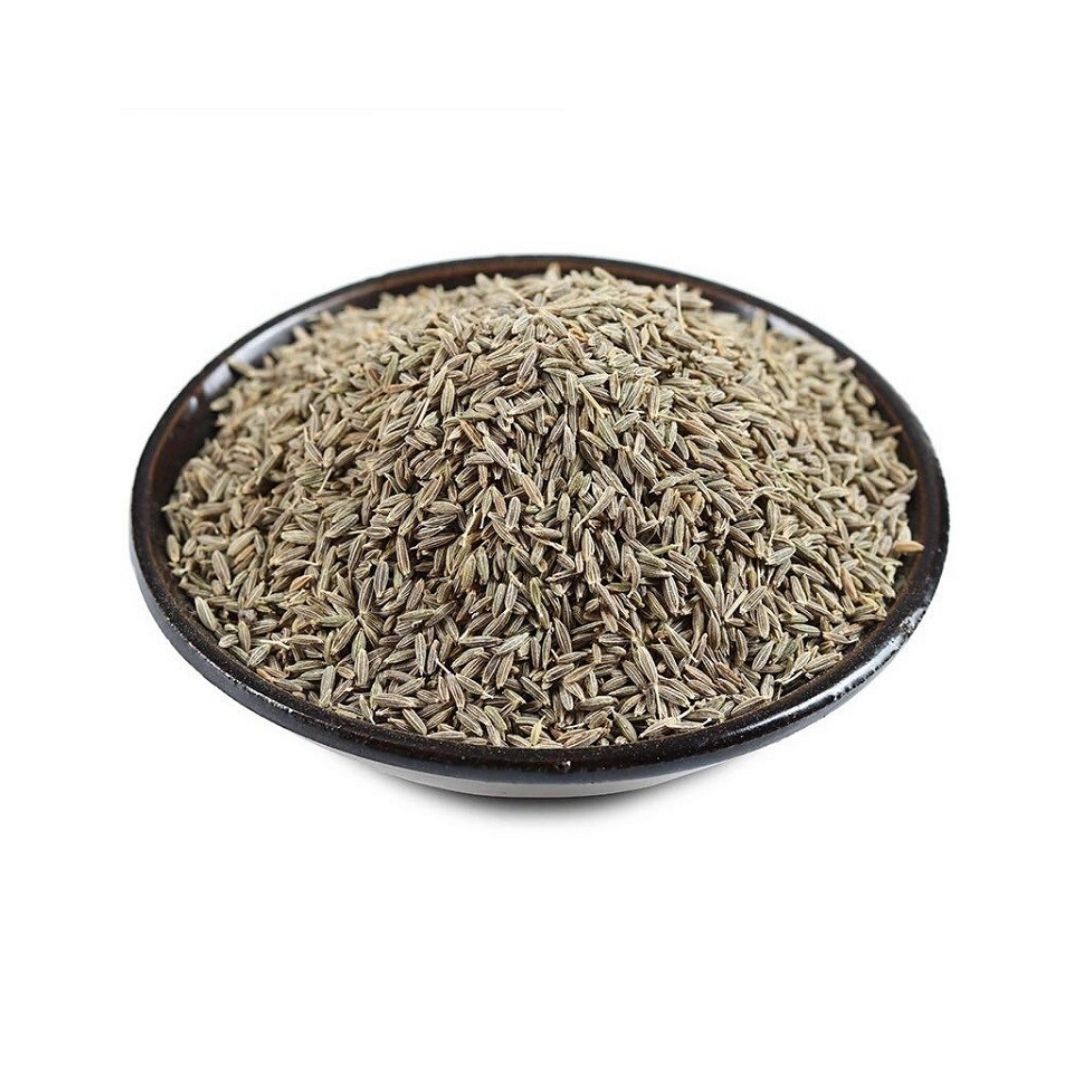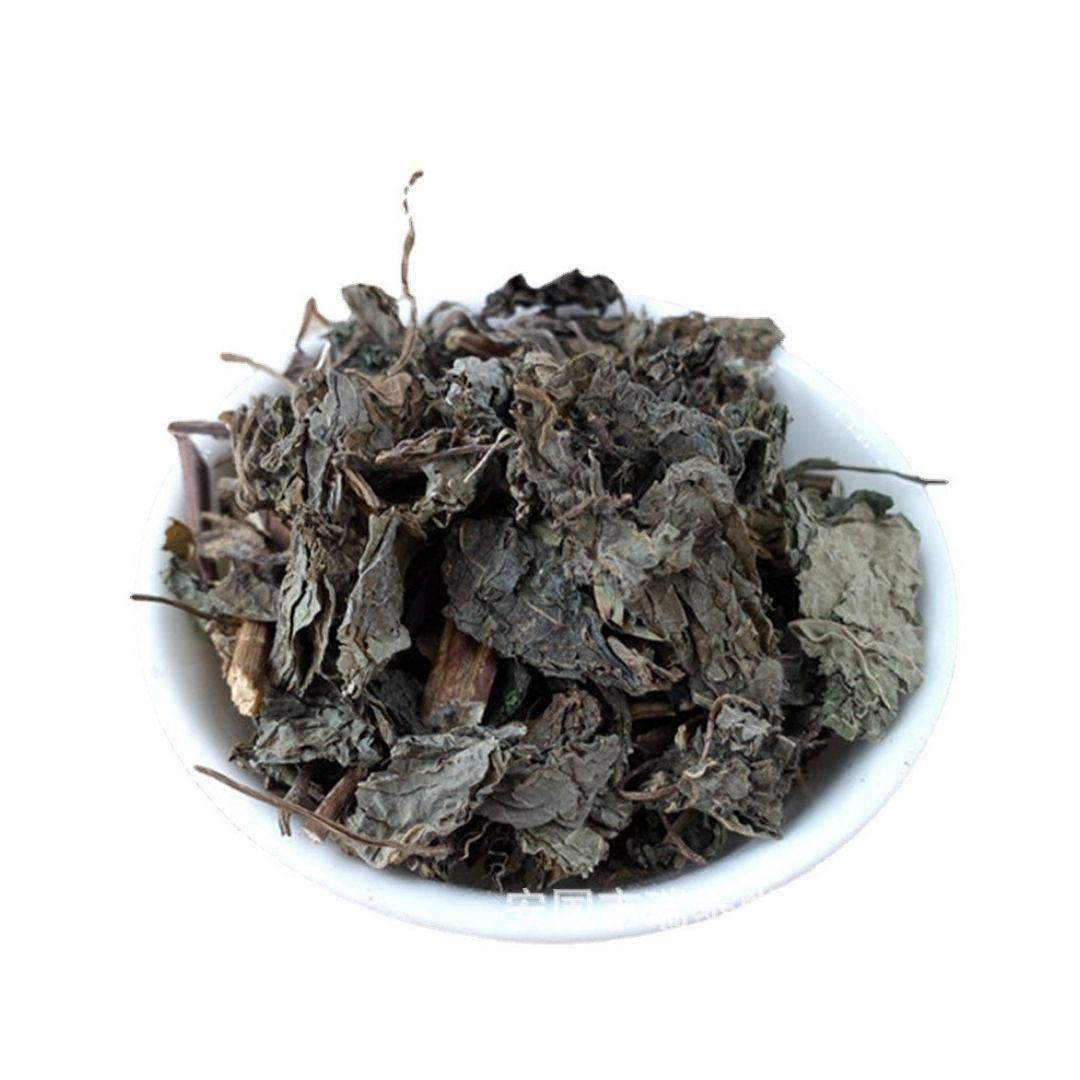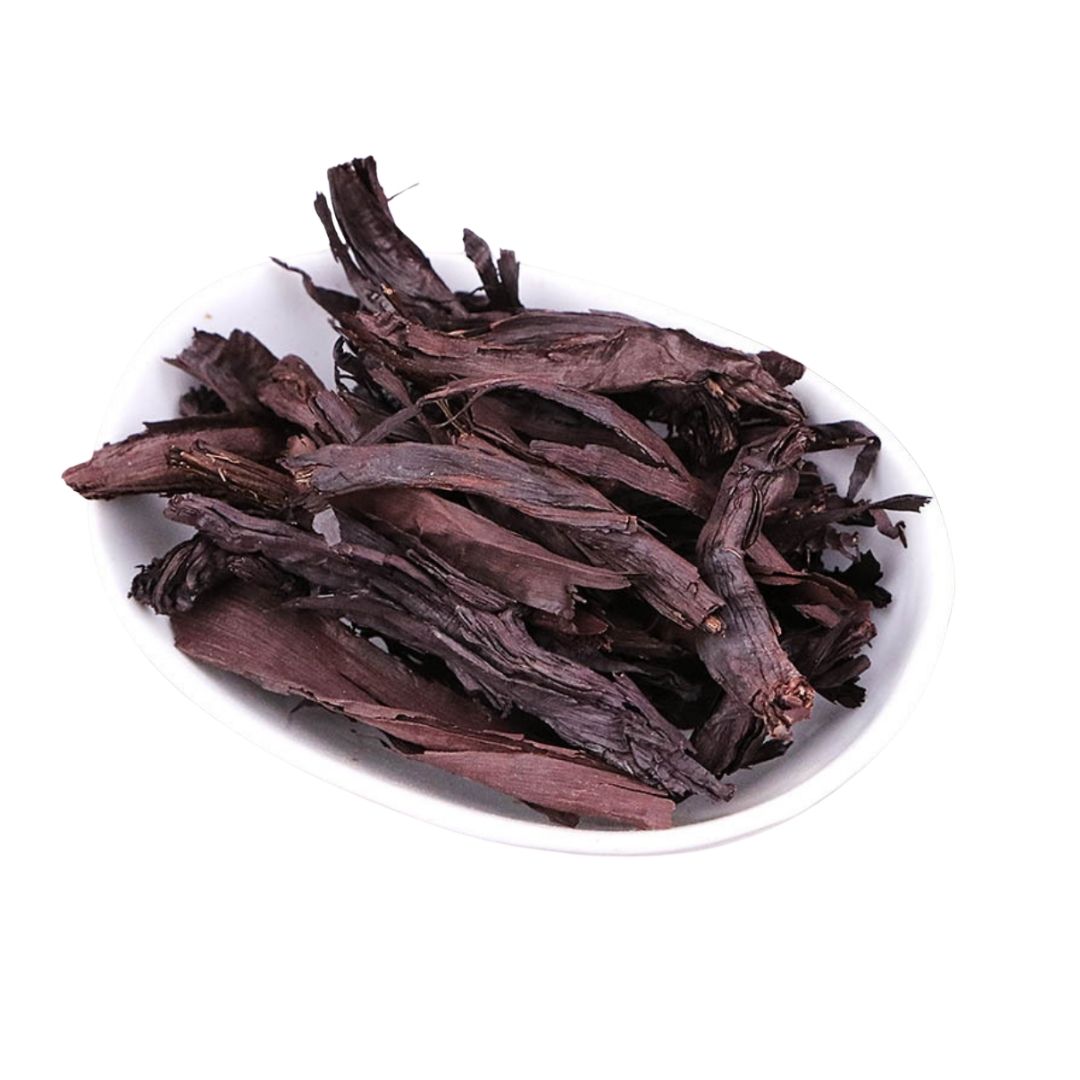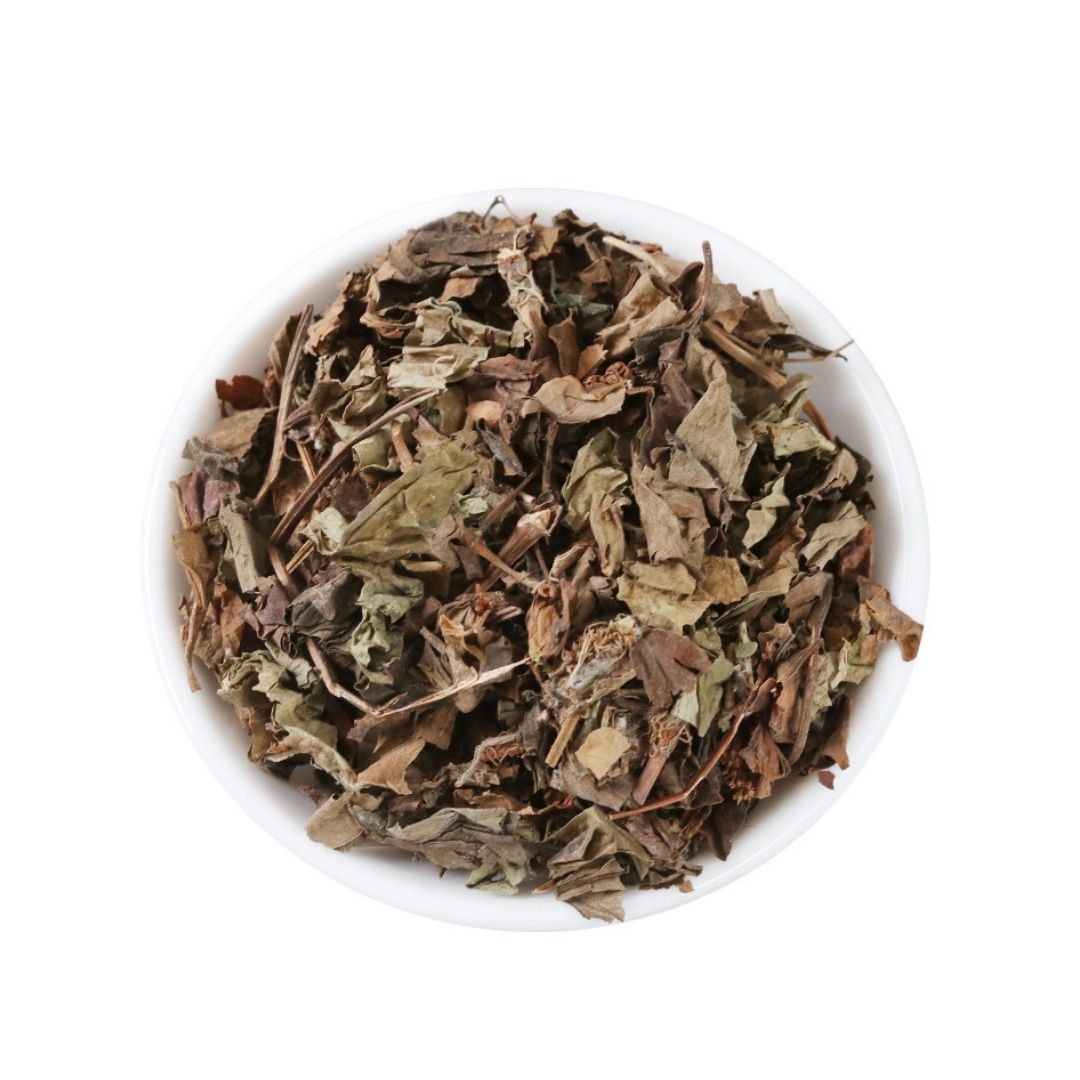


Product Introduction
Fructus Tsaoko, derived from the dried fruit of Amomum tsao-ko, is a spice celebrated for its unique aromatic profile and culinary applications. Originating in the mountainous regions of Southeast Asia, particularly Vietnam, Laos, and China, this spice has been a staple in regional cuisines for centuries. The fruit is harvested, dried, and then used whole or ground to impart a distinctive flavor to various dishes.
The primary use of Fructus Tsaoko lies in its ability to enhance savory dishes, adding depth and complexity to stews, braised meats, and soups. Its warm, spicy, and slightly bitter notes contribute to the overall umami profile of the dish. Its capacity to neutralize strong odors makes it a popular ingredient for cooking pungent meats and seafood.
Beyond its culinary applications, Fructus Tsaoko is also valued in traditional medicine for its potential health benefits, including its anti-inflammatory and digestive properties. However, further research is needed to substantiate these claims scientifically.
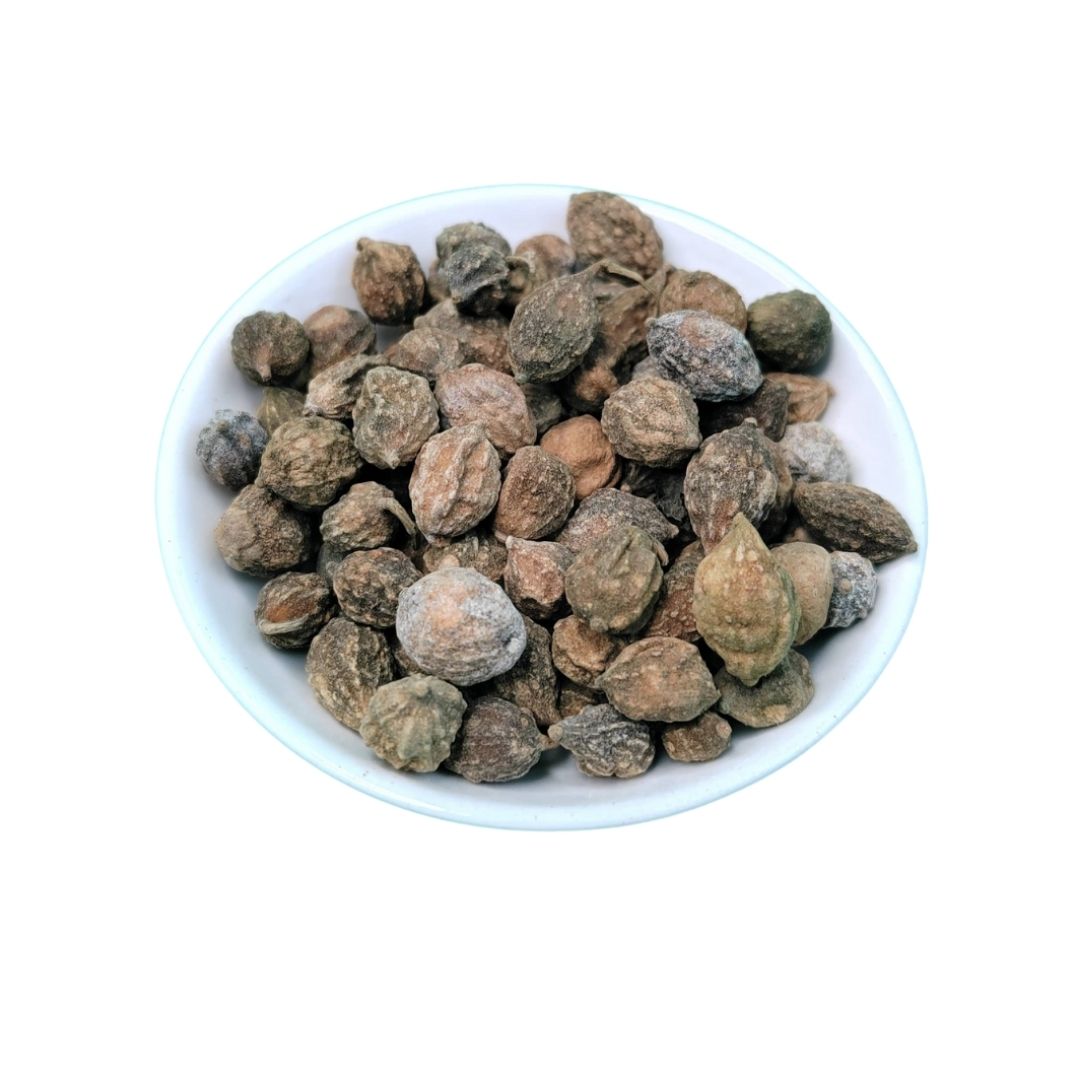
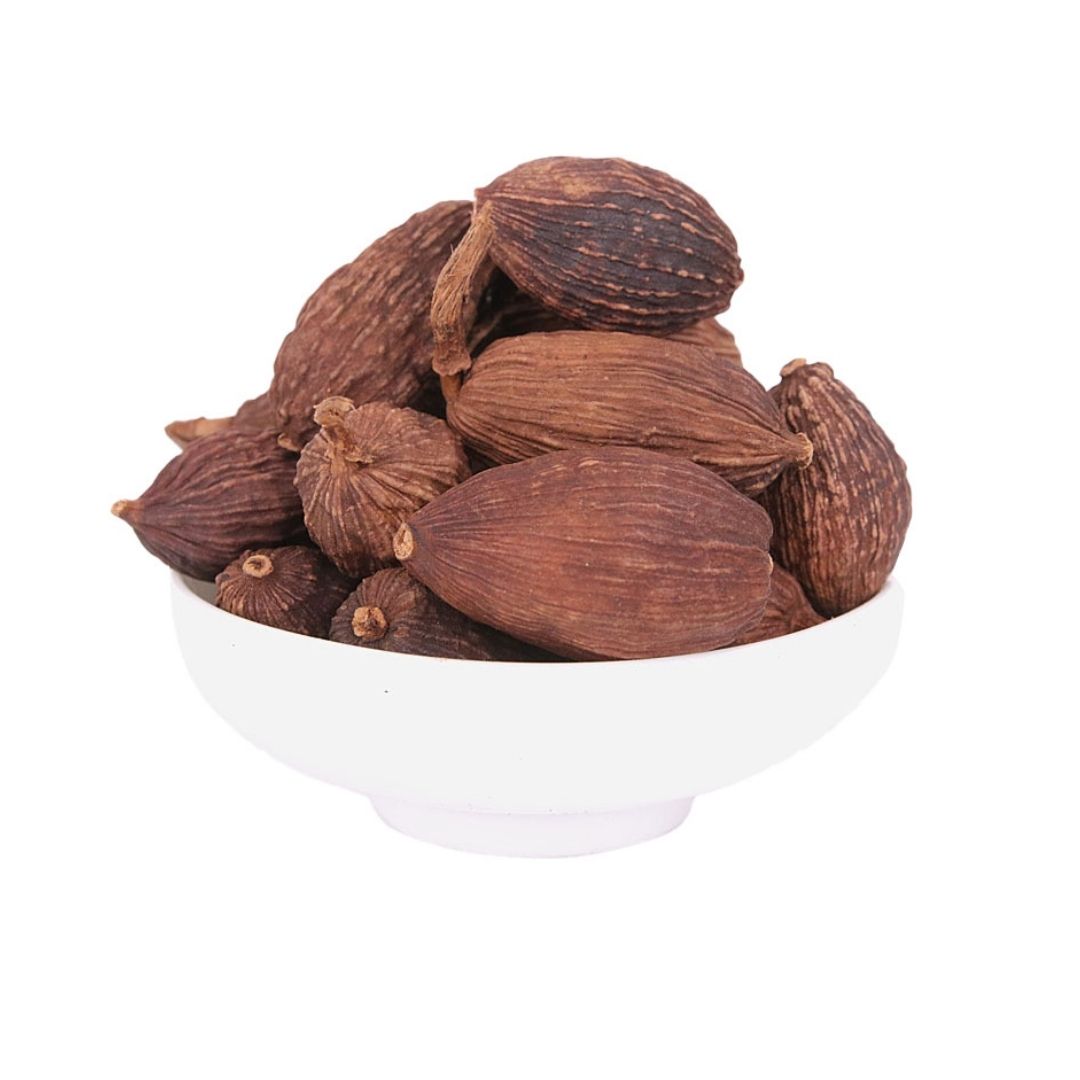
The spice's chemical composition, rich in volatile oils such as 1,8-cineole and camphor, contributes to its characteristic aroma and flavor. These compounds also play a role in the spice's potential medicinal properties. The fruit typically presents as a reddish-brown to brown, dried pod with a wrinkled surface and an irregular, oblong shape. Quality control ensures that the spice is free from mold, insects, and other extraneous matter, preserving its integrity and flavor.
Proper storage in cool, dry conditions away from direct sunlight is essential to maintain the spice's quality and extend its shelf life. This ensures that Fructus Tsaoko retains its characteristic aroma and flavor, ready to enhance a wide array of culinary creations.
Aromatic Chemical Composition
The characteristic aroma of Fructus Tsaoko is attributed to its complex chemical composition, which includes:
- 1,8-Cineole (Eucalyptol): Provides a fresh, camphoraceous, and slightly cooling note. [4]
- Camphor: Contributes a strong, penetrating, and slightly medicinal aroma. [5]
- Borneol: Adds a woody, piney, and slightly minty scent. [6]
- Alpha-Pinene: Imparts a pine-like, resinous aroma. [7]
What Types of Products Are Available?
Fructus Tsaoko is available in several forms:
- Whole Dried Fruit: The entire dried fruit pod, used for imparting flavor during long cooking processes like braising and stewing.
- Ground Spice: Powdered form, convenient for adding flavor directly to dishes or spice blends.
- Extracts and Oils: Concentrated forms, used in food flavoring and potentially in traditional medicine.
Application Scenarios and Usage Dosage
Fructus Tsaoko is a versatile spice primarily used in savory applications, celebrated for its ability to enrich and deepen the flavor profiles of various dishes. Its distinct aroma and taste make it a valuable ingredient in a range of culinary creations, particularly within Chinese and Southeast Asian cuisines. Here's a detailed exploration of its usage methods and recommended dosages:
Culinary Applications:
- Braising and Stewing: Fructus Tsaoko is commonly employed in braising and stewing applications, where it contributes a warm, spicy, and slightly bitter undertone to meats and vegetables. The whole dried fruit is typically added at the beginning of the cooking process to allow its flavors to infuse gradually into the dish. The spice's ability to neutralize strong odors makes it particularly useful when cooking meats such as beef, lamb, and poultry, as well as seafood. Example: braised beef brisket with star anise and tsao-ko.
- Soups and Broths: A small amount of Fructus Tsaoko can enhance the complexity of soups and broths. The spice's aromatic compounds blend harmoniously with other ingredients, creating a depth of flavor that elevates the overall sensory experience. Ground Fructus Tsaoko can be added directly to the broth, or the whole fruit can be simmered and then removed to achieve the desired level of spiciness. Example: hot and sour soup, Vietnamese pho.
- Spice Blends and Rubs: The spice is frequently incorporated into spice blends and rubs for grilling, roasting, and barbecuing. When combined with other spices such as Sichuan peppercorns, ginger, and garlic, it adds a unique dimension to the flavors of meats and vegetables. Fructus Tsaoko's warm and slightly camphorous aroma complements the savory profiles of the dish, enhancing the overall taste. Example: five-spice powder, dry rubs for ribs.
- Pickling and Preserving: Fructus Tsaoko can be used in pickling and preserving processes to impart a distinctive flavor to the preserved ingredients. The spice's aromatic compounds help to enhance the taste and aroma of the pickled items, while its natural antimicrobial properties may also contribute to their preservation. Whole or ground Fructus Tsaoko can be added to the pickling brine or directly to the ingredients being preserved. Example: pickled vegetables, preserved meats.
- Medicinal Preparations: In traditional medicine, Fructus Tsaoko is sometimes used in medicinal preparations for its potential health benefits. The spice is believed to possess anti-inflammatory, antimicrobial, and digestive properties, among others. However, it's important to note that such uses should be approached with caution and under the guidance of a qualified healthcare practitioner.
Dosage Guidelines:
- Whole Dried Fruit: When using whole dried Fructus Tsaoko, a typical dosage is one to two fruits per liter of liquid in braises, stews, and soups. The fruit should be lightly crushed or scored before adding it to the dish to facilitate the release of its flavors.
- Ground Spice: For ground Fructus Tsaoko, a general guideline is to use 1/4 to 1/2 teaspoon per pound of meat or vegetables. The ground spice can be added directly to the dish or mixed with other spices to create a seasoning blend.
- Spice Blends and Rubs: When incorporating Fructus Tsaoko into spice blends and rubs, the proportion typically ranges from 5% to 15% of the total mixture, depending on the desired intensity of flavor.
- Pickling and Preserving: In pickling and preserving applications, a dosage of 1/2 to 1 teaspoon of ground Fructus Tsaoko per quart of pickling brine is generally recommended. Whole fruits can also be used, with one to two fruits per quart of brine being a suitable starting point.
Introduction to the Source Plant, Distribution, and Growing Environment
Amomum tsao-ko, the source plant of Fructus Tsaoko, is a perennial herbaceous plant belonging to the ginger family (Zingiberaceae). The plant typically grows to a height of 1.5 to 3 meters, characterized by its long, lance-shaped leaves and rhizomatous root system. The plant produces reddish-brown fruits, which are the harvested spice. [8]
This plant is native to the mountainous regions of Southeast Asia, including Vietnam, Laos, and the Yunnan province of China. It grows best in humid, tropical climates with well-drained soils. The plant thrives in shaded environments, often found in forests and along streams where it receives consistent moisture and protection from direct sunlight. [9]
Harvesting, Processing, and Storage Preservation
The harvesting of Fructus Tsaoko typically occurs during the late autumn and early winter when the fruits are fully mature. Farmers hand-pick the fruits from the plant, ensuring they have reached their optimal color and size. [10]
After harvesting, the fruits undergo a drying process to reduce their moisture content and preserve them for long-term storage. Traditional drying methods involve spreading the fruits out in the sun or using low-heat ovens. Once dried, the fruits are sorted to remove any damaged or discolored pods. [11]
To maintain the quality and extend the shelf life of Fructus Tsaoko, proper storage is essential. The dried fruits should be stored in a cool, dry place away from direct sunlight and moisture. Airtight containers or packaging can help prevent the loss of volatile oils and protect the spice from pests and contaminants. [12]
Citations
[3] https://extension.umn.edu/preserving-and-preparing/storing-herbs-and-spices
[5] https://pubchem.ncbi.nlm.nih.gov/compound/Camphor
[6] https://www.thegoodscentscompany.com/data/rw1003122.html
[7] https://www.sciencedirect.com/topics/agricultural-and-biological-sciences/alpha-pinene
[8] https://tropical.theferns.info/viewtropical.php?id=Amomum+tsao-ko
[9] http://www.efloras.org/florataxon.aspx?flora_id=2&taxon_id=242302284
[10] https://www.feedipedia.org/node/800
[11] https://www.fao.org/3/X5043E/x5043e0g.htm
Mia Wu

Hi, I’m Mia Wu! I love helping customers discover the best natural ingredients for their products. With a passion for herbs, spices, and fungi, I work to make sure you get only the finest raw materials. Let's grow together! 🌱✨