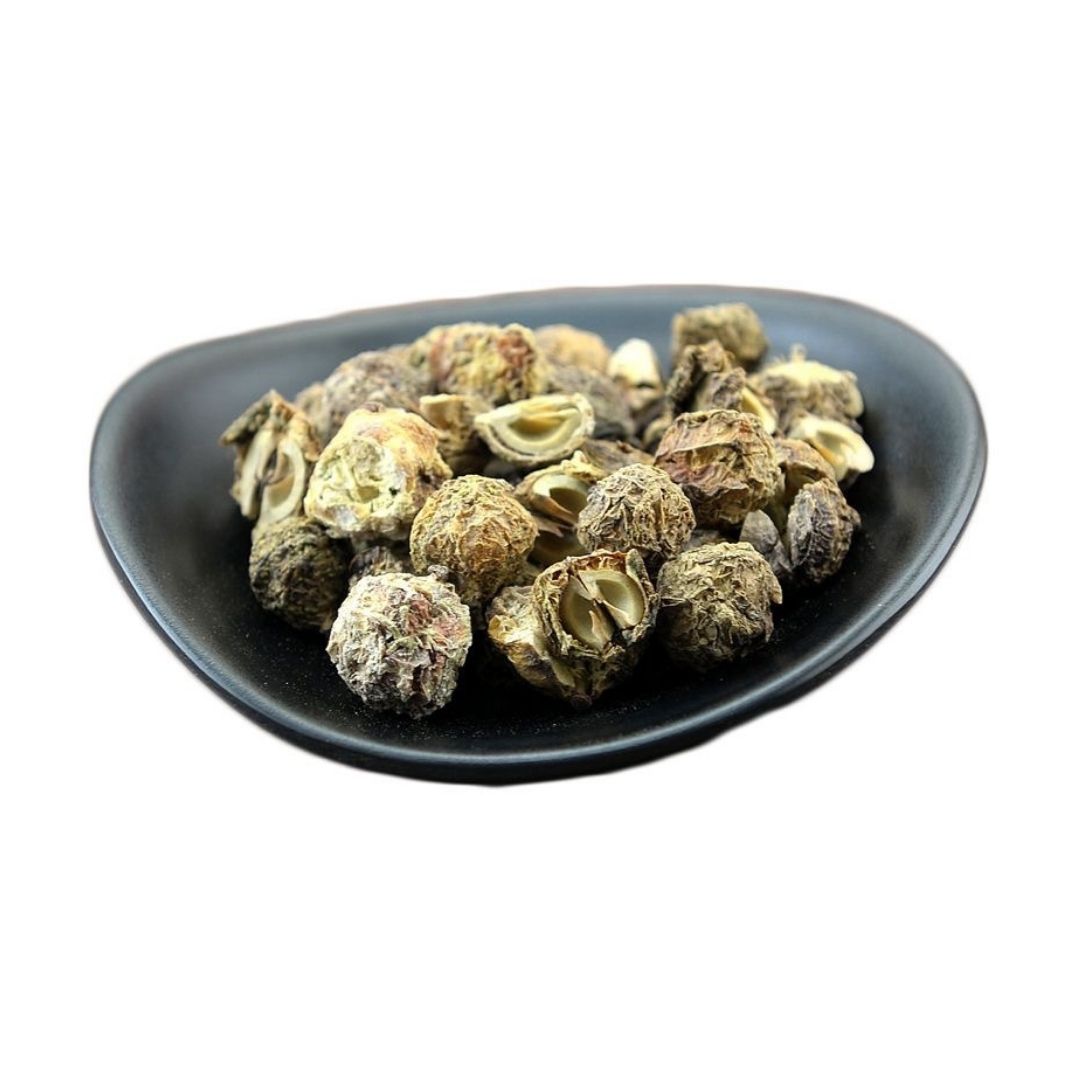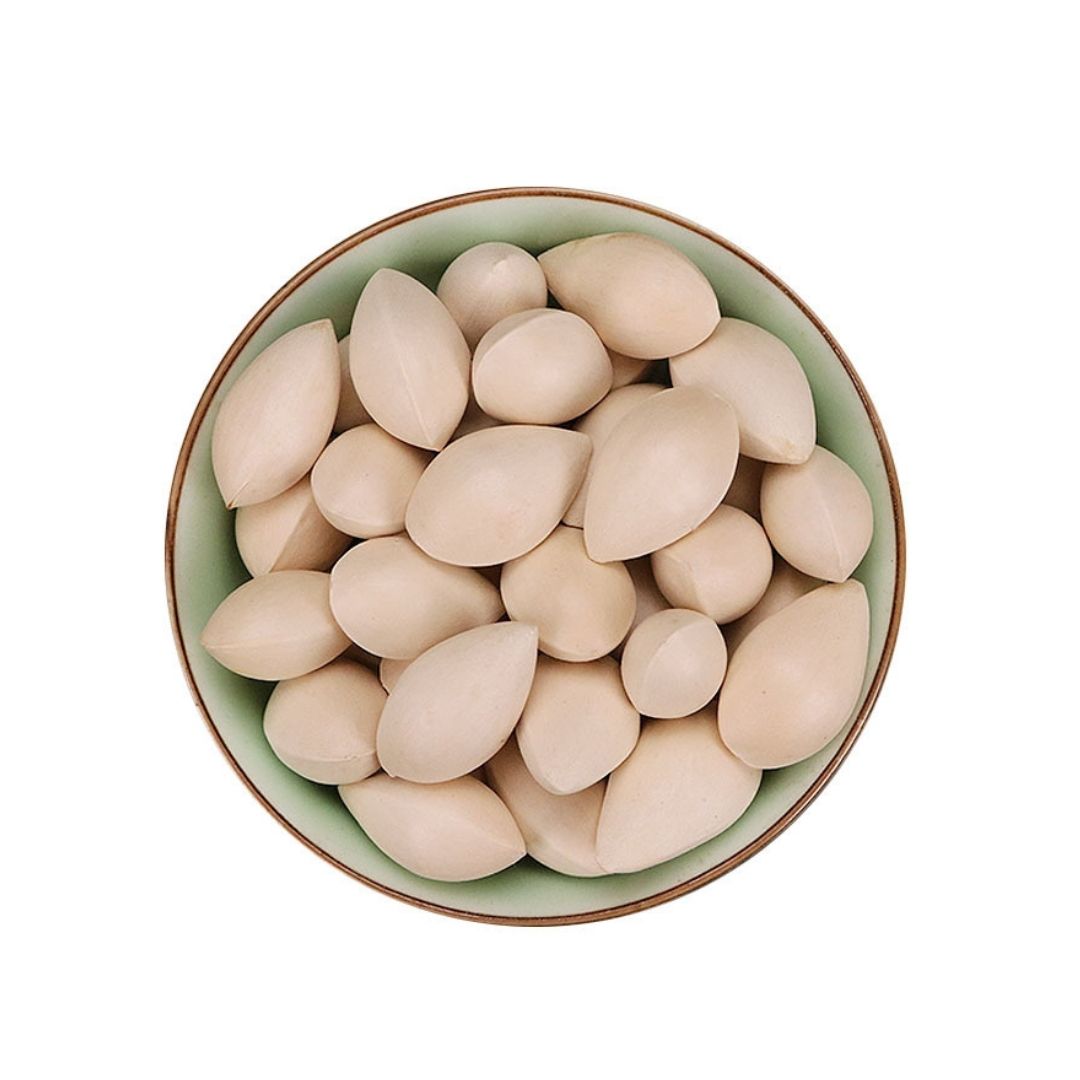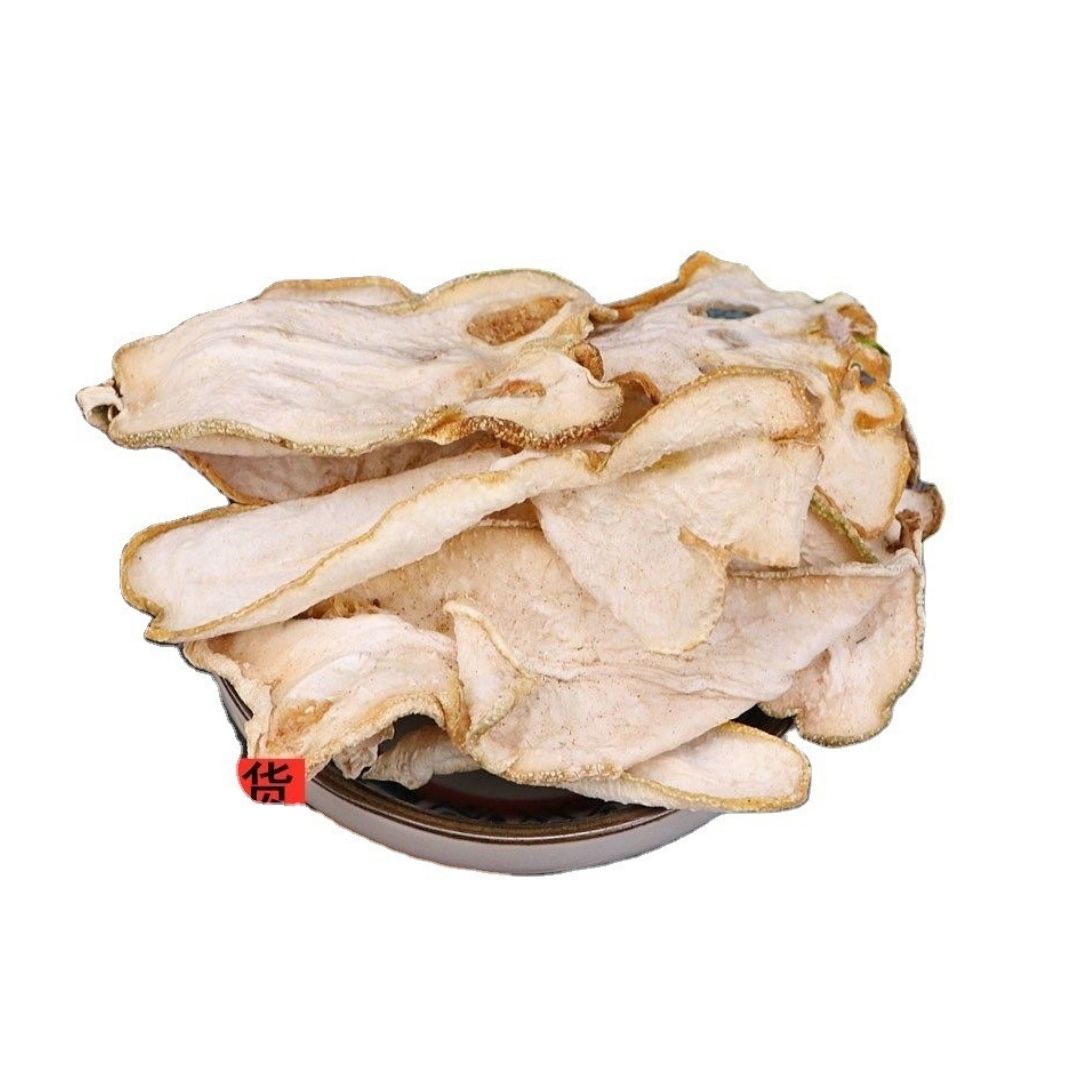


Product Introduction
Fructus Citri Sarcodactylis, commonly referred to as Buddha's Hand, is a unique citrus fruit celebrated for its distinctive shape and aromatic qualities. This fruit, a variant of Citrus medica, is characterized by its finger-like sections which give it an ornamental and medicinal appeal. Often used both in traditional medicine and as a decorative item, Fructus Citri Sarcodactylis holds cultural and practical significance. Its applications range from herbal remedies to culinary uses, highlighting its versatile nature.
Main Active Ingredients
The therapeutic benefits of Fructus Citri Sarcodactylis are attributed to its rich composition of bioactive compounds. Volatile oils, are a primary component, contributing to its characteristic fragrance and potential therapeutic effects. Hesperidin, a flavonoid present in significant amounts, exhibits antioxidant and anti-inflammatory properties [1]. Other flavonoids further enhance its medicinal value, providing a range of health benefits. These compounds work synergistically to contribute to the overall efficacy of the herb.
Product Application Scenarios, Usage, and Dosage
In traditional Chinese medicine, Fructus Citri Sarcodactylis is primarily employed to regulate Qi, soothe the Liver, and alleviate pain. It is often prescribed for symptoms associated with Liver Qi stagnation, such as chest tightness, abdominal distension, and emotional distress [2]. The typical dosage ranges from 3 to 10 grams, usually administered in decoction form. It can also be used in powders or tinctures, depending on the specific condition and practitioner's guidance. Consulting with a qualified healthcare provider is essential to determine the appropriate usage and dosage for individual needs.
Introduction to the Source Plant, Distribution, and Growth Environment
Citrus medica var. sarcodactylis, the source plant of Fructus Citri Sarcodactylis, is a small tree belonging to the Rutaceae family. This plant is believed to have originated in India or China, and is now cultivated in various regions including Southeast Asia and the Mediterranean. The plant thrives in warm, subtropical climates with well-drained soil and ample sunlight. Its unique fruit, with its finger-like protrusions, develops best under consistent environmental conditions, requiring careful cultivation practices to ensure optimal growth and fruit quality.
Harvesting, Processing, and Storage
The fruit is typically harvested when it reaches full maturity, usually in the autumn or early winter. The harvesting process involves carefully cutting the fruit from the tree to avoid damage. After harvesting, the fruits are often sun-dried or dried using low-heat methods to preserve their medicinal properties and prevent spoilage [3]. Proper storage is crucial to maintain the quality of Fructus Citri Sarcodactylis; it should be stored in a cool, dry place, away from direct sunlight and moisture, to prevent degradation of its active components.
Citations:
[1] Kumar, S., et al. "Citrus flavonoids: An overview." Journal of Nutritional Science, vol. 6, e59, 2017.
[2] Bensky, D., et al. Chinese Herbal Medicine: Materia Medica. 3rd ed., Eastland Press, 2004.
[3] Zhao, Z. Z., et al. "The processing of Chinese medicinal herbs." Journal of Ethnopharmacology, vol. 130, no. 3, 2010, pp. 649-674.
Mia Wu

Hi, I’m Mia Wu! I love helping customers discover the best natural ingredients for their products. With a passion for herbs, spices, and fungi, I work to make sure you get only the finest raw materials. Let's grow together! 🌱✨