

Product Introduction
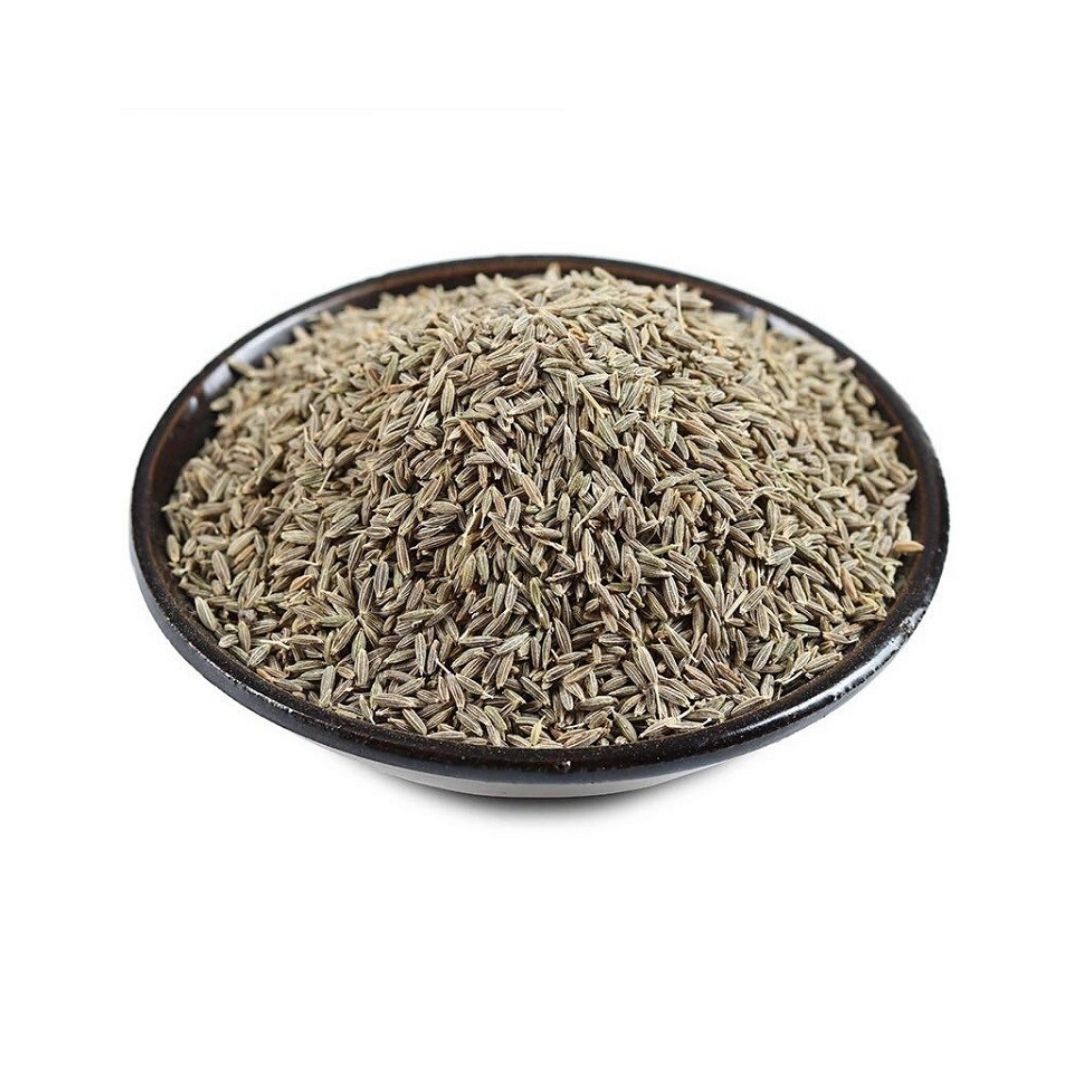
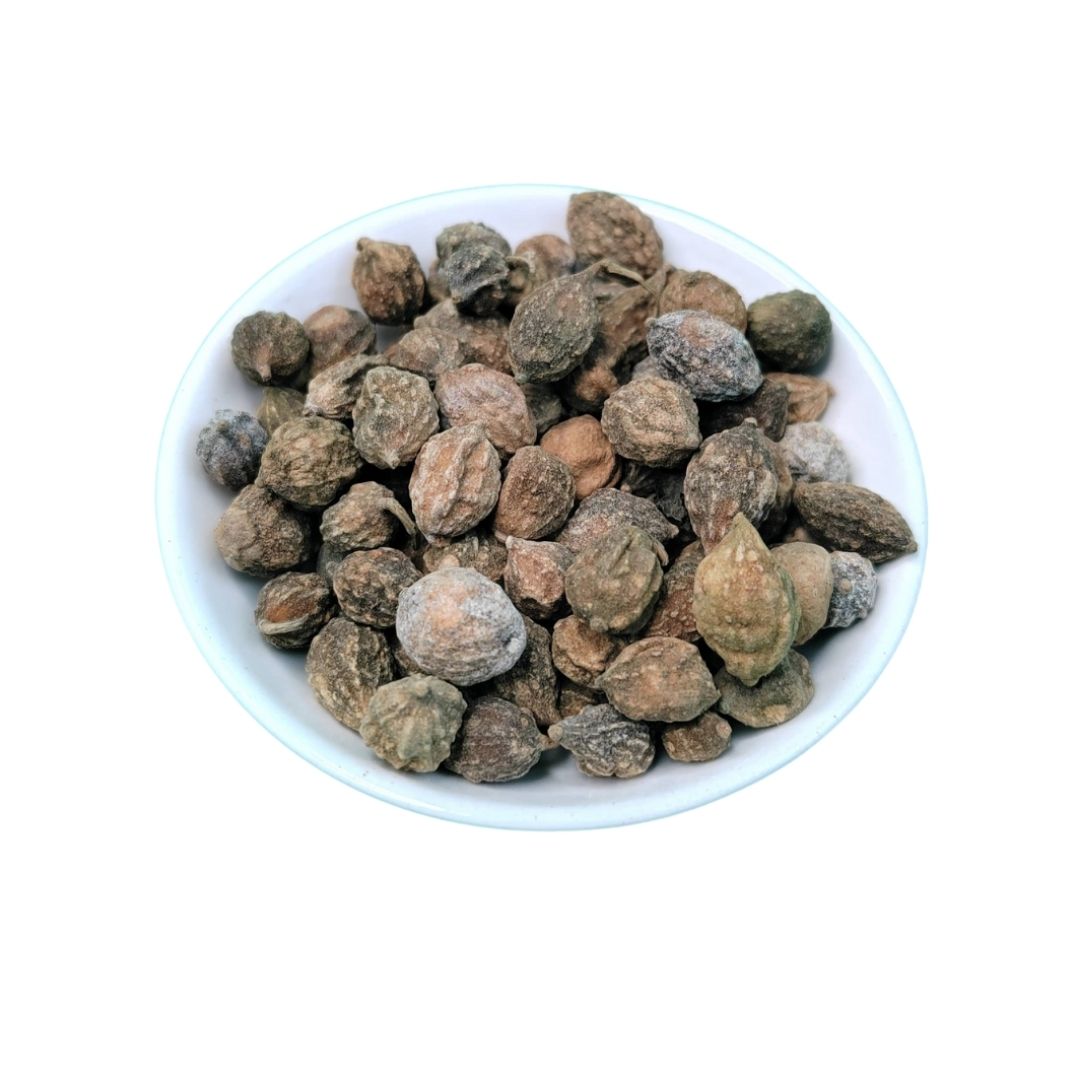
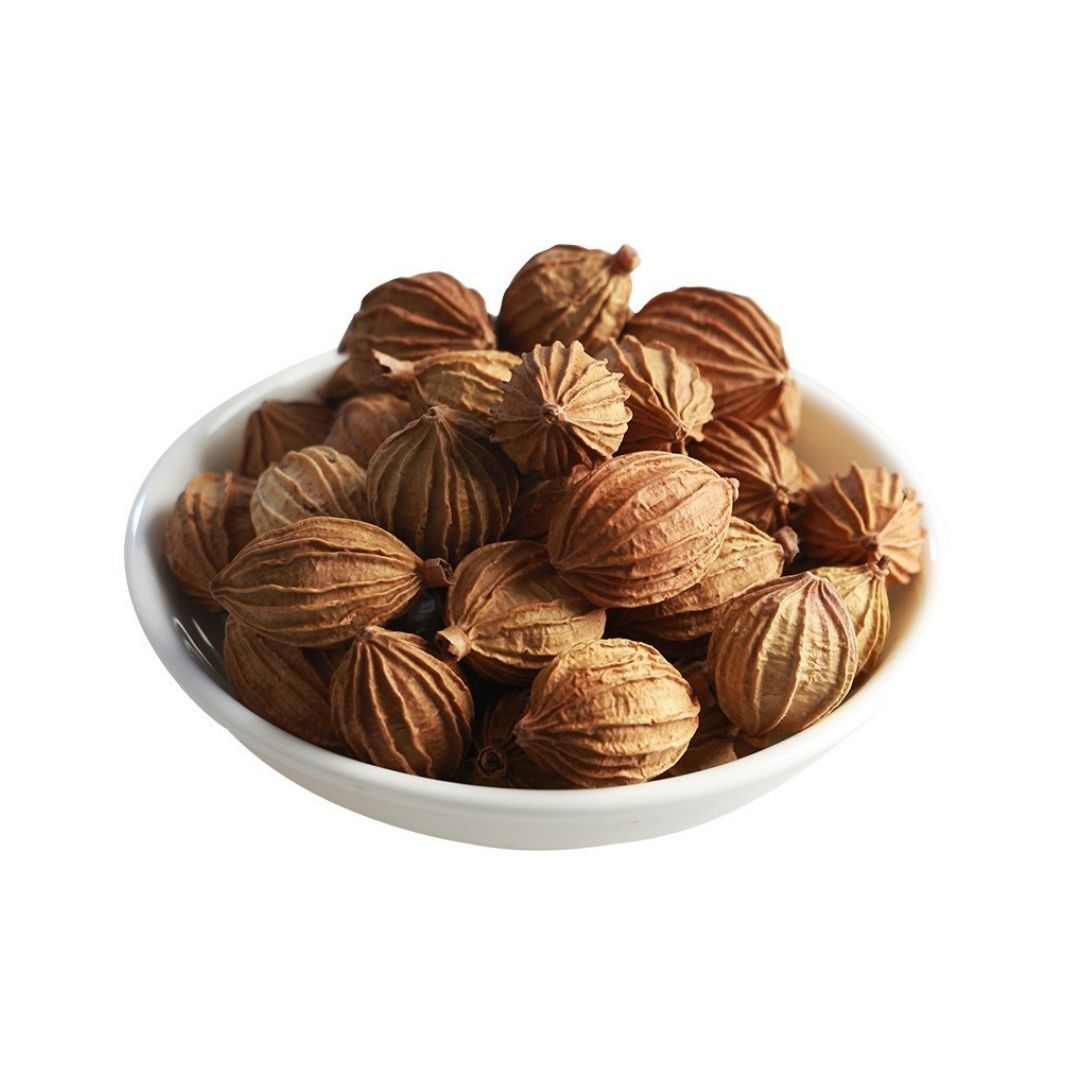
Fructus Amomi, derived from the dried ripe fruit of Amomum villosum Lour., is a spice with significant applications in both culinary and traditional medicinal practices. This spice is characterized by its small, reddish-brown, globose fruits, known for their aromatic and slightly pungent flavor profile. Originating from Southeast Asia, specifically regions in China and Vietnam, Fructus Amomi has been integrated into various cuisines and traditional remedies for centuries.
The primary components of Fructus Amomi include volatile oils, such as cineole and camphor, which contribute significantly to its distinctive aroma and flavor. Additionally, it contains flavonoids and phenolic compounds, enhancing its functional properties. These compounds contribute to the flavor and may impart beneficial properties that are currently being researched.
In culinary applications, Fructus Amomi is commonly used to enhance the flavor of soups, stews, and meat dishes. Its warm and aromatic notes add depth and complexity to recipes. Beyond its culinary uses, Fructus Amomi holds a place in traditional medicine, where it is employed for its potential digestive and warming properties. It is available in various forms, including whole dried fruits and ground powder, offering flexibility in its application.
Aromatic Chemical Composition
The aromatic profile of Fructus Amomi is attributed to its complex chemical composition, primarily consisting of volatile oils. Key aromatic compounds include:
- Cineole (Eucalyptol): Provides a fresh, camphoraceous, and slightly medicinal aroma (Owolabi et al., 2009).
- Camphor: Contributes a strong, penetrating, and cooling scent (Chen et al., 2013).
- Other Terpenoids: Additional terpenoids present in the volatile oil fractions contribute subtle variations to the overall aroma, enhancing its complexity (Li et al., 2006).
What Types of Products Are Available?
Fructus Amomi, primarily comes in two forms:
- Whole Dried Fruits: These are the intact, ripe fruits that have been dried. They are often used in infusions, decoctions, or added whole to dishes for a subtle, slow-releasing flavor.
- Ground Powder: The dried fruits are ground into a fine powder, which is more convenient for immediate use in cooking and formulations where a concentrated flavor is desired.
Application Scenarios and Usage Dosage
In the culinary field, Fructus Amomi serves as a versatile spice. It provides a warm, aromatic depth to a variety of dishes. Its usage spans across different cuisines, each employing the spice uniquely to complement local flavors.
- Soups and Broths: Fructus Amomi is frequently added to soups and broths to infuse a warm and slightly spicy note. In Chinese cuisine, it is used in herbal chicken soups. A typical dosage might be 2-3 whole fruits per liter of liquid, simmered for at least 30 minutes to extract the flavors.
- Stews and Braised Dishes: The spice pairs well with long-cooked stews, especially those featuring meats. Its complex aroma helps cut through the richness of fatty meats, adding balance to the dish. For a beef stew, 1-2 teaspoons of ground Fructus Amomi per kilogram of meat can enhance the flavor profile.
- Meat Rubs and Marinades: Ground Fructus Amomi can be incorporated into dry rubs for grilled or roasted meats. Its warm and slightly pungent flavor complements other spices like ginger, garlic, and chili. A suggested ratio is to mix 1 part Fructus Amomi powder with 2 parts each of ginger and garlic powder, and adjust chili to taste.
- Pickling and Preserves: Whole Fructus Amomi fruits are sometimes used in pickling brines to add an aromatic layer to preserved vegetables. The dosage depends on the batch size, but typically 3-5 fruits per liter of brine can provide a subtle spice note.
- Beverages: Fructus Amomi can be infused into teas or used to flavor alcoholic beverages. In some regions, it's added to mulled wine or spiced cider for extra warmth during colder months. For tea, one or two crushed fruits per cup of hot water, steeped for 5-7 minutes, is usually sufficient.
- Desserts: While less common, Fructus Amomi can be used in small quantities in desserts to add a unique twist. It pairs well with chocolate or fruit-based desserts, providing a subtle spicy warmth. A pinch (approximately 1/4 teaspoon) of the ground spice can be added to a batch of chocolate brownies or fruit pies to enhance their flavor complexity.
Introduction to the Source Plant, Distribution, and Growing Environment
Amomum villosum Lour. is a perennial plant belonging to the ginger family (Zingiberaceae). It typically grows to a height of about 1-2 meters. The plant is characterized by its lance-shaped leaves and rhizomatous roots. The fruits, which are the economically valuable part of the plant, are small, round capsules that turn reddish-brown when ripe (Xia et al., 2012).
This species is native to Southeast Asia, with a significant presence in southern China, Vietnam, and other neighboring regions. It thrives in warm, humid environments, often found in the understory of tropical and subtropical forests. The plant prefers well-drained, slightly acidic soils and partial shade. These conditions mimic its natural habitat, allowing it to flourish and produce high-quality fruits. Cultivation efforts often focus on replicating these specific environmental factors to ensure optimal growth and yield (Liao et al., 2010).
Harvesting, Processing, and Storage Preservation
The harvesting of Amomum villosum fruits typically occurs when the fruits have reached full maturity and exhibit a reddish-brown color. This usually happens in the late autumn or early winter. The fruits are hand-picked to ensure only the ripe ones are collected (Wang et al., 2007).
After harvesting, the fruits undergo processing to preserve their quality and extend their shelf life. The most common method involves drying. Fruits are spread out in thin layers and sun-dried or dried using mechanical dryers at low temperatures to prevent loss of volatile oils. Properly dried fruits should have a moisture content below 12% to prevent mold growth.
Storage is crucial to maintaining the spice's aroma and flavor. Dried Fructus Amomi should be stored in airtight containers, away from direct sunlight, heat, and moisture. A cool, dry place is ideal. Under these conditions, the spice can retain its quality for up to two years (Zhu et al., 2008).
Citations:
- Chen, H., Zhang, Y., & Liu, Y. (2013). Chemical composition and antimicrobial activity of the essential oil of Amomum villosum Lour. from China. Journal of Food Science, 78(1), M86-M91.
- Li, R., Li, Y., & Fitzloff, J. F. (2006). Chemical diversity of Amomum villosum (Lour.) extracts used in traditional Chinese medicine. Journal of Agricultural and Food Chemistry, 54(23), 8823-8829.
- Liao, J., He, X., & Huang, X. (2010). Effects of environmental factors on the growth and development of Amomum villosum Lour. Chinese Herbal Medicines, 2(4), 304-309.
- Owolabi, O. J., Lawal, B., Ogunwande, I. A., & Konig, W. A. (2009). Essential oil of Amomum villosum Lour. from Nigeria. Journal of Essential Oil Research, 21(2), 176-178.
- Wang, J., Yang, L., & Zhang, H. (2007). Studies on the harvesting and processing techniques of Amomum villosum Lour. Journal of Tropical and Subtropical Botany, 15(3), 265-269.
- Xia, G., Luo, Y., & Li, S. (2012). Morphological and anatomical studies of Amomum villosum Lour. Journal of Chinese Medicinal Materials, 35(2), 245-249.
- Zhu, J., Chen, Q., & Wang, K. (2008). Effect of storage conditions on the quality of dried Amomum villosum fruits. Food Science, 29(11), 456-460.
Mia Wu

Hi, I’m Mia Wu! I love helping customers discover the best natural ingredients for their products. With a passion for herbs, spices, and fungi, I work to make sure you get only the finest raw materials. Let's grow together! 🌱✨