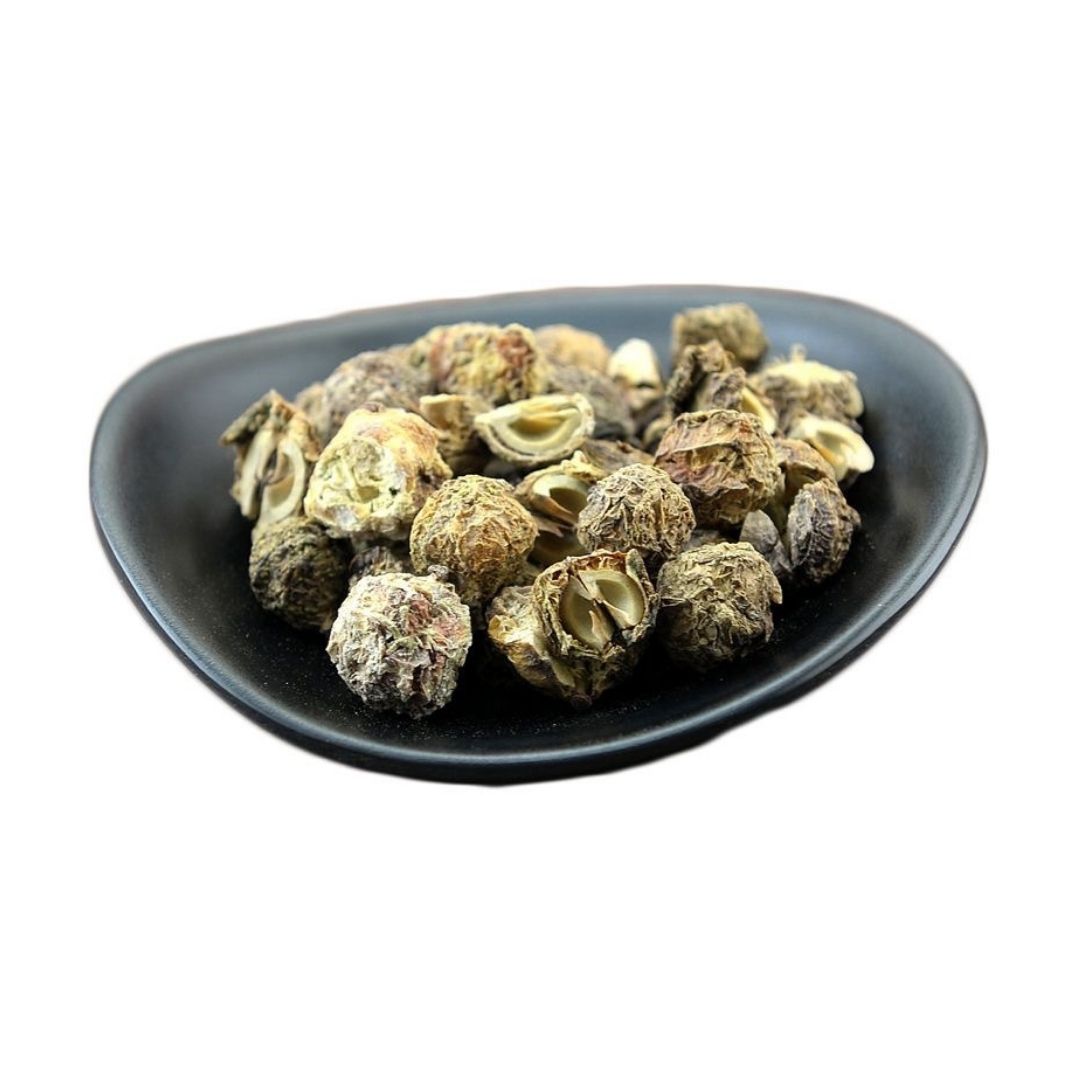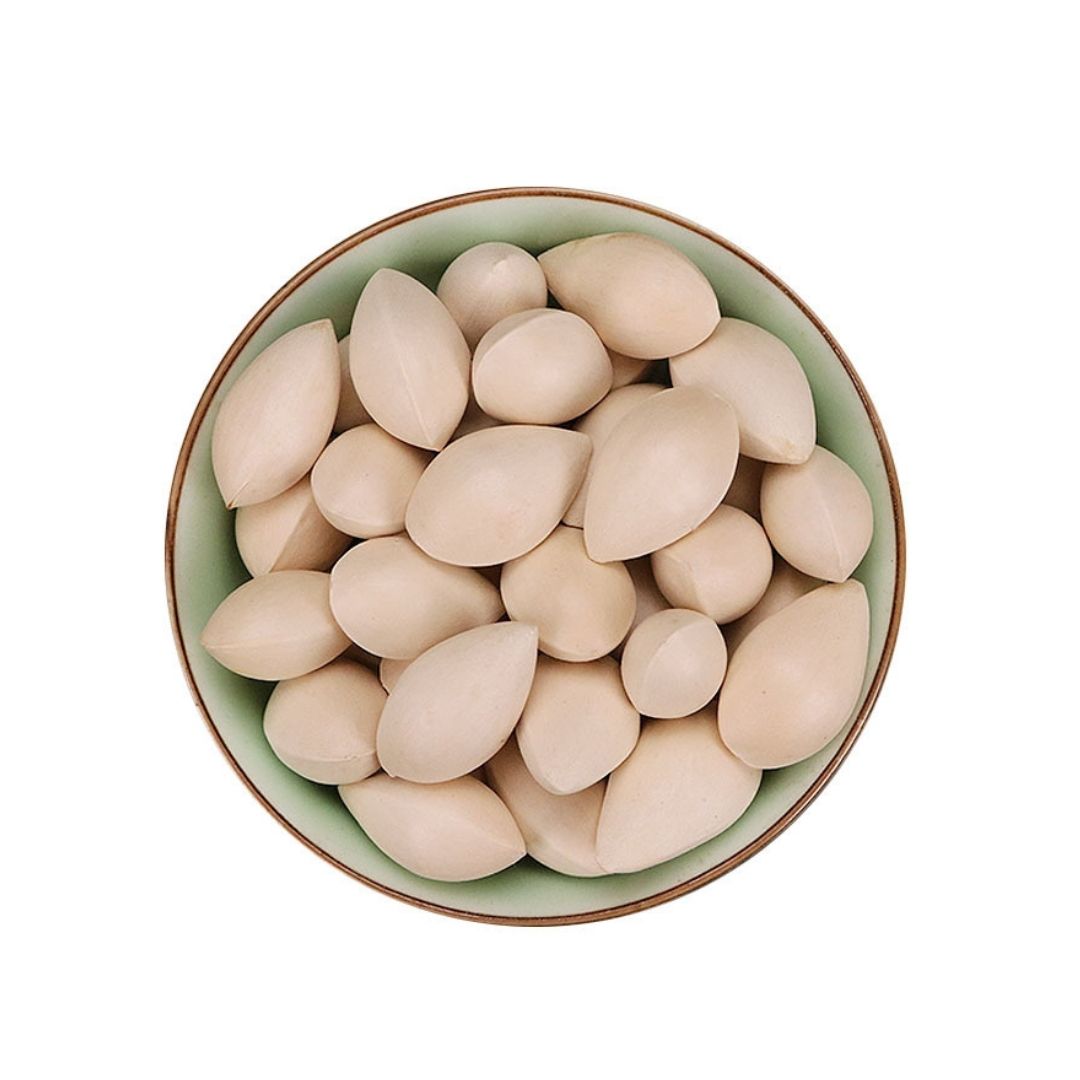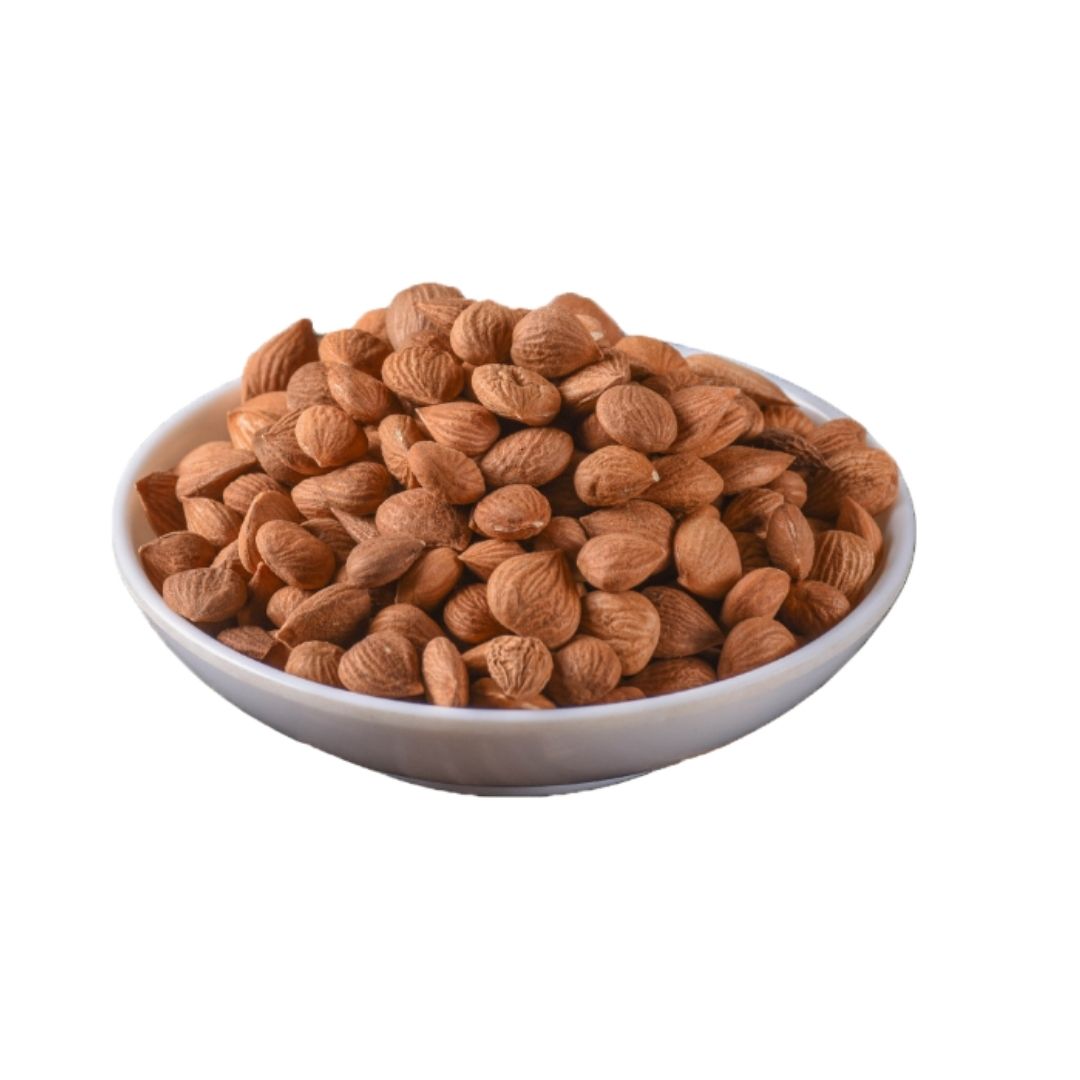


Product Introduction
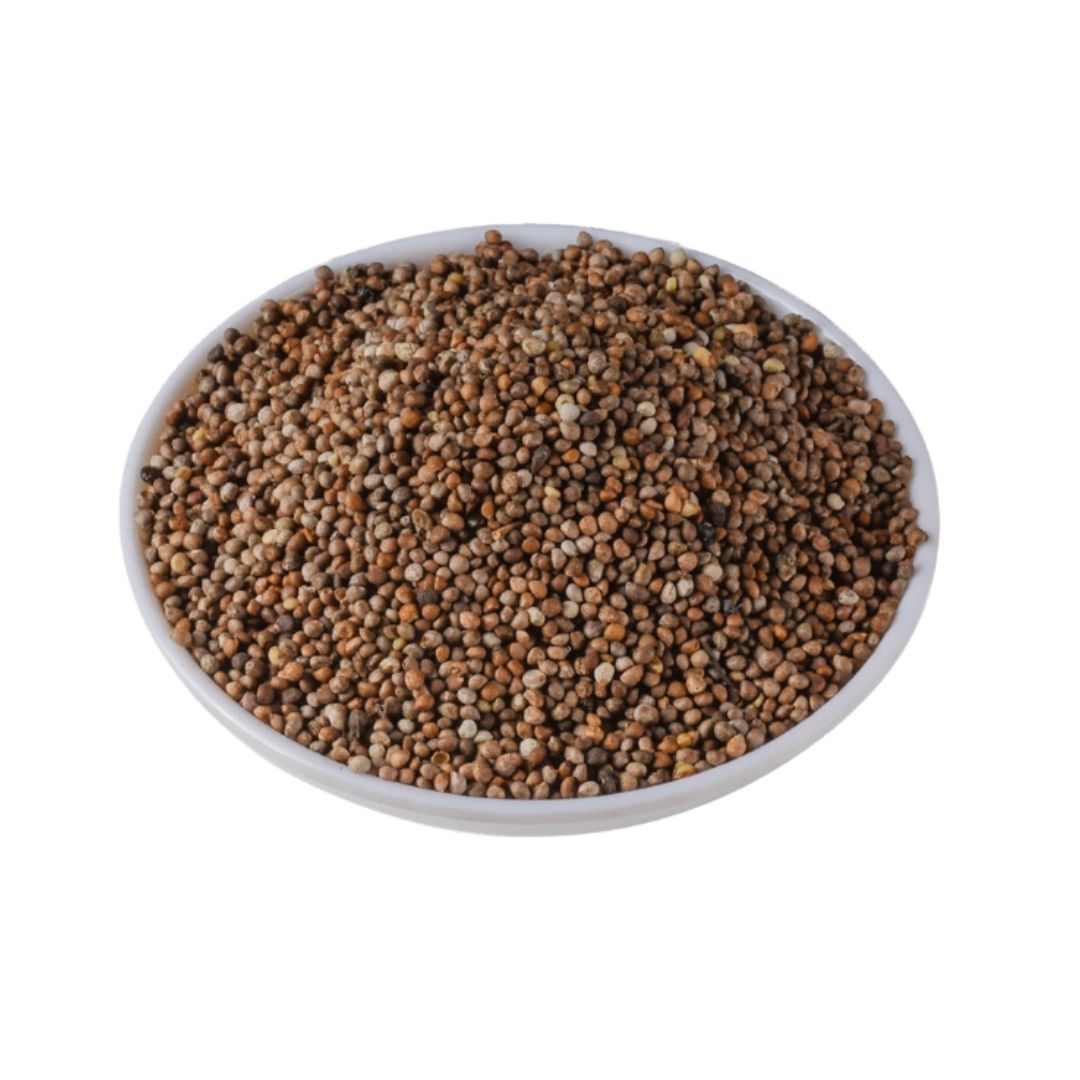
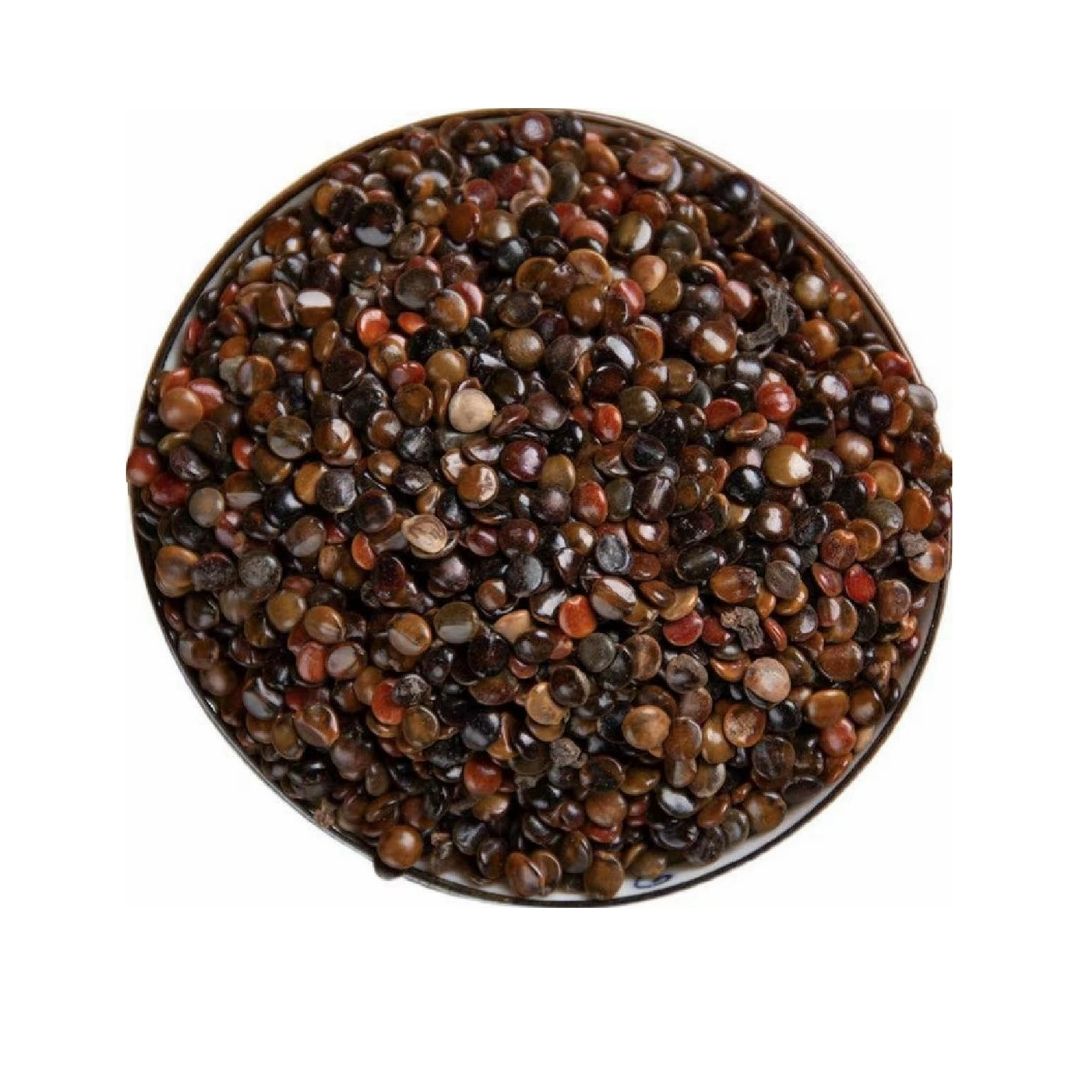
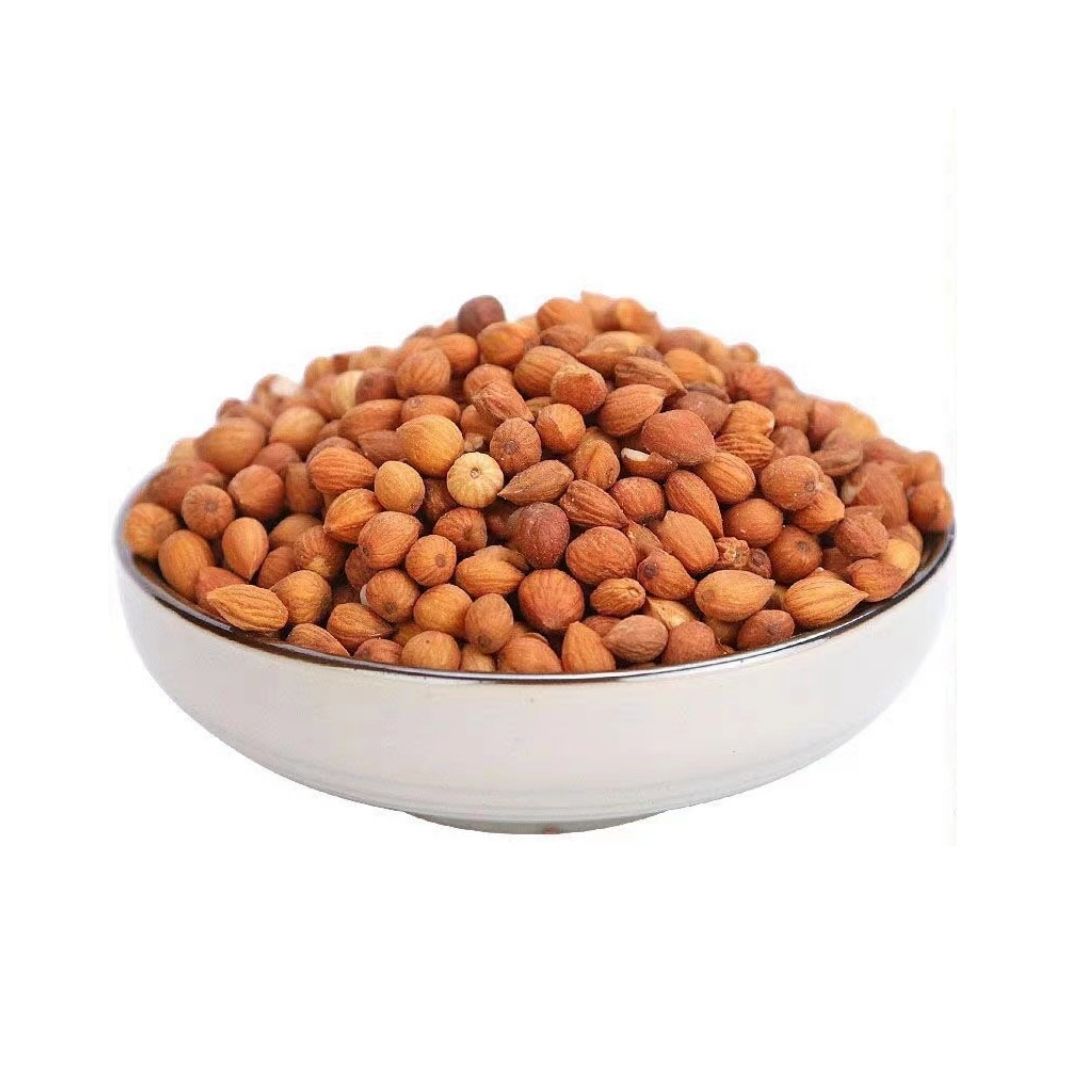
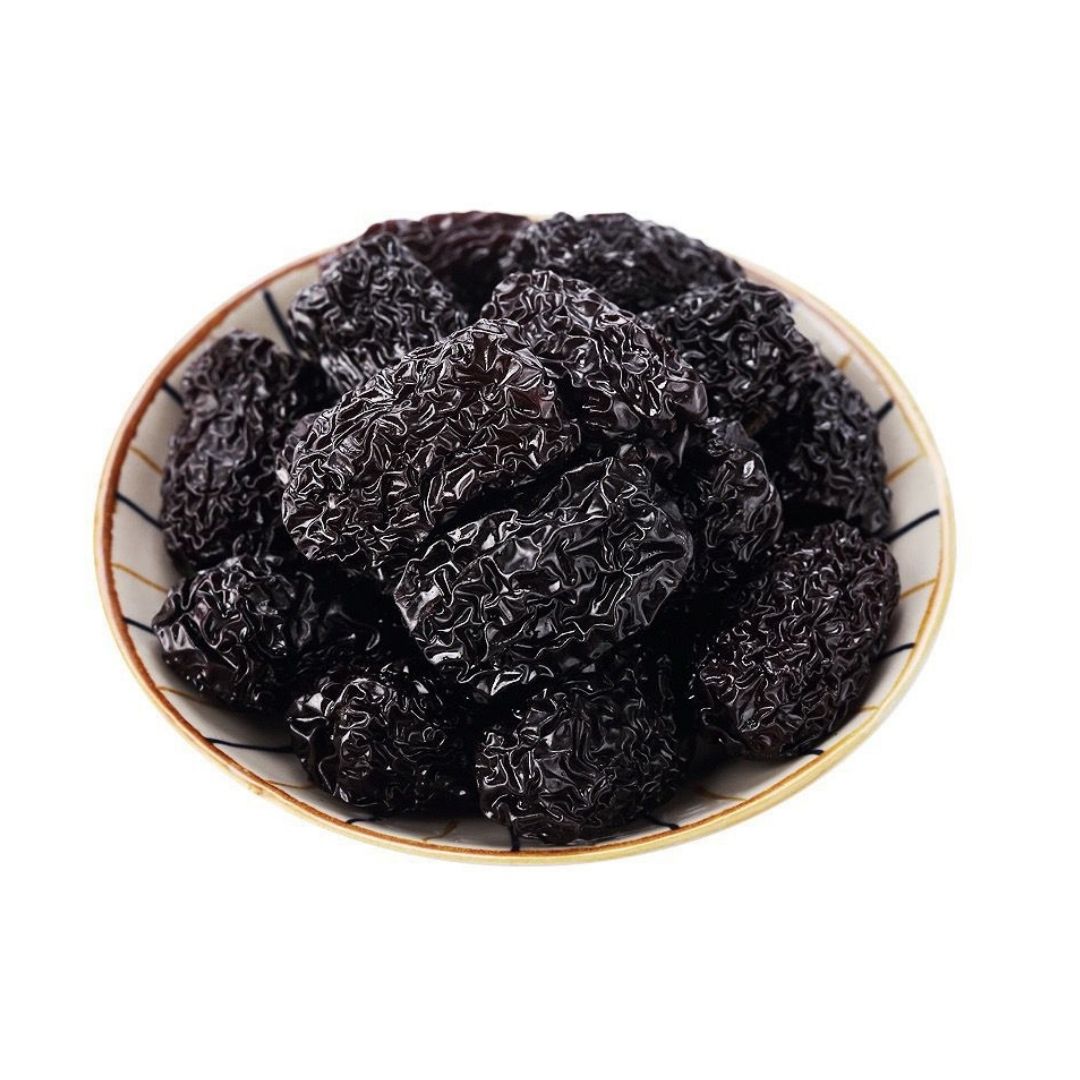
Fried bitter almonds are a processed form of bitter almonds that are commonly used in traditional Chinese medicine. The process of stir-frying reduces the toxicity associated with raw bitter almonds while retaining their therapeutic properties of moistening the large intestine and relieving cough. This processing method makes it safer for consumption, allowing it to be incorporated into various herbal formulas. The almonds become less toxic and easier to digest.
Main Active Ingredients
The main active ingredients in fried bitter almonds are cyanogenic glycosides, primarily amygdalin and prunasin, which are responsible for their therapeutic effects but also their potential toxicity [1]. During the stir-frying process, some of these compounds are altered, reducing the risk of cyanide poisoning. Other compounds present include fatty oils and various trace elements that contribute to the almond's overall medicinal properties [2]. These elements work synergistically to provide the intended health benefits.
Product Application Scenarios, Usage, and Dosage
In traditional Chinese medicine, fried bitter almonds are primarily used to treat coughs, especially those associated with dry phlegm or difficulty in expectoration [3]. It also helps cases of constipation due to the almond's ability to moisten the intestines and promote bowel movements. Typically, the dosage ranges from 3 to 9 grams per day, and it is often used in conjunction with other herbs to enhance its effects [4]. It is usually administered orally, mixed into decoctions, or as part of a powdered formula.
Introduction to the Source Plant, Distribution, and Growth Environment
The bitter almond tree (Prunus armeniaca) is a deciduous tree native to Central Asia and China [5]. It thrives in temperate climates with well-drained soils and plenty of sunlight. In China, it is widely cultivated in many provinces, including Hebei, Shanxi, and Shandong. The tree typically grows to a height of 5 to 8 meters and produces pink or white flowers in early spring [6]. The almonds themselves are enclosed in a tough outer shell and a fleshy fruit, and the bitter variety contains higher levels of amygdalin compared to the sweet almond.
Harvesting, Processing, and Storage
The harvesting of bitter almonds typically occurs in late summer or early autumn when the fruits are ripe [7]. After harvesting, the fruits are processed to remove the outer layers, and the almonds are collected. To prepare fried bitter almonds, the raw almonds are stir-fried until they turn slightly yellow and fragrant. This process helps to reduce their toxicity and modify their medicinal properties. The fried bitter almonds should be stored in a dry, well-ventilated place to prevent them from becoming moldy or rancid [8]. Proper storage ensures that the almonds retain their therapeutic benefits over an extended period.
Citations:
[1] Pitsawong, W., et al. "Amygdalin content in single-kernel samples of Prunus species and their products." Chiang Mai J. Sci. 47.4 (2020): 798-808.
[2] Sotiroudis, T. G., and N. G. Kyriakidis. "Plant-derived anticancer agents: past, present and future perspectives." Planta Med 82.16 (2016): 1359-1374.
[3] Traditional Chinese Medicine: A Comprehensive Guide by Hong-Yen Hsu.
[4] Bensky, D., et al. Chinese Herbal Medicine: Materia Medica, 3rd Edition. Seattle, WA: Eastland Press, 2004.
[5] Zohary, Daniel, and Maria Hopf. Domestication of Plants in the Old World. Oxford: Oxford University Press, 2000.
[6] Flora of China Editorial Committee. Flora of China. St. Louis: Missouri Botanical Garden Press.
[7] Janick, Jules. Horticultural Reviews, Volume 44. John Wiley & Sons, 2016.
[8] Wichtl, M. Herbal Drugs and Phytopharmaceuticals. Stuttgart: MedPharm Scientific Publishers, 2004.
Mia Wu

Hi, I’m Mia Wu! I love helping customers discover the best natural ingredients for their products. With a passion for herbs, spices, and fungi, I work to make sure you get only the finest raw materials. Let's grow together! 🌱✨