

Fenugreek, scientifically known as Trigonella foenum-graecum, is an herb belonging to the Fabaceae family. Its seeds are commonly used as a spice and flavoring agent in various cuisines around the world. Originating from the Mediterranean region, fenugreek has a long history of culinary and medicinal use. The plant itself is an annual, growing to about two to three feet in height, with trifoliate leaves, and produces pods containing the characteristic fenugreek seeds.
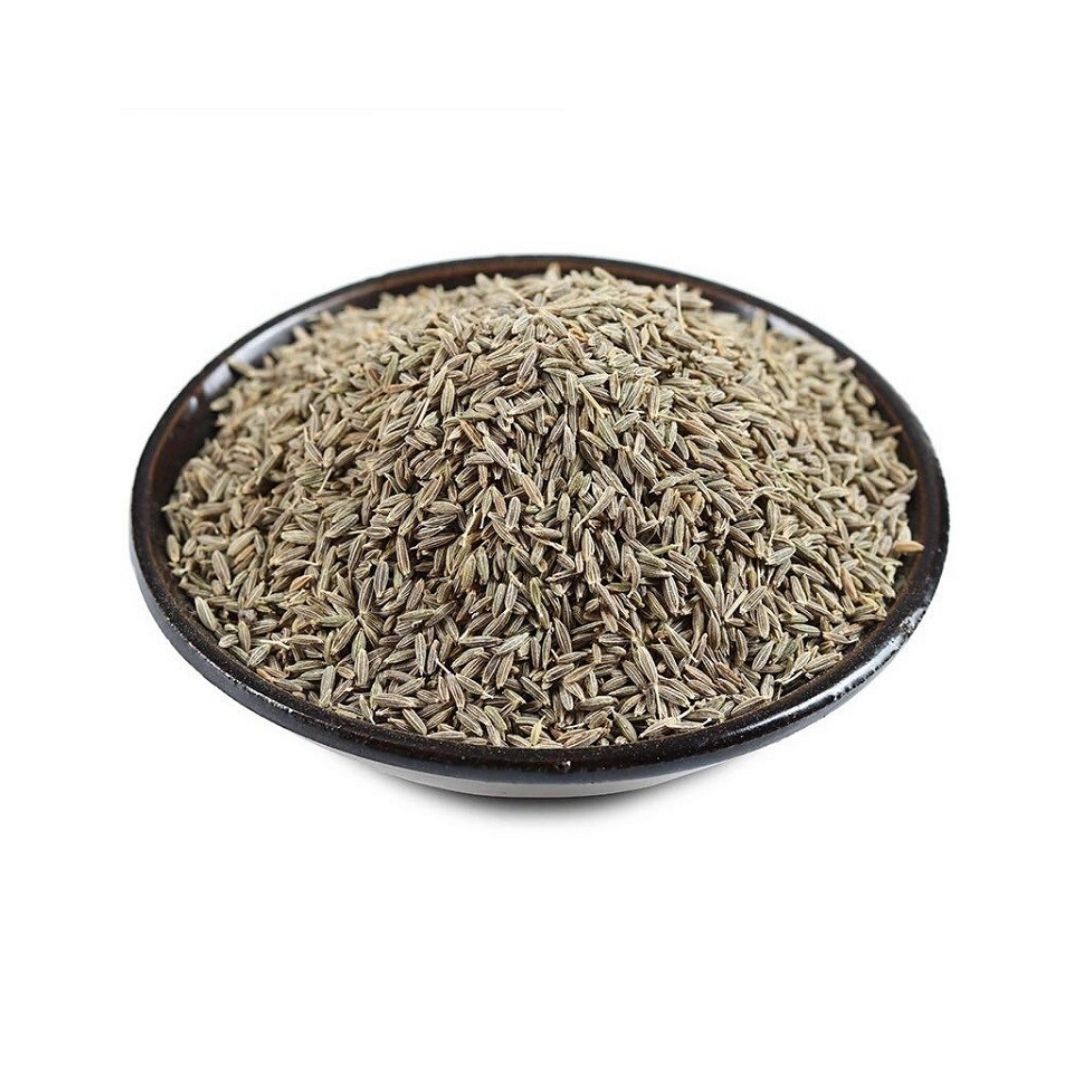
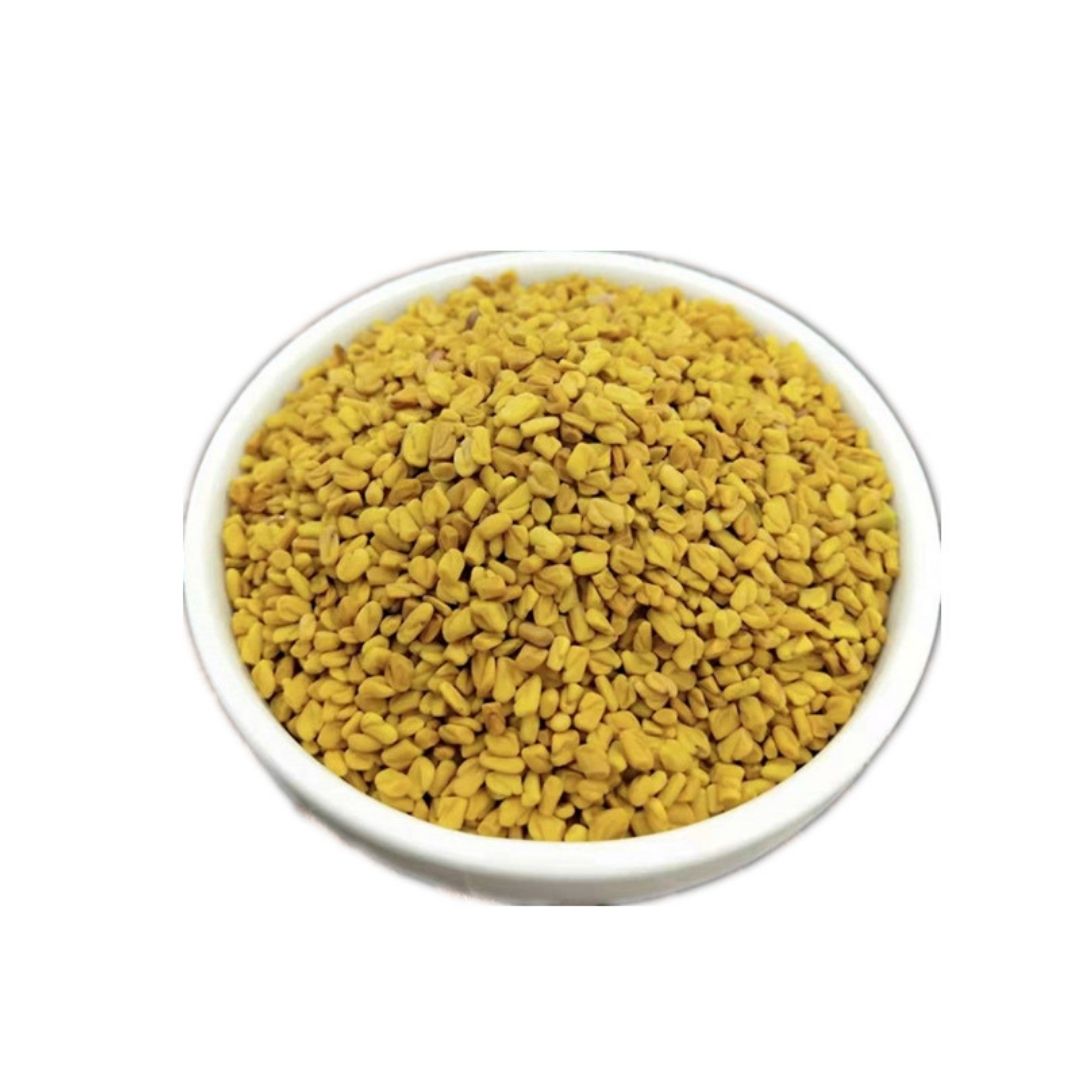
The yellowish-brown seeds are small, hard, and rhomboid in shape, exhibiting a slightly bitter taste and a distinctive, sweet aroma often compared to maple syrup or burnt sugar. This unique flavor profile is attributed to compounds like sotolon. Fenugreek seeds are a rich source of several bioactive compounds, including trigonelline, coumarin, and galactomannan, which contribute to its flavor and potential health benefits.
Beyond its culinary applications, fenugreek has been traditionally used in medicine for its purported effects on lactation, digestion, and blood sugar regulation. Fenugreek is also used as animal feed, improving growth and milk production in livestock. The versatility of fenugreek spans various industries, making it a valuable crop worldwide. The seeds can be used whole, ground into a powder, or sprouted. Fenugreek leaves are also edible and used as a vegetable in some cuisines.
Aromatic Chemical Composition
The aromatic profile of fenugreek is attributed to a complex mixture of volatile compounds. Sotolon (3-hydroxy-4,5-dimethyl-2(5H)-furanone) is one of the primary contributors to its characteristic maple-like aroma. Other volatile compounds identified in fenugreek include terpenes, pyrazines, and aldehydes, collectively contributing to its overall scent and flavor.
What Types of Products Are Available?
Fenugreek is available in several forms to suit a variety of applications:
- Whole Seeds: Used in pickling spices, spice blends, and for sprouting.
- Ground Powder: Used as a spice in cooking, added to curry powders, and used in dietary supplements.
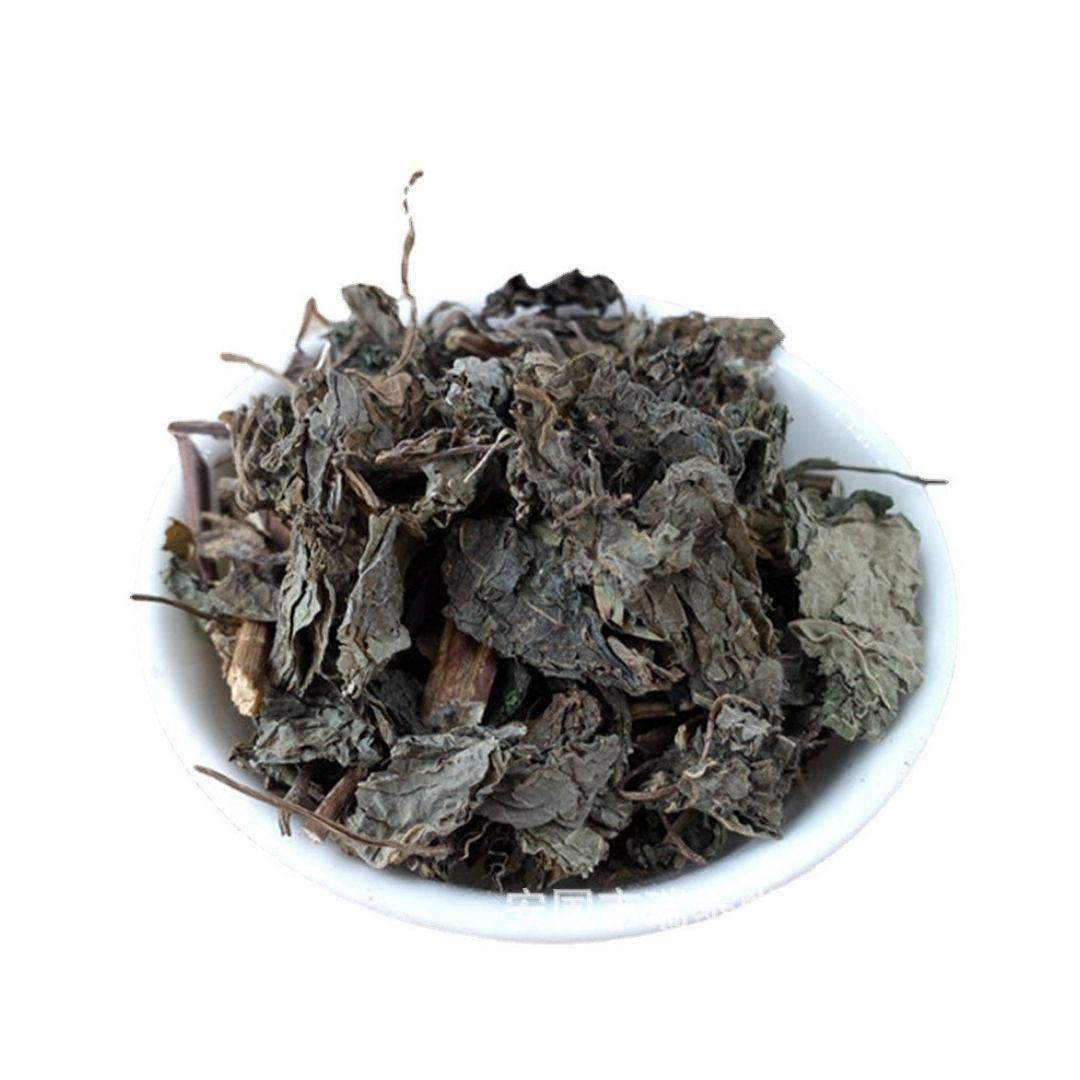
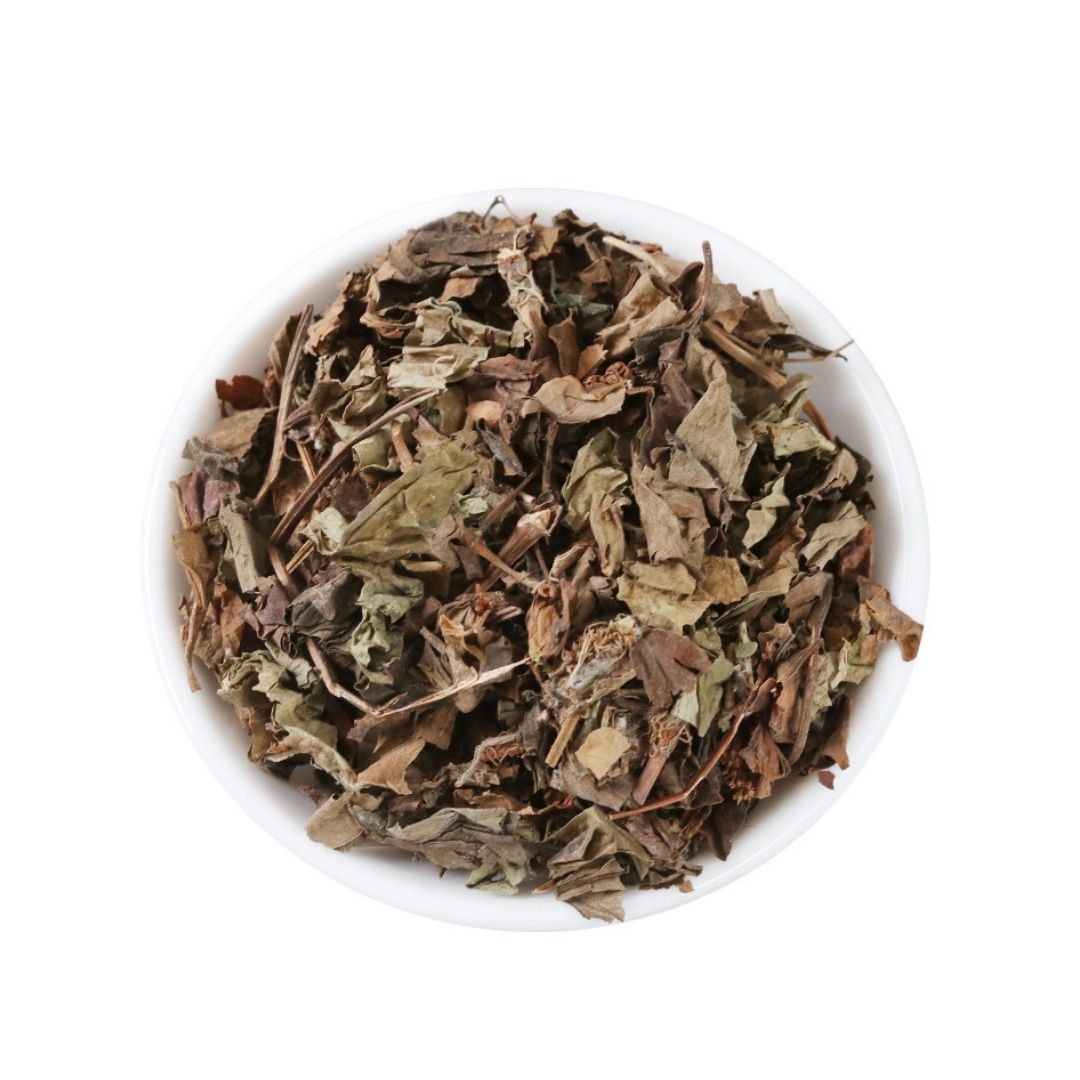
- Fenugreek Leaves: Available fresh or dried, used as a leafy vegetable, or as a flavoring agent.
- Fenugreek Extracts: Concentrated forms used in dietary supplements and flavoring applications.
- Fenugreek Oil: Extracted from the seeds, used in aromatherapy and traditional medicine.
Application Scenarios and Usage Dosage
Fenugreek is widely employed in culinary applications, particularly in Indian, Middle Eastern, and North African cuisines. The seeds are often toasted lightly to enhance their flavor and reduce bitterness. In Indian cuisine, fenugreek seeds and leaves (methi) are integral to curries, dals, and vegetable dishes. For example, in dishes like aloo methi (potato and fenugreek), the leaves impart a unique, slightly bitter flavor that complements the potatoes. In South Indian cuisine, fenugreek is a key ingredient in sambar, a lentil-based vegetable stew.
In Middle Eastern cuisine, fenugreek is used in spice blends like ras el hanout, adding depth and complexity to tagines and meat dishes. In Yemen, fenugreek is the primary ingredient in hilbeh, a whipped fenugreek relish served with various meals.
Fenugreek can enhance the flavor of baked goods. It is sometimes added to bread recipes to impart a subtle sweetness and aroma. The seeds can be ground into a powder and added to dough or used whole in smaller quantities.
When using fenugreek, it is important to consider the dosage carefully. The strong flavor can easily overpower a dish if used in excess. For whole seeds, a typical starting dosage is about 1/4 to 1/2 teaspoon per serving. For ground fenugreek, reduce the dosage to about 1/8 to 1/4 teaspoon per serving. Adjust according to personal taste preferences.
For fenugreek leaves, a larger quantity can be used. Fresh leaves can be used in amounts ranging from 1/2 cup to 1 cup per serving, depending on the dish and desired intensity. Dried leaves should be used sparingly, typically about 1 to 2 teaspoons per serving, as the flavor becomes more concentrated upon drying.
Fenugreek sprouts are also used in salads and sandwiches. They have a milder, slightly sweet flavor compared to the seeds and leaves.
Introduction to the Source Plant, Distribution, and Growing Environment
Fenugreek (Trigonella foenum-graecum) is an annual plant that belongs to the Fabaceae family, growing to a height of 2 to 3 feet. The plant features trifoliate leaves similar to clover, from which it derives its genus name, Trigonella, meaning "little triangle." It produces slender pods that contain 10–20 yellowish-brown seeds.
Originating in the Mediterranean region, fenugreek is now cultivated in various parts of the world, including India, North Africa, the Middle East, and parts of Europe and Australia. India is one of the largest producers of fenugreek, with significant cultivation in Rajasthan, Gujarat, and other states.
Fenugreek thrives in well-drained soil and requires plenty of sunlight. It prefers a slightly acidic to neutral soil pH, ideally between 6.0 and 7.0. The plant is relatively drought-tolerant and can grow in semi-arid conditions, making it suitable for cultivation in regions with limited water resources. It is typically sown in late autumn or early spring, depending on the local climate, and requires a growing season of about 100 to 120 days to reach maturity.
Harvesting, Processing, and Storage Preservation
Fenugreek is typically harvested when the pods turn yellow and begin to dry. The entire plant is usually cut and left to dry in the sun for several days. Once the pods are fully dry, they are threshed to release the seeds. Threshing can be done manually by beating the dried plants or mechanically using threshing machines.
After threshing, the seeds are cleaned to remove any remaining plant debris, dust, and other impurities. Cleaning is often done using sieves or air separators. The cleaned seeds are then dried further to reduce their moisture content to a safe level for storage, typically around 8-10%. Proper drying prevents the growth of mold and bacteria, which can spoil the seeds.
To maintain the quality and prevent the loss of flavor, store in airtight containers in a cool, dark, and dry place. Avoid exposure to direct sunlight and heat, as these can degrade the volatile oils and reduce the spice's potency. Under proper conditions, fenugreek seeds can be stored for several years without significant loss of quality. Ground fenugreek, however, has a shorter shelf life due to its increased surface area, which makes it more susceptible to oxidation and loss of flavor. It is best to grind fenugreek seeds fresh as needed, or store for no more than six months.
Citations:
- Qin, Y., et al. "Chemical composition, anti-oxidant, anti-inflammatory, and anti-tyrosinase activities of seed essential oil from fenugreek." Industrial Crops and Products 84 (2016): 145-152.
- Acharya, N., and S. Shrivastava. "Fenugreek: an updated review of potential benefits." International Journal of Chemical Studies 5.4 (2017): 17-23.
Mia Wu

Hi, I’m Mia Wu! I love helping customers discover the best natural ingredients for their products. With a passion for herbs, spices, and fungi, I work to make sure you get only the finest raw materials. Let's grow together! 🌱✨