

Product Introduction
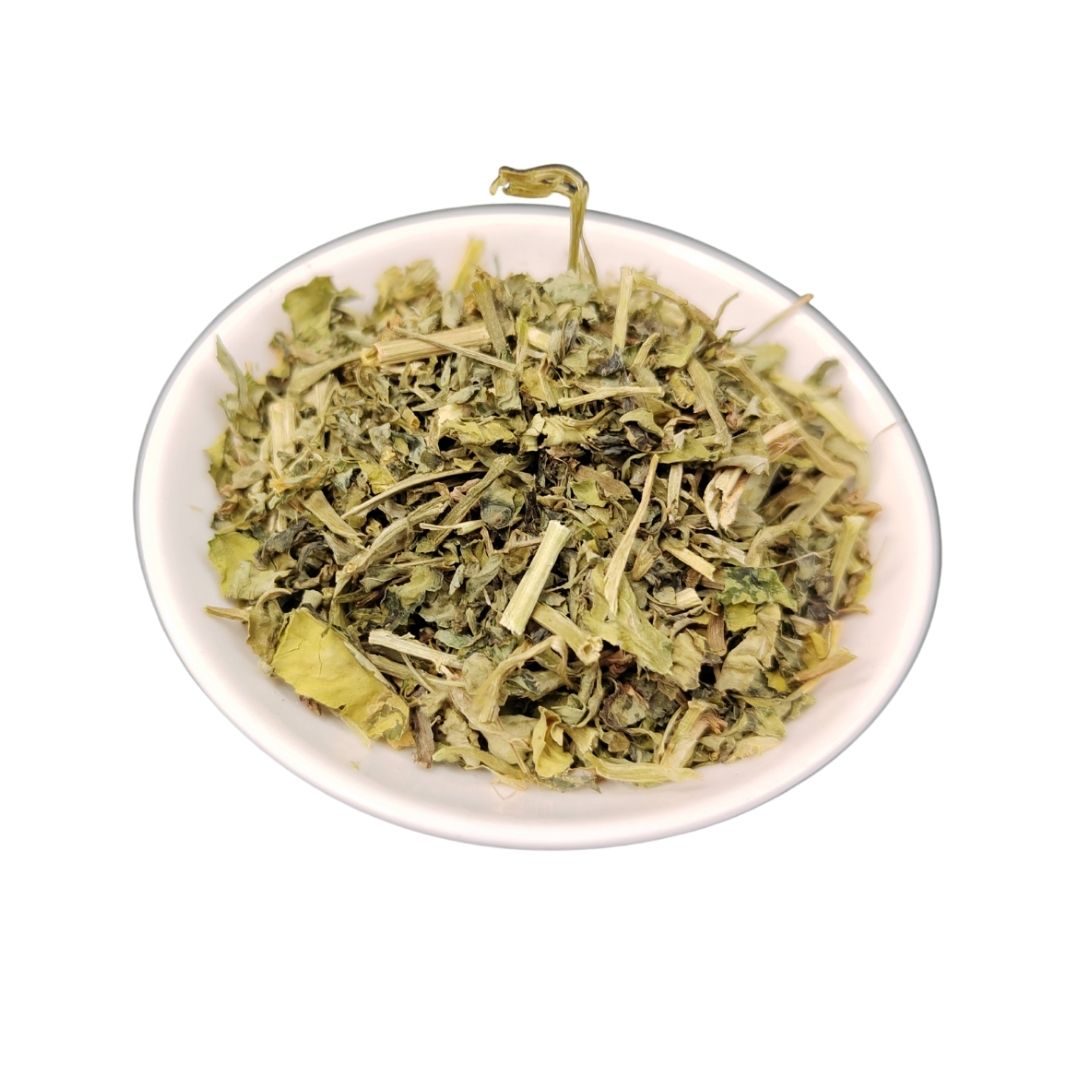
Fenugreek leaves, commonly known as Kasuri Methi, are the dried leaves of the fenugreek plant (Trigonella foenum-graecum). This herb is integral to many cuisines, particularly in India, the Middle East, and North Africa, where it is valued for its distinct aroma and subtly bitter taste. The fenugreek plant is an annual herb that belongs to the Fabaceae family and is cultivated for both its seeds and leaves.
The leaves, typically harvested before the plant flowers, are dried to concentrate their flavors, resulting in the Kasuri Methi used in culinary applications. The drying process enhances the aromatic compounds, making the dried leaves more potent than fresh ones. Upon cooking, fenugreek leaves impart a unique, slightly sweet, and nutty flavor, often described as reminiscent of maple syrup or burnt sugar, which enhances the complexity of various dishes.
In traditional medicine, fenugreek leaves are also recognized for their potential health benefits, attributed to their rich nutritional profile and bioactive compounds. They contain essential vitamins, minerals, and antioxidants that contribute to overall well-being. However, their primary use remains in the culinary realm, where they serve as a versatile flavoring agent.
Kasuri Methi is commonly used in curries, stews, vegetable dishes, and bread, where it adds depth and warmth to the flavor profile. The leaves can be used whole, crushed, or ground into a powder for ease of incorporation into recipes. Their ability to blend seamlessly with other spices makes them a staple in many spice blends and seasonings, contributing a distinctive note that elevates the overall taste.
Aromatic Chemical Composition
The aromatic profile of fenugreek leaves is complex, arising from a variety of volatile and non-volatile compounds. Key among these is sotolon, which is largely responsible for the characteristic maple syrup or burnt sugar aroma. Sotolon occurs naturally and is also found in other plants and aged sake [1].
Another significant compound is 3-hydroxy-4,5-dimethyl-2(5H)-furanone (HDMF), which contributes to the sweet and caramel-like notes. Coumarin, known for its sweet, vanilla-like scent, is also present, adding to the overall aroma complexity. Trigonelline, a betaine derivative, while not directly aromatic, contributes to the flavor profile and undergoes changes during cooking that enhance the overall sensory experience [2].
Other volatile compounds, including terpenes, aldehydes, and ketones, further contribute to the nuanced aroma of fenugreek leaves. The combination of these compounds creates a distinctive and appealing scent that enhances the culinary applications of Kasuri Methi.
What Types of Products Are Available?
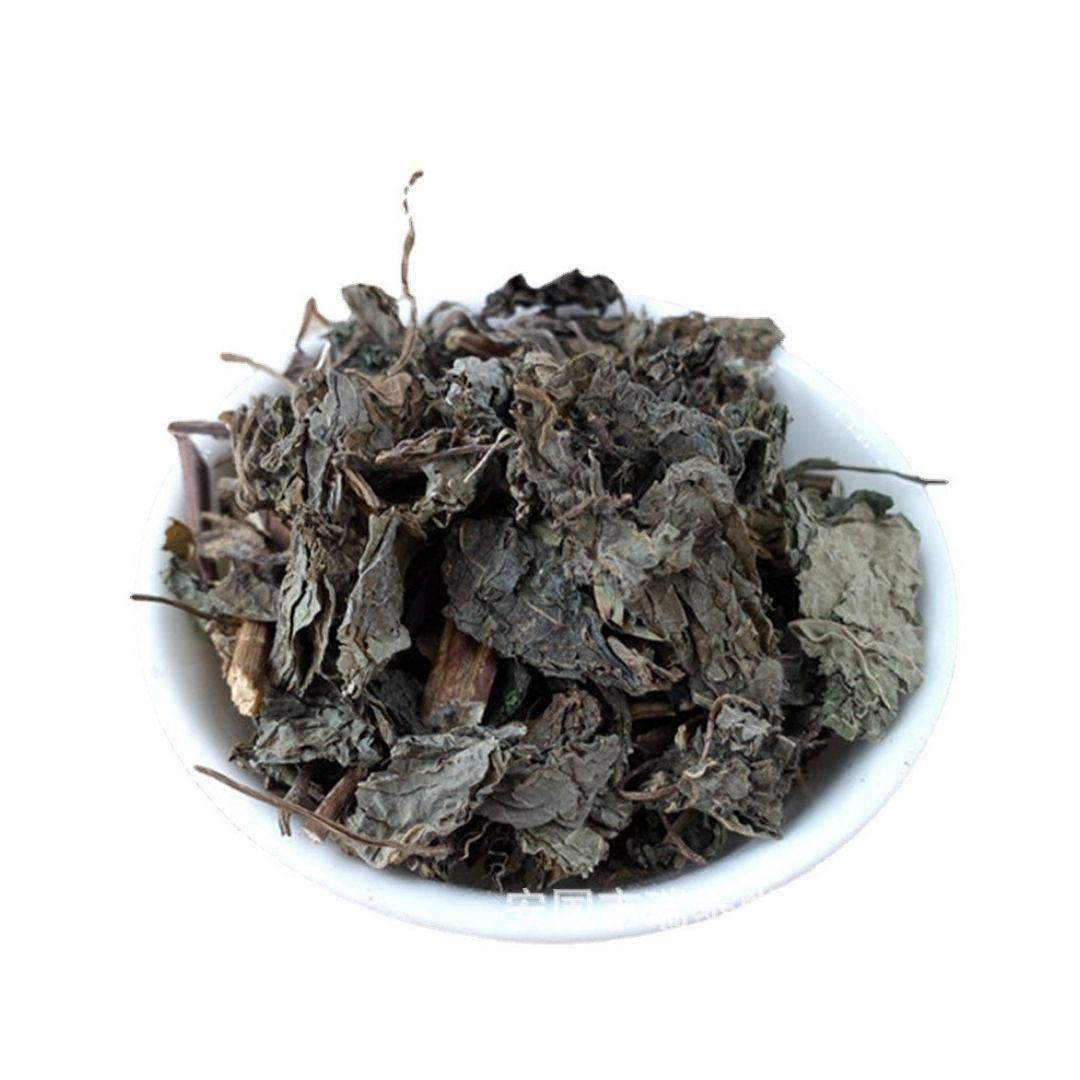
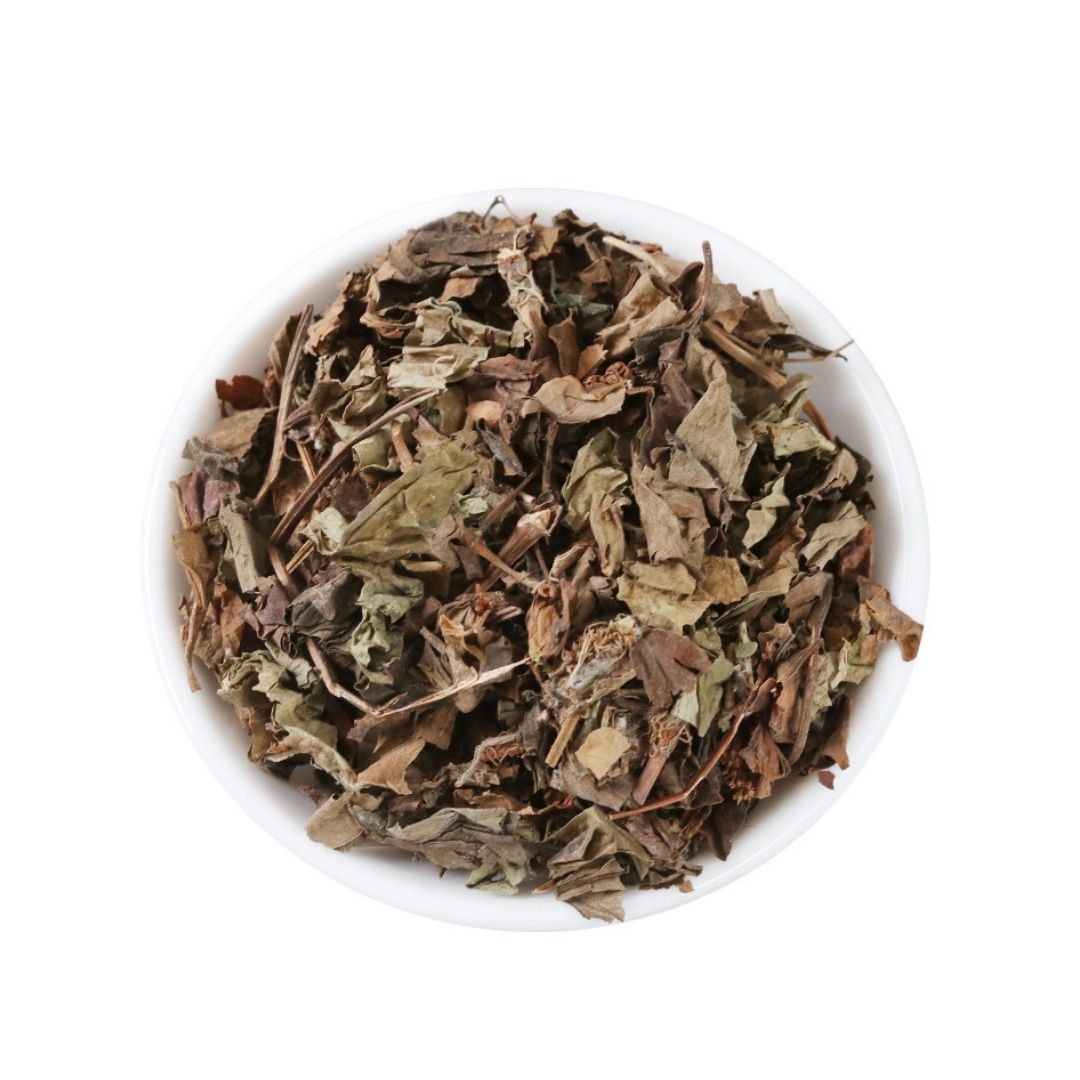
Fenugreek leaves are available in several forms to suit different culinary needs. The most common form is dried fenugreek leaves, sold either whole or crushed. Whole dried leaves retain their aroma longer and can be crushed just before use to maximize flavor [3].
Crushed fenugreek leaves are more convenient for direct use in recipes, offering a quicker way to incorporate the spice into dishes. Fenugreek leaf powder is another option, providing a fine texture that blends seamlessly into spice mixes, sauces, and dry rubs.
Some suppliers also offer fenugreek leaf extracts or oleoresins, which are concentrated forms of the spice’s flavor and aroma. These extracts are typically used in the food industry for flavoring processed foods and beverages. Organic fenugreek leaves are available for consumers seeking products grown without synthetic pesticides and fertilizers.
Application Scenarios and Usage Dosage
Fenugreek leaves are widely used in culinary applications, particularly in Indian, Middle Eastern, and North African cuisines. In Indian cooking, Kasuri Methi is a staple in curries, such as butter chicken, dal makhani, and various vegetable dishes. It is often added towards the end of cooking to preserve its aroma and prevent it from becoming bitter [4].
In bread making, fenugreek leaves are incorporated into doughs to impart a unique flavor and aroma. Methi paratha, a popular Indian flatbread, features fenugreek leaves as a key ingredient, providing both flavor and nutritional value. The leaves can also be sprinkled on top of naan bread or added to roti for an extra layer of flavor.
In Middle Eastern cuisine, fenugreek leaves are used in stews and tagines, adding depth and complexity to the flavor profile. They pair well with meats, vegetables, and legumes, enhancing the overall taste of the dish. In North African cooking, fenugreek leaves are sometimes used in spice blends, such as ras el hanout, adding a subtle yet distinctive note [5].
The dosage of fenugreek leaves varies depending on the recipe and personal preference. As a general guideline, 1 to 2 teaspoons of dried, crushed fenugreek leaves are sufficient for flavoring a dish serving four to six people. For stronger flavor, the dosage can be adjusted upward, but it is advisable to start with a smaller amount and add more to taste, as excessive use can result in a bitter flavor.
When using fenugreek leaf powder, the dosage should be reduced, as the powder is more concentrated. A quarter to half a teaspoon of powder is usually sufficient for flavoring a similar quantity of food. The powder is best added early in the cooking process to allow the flavors to meld properly [6].
For liquid-based dishes like soups and sauces, fenugreek leaves can be added directly to the liquid and allowed to simmer, infusing the flavors over time. In dry dishes, such as stir-fries, the leaves can be sprinkled over the ingredients towards the end of cooking.
Toasting fenugreek leaves before use can enhance their flavor and aroma. Lightly toasting the leaves in a dry pan for a few minutes releases their essential oils, making them more fragrant and flavorful. However, it is important to avoid burning the leaves, as this can result in a bitter taste [7].
Introduction to the Source Plant, Distribution, and Growing Environment
The fenugreek plant (Trigonella foenum-graecum) is an annual herb belonging to the Fabaceae family. It grows to a height of 60 to 90 cm (2 to 3 feet), with trifoliate leaves resembling clover. The plant produces small, white or yellowish-white flowers, which develop into long, slender pods containing yellowish-brown seeds [8].
Fenugreek is believed to have originated in the Near East, and it has been cultivated since ancient times. Today, it is widely grown in India, North Africa, the Middle East, and parts of Europe. India is the largest producer of fenugreek, accounting for a significant portion of the global production.
The plant thrives in well-drained soil and requires full sun for optimal growth. It is relatively drought-tolerant and can grow in a variety of soil types, including sandy and loamy soils. The plant prefers a slightly acidic to neutral soil pH [9].
Fenugreek is typically grown as a rotational crop, improving soil fertility by fixing nitrogen in the soil through its root nodules. It is also used as a cover crop to prevent soil erosion and suppress weed growth. The plant is relatively easy to cultivate, making it a popular choice among farmers in many regions [10].
Harvesting, Processing, and Storage Preservation
Fenugreek leaves are typically harvested before the plant flowers, as this is when they have the most flavor and aroma. The leaves are cut from the plant and then dried to reduce their moisture content, which concentrates their flavors and preserves them for long-term storage.
The drying process can be done in several ways, including sun-drying, shade-drying, and mechanical drying. Sun-drying involves spreading the leaves in a thin layer on a clean surface and allowing them to dry in direct sunlight. This method is effective in hot, dry climates but can take several days and requires frequent turning of the leaves to ensure even drying [11].
Shade-drying involves spreading the leaves in a well-ventilated area away from direct sunlight. This method is slower than sun-drying but helps to preserve the color and aroma of the leaves. Mechanical drying involves using a dehydrator or oven to dry the leaves at a controlled temperature. This method is the fastest and most efficient but requires careful monitoring to prevent the leaves from overheating and losing their flavor [12].
Once the leaves are thoroughly dried, they are typically crumbled or ground into a powder. The dried leaves should be stored in an airtight container in a cool, dry, and dark place to maintain their flavor and aroma. Proper storage is essential to prevent the leaves from becoming stale or moldy.
To preserve the quality of fenugreek leaves, it is important to minimize exposure to air, light, and moisture. The container should be tightly sealed to prevent air from entering, and it should be stored in a dark place to protect the leaves from light degradation. Adding a desiccant packet to the container can help to absorb any excess moisture and prolong the shelf life of the leaves [13].
With proper harvesting, processing, and storage, fenugreek leaves can maintain their flavor and aroma for several months, providing a valuable and versatile spice for culinary applications.
Citations:
- Pinu, F. R., Villarino, N., McLachlan, D., & Cordero, C. (2023). Revisiting the Aroma Chemistry of Aged Sake. Foods, 12(3), 545.
- Ajay, P. P., & Madhava Naidu, M. (2020). Fenugreek seed extract inhibits adipogenesis and lipid accumulation in 3T3-L1 adipocytes via modulation of PPARγ and C/EBPα expression. Biofactors (Oxford, England), 46(2), 251–260.
- Zubair, M. F., Abid, A., Sajid, M. W., Farooq, M. A., Cheema, R. A., & Khan, M. A. (2020). Fenugreek (Trigonella foenum-graecum L.): An Overview of Processing, Nutritional Composition and Bioactive Compounds. Pakistan Journal of Food Sciences, 30(3).
- Acharya, N. S., LewisOscar, F., Shivanna, H., Narayanarao, K., & Bhat, S. (2006). Studies on the effect of incorporation of fenugreek leaves on the quality characteristics of bread. International Journal of Food Science & Technology, 41(6), 681–686.
- Charrouf, Z., & Guillaume, D. (2007). Phenols, flavonoids and antioxidant activity of common spices and vegetables from Morocco. Journal of Food Composition and Analysis, 20(7), 671–676.
- Petit, P. R., Sauvaire, Y. D., Hillaire-Buys, D. M., Leconte, A., Baissac, Y. G., حمض, A. H., & Ribes, G. R. (1995). Steroidal saponins from fenugreek seeds: Extraction, purification, and pharmacological investigation on feeding behavior and plasma cholesterol. Steroids, 60(10), 674–680.
- Raju, S., Kumar, P., Katariya, P., Tanwar, B. S., & Nain, L. (2018). Roasting induced structural and functional changes in fenugreek (Trigonella foenum-graecum) seeds and their impact on antioxidant and antiglycation potential. Journal of Food Science and Technology, 55(9), 3447–3455.
- Mehraban, F., Jelodar, G., & Rahmanifar, F. (2012). Effect of fenugreek seeds on serum lipid profile and lipoprotein(a) in hypercholesterolemic postmenopausal women. Journal of Menopausal Medicine, 18(1), 28–33.
- Hossain, M. M., Wani, S. H., Lone, B. A., Bhat, M. A., Hamid, A., & Mir, Z. A. (2021). Is fenugreek (Trigonella foenum-graecum l.) a future crop for sustainable agriculture: An updated review. Journal of Agricultural Science, 13(8), 105.
- Yadav, U. C., Mishra, D. P., Singh, N., & Eaton, T. H. (2014). Fenugreek: an alternative crop for sustainable agriculture. Journal of Sustainable Development, 7(6), 159.
- Singh, A., & Singh, S. (2021). Effect of drying methods on quality parameters of fenugreek leaves. Journal of Agriculture and Ecology, 11, 111-116.
- Tuncel, N. B., & Yildiz, O. (2016). The effects of different drying methods on the colour, total phenolic content and antioxidant capacity of fenugreek sprouts. Food Science and Technology, 36, 582-589.
- Semwal, A. D., Padmashree, T. S., & Devee, Y. (2014). Effect of packaging materials on storage stability of fenugreek leaves. Journal of Food Science and Technology, 51, 1194-1201.
Mia Wu

Hi, I’m Mia Wu! I love helping customers discover the best natural ingredients for their products. With a passion for herbs, spices, and fungi, I work to make sure you get only the finest raw materials. Let's grow together! 🌱✨