

Product Introduction
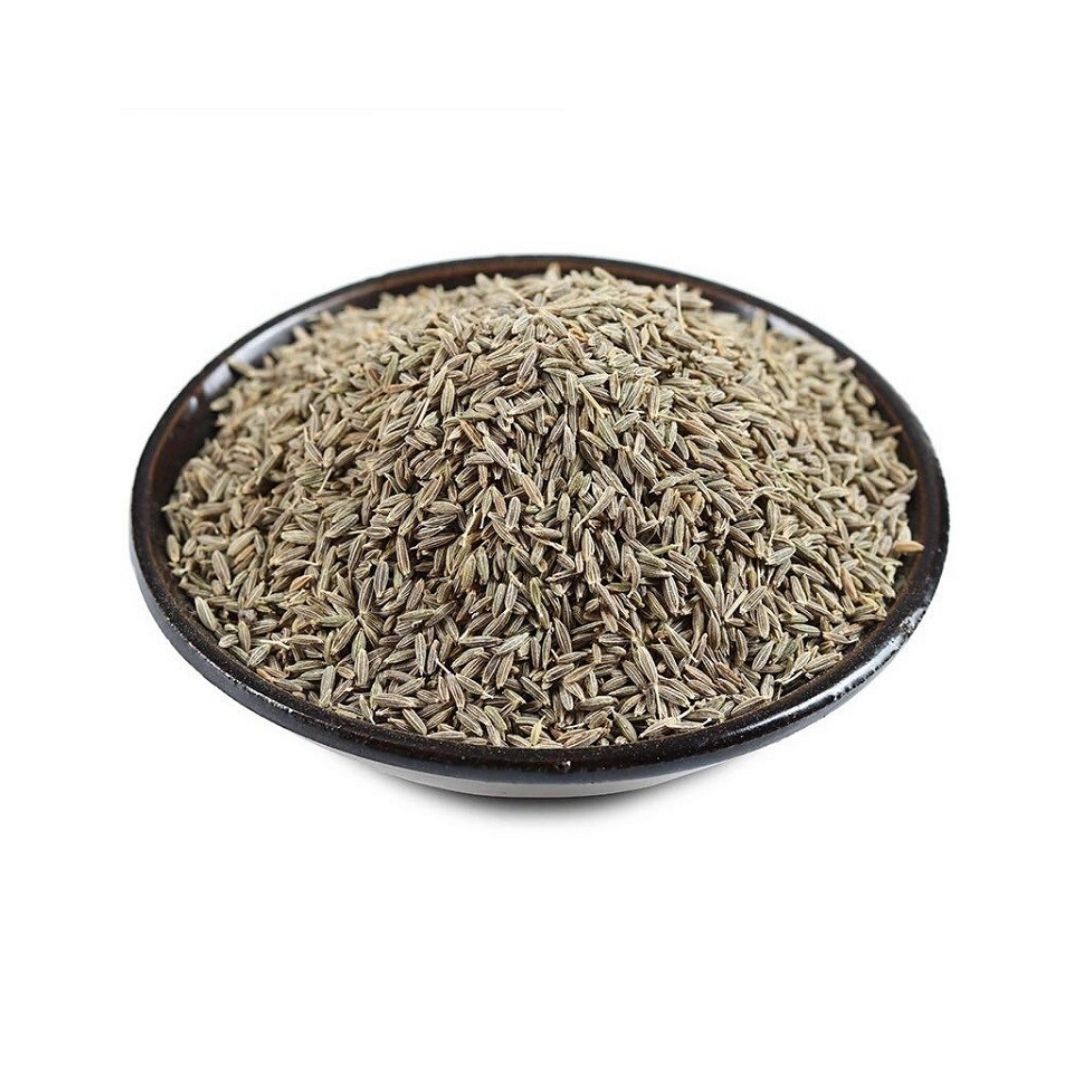
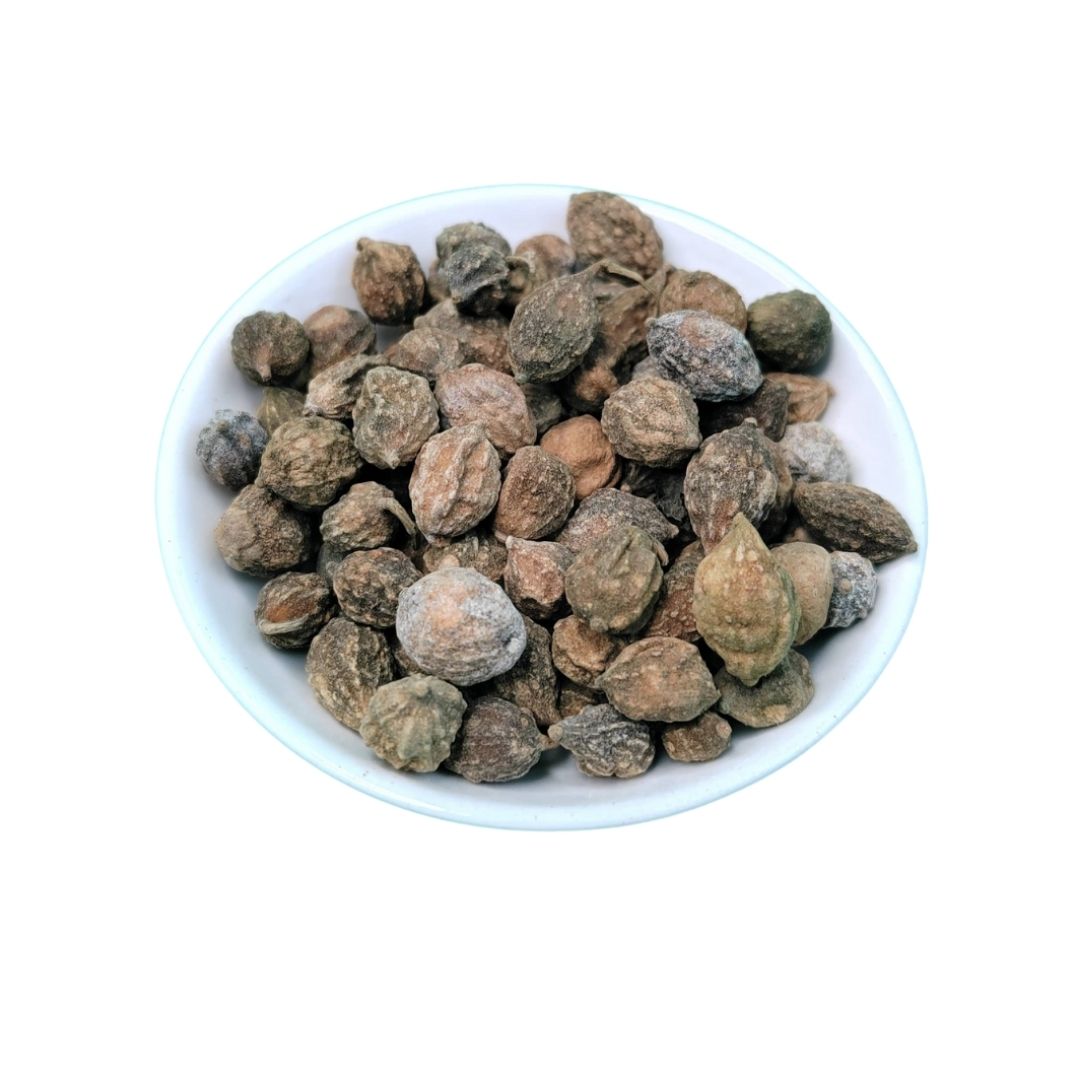
Fenugreek, scientifically known as Trigonella foenum-graecum, is a plant primarily cultivated for its seeds, which are widely used as a spice. The plant belongs to the Fabaceae family and is native to the Mediterranean region, though it is now grown in various parts of the world, including India, North Africa, and parts of Europe. The seeds are small, hard, and typically yellowish-brown in color. They are available in both whole and ground forms, catering to different culinary requirements.
The characteristic aroma of fenugreek is strong and somewhat peculiar, often described as maple-like, which is attributed to a compound called sotolon. The taste also has a distinct profile, featuring a slightly bitter undertone. This bitterness mellows when the seeds are cooked or roasted, revealing a more nuanced flavor.
Fenugreek seeds are composed of various chemical constituents, including trigonelline, which can influence flavor development during heating. Coumarin, another component, contributes to its aromatic profile. The seeds also contain flavonoids and saponins, which are of interest for their potential health-related properties.
In culinary applications, fenugreek is integral to many cuisines, particularly Indian cuisine, where it is used in curries, vegetable dishes, and spice blends. It is also used in Middle Eastern and North African dishes. Beyond its culinary use, fenugreek has a history in traditional medicine, with claims of benefits related to digestion, lactation, and blood sugar management. However, it's essential to note that its medicinal uses should be approached with caution and under the guidance of a healthcare professional. Proper storage is key to preserving fenugreek's flavor and potency; it should be kept in a cool, dry place, away from direct light.
Aromatic Chemical Composition
The aromatic profile of fenugreek is complex, arising from a variety of volatile organic compounds. Sotolon is a key component, imparting a maple syrup-like aroma that is characteristic of fenugreek. Other compounds, like pyrazines, contribute nutty and roasted notes to its overall scent. Furaneol, also present, adds a caramel-like sweetness. The specific composition can vary depending on the origin, growing conditions, and processing methods used for the fenugreek seeds. These aromatic compounds are substantially impacted by heat, which is why cooking or roasting fenugreek seeds changes their aroma and flavor profile.
What Types of Products are Available?
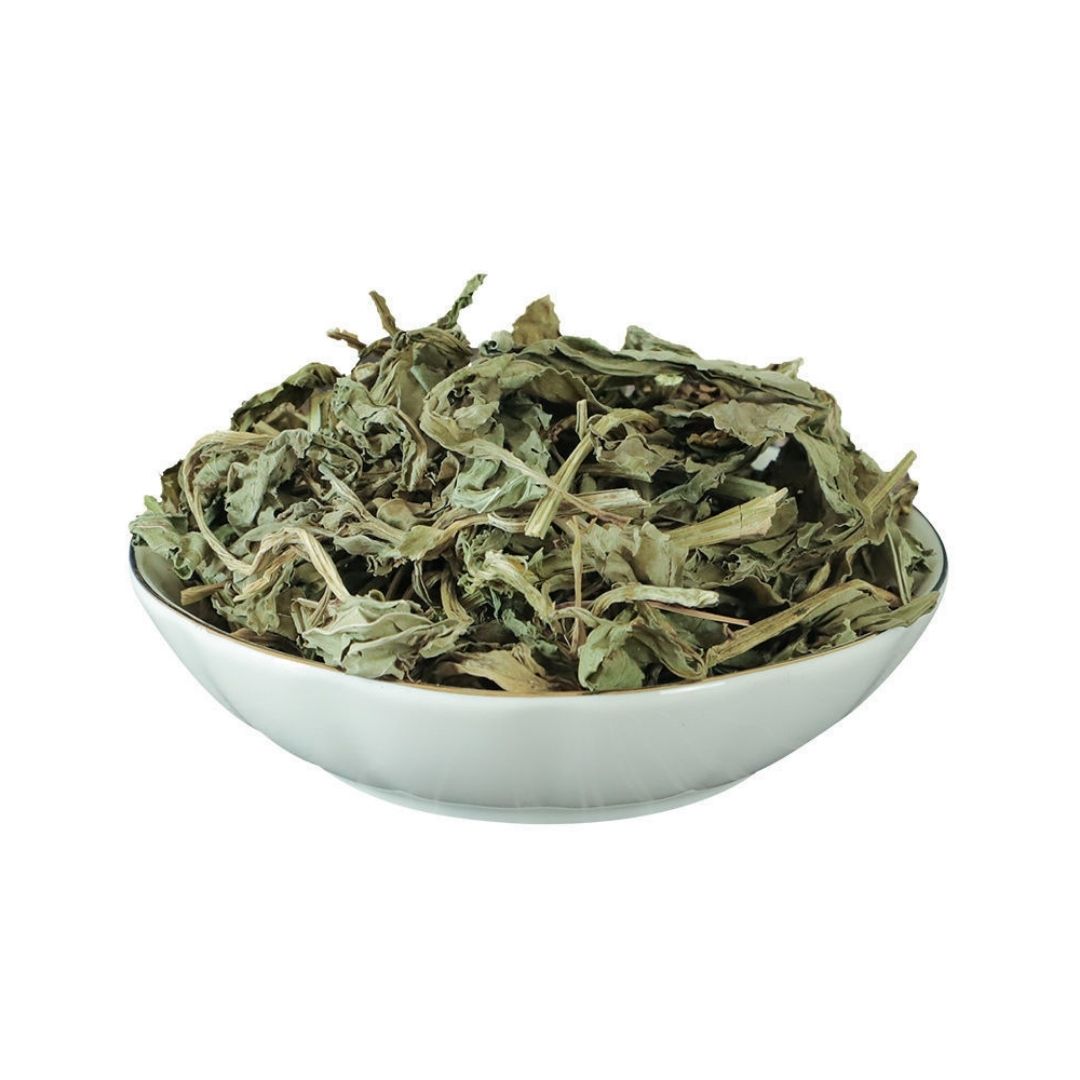
Fenugreek is available in several product forms to suit different uses. Whole fenugreek seeds are commonly sold and used, retaining the spice's essential oils for a longer shelf life. Ground fenugreek is also available, offering convenience in cooking and blending, as it mixes more easily into recipes. Fenugreek leaves, both fresh and dried, are sold as an herb and have a milder flavor compared to the seeds. Fenugreek extracts and oils are created for flavoring and fragrance applications, concentrating the aroma compounds. Fenugreek is also often found as an ingredient in spice blends, such as curry powders, adding its distinctive flavor to mixed seasonings.
Application Scenarios and Usage Dosage
Fenugreek serves a multifaceted role in cooking, offering a unique flavor profile that enhances various dishes. In Indian cuisine, fenugreek seeds are a staple in curries, where they lend a slightly bitter but savory depth. A typical usage involves tempering the seeds in hot oil at the beginning of the cooking process, which helps to release their aromatic compounds. The dosage varies based on the type of dish and desired intensity; generally, 1/2 to 1 teaspoon of seeds per serving is a common starting point. Ground fenugreek is also frequently incorporated into spice mixes, like garam masala, where it complements other spices such as cumin, coriander, and cardamom.
Beyond curries, fenugreek finds its place in vegetable dishes. For example, it pairs well with potatoes, spinach, and lentils, adding a distinctive flavor dimension. In these applications, the seeds can be used whole or ground, depending on the recipe. The leaves, both fresh and dried (Kasuri methi), are also used, offering a milder, herbaceous flavor. Kasuri methi, in particular, is often crumbled over dishes as a finishing touch to impart aroma and taste.
In Middle Eastern cuisine, fenugreek is used in dishes like Hilbeh, a Yemeni fenugreek dip, bringing a unique taste. In Ethiopian cuisine, fenugreek is utilized in spice blends like berbere, contributing to its complex flavor profile.
When using fenugreek, it's essential to manage its potential bitterness. Roasting or toasting the seeds before use is a common technique to mellow the flavor, reducing bitterness while enhancing their aroma. Soaking the seeds in water overnight can also help mitigate bitterness, acting as a preparation step for adding them into stews or sauces.
Dosage is a critical factor in achieving the desired flavor balance. Overuse can lead to an excessively bitter taste, so it's advisable to start with small amounts and adjust to taste. In summary, fenugreek is versatile in its culinary applications, offering both seeds and leaves to enhance savory dishes in global cuisines, with careful attention needed to moderate its flavor through preparation and controlled dosage.
Introduction to the Source Plant, Distribution, and Growing Environment
The fenugreek plant, Trigonella foenum-graecum, is an annual herb that grows to a height of about 2 to 3 feet. It features trifoliate leaves similar to clover. The plant produces pods containing small, yellowish-brown seeds, which are the primary source of the spice.
Fenugreek is believed to have originated in the Near East. Today, it is cultivated in many regions worldwide, with India being one of the largest producers. Other growing areas include North Africa, the Middle East, parts of Europe, and even North America.
The fenugreek plant thrives in well-drained soil and prefers a sunny location. It is relatively drought-tolerant, making it suitable for cultivation in semi-arid regions. The plant also requires a moderate temperature range for optimal growth.
Harvesting, Processing, and Storage Preservation
Harvesting fenugreek typically occurs when the seed pods have matured and turned yellow-brown. The entire plant is often cut and left to dry in the sun. Once dried, the seeds are threshed to separate them from the pods.
After harvesting, the seeds may undergo further processing, such as cleaning to remove any remaining plant debris or foreign materials. Some processors may also roast the seeds to enhance their flavor and reduce bitterness.
Proper storage is crucial for maintaining the quality and flavor of fenugreek seeds. They should be stored in an airtight container in a cool, dry, and dark place. This helps to prevent moisture absorption and oxidation, both of which can degrade the spice's flavor and aroma. Properly stored fenugreek seeds can maintain their quality for several years.
Citations
- Duke, J. A. (2002). Handbook of medicinal herbs. CRC press.
- Ensminger, A. H., Ensminger, M. E., Konlande, J. E., & Robson, J. R. K. (1986). Foods & nutrition encyclopedia. Pegus Press.
- Farrell, K. T. (1999). Spices, condiments and seasonings. Aspen Publishers.
- Peter, K. V. (2012). Handbook of herbs and spices (2nd ed.). Woodhead Publishing.
- ఆహారం మరియు వ్యవసాయ సంస్థ. (1995). Spices: A survey of world trade. Rome.
Mia Wu

Hi, I’m Mia Wu! I love helping customers discover the best natural ingredients for their products. With a passion for herbs, spices, and fungi, I work to make sure you get only the finest raw materials. Let's grow together! 🌱✨