

Product Introduction
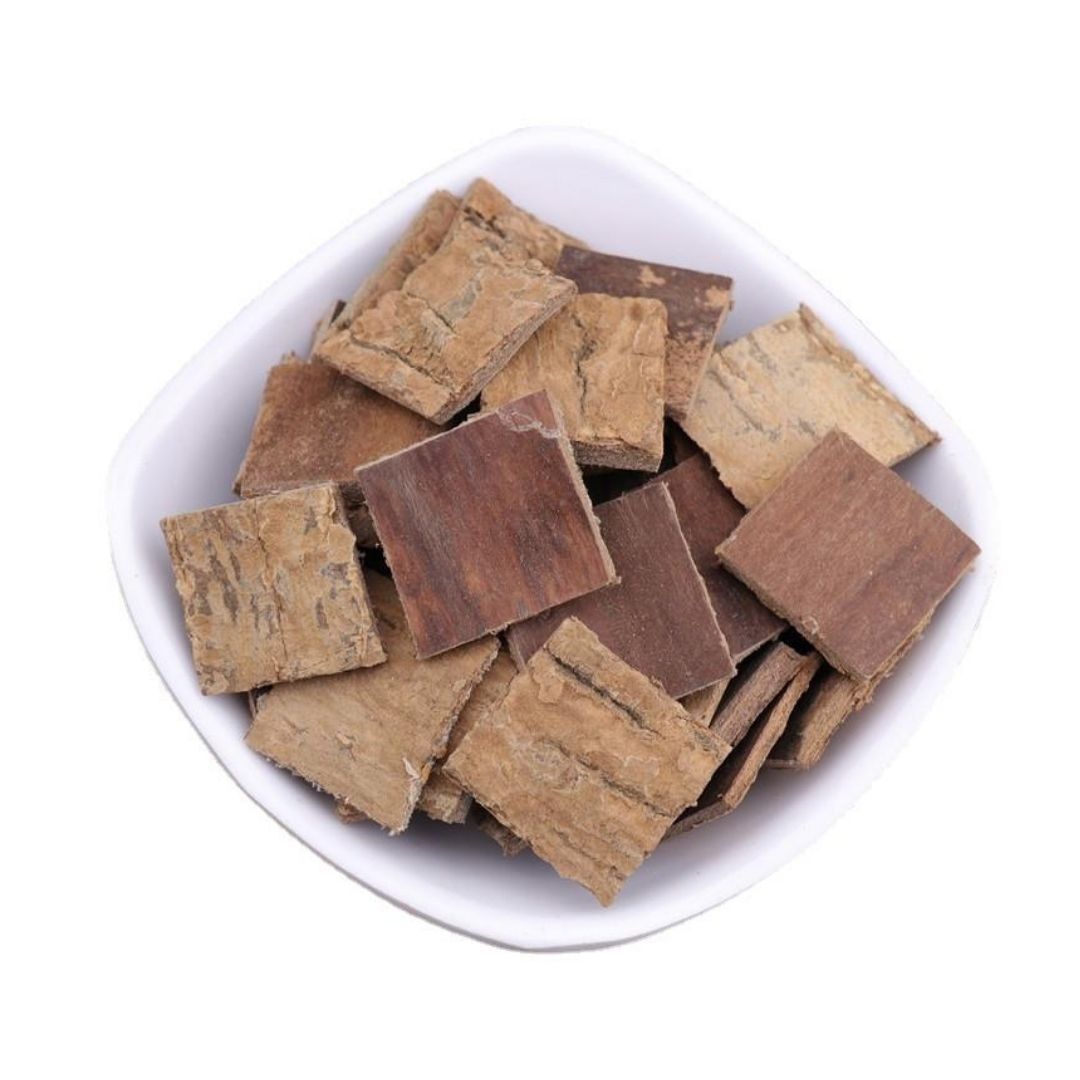
Eucommia ulmoides oliv., commonly known as Du Zhong, is a valuable herb in Traditional Chinese Medicine, derived from the dried bark of the Eucommia ulmoides tree. It is well-regarded for its therapeutic properties, particularly in supporting musculoskeletal health and managing hypertension. The herb is characterized by its unique rubbery texture when broken, attributed to its gutta-percha content. Traditional uses include strengthening the lower back and knees, preventing miscarriage, and promoting overall vitality, particularly in the elderly.
Main Active Ingredients
The therapeutic effects of Eucommia ulmoides are largely attributed to its rich composition of bioactive compounds. Lignans, such as pinoresinol diglucoside, are among the primary active constituents, demonstrating antioxidant and anti-inflammatory properties. Flavonoids, another significant group of compounds, contribute to its cardiovascular benefits, including blood pressure regulation. Additionally, iridoids present in the bark contribute to its overall medicinal value by supporting various physiological functions.
Product Application Scenarios, Usage, and Dosage
Eucommia ulmoides is versatile in its applications, often prescribed for conditions related to kidney and liver deficiencies in TCM, such as lower back pain, weak knees, and impotence. It is also used to prevent miscarriages and support fetal health during pregnancy.
The herb is typically administered in decoctions, where it is boiled with other herbs to extract its medicinal properties. The standard dosage ranges from 10 to 15 grams per day, depending on the specific condition and the patient's overall health. It can also be found in supplementary forms like capsules, tablets, and extracts, offering convenient alternatives for consumption. The dosage should adhere to professional guidelines to maximize efficacy and minimize potential adverse effects.
Introduction to the Source Plant, Distribution, and Growth Environment
The Eucommia ulmoides tree is native to China, and it is the sole species within the Eucommiaceae family. This deciduous tree typically grows to a height of 15 meters. It thrives in temperate climates with well-drained soils. The plant's resilience has led to its cultivation in various regions outside China, including parts of Europe and North America, primarily for medicinal purposes and ornamental value. Its adaptability, combined with its valuable medicinal properties, has made it a subject of interest in botanical and pharmacological studies worldwide.
Harvesting, Processing, and Storage
The bark of Eucommia ulmoides is typically harvested in the spring or summer, when the sap is actively flowing, making it easier to remove the bark from the tree. After harvesting, the bark undergoes processing, which involves drying and often toasting to enhance its medicinal properties and flavor. Traditional methods involve sun-drying, followed by baking or stir-frying to achieve a golden-brown color.
Proper storage is crucial to maintain the herb's potency and prevent degradation. The dried bark should be stored in a cool, dry place, away from direct sunlight and moisture. Airtight containers are recommended to protect it from humidity and pests, and to preserve its active compounds. With appropriate storage, Eucommia ulmoides can retain its therapeutic benefits for several years.
Citations:
- https://www.ncbi.nlm.nih.gov/pmc/articles/PMC6272517/
- https://www.sciencedirect.com/topics/pharmacology-toxicology-and-pharmaceutical-science/eucommia-ulmoides
- https://www.henryford.com/hc/services/integrative-medicine/herbs-supplements/eucommia
Mia Wu

Hi, I’m Mia Wu! I love helping customers discover the best natural ingredients for their products. With a passion for herbs, spices, and fungi, I work to make sure you get only the finest raw materials. Let's grow together! 🌱✨