

Product Introduction
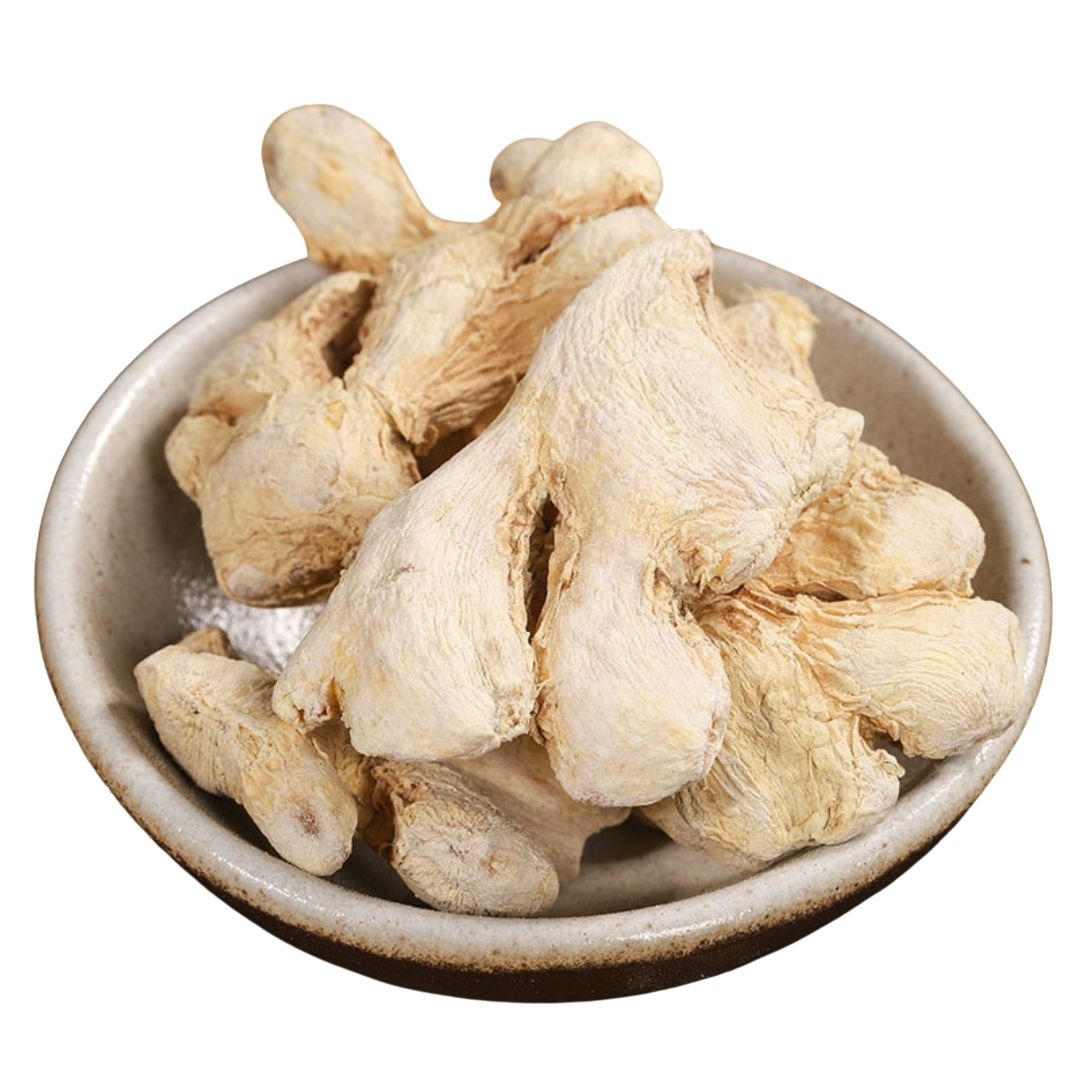
Dried ginger, derived from the rhizome of the Zingiber officinale plant, is a widely used spice and traditional medicine. Originating in Southeast Asia, ginger has been traded and cultivated for thousands of years, and is now common to many tropical and subtropical regions. The drying process reduces moisture content, concentrating the flavor and increasing its shelf life.
The primary components of dried ginger include carbohydrates, fiber, protein, and essential oils. The characteristic pungency comes from compounds like gingerol that transforms into shogaol upon drying, resulting in a spicier profile compared to fresh ginger. It is commonly used in both sweet and savory dishes, teas and beverages, and various medicinal preparations highlighting its versatility.
In culinary applications, dried ginger is often found in spice blends, baked goods, and sauces. Its warm, spicy flavor enhances recipes, and it offers a distinctive taste. Traditional medicine practices employ dried ginger for its anti-inflammatory and digestive benefits, used to alleviate nausea and improve overall well-being.
Overall, dried ginger continues to be a staple ingredient across cultures because of its unique flavor and beneficial properties that have long been recognized and utilized.
Aromatic Chemical Composition
The aromatic profile of dried ginger is attributed to its complex chemical composition, particularly its volatile oils. Zingerone, shogaols, and gingerols are the most important compounds responsible for the characteristic flavor and pungency. Shogaols, formed during the drying process, contribute to the increased spiciness compared to fresh ginger.
- Zingerone: Imparts a sweet, spicy, and warm aroma. As a primary component, zingerone provides much of the distinctive ginger scent especially prominent in cooked ginger products. (Bartley & Jacobs, 2000)
- Shogaols: These compounds are more pungent than gingerols and contribute to the sharp, biting flavor of dried ginger. They are formed when gingerols undergo dehydration during drying or heating. (Shukla & Singh, 2007)
- Gingerols: While more abundant in fresh ginger, gingerols are still present in dried ginger and contribute to its spicy and slightly sweet notes. (Shukla & Singh, 2007)
- β-Sesquiphellandrene: This sesquiterpene contributes to the overall complexity of the aroma, adding subtle woody and earthy undertones. (Connell, 1970)
- Curcumene: Another sesquiterpene, curcumene adds to the spicy and slightly citrusy aspects of the aroma. (Connell, 1970)
These compounds work together to create dried ginger's unique aroma, lending to its widespread use in both culinary and medicinal applications.
What Types of Products Are Available?
Dried ginger is available in several forms to suit a variety of applications:
- Dried Ginger Slices: These are thinly sliced pieces of the ginger rhizome that have been dried. They can be used whole in teas or infusions or ground into a powder.
- Dried Ginger Powder: This is made by grinding dried ginger slices into a fine powder. It is commonly used in baking, spice blends, and culinary dishes due to its ease of use and consistent flavor distribution.
- Dried Ginger Granules: These are small, granulated pieces of dried ginger, often used in instant beverages and food products for quick dissolution and flavor release.
- Dried Ginger Capsules and Supplements: These are used for medicinal purposes, providing a concentrated dose of ginger's active compounds.
Application Scenarios and Usage Dosage
Dried ginger is a versatile spice used extensively in both culinary and medicinal applications. Its warm, spicy flavor enhances a wide range of dishes, while its therapeutic properties have been valued for centuries.
Culinary Applications:
- Baking: Dried ginger powder is a common ingredient in baked goods such as gingerbread, cookies, and cakes. A typical dosage is 1/2 to 1 teaspoon per cup of flour, adding a warm and spicy flavor.
- Spice Blends: It is a key component in many spice blends, like curry powders and garam masala. The amount varies, but it generally makes up 5-10% of the blend, contributing to the overall warmth and complexity.
- Soups and Stews: Add dried ginger to soups and stews to enhance the flavor profile. Use about 1/4 to 1/2 teaspoon per serving, adjusting to taste. It pairs well with lentils, vegetables, and meats.
- Sauces and Marinades: Dried ginger can be incorporated into sauces and marinades for meats, poultry, and tofu. A dosage of 1/2 to 1 teaspoon per pound of meat is recommended, providing a spicy and aromatic dimension.
- Beverages: It's a popular ingredient in teas and other beverages, offering a soothing and spicy flavor. Use 1/4 to 1/2 teaspoon per cup of hot water for tea, or add it to smoothies and juices for an extra kick.
- Asian Cuisine: Very common in Asian dishes, particularly in stir-fries, curries, and noodle dishes. Use 1/2 to 1 teaspoon per dish, adding depth and warmth to the flavors. In Japanese cuisine, it is not uncommon to see ginger paired with sushi or even pickled.
Medicinal Applications:
- Digestive Aid: Dried ginger is known for its digestive benefits and can help alleviate nausea, bloating, and indigestion. For digestive support, consume 1/4 to 1/2 teaspoon of dried ginger powder in warm water or tea after meals.
- Anti-Inflammatory: The anti-inflammatory properties of ginger make it useful for reducing pain and inflammation. Dosage for anti-inflammatory purposes is typically 1/2 to 1 teaspoon per day, taken in divided doses.
- Cold and Flu Relief: Ginger is often used to relieve cold and flu symptoms. Drink ginger tea made with 1/4 to 1/2 teaspoon of dried ginger powder in hot water, adding honey and lemon for extra relief.
Introduction to the Source Plant, Distribution, and Growing Environment
Zingiber officinale, commonly known as ginger, is a rhizomatous herbaceous perennial plant belonging to the Zingiberaceae family. The plant features erect stems, narrow, blade-like leaves, and clusters of greenish-yellow flowers, though it rarely flowers when cultivated.
Distribution:
Ginger is believed to have originated in Southeast Asia, specifically in the regions of India and China. Over centuries, it has spread across the globe through trade and cultivation. Today, it is commercially grown in India, China, Nigeria, Thailand, Indonesia, Nepal, and other tropical and subtropical regions.
Growing Environment:
Ginger thrives in warm, humid climates with well-drained soil. The ideal growing conditions include:
- Climate: Ginger requires temperatures between 20°C and 30°C (68°F and 86°F) and high humidity. It is sensitive to frost and cannot tolerate cold temperatures.
- Soil: Well-drained, loamy soil rich in organic matter is optimal. The soil pH should be slightly acidic, ranging from 6.0 to 6.5.
- Sunlight: Ginger prefers partial shade, especially in hotter climates. It requires adequate sunlight for healthy growth, but direct, intense sunlight can scorch the leaves.
- Water: Consistent moisture is crucial, particularly during the growing season. The soil should be kept consistently moist but not waterlogged to prevent rhizome rot.
- Altitude: Ginger can be grown at altitudes ranging from sea level up to 1,500 meters (approximately 5,000 feet), depending on the specific climate and variety.
Harvesting, Processing, and Storage Preservation
Harvesting:
Ginger is typically harvested when the leaves begin to yellow and the stems start to dry, this is usually around 8-10 months after planting. The rhizomes are carefully dug up, ensuring they are not damaged. The soil is then shaken off, and the roots are removed.
Processing:
- Cleaning: The harvested rhizomes are thoroughly washed to remove any remaining soil and debris.
- Peeling (Optional): Depending on the intended use, the ginger may be peeled to remove the outer skin.
- Slicing: The rhizomes are sliced into thin pieces to increase the surface area for drying.
- Drying: Traditionally, ginger is sun-dried, being spread out on mats or trays and left to dry for several days. The moisture content is reduced to ensure long-term preservation. Modern methods involve using dehydrators or low-temperature ovens to control the drying process and maintain quality. The ginger is dried until it reaches a moisture content of about 10-12%. The goal is to minimize microbial growth.
- Grinding (Optional): For ginger powder, the dried slices are ground into a fine powder using industrial grinders.
Storage Preservation:
Proper storage is essential to maintaining the quality and extending the shelf life based on its final form:
- Dried Ginger Slices: Store in airtight containers in a cool, dry, and dark place. This prevents moisture absorption and preserves the flavor and aroma.
- Dried Ginger Powder: Store in airtight containers in a cool, dry, and dark place away from direct sunlight and heat. Properly stored ginger powder can last up to one year.
- Temperature: Keep the storage temperature below 25°C (77°F) to prevent the degradation of volatile oils and active compounds.
- Humidity: Maintain low humidity levels to prevent mold growth and clumping.
- Packaging: Use moisture-proof packaging materials such as glass jars, plastic containers, or vacuum-sealed bags to protect the dried ginger from environmental elements.
Citations
- Bartley, J. P., & Jacobs, A. L. (2000). Effects of drying on flavour compounds in Australian-grown ginger. Journal of the Science of Food and Agriculture, 80(2), 209–215.
- Connell, D. W. (1970). The volatile oil of ginger. Flavour Industry, 1(12), 836–841.
- Shukla, Y., & Singh, M. (2007). Cancer preventive properties of ginger: A brief review. Food and Chemical Toxicology, 45(5), 683–696.
Mia Wu

Hi, I’m Mia Wu! I love helping customers discover the best natural ingredients for their products. With a passion for herbs, spices, and fungi, I work to make sure you get only the finest raw materials. Let's grow together! 🌱✨