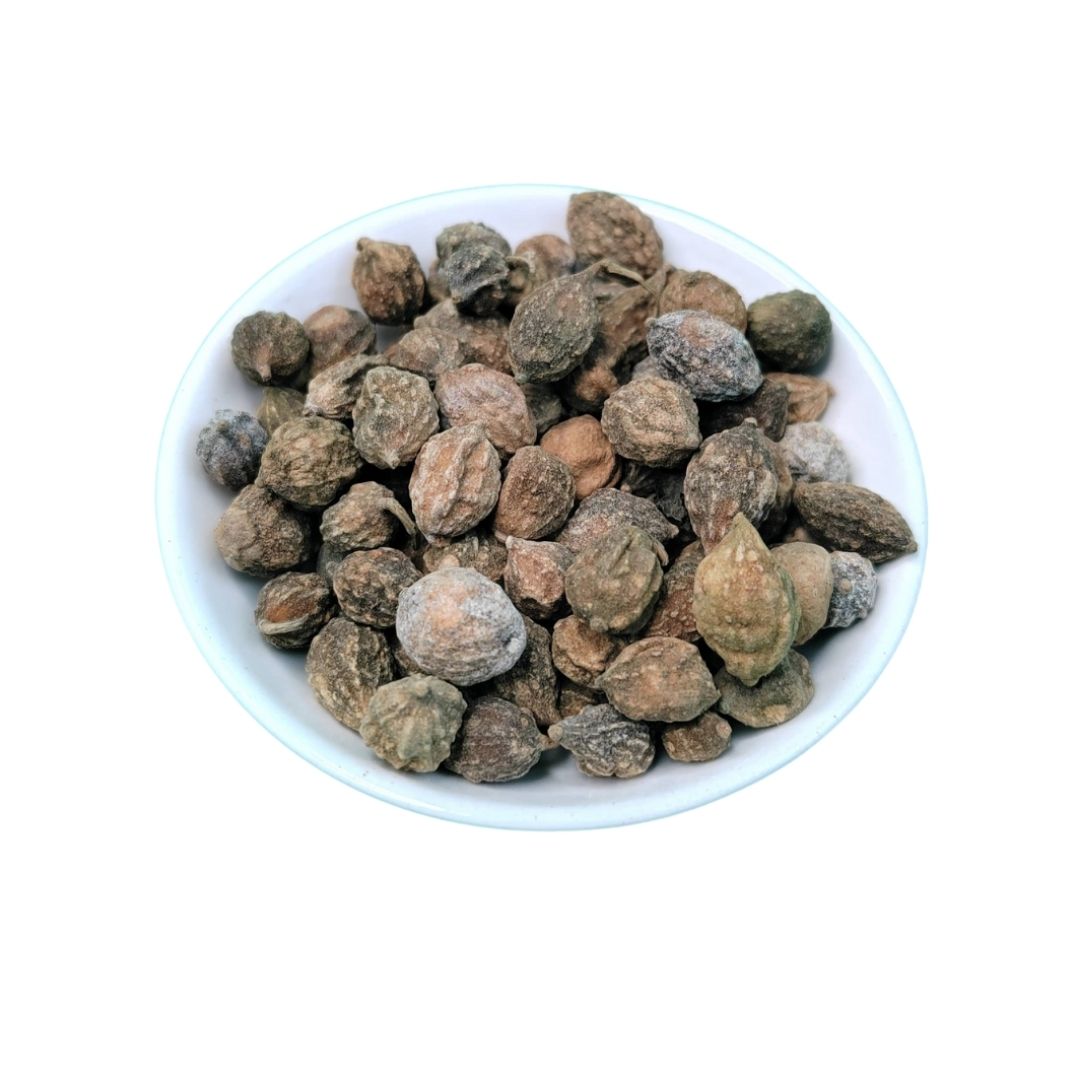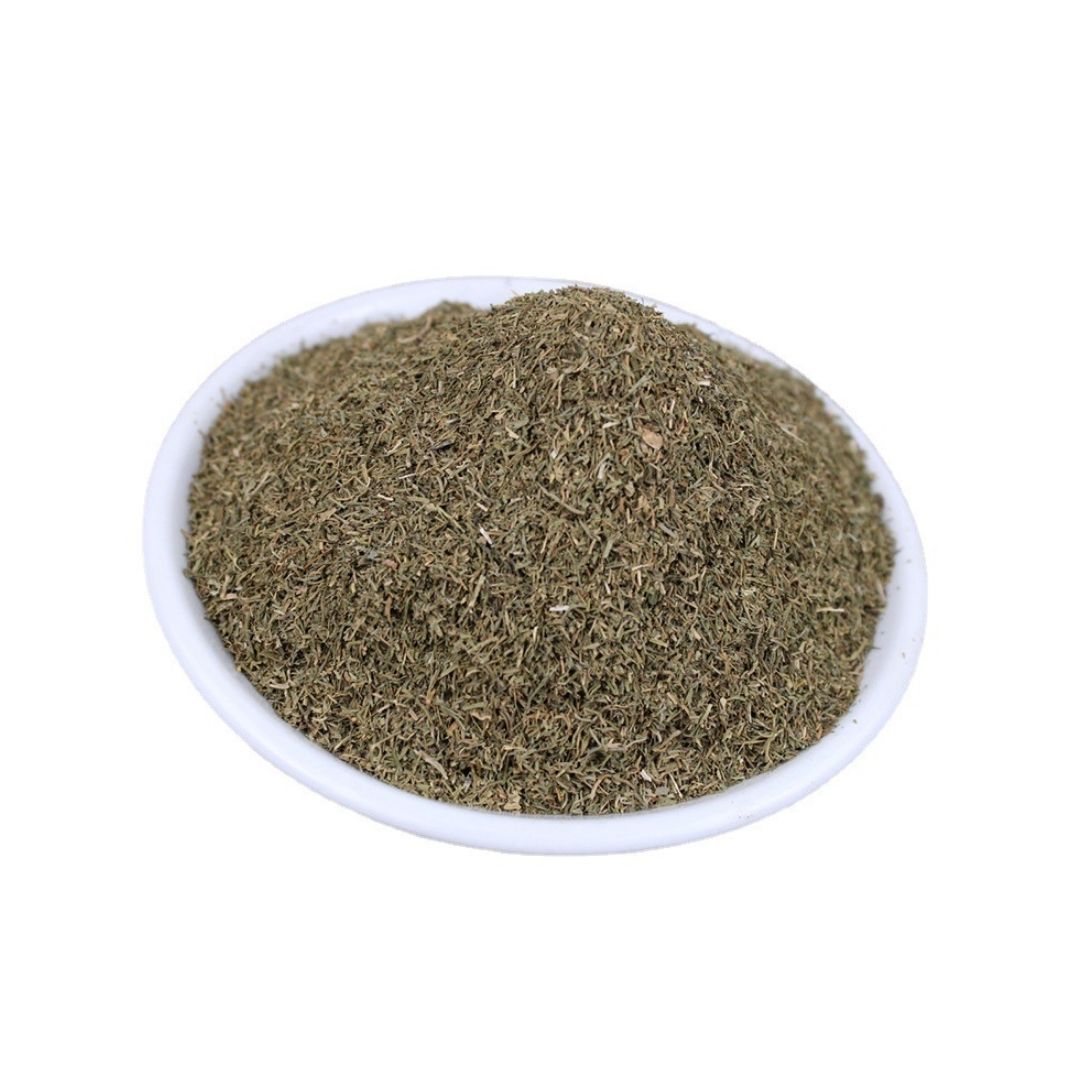


Product Introduction
Dill, scientifically known as Anethum graveolens, is an herb characterized by its feathery, green foliage and a mild, anise-like taste, and is commonly used in culinary applications. Dill, native to the Mediterranean region and Western Asia, and cultivated worldwide, plays a major role in various cuisines globally. The plant's leaves and seeds are both used as a spice, each imparting a unique flavor profile.
Dill is composed of several essential oils, including carvone, limonene, and eugenol, which contribute to its distinctive aroma and flavor. The plant is often added to dishes such as pickles, salads, fish, and sauces, enhancing their overall taste. Beyond its culinary uses, dill plays a role in traditional medicine, for uses such as purported digestive benefits [3].
This seasoning is typically available in two forms: fresh and dried. Fresh dill offers a more vibrant flavor, while dried dill provides convenience and a longer shelf life. To maintain its quality, this product should be stored in a cool, dry, and dark environment, ensuring the preservation of its flavor and aromatic properties.
Aromatic Chemical Composition
The aromatic profile of dill is attributed to its essential oil composition, which includes:
- Carvone: The primary component, responsible for dill's characteristic aroma [4].
- Limonene: This compound contributes a citrusy note to the overall scent profile [5].
- Eugenol: Adds a spicy and clove-like nuance [6].
What Types of Products Are Available?
Dill is available in several forms, which include:
- Fresh Dill: Freshly cut leaves, known for their intense flavor and aroma; best used soon after harvest [7].
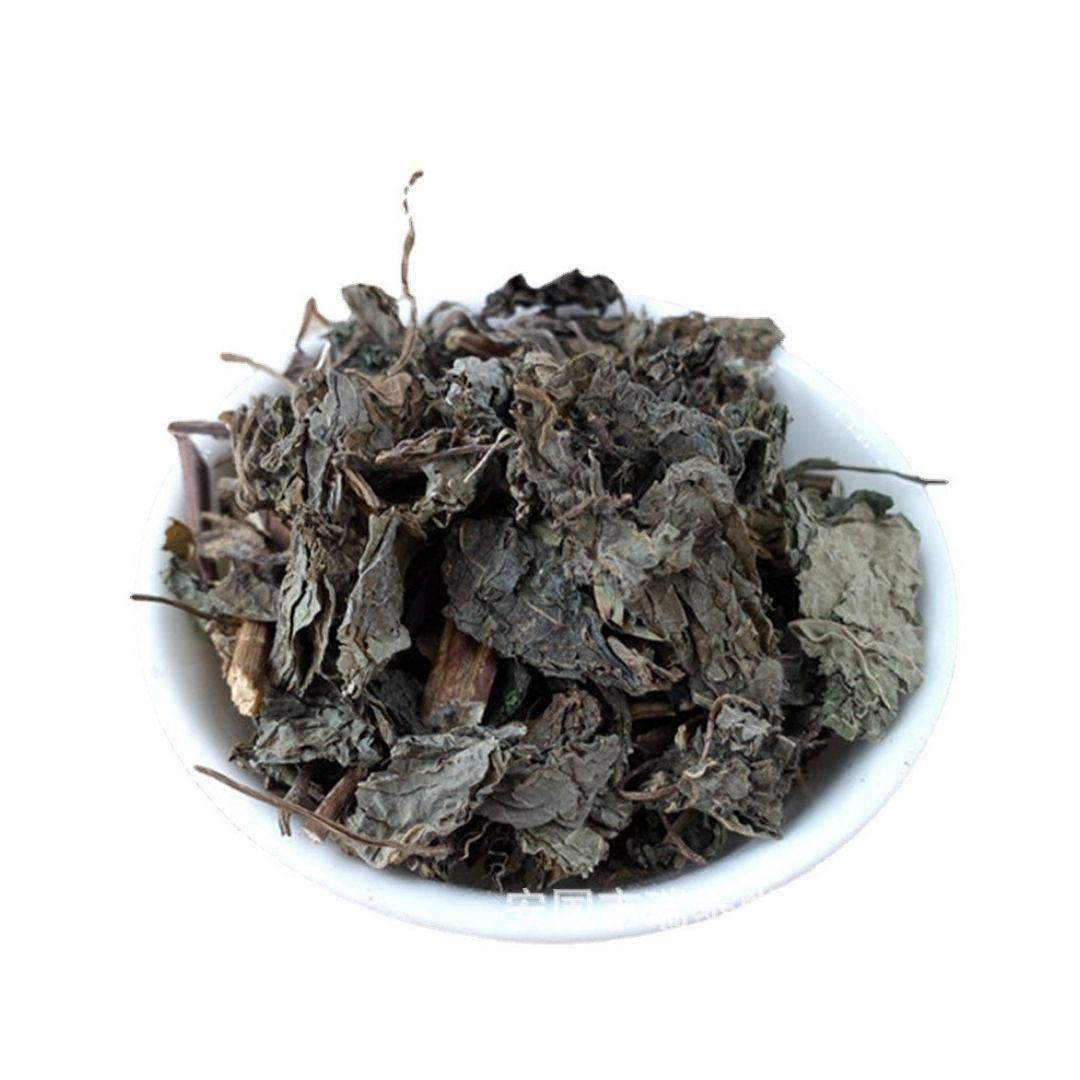
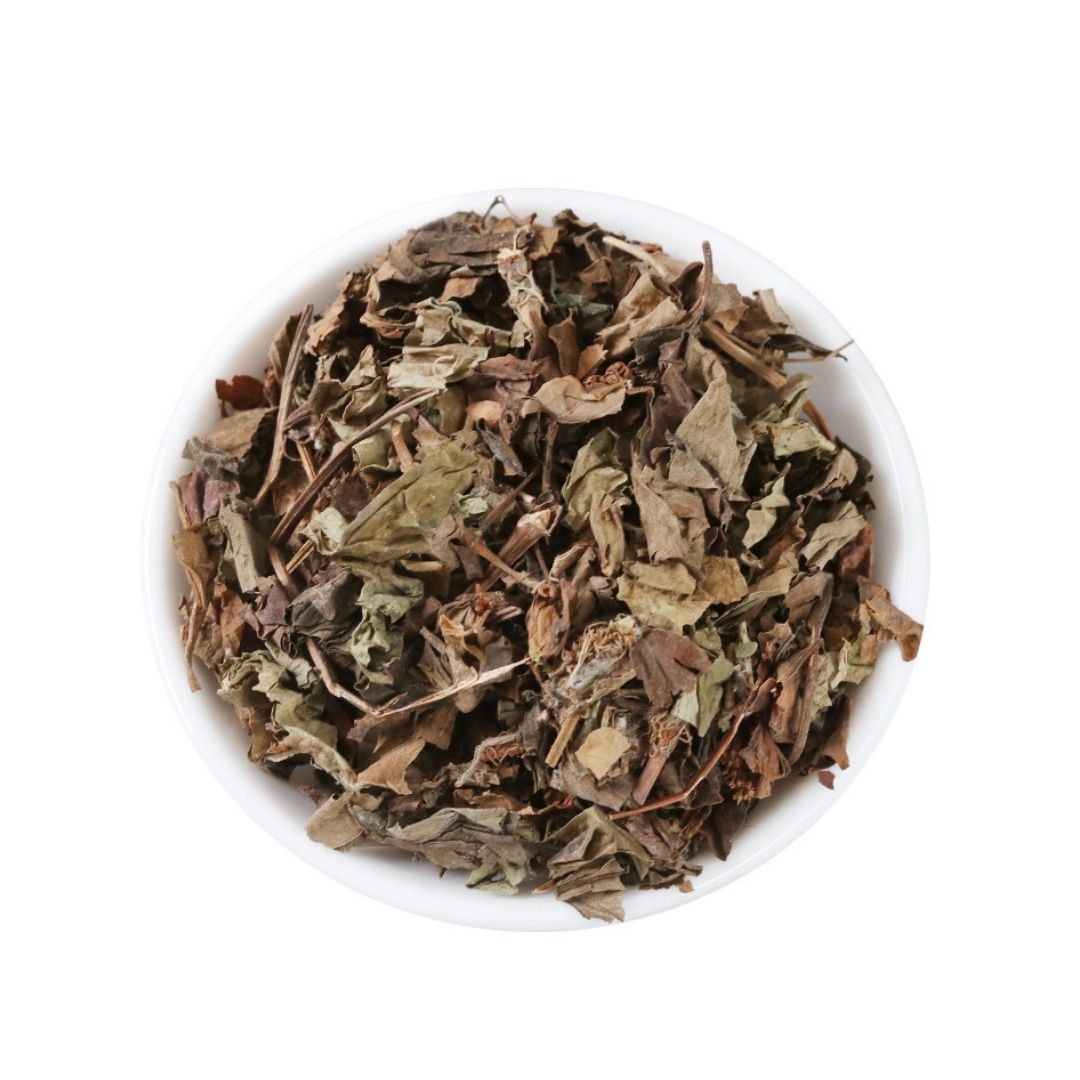
- Dried Dill Weed: The dried leaves, available in flakes or powder; offers a more concentrated flavor [8].
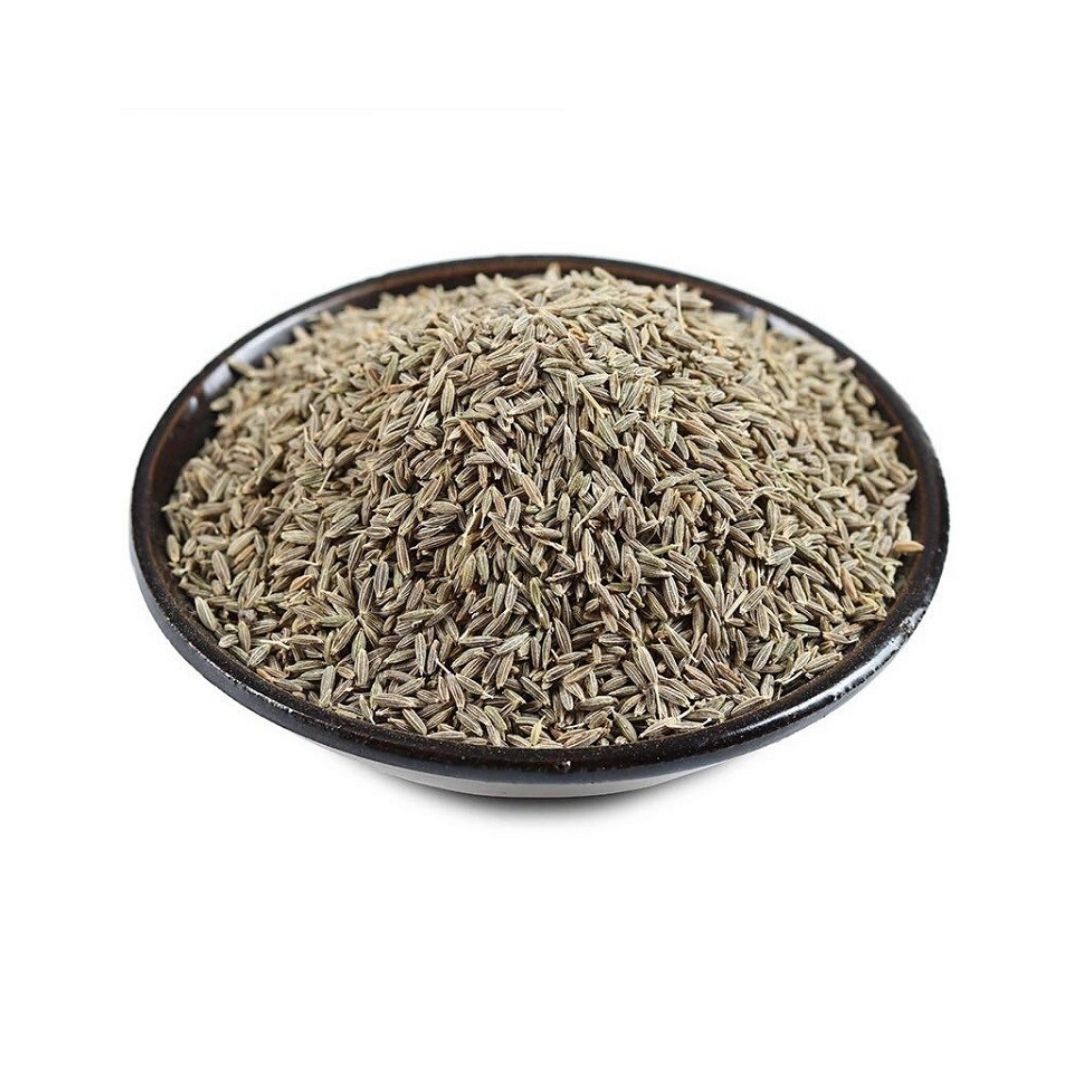
- Dill Seeds: The dried seeds of the dill plant, used whole or ground; possesses a stronger, more pungent flavor than the leaves [9].
- Dill Essential Oil: Concentrated oil extracted from the dill plant [10].
Application Scenarios and Usage Dosage
Dill is widely employed in the culinary field, adding a distinct flavor to various dishes. Fresh dill is often sprinkled over salads or used as a garnish for cooked dishes. It is a common ingredient in dips, dressings, and sauces, and its delicate flavor complements seafood, vegetables, and eggs. Dried dill, though less potent than fresh, is useful in cooked dishes and can withstand longer cooking times without losing its flavor [11]. Dill seeds, with their more concentrated flavor, are used in pickling, bread making, and spice blends [12].
Culinary Applications and Usage Examples:
- Pickling: Dill seeds and fresh dill sprigs are key ingredients in pickling cucumbers and other vegetables. A typical recipe might include 1-2 tablespoons of dill seeds and several fresh dill sprigs per quart jar [13].
- Salads: Fresh dill leaves can be chopped and added to salads for a refreshing flavor. A general guideline is to use about 1-2 tablespoons of fresh dill per serving [14].
- Sauces and Dips: Dill complements creamy sauces and dips, such as dill sauce for fish or dill-yogurt dip for vegetables. Use 1-2 teaspoons of dried dill or 2-4 tablespoons of fresh dill per cup of sauce or dip [15].
- Seafood Dishes: Fresh or dried dill pairs well with salmon, trout, and other fish. Sprinkle 1-2 teaspoons of dried dill or 2-4 tablespoons of fresh dill over the fish before cooking [16].
- Bread and Baked Goods: Dill seeds can be added to bread dough or savory muffins for a unique flavor. Use about 1-2 tablespoons of dill seeds per loaf of bread [17].
- Soups: Fresh dill is suitable for adding a fresh flavor to soups, like potato and borscht [18].
Dosage Considerations:
- For fresh dill, a general guideline is 1-2 tablespoons per serving, depending on the intensity of flavor desired.
- For dried dill, use about half the amount of fresh dill, as the flavor is more concentrated.
- Dill seeds should be used sparingly due to their strong flavor; 1-2 teaspoons per dish is recommended [19].
Introduction to the Source Plant, Distribution, and Growing Environment
Anethum graveolens, commonly known as dill, is an annual herb in the celery family Apiaceae. The plant has delicate, feathery leaves and can grow to a height of 2-4 feet. Dill is native to the Mediterranean region and Western Asia but is now cultivated in many parts of the world, including Europe, North America, and Asia [20].
Dill thrives in well-drained soil and sunny locations. It prefers a slightly acidic to neutral pH (6.0-7.5). The plant is relatively easy to grow and can be propagated from seed. Dill is often grown in gardens and farms for both its leaves and seeds, and it is favored for its adaptability to various climates [21].
Harvesting, Processing, and Storage Preservation
Dill is harvested at different stages depending on the desired product. For fresh dill leaves, the best time to harvest them is before the plant flowers, when the leaves are most tender and flavorful [22]. The leaves can be cut with scissors or a knife, taking care not to damage the plant [23].
For dill seeds, the plant is harvested when the seed heads turn brown and the seeds begin to dry [24]. The entire seed head is cut and hung upside down in a cool, dry place to allow the seeds to fully dry. Once dry, the seeds can be threshed from the seed heads and stored [25].
Processing methods include:
- Fresh Dill: The harvested leaves are washed and used fresh or stored in the refrigerator for a few days [26].
- Drying Dill: Dill leaves can be dried by hanging them in bunches in a well-ventilated area or by using a dehydrator at a low temperature [27]. Dried dill should be stored in an airtight container away from light and moisture [28].
- Dill Seeds: After drying, the seeds should be stored in an airtight container in a cool, dry, and dark place to maintain their flavor and aroma [29].
Citations:
[1] Ozguven, M., & Kiralan, M. (2006). Chemical composition and antimicrobial effects of essential oils of Turkish oregano (Origanum onites L.), dill (Anethum graveolens L.), parsley (Petroselinum crispum (Mill.) Nyman ex A.W. Hill) and fennel (Foeniculum vulgare Mill.). Acta Horticulturae, 723, 405-412.
[2] Simon, J. E., Chadwick, A. F., & Craker, L. E. (1984). Herbs: An indexed bibliography. Archon Books.
[3] Lis-Balchin, M. (2006). Aromatherapy science: A guide for healthcare professionals. Pharmaceutical Press.
[4] Ložienė, K., Venskutonis, P. R., & Nivinskienė, O. (2007). Influence of environmental and genetic factors on the composition of volatile constituents in dill (Anethum graveolens L.). Journal of Agricultural and Food Chemistry, 55(4), 1485-1492.
[5] D’Antuono, L. F., Galletti, G. C., Bocchini, P., & Navarini, L. (2000). Variability of essential oil composition of dill (Anethum graveolens L.) during fruit development. Journal of Agricultural and Food Chemistry, 48(5), 2206-2209.
[6] Duke, J. A. (2002). Handbook of medicinal herbs. CRC press.
[7] De Sousa, L. M., Vieira, L. M., de Morais, S. M., de Queiroz, I. N., & de Mattos, D. B. (2014). Anethum graveolens L.(dill): A review. Brazilian Journal of Plant Physiology, 26, 61-70.
[8] Zheljazkov, V. D., Cantrell, C. L., Astatkie, T., Horgan, T. E., & Jenkins, J. N. (2008). Productivity, oil content, and composition of dill (Anethum graveolens L.) as a function of nitrogen fertilization. Journal of Agricultural and Food Chemistry, 56(7), 2426-2435.
[9] Özcan, M. M., Chalchat, J. C., & Arslan, D. (2005). Chemical composition and antifungal activity of dill (Anethum graveolens L.) oil from Turkey. Journal of Essential Oil-Bearing Plants, 8(2), 183-192.
[10] Omidbaigi, R. (2010). Sustainable production of culinary and medicinal herbs: Volume 1: Cultivation. Food Products Press.
[11] Raafat, K., El-Gendy, A. A., Ramadan, M. F., & Böhm, V. (2014). Impact of drying methods on radical scavenging activity and bioactive compounds of dill (Anethum graveolens L.) herb. Journal of Advanced Research, 5(2), 197-206.
[12] Verma, R. S., Padalia, R. C., Chauhan, A., Verma, S. K., & Yadav, A. (2010). Exploring genetic diversity of dill (Anethum graveolens L.) through inter simple sequence repeat markers and essential oil composition. Industrial Crops and Products, 32(2), 99-105.
[13] Riaz, M. N. (2012). Handbook of Halal Food Production. CRC Press.
[14] Bown, D. (1995). Encyclopedia of herbs and their uses. Dorling Kindersley.
[15] Norman, J. C. (1992). Tropical vegetable crops. Pilans Press.
[16] McGee, H. (2004). On food and cooking: The science and lore of the kitchen. Scribner.
[17] Gisslen, W. (2016). Professional baking. John Wiley & Sons.
[18] Peterson, J. (2013). Vegetables transformed: Inspiring vegetarian dishes from root to stem. Artisan.
[19] Lawless, L. J. (1995). Herbal aromatherapy. Element Books.
[20] Heywood, V. H. (Ed.). (1993). Flowering plants of the world. Batsford.
[21] Rubatzky, V. E., & Yamaguchi, M. (1997). World vegetables: Principles, production, and nutritive values. Springer Science & Business Media.
[22] Bremness, L. (1994). Herbs. Dorling Kindersley.
[23] Stuart, M. (Ed.). (1979). The encyclopedia of herbs and herbalism. Crescent Books.
[24] Tierra, M. (1988). Planetary herbology. Lotus Press.
[25] Hoffmann, D. (2003). Medical herbalism: The science and practice of herbal medicine. Healing Arts Press.
[26] Small, E. (2006). Culinary herbs. NRC research press.
[27] Schauenberg, P., & Paris, F. (1977). Guide to medicinal plants. Lutterworth Press.
[28] Gladstar, R. (2008). Rosemary Gladstar's herbal recipes for vibrant health: 175 Teas, tonics, oils, salves, tinctures, and other natural remedies for the entire family. Storey Publishing.
[29] Chevallier, A. (1996). The encyclopedia of medicinal plants. DK Publishing.
Mia Wu

Hi, I’m Mia Wu! I love helping customers discover the best natural ingredients for their products. With a passion for herbs, spices, and fungi, I work to make sure you get only the finest raw materials. Let's grow together! 🌱✨