

Product Introduction
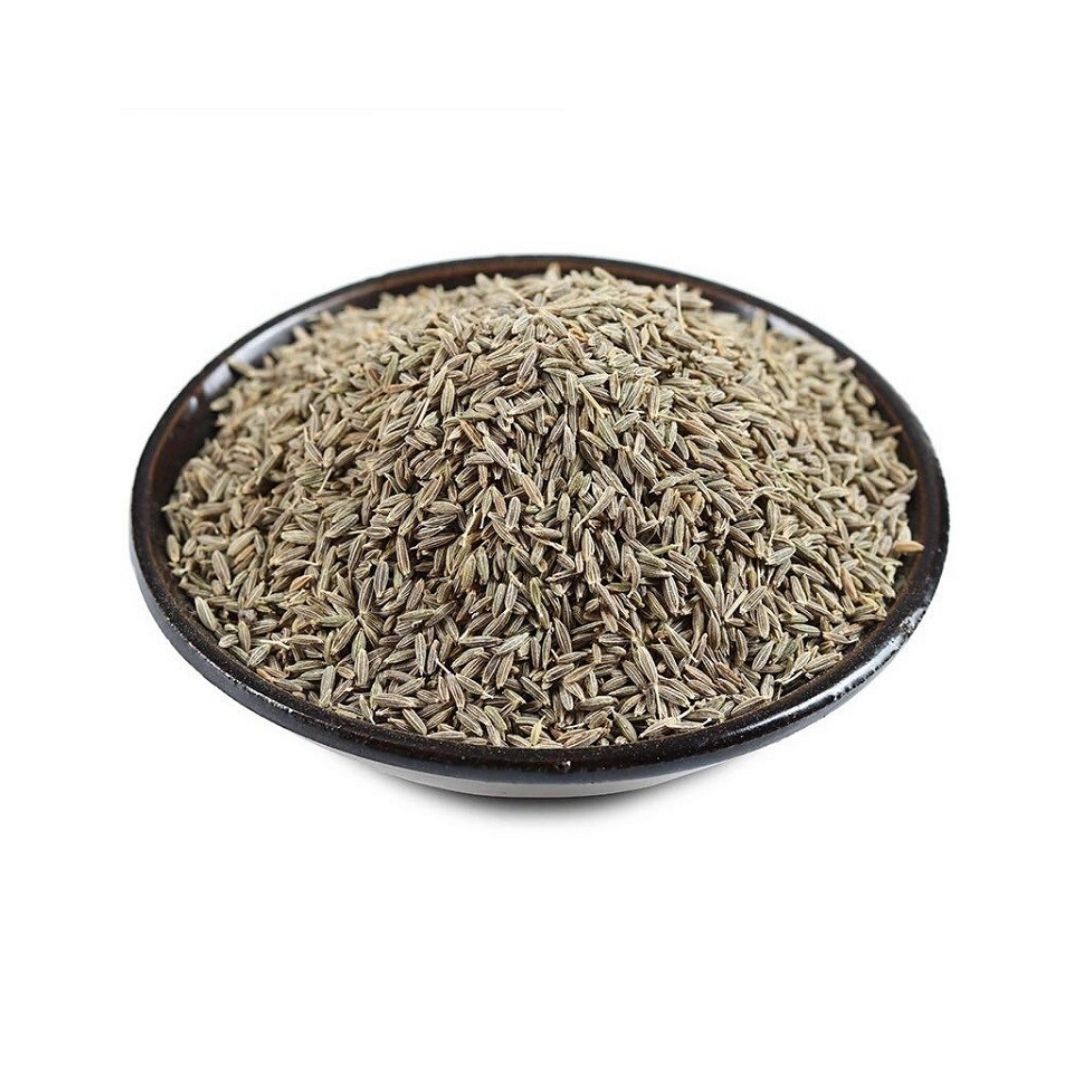
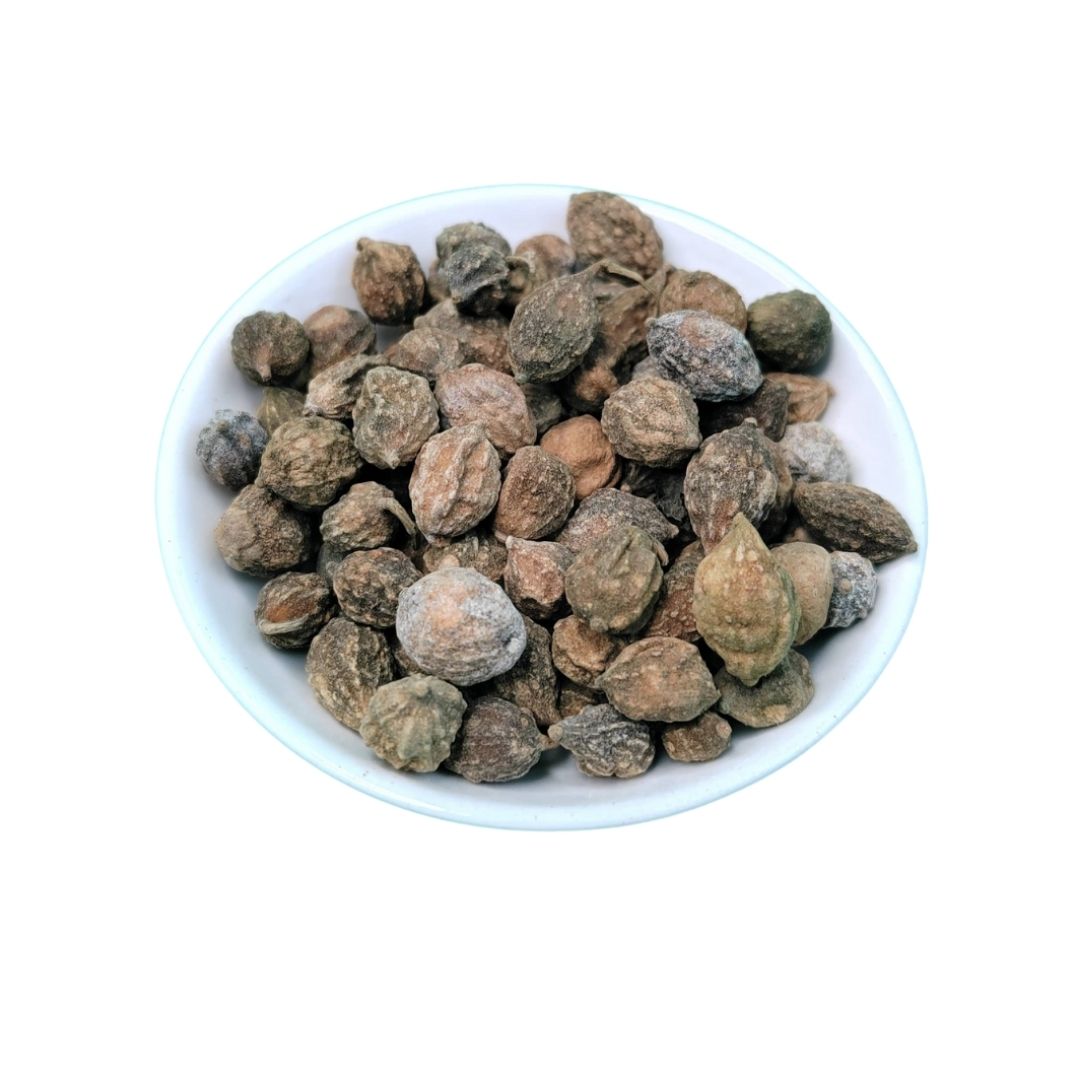
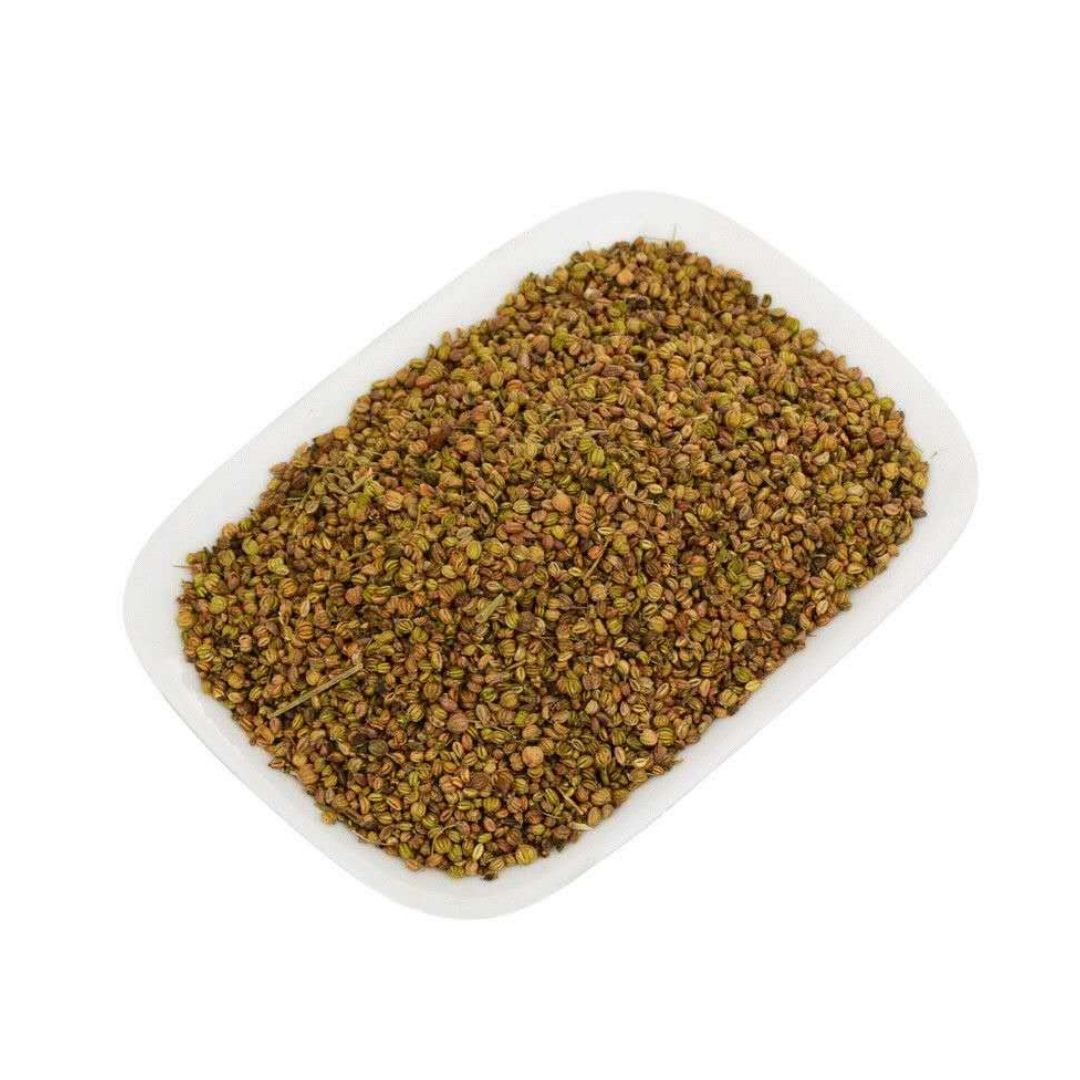
Dill seed, derived from the Anethum graveolens plant, is characterized by its flat, oval shape and a light brown to yellowish-brown hue. The spice is harvested from the dried fruit, commonly referred to as seeds, of the dill plant. Dill seed is valued for its distinct aromatic profile, blending notes of caraway with hints of citrus, and a subtle, slightly bitter undertone, which makes it a versatile ingredient in both culinary and medicinal applications.
Originating from the Mediterranean region and Western Asia, dill seed has been used for centuries across various cultures. The primary flavor compound in dill seed is carvone, which contributes significantly to its characteristic aroma and flavor. Other notable chemical components include limonene, dillapiol, and eugenol, further enhancing its complex profile.
In the culinary world, dill seed is used to flavor a variety of dishes. Its applications include pickling, where it contributes to the preservation and flavor of vegetables; sauces, where it adds depth and complexity; soups, salads, and meat dishes, where it imparts a distinctive aromatic note. Traditionally, dill seed has also been employed for its medicinal properties, including aiding digestion and reducing inflammation.
To preserve its quality, dill seed should be stored in airtight containers in a cool, dry, and dark environment. This helps maintain its essential oils and prevent degradation of its flavor and aroma. Dill seed is available in several forms, including whole seeds, crushed, or ground, providing flexibility in its application across different recipes and uses.
Aromatic Chemical Composition
The aromatic profile of dill seed is attributed to several key chemical compounds. Carvone is the most significant, typically comprising a large percentage of the essential oil. This monoterpene is responsible for the characteristic caraway-like aroma that defines dill seed. Limonene, another monoterpene, contributes a citrusy note, adding brightness to the overall scent. Dillapiol, though present in smaller quantities, adds to the complexity of the aromatic profile with its unique herbal and slightly spicy nuances. Eugenol, also found in dill seed, contributes a clove-like scent, further enriching the spice's aroma. The specific composition can vary based on the plant's origin, growing conditions, and processing methods, leading to subtle differences in the final aromatic profile. In addition to these major compounds, trace amounts of other volatile substances further contribute to the nuanced aroma of dill seed.
What Types of Products Are Available?
Dill seed is available in several product forms to cater to different culinary and industrial applications. Whole dill seeds are commonly used in pickling brines, spice blends, and as a visual garnish. Crushed dill seeds offer a quicker release of flavor and are often preferred for flavoring sauces, soups, and rubs. Ground dill seed is the most processed form, providing a uniform flavor distribution in recipes, and is ideal for baking and seasoning mixes where a consistent taste is desired. Additionally, dill seed essential oil is extracted for use in food flavorings, aromatherapy, and pharmaceutical applications. Each form offers distinct advantages in terms of flavor intensity, ease of use, and application flexibility.
Application Scenarios and Usage Dosage
Dill seed is a versatile spice with a wide range of culinary applications. In pickling, dill seed is essential for flavoring and preserving vegetables such as cucumbers, green beans, and beets. The typical dosage for pickling brines ranges from 1 to 2 tablespoons per quart of liquid, depending on the desired intensity of flavor.
In soups and stews, dill seed adds a warm, aromatic depth. For a pot of soup (approximately 6-8 servings), 1 to 2 teaspoons of dill seed is generally sufficient. It pairs well with creamy potato soups, vegetable broths, and fish stews.
Dill seed is also widely used in sauces and dressings. It complements creamy sauces, vinaigrettes, and yogurt-based dips. A general guideline for sauces is to use 1/2 to 1 teaspoon of dill seed per cup of sauce. For salad dressings, 1/4 to 1/2 teaspoon per serving is usually adequate.
For meat and seafood dishes, dill seed can be used as a dry rub or marinade ingredient. It works particularly well with salmon, chicken, and pork. A typical dosage for rubs is 1 to 2 teaspoons per pound of meat. When used in marinades, it is often combined with lemon juice, garlic, and olive oil.
In baking, dill seed can be added to bread, crackers, and savory muffins. It provides a unique flavor dimension to these baked goods. A common usage is 1/2 to 1 teaspoon per cup of flour in the recipe.
When using dill seed, it is important to consider its potency. Whole seeds release flavor slowly, while crushed or ground seeds offer a more immediate impact. It is advisable to start with a smaller amount and adjust to taste, as overuse can lead to a slightly bitter flavor.
In addition to culinary uses, dill seed has applications in herbal medicine. It is sometimes used in teas or tinctures to aid digestion and relieve bloating. However, such uses should be approached with caution, and consulting a healthcare professional is recommended.
Overall, dill seed is a versatile and flavorful spice that can enhance a wide array of dishes. Its aromatic profile and ease of use make it a staple in many kitchens and culinary traditions.
Introduction to the Source Plant, Distribution, and Growing Environment
The dill plant, Anethum graveolens, is an annual herb belonging to the Apiaceae family. It features slender, hollow stems that can grow up to 2-4 feet in height. The plant is adorned with feathery, delicate leaves, which are also used as an herb, commonly referred to as dill weed. Dill plants produce small, yellow flowers arranged in umbels, which eventually develop into the dill seeds that are harvested for spice use.
Dill is native to the Mediterranean region and Western Asia. It has been cultivated and naturalized in many parts of the world, including Europe, North America, and Australia. The plant thrives in well-drained soil and prefers a sunny location. It requires moderate watering and is relatively easy to grow, making it a popular choice for home gardens.
The ideal growing environment for dill includes a temperature range of 60-70°F (15-21°C). Dill prefers full sun but can tolerate partial shade, especially in hotter climates. The soil should be slightly acidic to neutral, with a pH between 6.0 and 7.5. Dill plants are adaptable and can grow in various soil types, but they perform best in fertile, loamy soil.
Dill is often grown alongside other vegetables such as cucumbers and cabbage, as it is believed to repel certain pests. It attracts beneficial insects like ladybugs and hoverflies, which can help control aphids and other garden pests. Dill plants are relatively low-maintenance, but they benefit from regular weeding and occasional fertilization to promote healthy growth and abundant seed production.
Harvesting, Processing, and Storage Preservation
Harvesting dill seeds typically occurs in late summer or early autumn when the seed heads have matured and turned brown. The entire plant is often cut and hung upside down in a cool, dry, well-ventilated area to allow the seeds to fully dry and mature. This drying process can take several weeks.
Once the seeds are fully dry, they can be easily separated from the plant by shaking or threshing. The seeds are then cleaned to remove any remaining plant debris, such as stems and leaves. This can be done using a sieve or winnowing process.
After cleaning, the dill seeds are processed according to their intended use. For whole dill seeds, minimal processing is required, and they are simply packaged for sale. Crushed dill seeds are produced by lightly crushing the whole seeds using a mortar and pestle or a mechanical grinder. Ground dill seed is made by grinding the seeds into a fine powder using a spice grinder or commercial milling equipment.
Proper storage is essential to maintain the quality and potency of dill seeds. The seeds should be stored in airtight containers made of glass, metal, or food-grade plastic. These containers should be kept in a cool, dry, dark place to prevent the degradation of essential oils and flavor compounds. Exposure to heat, light, and moisture can cause the seeds to lose their flavor and aroma over time.
Under optimal storage conditions, dill seeds can maintain their quality for up to two to three years. However, it is generally recommended to use them within one year to ensure the best flavor. Regularly checking the stored seeds for any signs of moisture, mold, or insect infestation is also advisable. If any of these issues are detected, the seeds should be discarded.
Citations
- Fahey, J. W., Stephenson, K. K., & Wallace, A. J. (2015). Dietary amelioration of chronic diseases by plant-derived sulforaphane. Frontiers in Nutrition, 2, 35.
- Olsen, H. (2017). The spice sleuth: A guide to culinary spices, herbs, and seasonings. Rowman & Littlefield.
- Simon, J. E., Chadwick, A. F., & Craker, L. E. (1984). Herbs: An indexed bibliography, 1971-1980: The scientific literature on selected herbs, and aromatic and medicinal plants of the temperate zone. Archon Books.
- Texas A&M Agrilife Extension. (n.d.). Dill.
- University of Minnesota Extension. (n.d.). Growing dill in home gardens.
Mia Wu

Hi, I’m Mia Wu! I love helping customers discover the best natural ingredients for their products. With a passion for herbs, spices, and fungi, I work to make sure you get only the finest raw materials. Let's grow together! 🌱✨