

Product Introduction
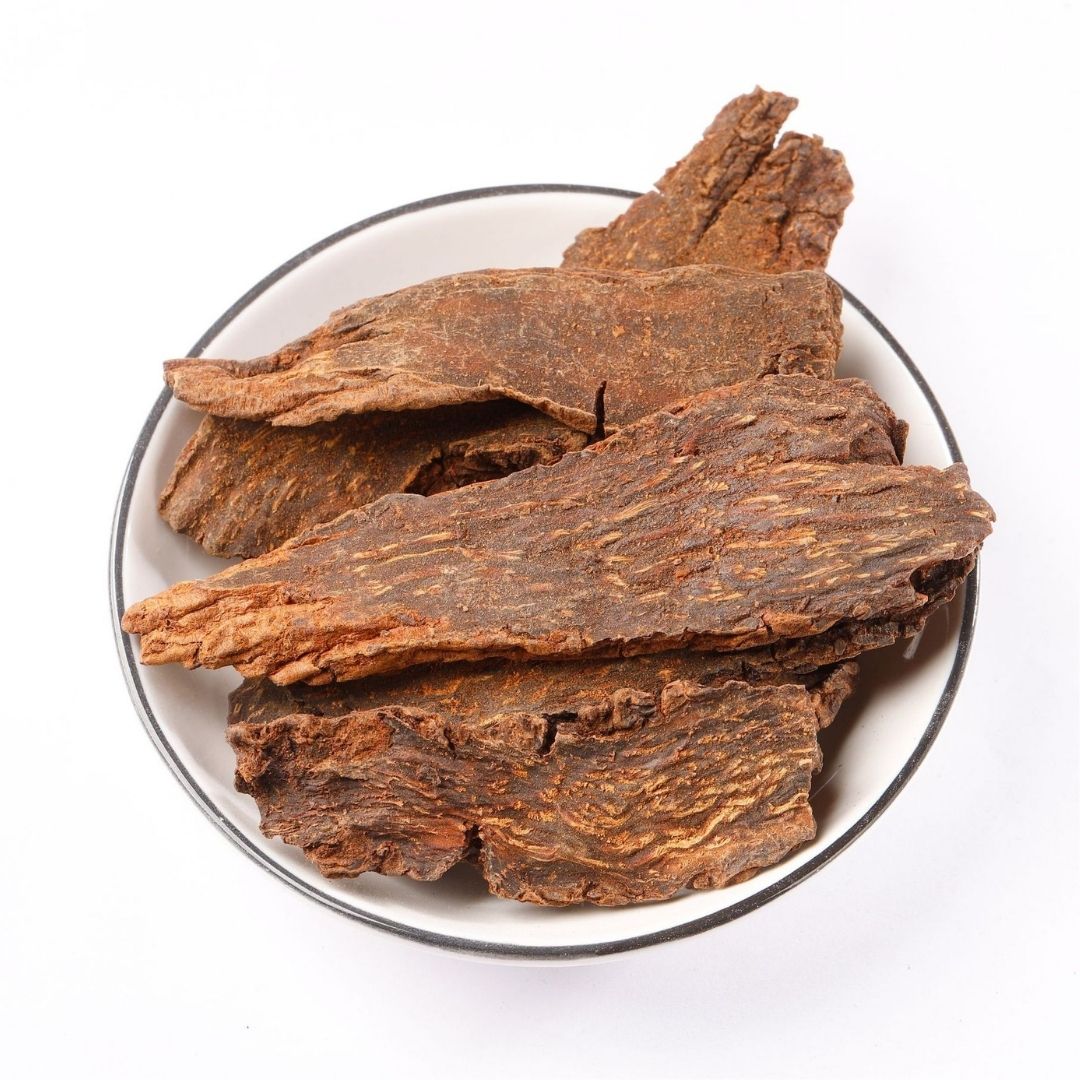
Desertliving Cistanche is a well-regarded traditional Chinese medicine, primarily sourced from the Cistanche deserticola plant, commonly found in arid desert regions. Its use dates back centuries, where it was prescribed for its purported tonifying effects, specifically targeting kidney yang and essence, with added benefits for intestinal health. The herb's properties make it suitable for addressing conditions related to kidney deficiencies and constipation.
Main Active Ingredients
The efficacy of Desertliving Cistanche is attributed to its complex chemical composition. Phenylethanoid glycosides, such as acteoside and echinacoside, are considered the primary active components, responsible for many of its pharmacological effects. Iridoids also contribute to its overall therapeutic profile. Polysaccharides present in the plant may offer immune-enhancing benefits. These constituents work synergistically to contribute to the herb's traditional uses.
Product Application Scenarios, Usage, and Dosage
Desertliving Cistanche is traditionally used in scenarios involving kidney yang deficiency, which may manifest as impotence, lower back pain, and frequent urination. Additionally, it is employed to address constipation, particularly in elderly individuals or those with chronic conditions. The typical dosage of Desertliving Cistanche is 6-10 grams per day, usually administered in decoction form, also available in powdered extracts or as an ingredient in herbal formulas. Consultations with qualified healthcare practitioners are essential before incorporating Desertliving Cistanche into any treatment regimen to adjust its use according to individual health needs and conditions.
Introduction to the Source Plant, Distribution, and Growth Environment
The source plant, Cistanche deserticola, is a parasitic plant that primarily grows on the roots of Haloxylon ammodendron and other desert plants. It is predominantly found in arid and semi-arid regions, including the deserts of Inner Mongolia, Xinjiang, and Gansu provinces in China, it relies on the host plants for nutrients and water, thriving in harsh desert environments characterized by extreme temperatures and low precipitation.
Harvesting, Processing, and Storage
The harvesting of Desertliving Cistanche typically occurs in the spring, before the plant's flowering season, or in the autumn. Skilled harvesters carefully unearth the fleshy stems, minimizing damage to the plant and its host. Once harvested, the stems are sliced, dried, and prepared for medicinal use, the drying process reduces moisture content, preventing spoilage and preserving the herb's active constituents. Proper storage involves keeping the dried herb in a cool, dry place, away from direct sunlight and humidity, to maintain its potency and quality over an extended period.
Citations
- Butt, M. S., et al. "Cistanche deserticola: A Review of Its Pharmacological Effects and Traditional Uses." Evidence-Based Complementary and Alternative Medicine, vol. 2016, 2016, pp. 1-17.[^1]
- Jiang, Y., and Tu, P. F. "Analysis of chemical constituents in Cistanche species." Journal of Chromatography A, vol. 1216, no. 11, 2009, pp. 1970-79.[^2]
[^1]: Butt, M. S., et al. "Cistanche deserticola: A Review of Its Pharmacological Effects and Traditional Uses." Evidence-Based Complementary and Alternative Medicine, vol. 2016, 2016, pp. 1-17.
[^2]: Jiang, Y., and Tu, P. F. "Analysis of chemical constituents in Cistanche species." Journal of Chromatography A, vol. 1216, no. 11, 2009, pp. 1970-79.
Mia Wu

Hi, I’m Mia Wu! I love helping customers discover the best natural ingredients for their products. With a passion for herbs, spices, and fungi, I work to make sure you get only the finest raw materials. Let's grow together! 🌱✨