

Product Introduction
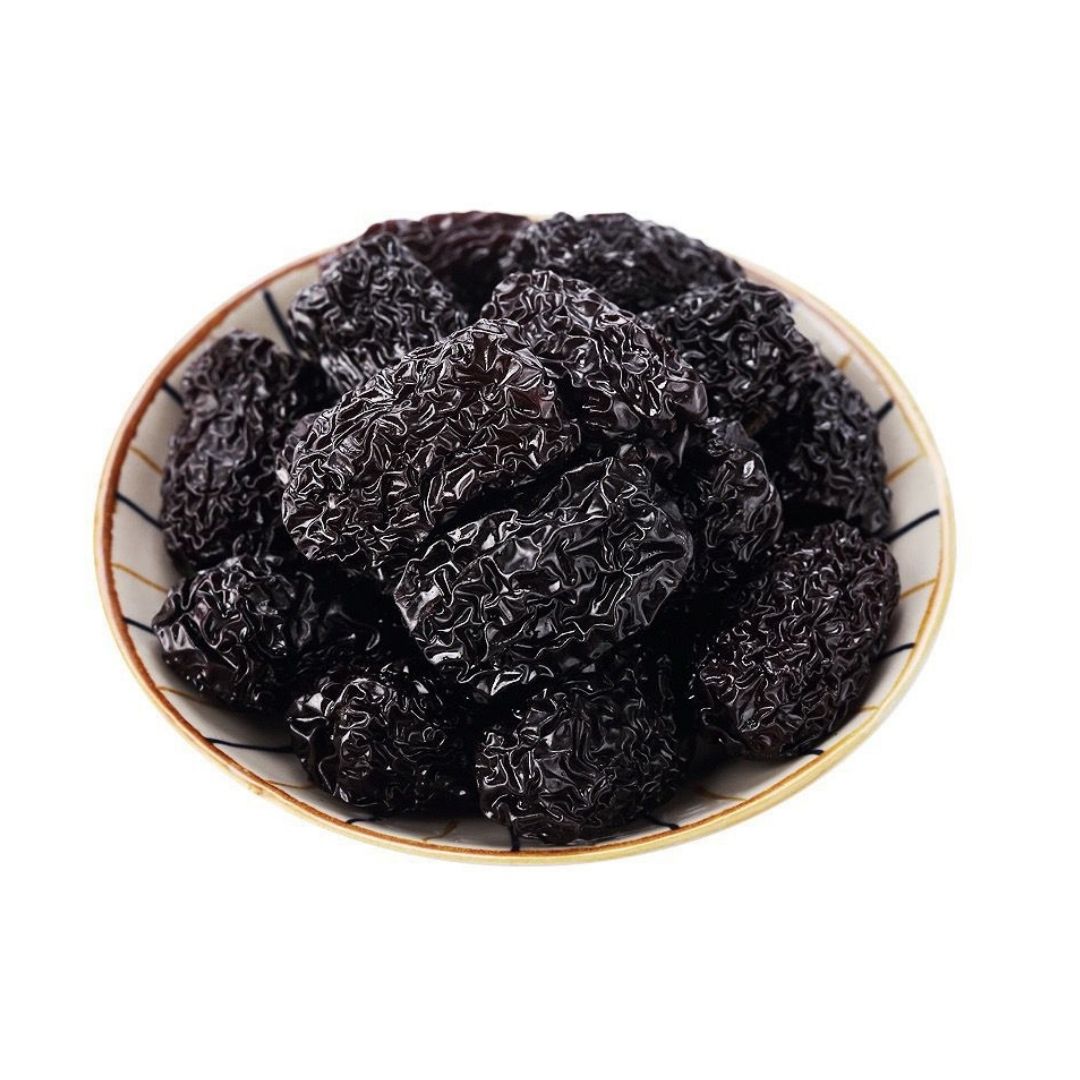
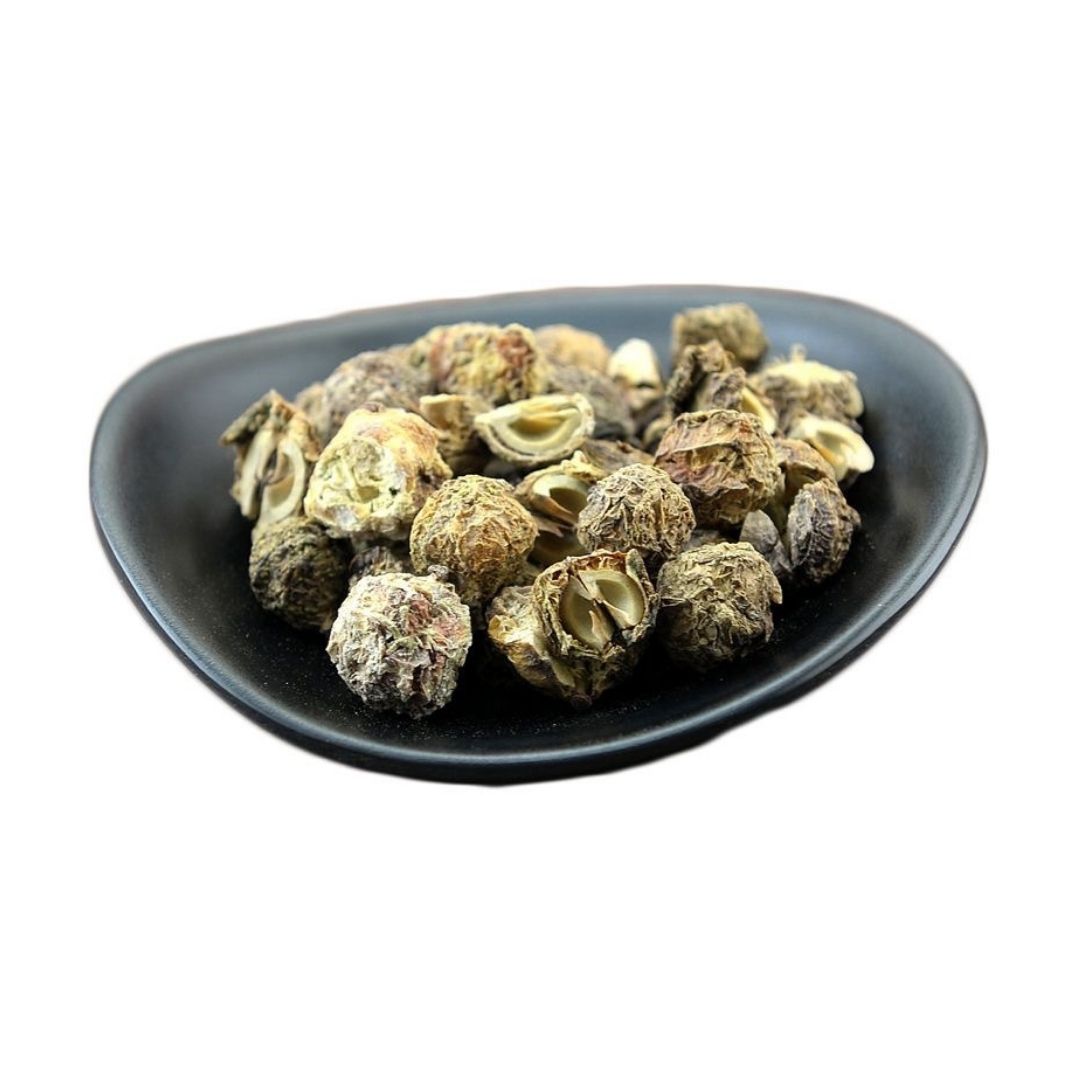
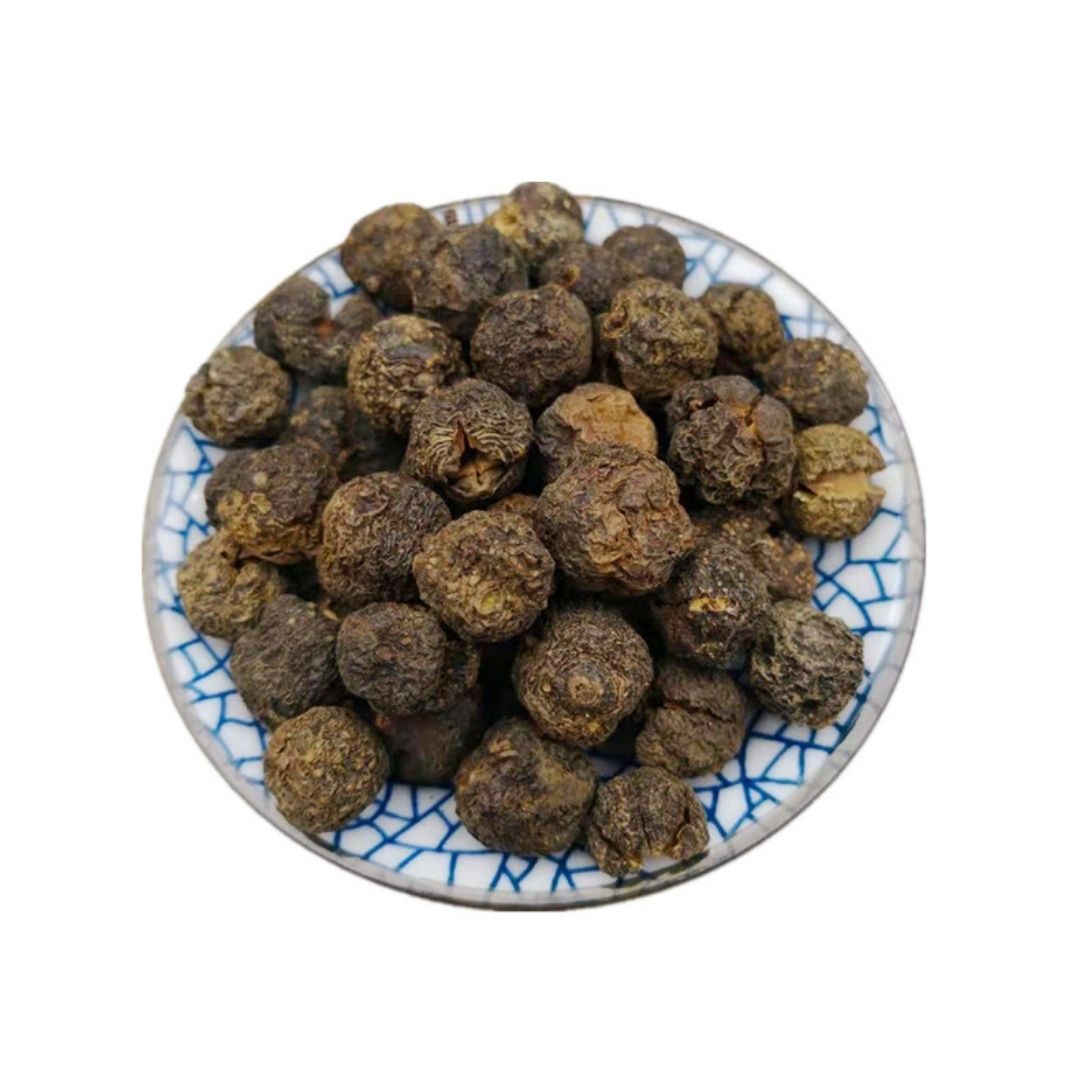
Dark Plum Fruit, also referred to as Smoked Plum or Dark Plum, is a processed fruit derived from the Prunus mume tree. It is recognized for its therapeutic applications in traditional herbal medicine. The processing typically involves smoking or drying, which contributes to its characteristic dark color and wrinkled appearance. This fruit is primarily known for its sour taste, which is a key indicator of its medicinal properties.
Main Active Ingredients
The key active ingredients in Dark Plum Fruit include organic acids, such as citric and malic acid. These components contribute significantly to its sour taste and are believed to be responsible for many of its therapeutic effects. Additionally, the fruit contains various minerals that further enhance its medicinal properties, supporting its use in traditional treatments.
Product Application Scenarios, Usage, and Dosage
Dark Plum Fruit is traditionally used to address various health conditions. It is often employed to treat chronic cough by helping to astringe lung qi, and it is also indicated for diarrhea, leveraging its astringent properties to reduce intestinal motility. Excessive sweating, especially in cases of night sweats or spontaneous sweating, can also be managed with Dark Plum Fruit due to its ability to stabilize and conserve bodily fluids.
The typical dosage of Dark Plum Fruit varies depending on the specific condition and the individual being treated. However, a common range is between 3 to 9 grams per day. It is usually administered as a decoction, where the dried fruit is boiled in water, and the resulting liquid is consumed. Consultation with a qualified herbal medicine practitioner is essential to determine the appropriate dosage and usage for specific health needs.
Introduction to the Source Plant, Distribution, and Growth Environment
The Prunus mume tree, the source of Dark Plum Fruit, is native to China and has been cultivated in East Asia for centuries. It is a deciduous tree that thrives in temperate climates, often found in mountainous regions. The tree is characterized by its fragrant flowers that bloom in late winter or early spring, followed by the development of the plum-like fruits. The Prunus mume is well-adapted to various soil types, requiring adequate sunlight and well-drained conditions for optimal growth. Its cultivation is common in regions with distinct seasons, allowing for the proper development and ripening of the fruit.
Harvesting, Processing, and Storage
The harvesting of Prunus mume fruits typically occurs in late spring or early summer when the fruits are still relatively green and firm. After harvesting, the fruits undergo processing to transform them into Dark Plum Fruit. This process traditionally involves smoking, which imparts a unique flavor and also helps to preserve the fruit. Alternatively, the fruits may be dried using sun-drying or other methods. Once processed, the Dark Plum Fruit should be stored properly to maintain its quality and efficacy. Optimal storage conditions include a cool, dry place away from direct sunlight and moisture. Proper storage helps to prevent spoilage and ensures that the fruit retains its therapeutic properties for an extended period.
Citations:
- Chen, J. K., & Chen, T. T. (2004). Chinese Medical Herbology and Pharmacology. City of Industry, CA: Art of Medicine Press.
- Bensky, D., Clavey, S., & Stöger, E. (2004). Chinese Herbal Medicine: Materia Medica. 3rd ed. Seattle, WA: Eastland Press.
- চীনের ঐতিহ্যবাহী ঔষধের স্টেট অ্যাডমিনিস্ট্রেশন। (1999)। চীনা ম্যাটেরিয়া মেডিকা। সাংহাই সায়েন্স অ্যান্ড টেকনোলজি প্রেস।
Mia Wu

Hi, I’m Mia Wu! I love helping customers discover the best natural ingredients for their products. With a passion for herbs, spices, and fungi, I work to make sure you get only the finest raw materials. Let's grow together! 🌱✨