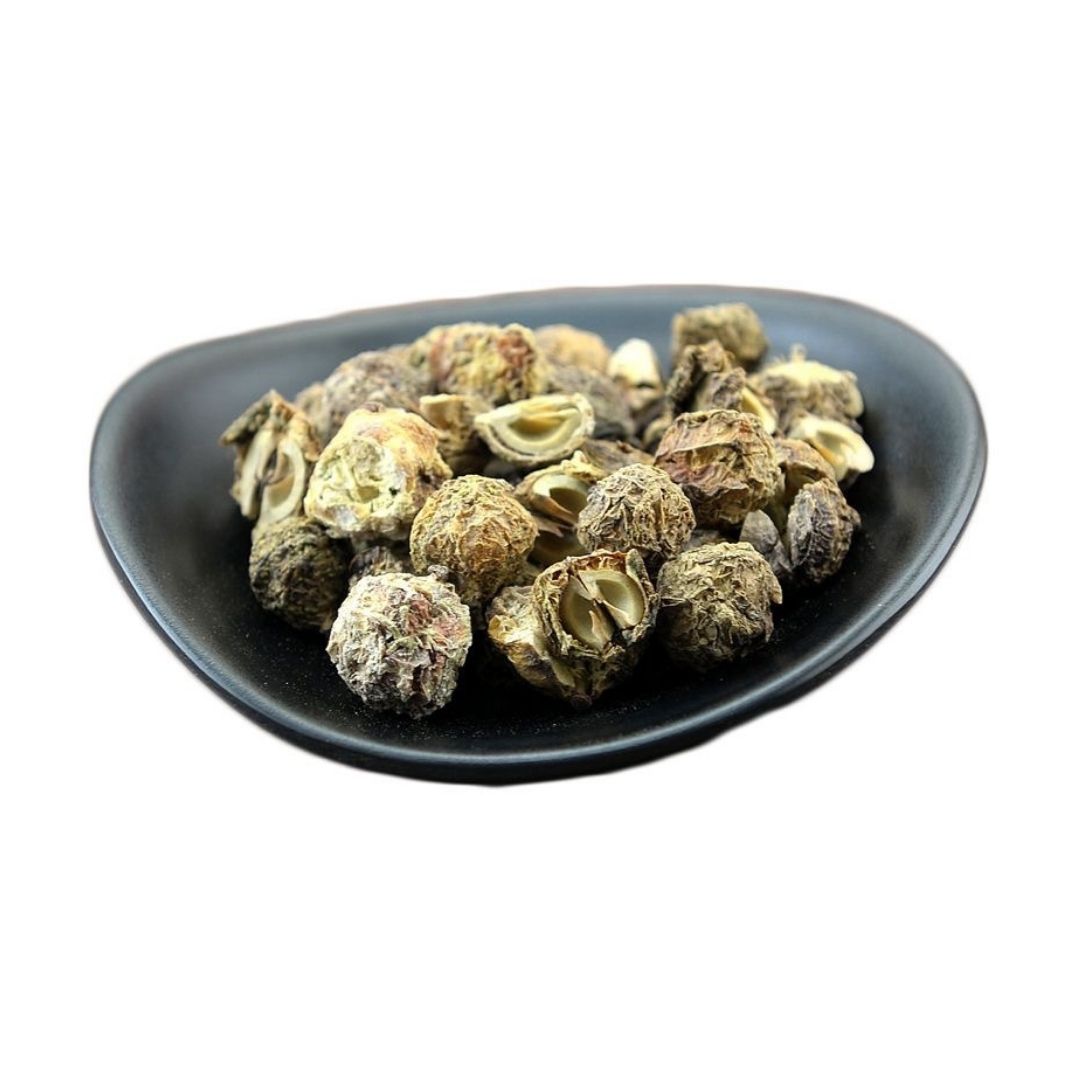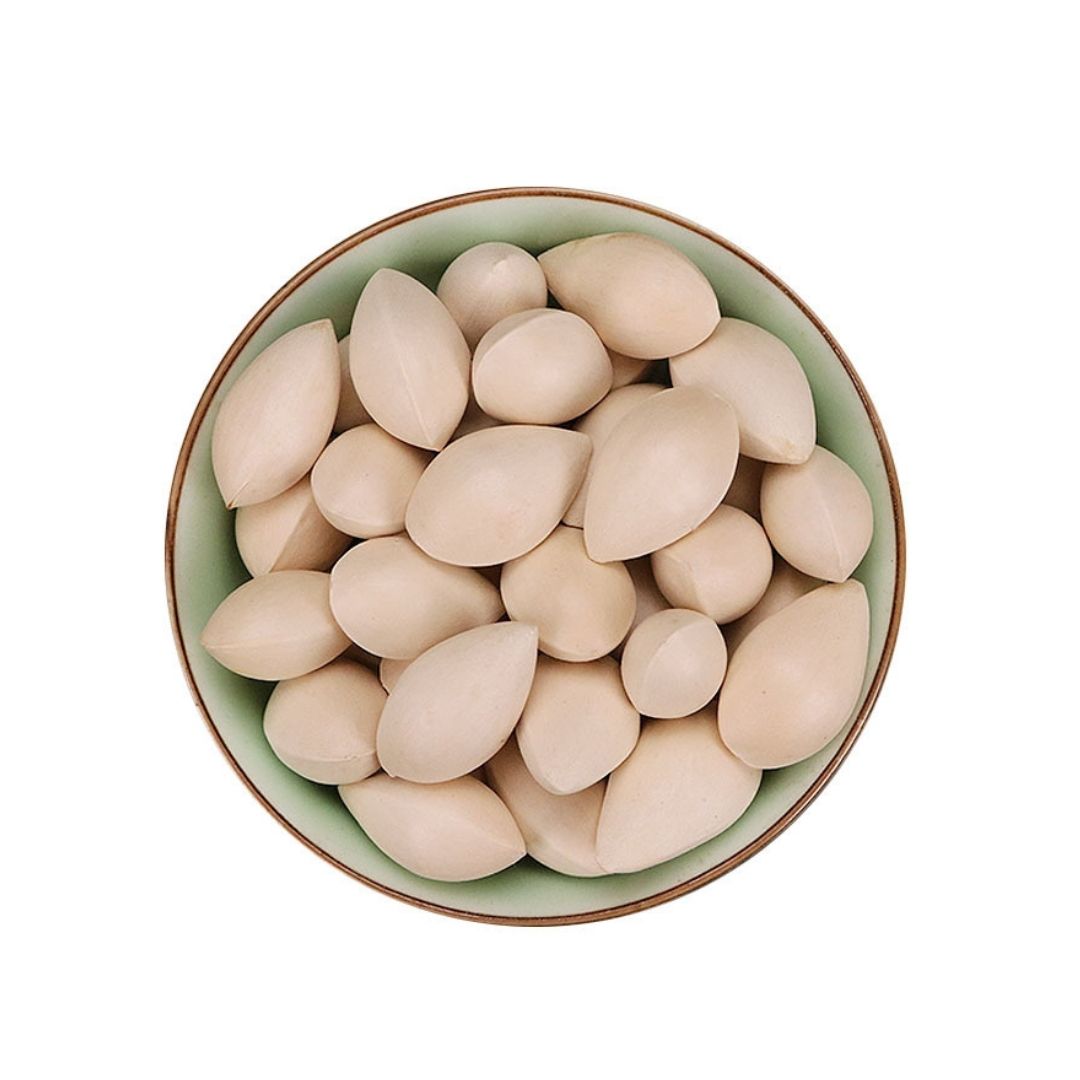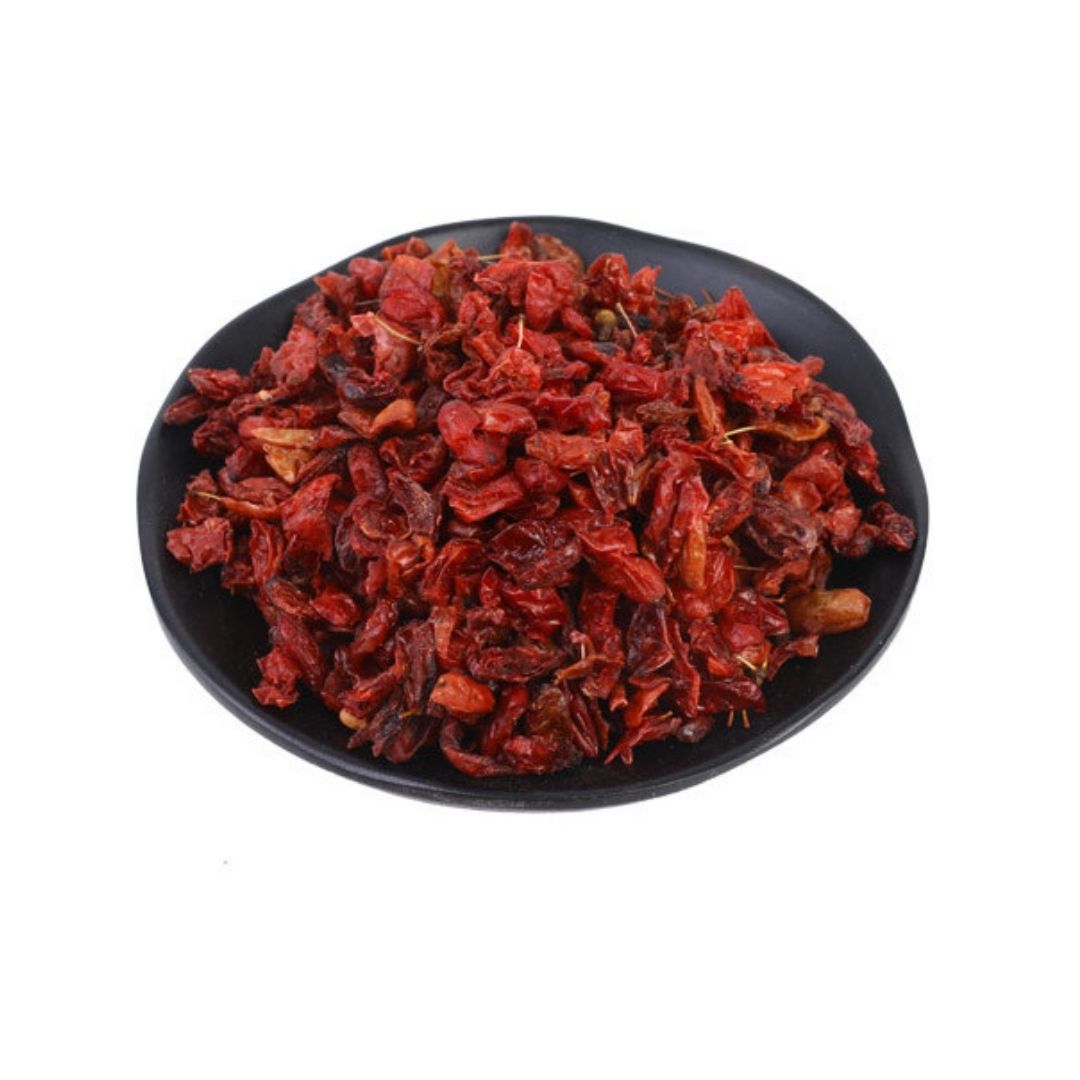


Product Introduction
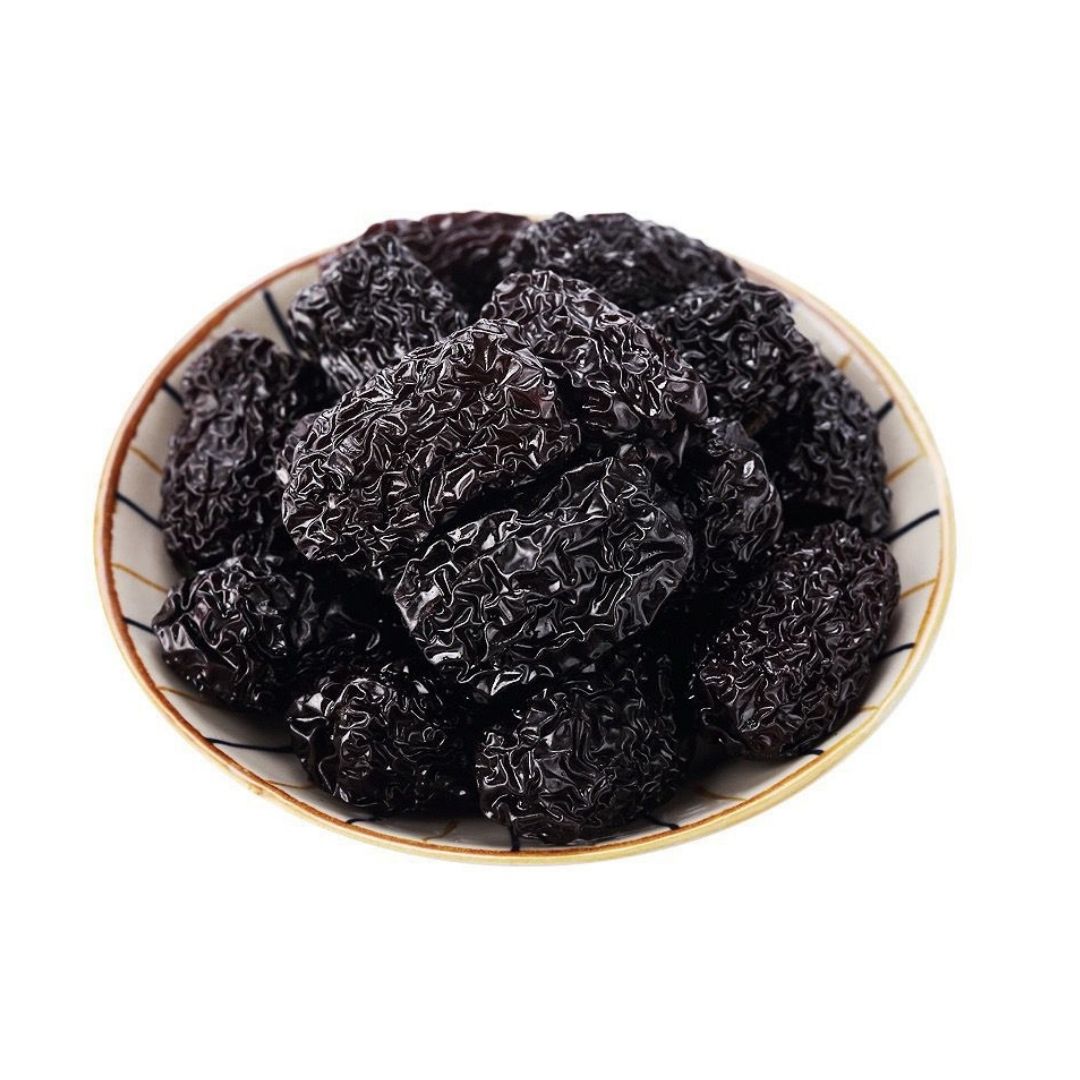
Corni Fructus, also known as Shan Zhu Yu, is a widely used herb in traditional Chinese medicine. The herb is derived from the ripe fruit of the Cornus officinalis tree, a species native to East Asia. Known for its therapeutic properties, Corni Fructus has been utilized for centuries to address various health conditions. Its unique blend of chemical components contributes to its effectiveness. This herb is often incorporated into herbal formulas to promote overall well-being.
Main Active Ingredients
The therapeutic effects of Corni Fructus are attributed to its main active ingredients. These include iridoid glycosides, such as morroniside and loganin. Morroniside exhibits antioxidant and anti-inflammatory properties, contributing to the herb's protective effects [1]. Loganin is another key component known for its potential neuroprotective benefits [2]. Cornus tannin is another significant constituent found in Corni Fructus. These ingredients work synergistically to provide the herb with its therapeutic properties.
Product Application Scenarios, Usage, and Dosage
Corni Fructus is commonly used in Traditional Chinese Medicine (TCM) to address a range of health issues. It is frequently prescribed for individuals experiencing lower back pain, dizziness, and impotence. The herb is believed to have a tonifying effect on the Liver and Kidney channels [3]. Corni Fructus can be prepared through various methods, including decoctions, powders, and pills. The standard dosage typically ranges from 6 to 12 grams per day, depending on the specific condition being treated. It is often used in combination with other herbs for enhanced efficacy.
Introduction to the Source Plant, Distribution, and Growth Environment
Cornus officinalis, the source plant of Corni Fructus, is a deciduous tree belonging to the Cornaceae family. This tree is primarily found in the mountainous regions of China, Korea, and Japan. It prefers well-drained soils and thrives in sunny or partially shaded environments. The tree typically grows to a height of 4 to 10 meters. Its leaves are ovate and arranged oppositely along the branches. In early spring, the tree produces clusters of small yellow flowers [4]. The fruit ripens in the fall and turns a vibrant red color.
Harvesting, Processing, and Storage
The harvesting of Corni Fructus occurs in the fall when the fruits have ripened and turned red. Harvesting should be done carefully to avoid damaging the tree. After harvesting, the fruits are typically dried to reduce their moisture content. Drying can be achieved through sun-drying or using mechanical dryers. Once dried, the fruits are processed to remove the seeds, leaving only the pulp. The dried pulp is then graded and packaged for distribution. Proper storage is essential to maintain the quality and potency of Corni Fructus. It should be stored in a cool, dry place away from direct sunlight and moisture.
Citations
[1] Luo, L., et al. "Morroniside from Cornus officinalis Attenuates Inflammatory Response via TLR4/NF-κB Signaling Pathway in LPS-Induced RAW264.7 Macrophages." Evidence-Based Complementary and Alternative Medicine, vol. 2015, 2015, Article ID 543469, 7 pages.
[2] Zhang, Z., et al. "Neuroprotective effects of loganin against cerebral ischemia/reperfusion injury in rats." European Journal of Pharmacology, vol. 658, no. 2-3, 2011, pp. 140-145.
[3] Bensky, D., et al. Chinese Herbal Medicine: Materia Medica. 3rd ed., Eastland Press, 2004.
[4] Huxley, A., ed. The New Royal Horticultural Society Dictionary of Gardening. Macmillan Press, 1992.
Mia Wu

Hi, I’m Mia Wu! I love helping customers discover the best natural ingredients for their products. With a passion for herbs, spices, and fungi, I work to make sure you get only the finest raw materials. Let's grow together! 🌱✨