

Product Introduction
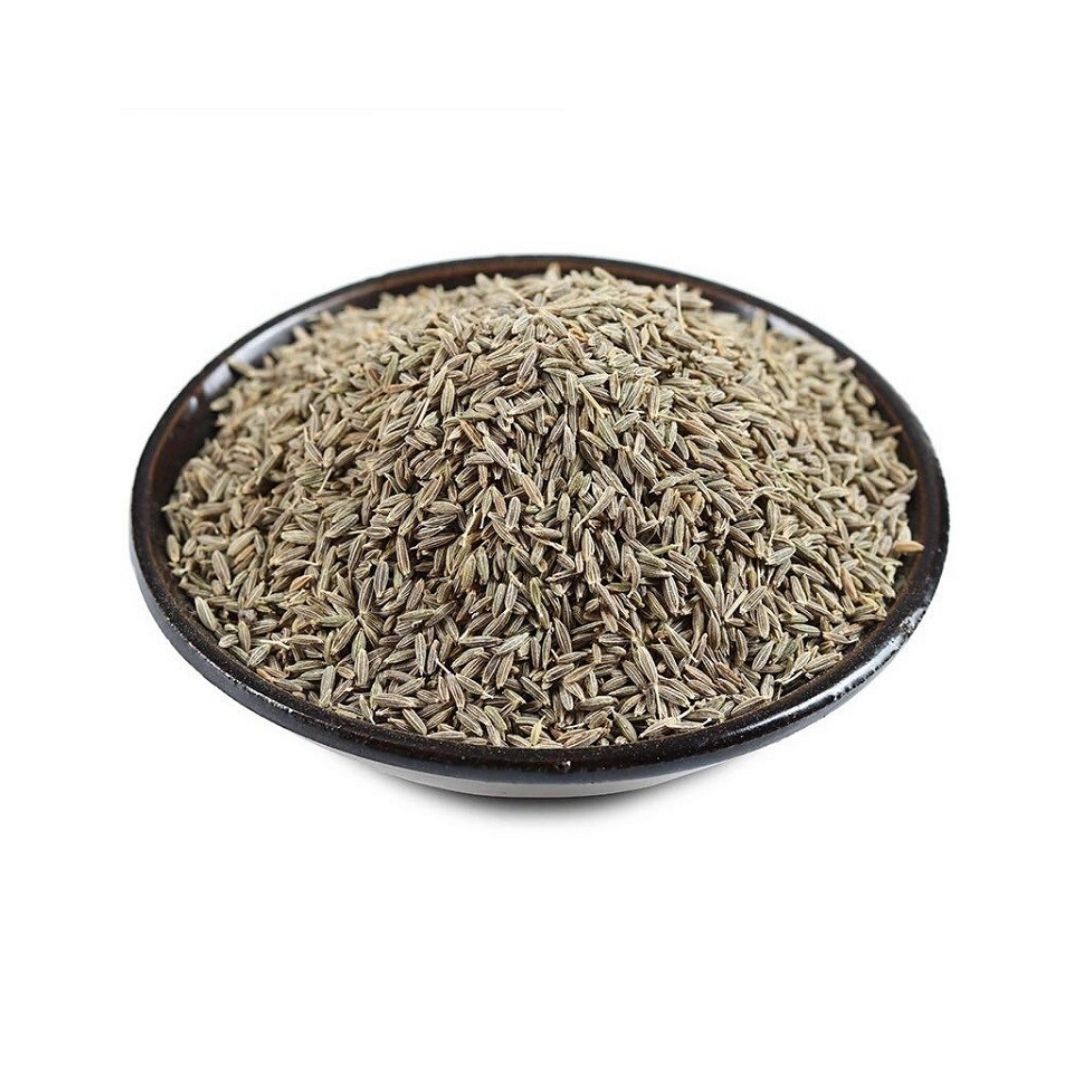
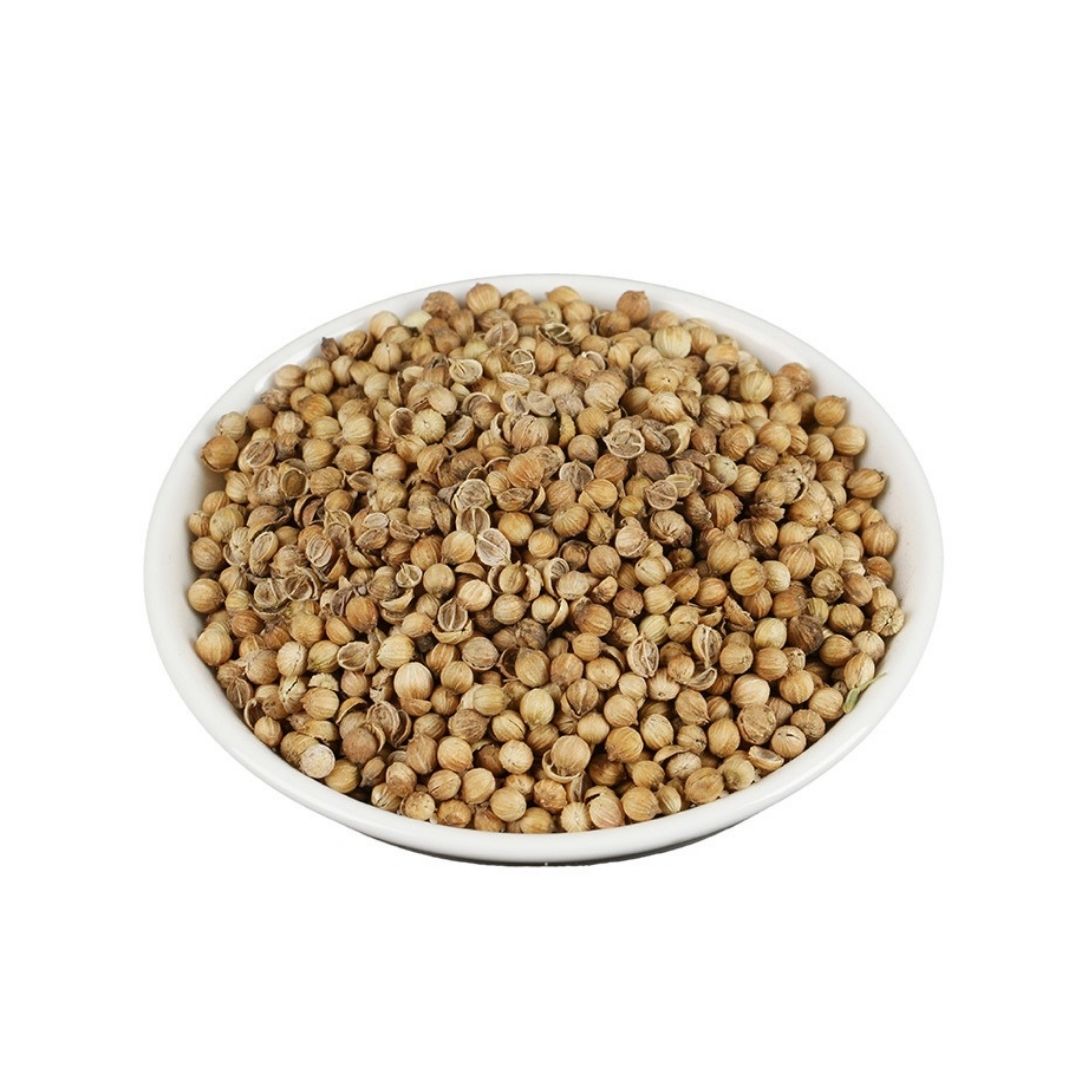
Coriander seed, derived from the Coriandrum sativum plant, is a widely used spice with a complex aromatic profile. The plant, native to the Mediterranean region, is now cultivated globally, including in India, Russia, and North Africa, to meet commercial demand. The seeds are the dried fruit of the coriander plant and are typically round to oval in shape, exhibiting colors ranging from light brown to yellowish-brown. Their surface is distinctly ridged, adding to their recognizable appearance.
The primary components of coriander seeds include essential oils, fatty acids, and various terpenes, which contribute to the spice's unique flavor and aroma. These chemical constituents define coriander's applications across multiple domains, from culinary uses to traditional medicine. In the culinary world, coriander seeds are employed both whole and ground, flavoring dishes across numerous global cuisines. The seeds impart a warm, citrusy, and slightly sweet flavor, making them a versatile ingredient in dishes. In traditional medicine, coriander has been used for its potential digestive benefits and anti-inflammatory properties.
The versatility of coriander extends to other industries as well, where it is a flavoring agent in processed foods and beverages. Proper storage is crucial to maintain the quality of coriander seeds; they should be kept in a cool, dry place, shielded from direct sunlight, and ideally stored in airtight containers to prevent loss of volatile oils and flavor degradation.
Aromatic Chemical Composition
Coriander seeds derive their aromatic properties from a complex blend of chemical compounds, primarily found in their essential oils. The dominant component is linalool, which often constitutes a significant percentage of the oil profile, sometimes accounting for up to 70% of the total composition.. Linalool contributes a floral and slightly sweet aroma, which is a crucial characteristic of coriander seeds.
Additional terpenes, such as α-pinene, β-pinene, limonene, and γ-terpinene, are present in varying concentrations, adding layers to the overall scent profile. α-Pinene and β-pinene provide a fresh, piney note, while limonene contributes a citrusy aspect. γ-Terpinene, along with other minor compounds, introduces subtle complexities to the aroma.
The specific composition of these aromatic compounds can vary based on factors like geographical origin, cultivation practices, and the maturity of the seeds at harvest. These variables influence the overall flavor and aroma of the coriander seeds, making each batch unique.
What Types of Products Are Available?
Coriander seeds are available in several forms to cater to diverse culinary and industrial applications. Whole coriander seeds are commonly used in pickling, spice blends, and as a flavoring agent in roasted dishes, where the seeds can release their aroma slowly during cooking. Ground coriander is another prevalent form, offering convenience and ease of incorporation into recipes. Ground coriander is typically used in spice mixes, rubs, and baked goods.
Coriander essential oil is extracted from the seeds through steam distillation and is used in aromatherapy, perfumery, and as a flavoring agent in the food and beverage industries. Coriander oleoresin, a semi-solid extract, is also available, providing a concentrated flavor and aroma.
Additionally, coriander seeds are available in organic and conventional forms. Organic coriander seeds are cultivated without synthetic pesticides and fertilizers, appealing to consumers seeking natural and sustainable options.
Application Scenarios and Usage Dosage
Coriander seeds find extensive use in culinary applications worldwide, adding a distinctive flavor to various dishes. In Indian cuisine, coriander is a staple ingredient in curries, spice blends like garam masala, and chutneys. The seeds are often roasted before grinding to enhance their aroma and flavor. A typical dosage in curries ranges from 1 to 2 teaspoons of ground coriander per serving, depending on the desired intensity.
In Middle Eastern cuisine, coriander seeds are used in dishes such as falafel, hummus, and tagines, providing a warm and citrusy note. They are also used in spice mixes like duqqa. The seeds are often combined with other spices such as cumin, cardamom, and cinnamon to create complex flavor profiles. Dosage in these dishes typically ranges from 0.5 to 1 teaspoon of ground coriander per serving.
European cuisines also incorporate coriander seeds, particularly in sausages, pickles, and bread. In German sausage making, coriander is a traditional ingredient. Pickling spices often include coriander seeds along with mustard seeds, peppercorns, and bay leaves. In rye bread recipes, coriander seeds add a subtle, aromatic flavor. Dosage varies but generally ranges from 0.25 to 0.5 teaspoon of ground coriander per loaf of bread or per jar of pickles.
In Southeast Asian cooking, coriander seeds are used in marinades, soups, and stir-fries. They are often combined with ingredients like lemongrass, ginger, and chilies to create balanced flavors. The seeds may be lightly crushed or used whole to infuse flavor into the dish. Usage typically ranges from 0.5 to 1 teaspoon of ground coriander per serving, depending on the dish type and personal preference.
When using whole coriander seeds, it is often recommended to lightly toast them in a dry pan before adding them to a recipe to enhance their flavor. Ground coriander should be added towards the end of the cooking process to preserve its aroma. Overcooking can cause the flavor to dissipate.
Beyond culinary uses, coriander seeds are also used in the beverage industry to flavor gin and certain beers. The seeds contribute citrusy and spicy notes that complement other botanicals. In gin production, the dosage is carefully controlled to achieve the desired flavor profile, typically ranging from 2 to 5 grams per liter of spirit.
Introduction to the Source Plant, Distribution, and Growing Environment
Coriandrum sativum, the source of coriander seeds, is an annual herb belonging to the Apiaceae family. The plant typically grows to a height of 50 cm. It features feathery leaves and small, white to pink flowers arranged in umbels.
Originating in the Mediterranean region and parts of Western Asia, coriander has been cultivated for thousands of years. Today, it is grown extensively in various parts of the world, including India, Russia, Eastern Europe, North Africa, and the Americas. India is one of the largest producers of coriander, accounting for a significant portion of the global supply.
The plant thrives in well-drained soil and requires a sunny location to grow optimally. Coriander prefers a moderate climate with temperatures ranging from 15°C to 25°C. It is relatively tolerant of drought but benefits from regular watering, especially during the early stages of growth. The plant is adaptable to various soil types but prefers a slightly acidic to neutral pH. In commercial cultivation, coriander is often grown in large fields, with careful attention paid to irrigation and fertilization to maximize yield. Crop rotation is also practiced to prevent soil depletion and disease buildup.
Harvesting, Processing, and Storage Preservation
Harvesting of coriander seeds typically occurs when the fruits turn from green to light brown and are dry to the touch, usually around 90 to 120 days after planting. The entire plant is cut and left to dry in the field. Once dried, the seeds are threshed to separate them from the plant material.
After threshing, the coriander seeds undergo cleaning to remove any remaining plant debris, dirt, and foreign materials. This is typically done using sieves and air separators. The cleaned seeds may then be subjected to further processing, such as polishing, to improve their appearance and remove any loose outer layers.
To maintain the quality and extend the shelf life of coriander seeds, proper storage is essential. The seeds should be stored in a cool, dry place, away from direct sunlight and moisture. Ideal storage conditions involve temperatures below 20°C and relative humidity below 65%. Airtight containers, such as glass jars or sealed bags, are recommended to prevent the loss of volatile oils and protect against insect infestation.
Properly stored coriander seeds can maintain their quality for up to two to three years. Regular monitoring for signs of spoilage, such as off-odors or mold growth, is recommended. In commercial settings, controlled atmosphere storage may be used to further extend the shelf life of coriander seeds by reducing oxygen levels and inhibiting oxidation.
Citations:
- Duke, J. A. (2002). Handbook of medicinal herbs. CRC press.
- Lawrence, B. M. (1992). Chemical components of coriander (Coriandrum sativum L.) oil. Journal of Essential Oil Research, 4(3), 235-238.
- Olsen, K., & Sørensen, J. C. (2015). The genus Coriandrum L.(Apiaceae): A review of traditional uses, phytochemistry and pharmacology. Journal of Ethnopharmacology, 174, 461-489.
- Peter, K. V. (2004). Handbook of herbs and spices. CRC press.
- Purseglove, J. W., Brown, E. G., Green, C. L., & Robbins, S. R. J. (1981). Spices. Longman.
Mia Wu

Hi, I’m Mia Wu! I love helping customers discover the best natural ingredients for their products. With a passion for herbs, spices, and fungi, I work to make sure you get only the finest raw materials. Let's grow together! 🌱✨