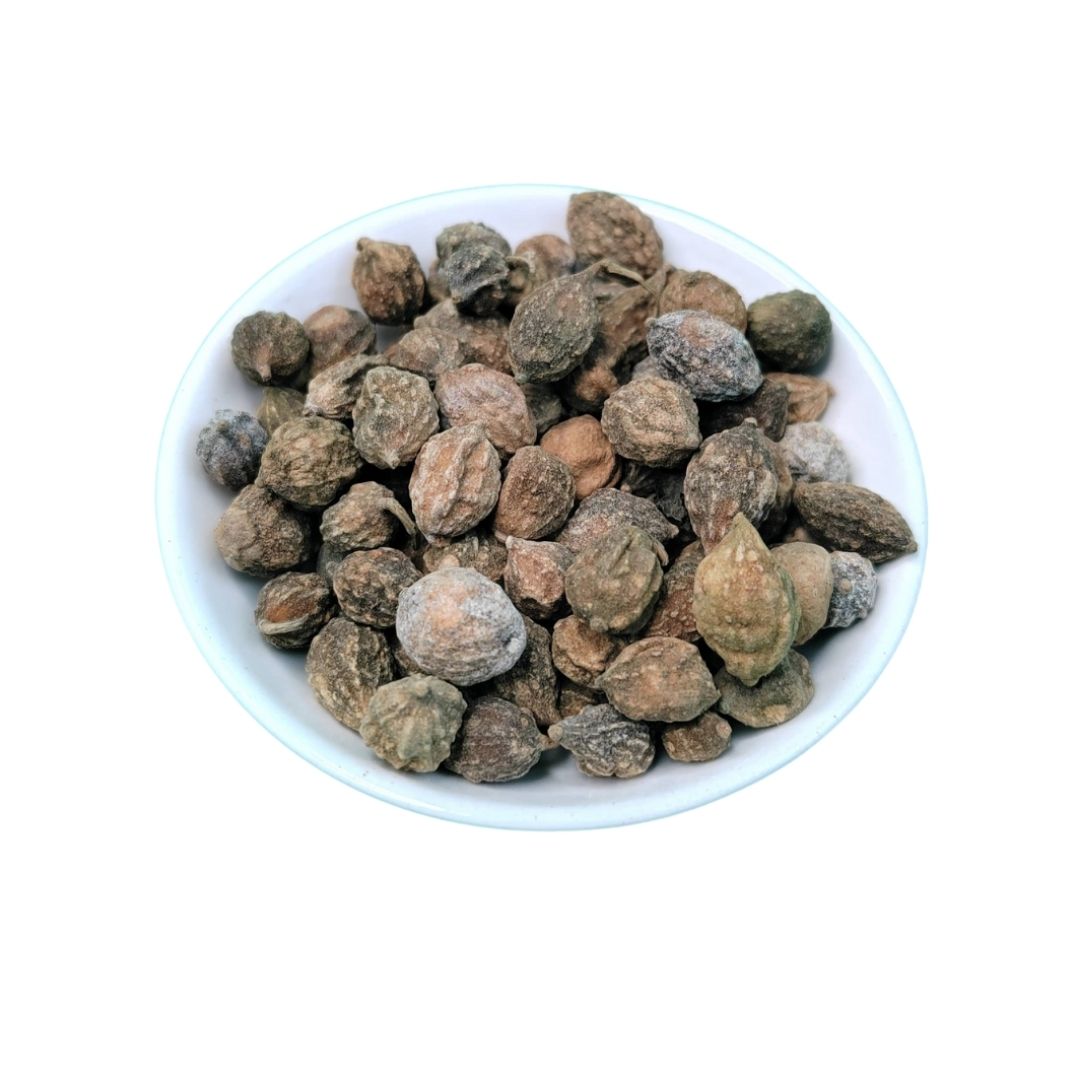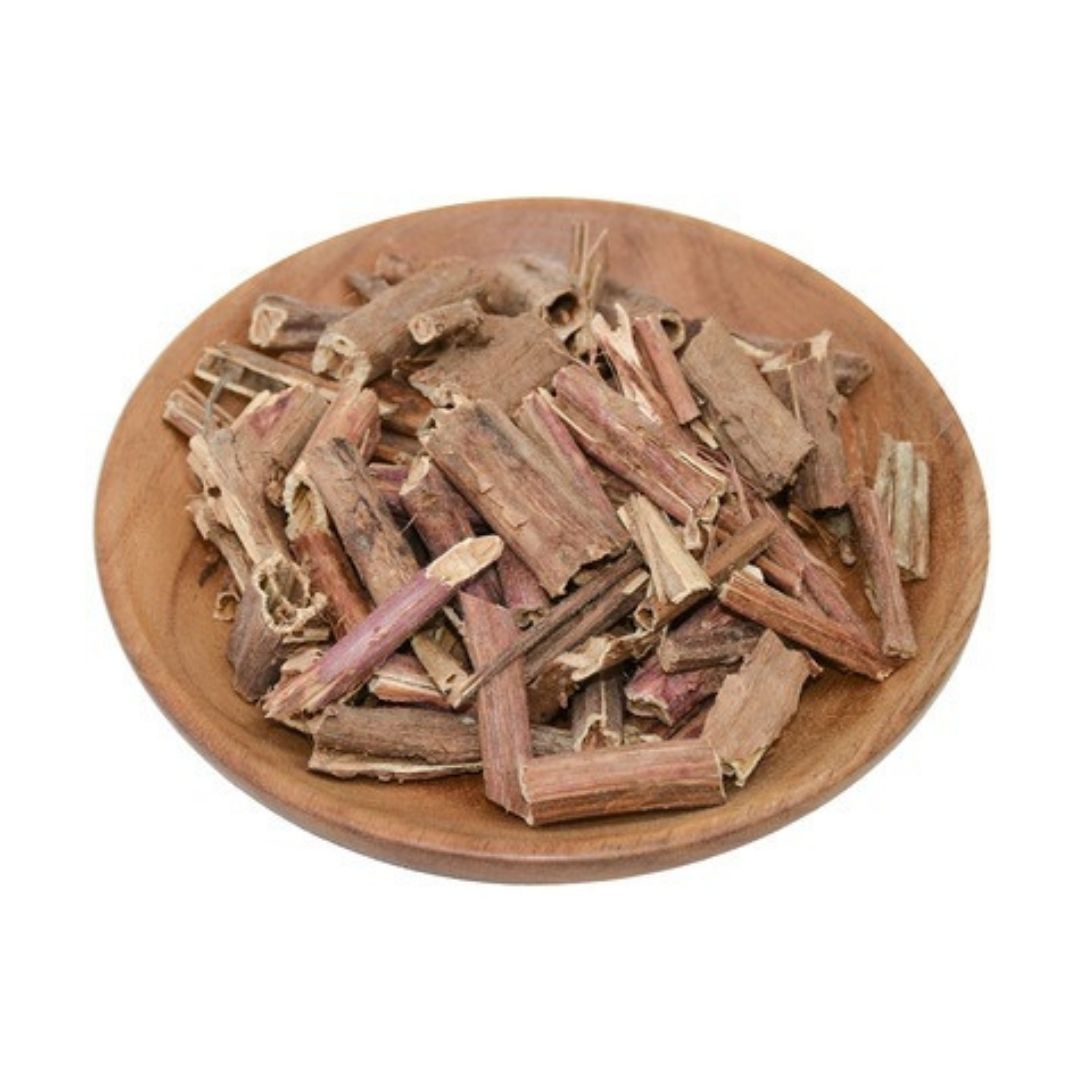


Product Introduction
Coleus strobilifer, a member of the mint family (Lamiaceae), offers a unique aromatic profile that bridges culinary and traditional applications. Native to Southeast Asia, particularly Indonesia and Malaysia, this plant's leaves and young stems are harvested for their distinct flavor. The aroma is characterized by woody, herbaceous notes complemented by camphoraceous and slightly earthy undertones. Sesquiterpenes, such as beta-caryophyllene and alpha-humulene, are key contributors to its complex scent profile; oxygenated monoterpenes also play a role.
In culinary contexts, Coleus strobilifer serves as a spice, adding depth and complexity to various dishes that benefit from its pungent, slightly bitter, and camphor-like taste. Beyond its use in food, the plant has a history in traditional medicine, where it is valued for its potential therapeutic properties. The chemical composition of Coleus strobilifer makes it a promising candidate for further exploration in flavoring applications, potentially offering novel sensory experiences.
To preserve the volatile oil content and overall quality, Coleus strobilifer should be stored in a cool, dry place, shielded from direct sunlight. This ensures that the dried leaves and stems retain their characteristic aroma and flavor for an extended period. The plant’s traditional uses and distinctive chemical makeup support continued research into its potential benefits and applications.
Aromatic Chemical Composition
The aromatic profile of Coleus strobilifer is largely defined by its rich composition of sesquiterpenes. Beta-caryophyllene, a prominent sesquiterpene, contributes a spicy, woody note, while alpha-humulene provides an earthy, slightly floral aspect [1]. These compounds are often found in essential oils of various plants and contribute anti-inflammatory and analgesic properties [2]. The specific ratio of these sesquiterpenes can influence the overall aroma and flavor, making each batch of Coleus strobilifer somewhat unique.
Oxygenated monoterpenes are also present in smaller quantities adding to the complexity of the aroma. These compounds often introduce fresher, more volatile notes, complementing the heavier sesquiterpene base. The interaction between these different classes of compounds creates the overall herbaceous and camphoraceous character of Coleus strobilifer. Further research into the specific volatile compounds and their concentrations would provide a more detailed understanding of the plant’s aromatic fingerprint.
What Types of Products Are Available?
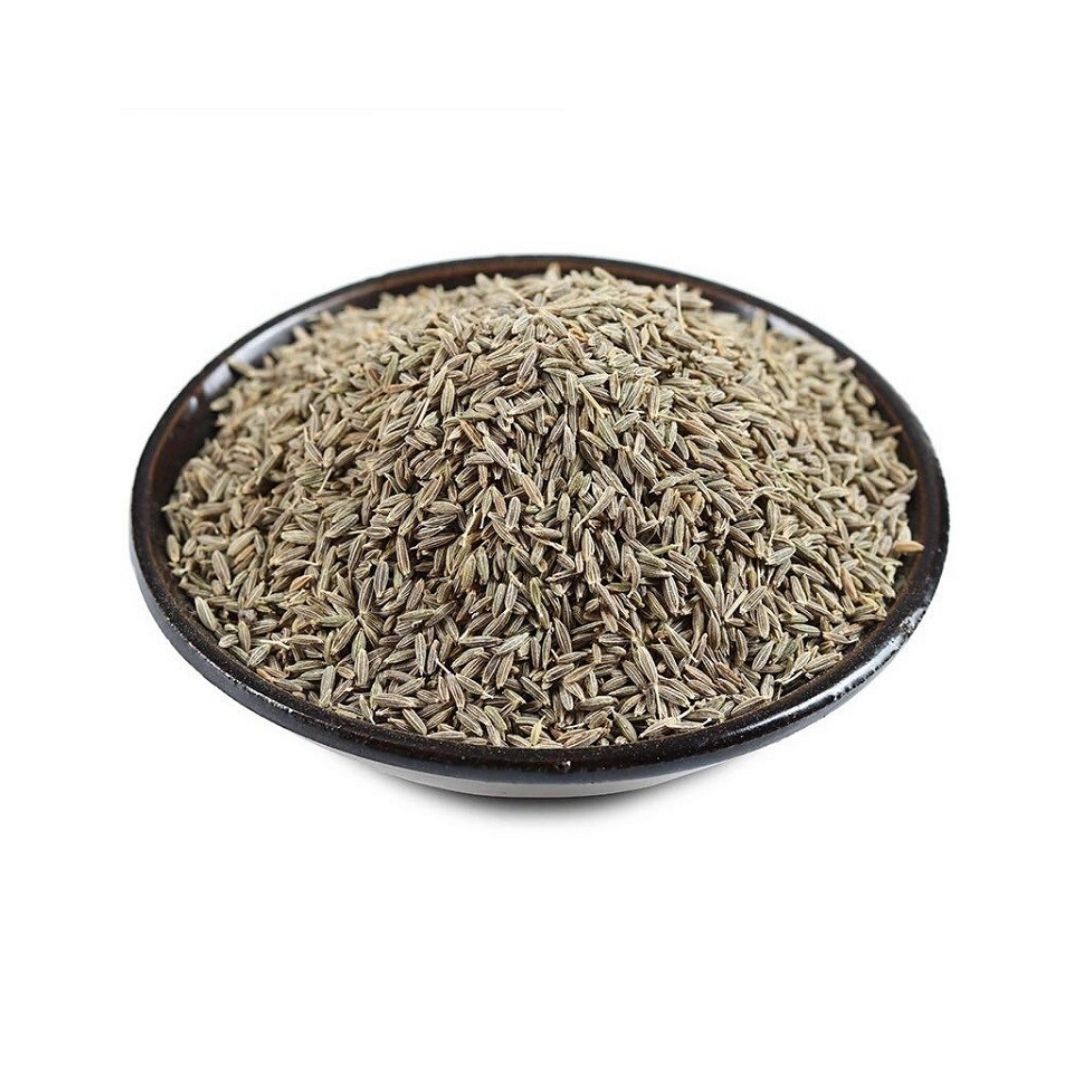
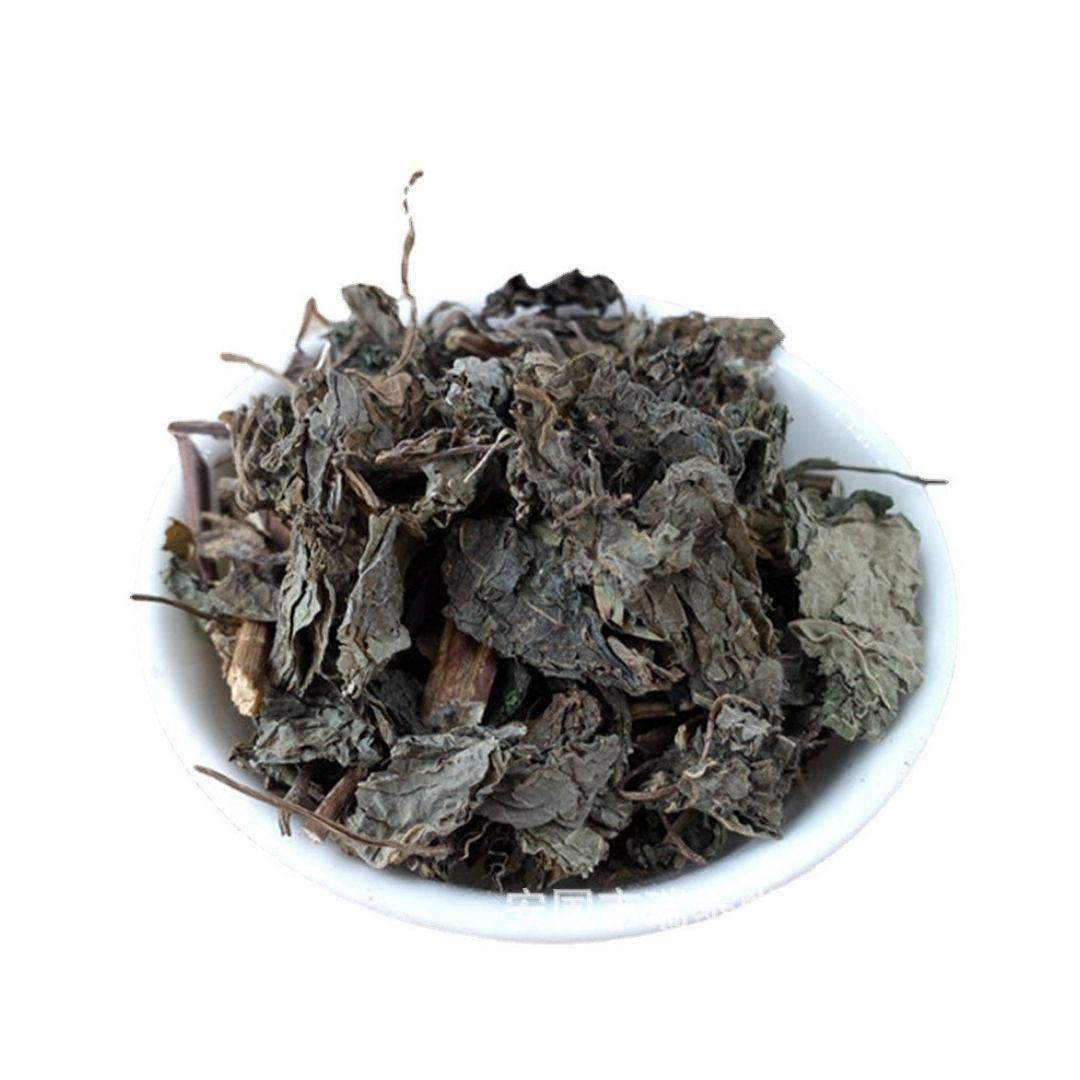
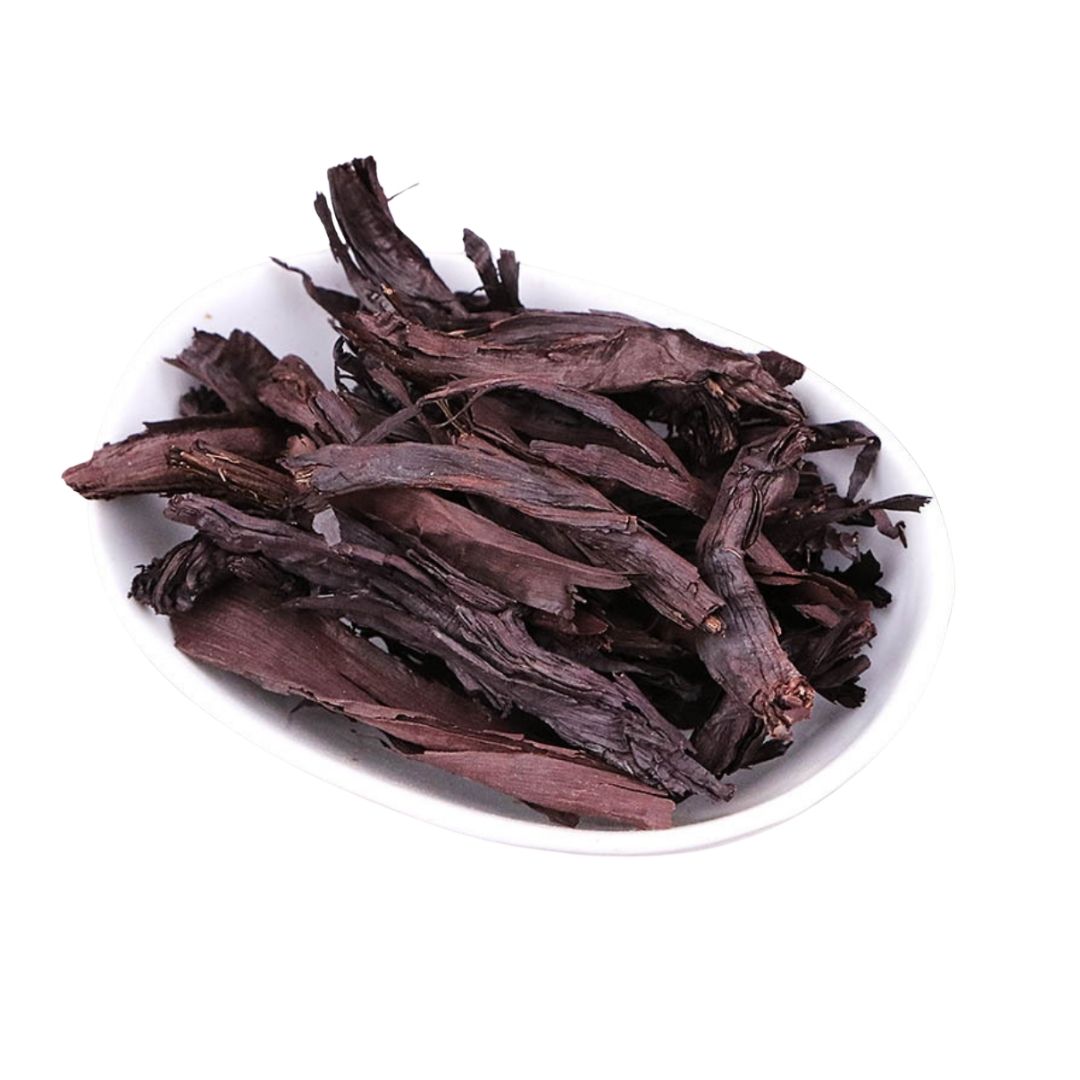
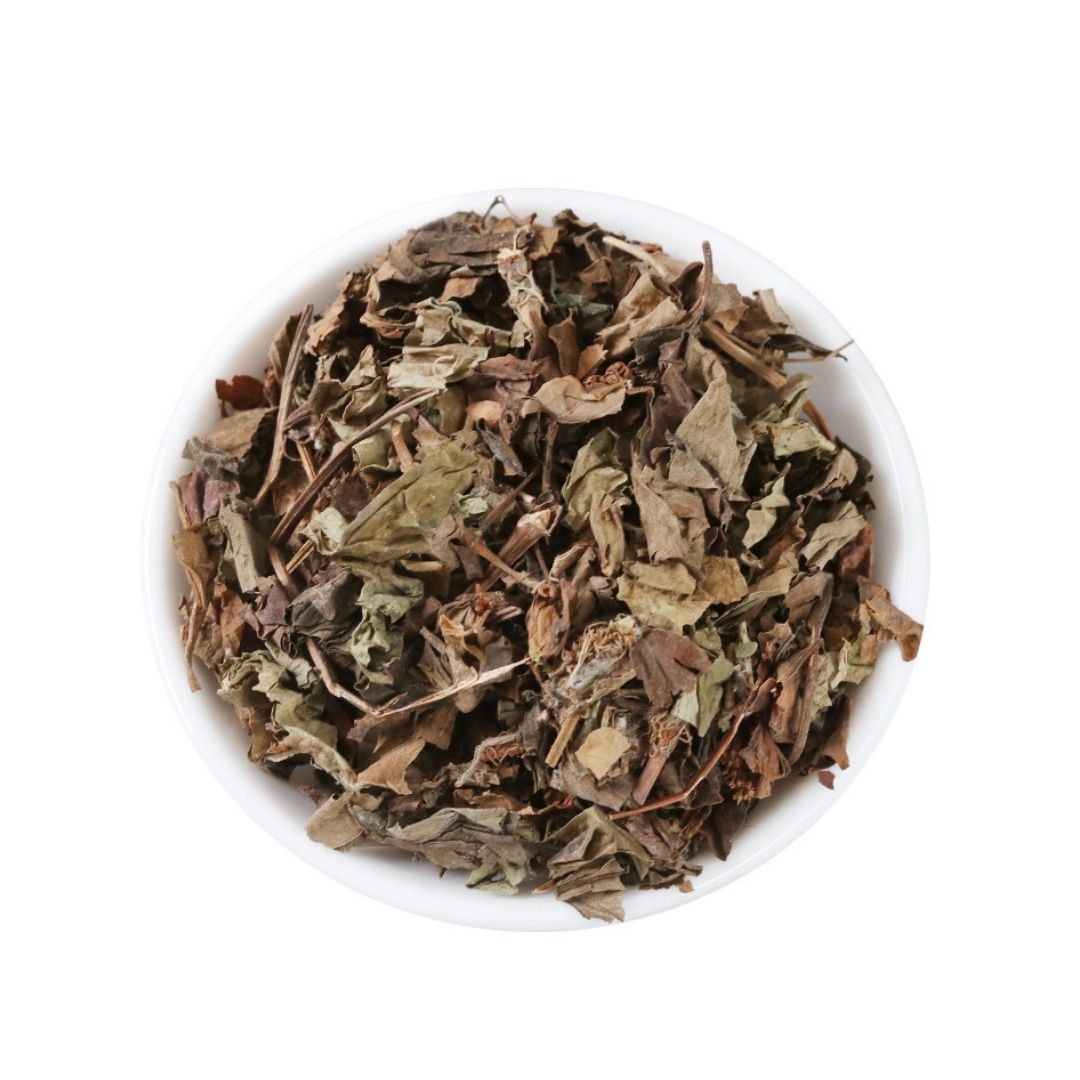
Coleus strobilifer is primarily available in several product forms to cater to different applications. The most common form is dried, cut leaves and stems, which are sold either whole or ground into a powder. The dried form retains the plant’s aromatic compounds and is suitable for culinary use and traditional medicinal preparations. Essential oil extracted from Coleus strobilifer is another product form. This concentrated oil captures the plant’s volatile compounds and is used in aromatherapy, perfumery, and flavoring applications where a potent aroma is desired [3].
Extracts, both liquid and powdered, are also available, offering a standardized concentration of the plant's active compounds. These extracts are commonly used in dietary supplements and herbal remedies, ensuring consistent dosage and efficacy [4]. The specific form of Coleus strobilifer chosen depends on the intended use, with dried leaves and stems favored for culinary purposes, while essential oils and extracts find applications in broader industries such as cosmetics and pharmaceuticals.
Application Scenarios and Usage Dosage
In the culinary field, Coleus strobilifer serves as a versatile spice, offering a unique flavor profile that can enhance a variety of dishes. Its pungent, slightly bitter, and camphor-like taste makes it a suitable addition to savory preparations. In Southeast Asian cuisines, it is often used in meat dishes, vegetable stews, and soups, where its strong flavor can add depth and complexity [5]. The spice pairs well with other aromatic herbs and spices, such as garlic, ginger, and lemongrass, creating a harmonious blend of flavors.
When using dried Coleus strobilifer leaves and stems, it is advisable to start with a small amount to gauge the intensity of the flavor. A typical dosage for a family-sized stew or soup (approximately 4-6 servings) would be about 1-2 teaspoons of dried, ground Coleus strobilifer. The spice should be added early in the cooking process to allow its flavors to fully infuse into the dish. For dishes with shorter cooking times, the spice can be lightly sautéed in oil before adding other ingredients to release its aroma [6].
In addition to savory dishes, Coleus strobilifer can also be used in certain beverages and desserts, although sparingly due to its strong flavor. A small pinch of the spice can add an interesting twist to herbal teas or spiced desserts like cakes and cookies. Experimentation is key to finding the right balance and maximizing the flavor potential of Coleus strobilifer. Furthermore, its essential oil can be used for flavoring, but extreme caution is necessary; it's highly concentrated, and only a few drops are needed per batch of food.
Beyond its culinary uses, Coleus strobilifer has a history in traditional medicine, where it has been used for its potential therapeutic properties. Different cultures employ various methods of preparation, such as brewing the leaves into a tea or using the plant as a poultice. However, it's important to note that scientific substantiation for these traditional uses may vary, and consulting with a healthcare professional before using Coleus strobilifer for medicinal purposes is advised [7].
Introduction to the Source Plant, Distribution, and Growing Environment
Coleus strobilifer is a herbaceous plant belonging to the Lamiaceae family, commonly known as the mint family, characterized by its aromatic leaves and square stems. The plant typically grows to a height of 0.5 to 1 meter, featuring ovate to lanceolate leaves, which are usually green but can sometimes exhibit purple tinges [8]. The plant's flowers are small and arranged in spikes, displaying colors ranging from white to pale purple. Coleus strobilifer is native to Southeast Asia, with a primary distribution in Indonesia and Malaysia. It thrives in tropical climates with high humidity and warm temperatures.
The plant is often found growing in the understory of forests, along riverbanks, and in disturbed areas. It prefers well-drained soils rich in organic matter and partial shade conditions. Its adaptability allows it to colonize various habitats, making it a relatively common plant in its native range. The plant's ease of propagation through stem cuttings has also contributed to its widespread cultivation in local gardens and farms [9].
In its natural environment, Coleus strobilifer plays a role in local ecosystems by providing habitat and food for insects and other small animals. The plant's aromatic properties may also deter certain herbivores, contributing to its survival and proliferation. Understanding the plant's ecological context is essential for sustainable harvesting and conservation efforts.
Harvesting, Processing, and Storage Preservation
The harvesting of Coleus strobilifer typically involves collecting the leaves and young stems, which contain the highest concentration of aromatic compounds. The optimal time for harvest is usually during the plant's active growing season, when the leaves are lush and fragrant, often in the late morning after the dew has evaporated. Harvesting is typically done manually using knives or shears to cut the stems, ensuring minimal damage to the plant to promote regrowth.
After harvesting, the plant material undergoes processing to prepare it for use as a spice or for extraction of essential oils. The leaves and stems are first cleaned to remove any dirt or debris [10]. They are then typically dried to reduce moisture content, which helps to prevent spoilage and preserve the aromatic compounds. Drying can be achieved through various methods, including sun-drying, air-drying in a shaded area, or using mechanical dryers [11]. The drying temperature and duration need to be carefully controlled to avoid degradation of the plant's volatile oils.
Once the plant material is thoroughly dried, it is cut or ground into smaller pieces to increase surface area and facilitate extraction or culinary use. The dried material is then packaged and stored under appropriate conditions to maintain its quality and potency. For long-term storage, it is recommended to keep Coleus strobilifer in airtight containers, away from direct sunlight, heat, and moisture. [12] A cool, dry environment is ideal for preserving the plant's volatile oils and preventing the growth of mold or bacteria. Properly stored Coleus strobilifer can retain its aromatic and flavor properties for up to a year or more.
Citations:
[1] Asif, G., et al. "Chemical Composition and Biological Activities of Essential Oils." Journal of Essential Oil-Bearing Plants 20.6 (2017): 1477-1502.
[2] Groh, T. J., et al. "β-Caryophyllene—An Aromatic Sesquiterpene with Diverse Biological Activities: A Mini-Review." Molecules 26.23 (2021): 7311.
[3] Baser, K. H. C., and G. Buchbauer, eds. Handbook of Essential Oils: Science, Technology, and Applications. CRC press, 2015.
[4] Blumenthal, M., et al., eds. The Complete German Commission E Monographs: Therapeutic Guide to Herbal Medicines. American Botanical Council, 1998.
[5] Khare, C. P. Indian Medicinal Plants: An Illustrated Dictionary. Springer Science & Business Media, 2008.
[6] Lawless, J. The Encyclopedia of Essential Oils: The Complete Guide to the Use of Essential Oils in Aromatherapy and Herbalism. Element Books, 2013.
[7] Barnes, J., et al. Herbal Medicines. Pharmaceutical Press, 2007.
[8] Brickell, C., and Z. Day. RHS Encyclopedia of Plants and Flowers. DK Publishing, 2010.
[9] Hartmann, H. T., et al. Plant Propagation: Principles and Practices. Prentice Hall, 2011.
[10] Winton, A. L., and K. B. Winton. The Structure and Composition of Foods. Vol. 4. John Wiley & Sons, 1939.
[11] Fellows, P. Food Processing Technology: Principles and Practice. Woodhead Publishing, 2009.
[12] Potter, N. N., and J. H. Hotchkiss. Food Science. Springer Science & Business Media, 1995.
Mia Wu

Hi, I’m Mia Wu! I love helping customers discover the best natural ingredients for their products. With a passion for herbs, spices, and fungi, I work to make sure you get only the finest raw materials. Let's grow together! 🌱✨